# Сопутствующие статьи по теме Payment

Новостной центр HTX предлагает последние статьи и углубленный анализ по "Payment", охватывающие рыночные тренды, новости проектов, развитие технологий и политику регулирования в криптоиндустрии.
Paying the Strait Transit Fee with Bitcoin: Is Iran Just Talking Big?

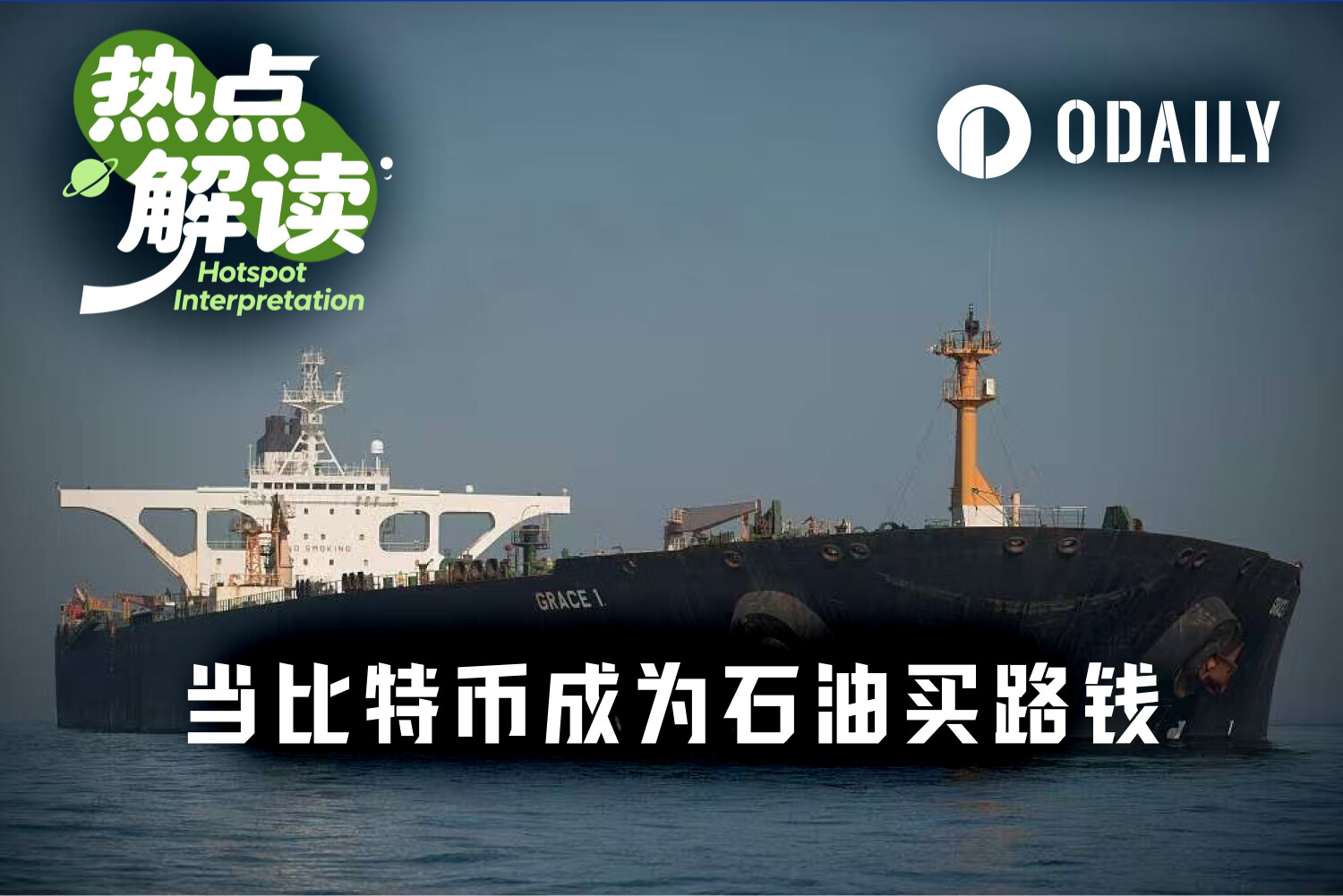
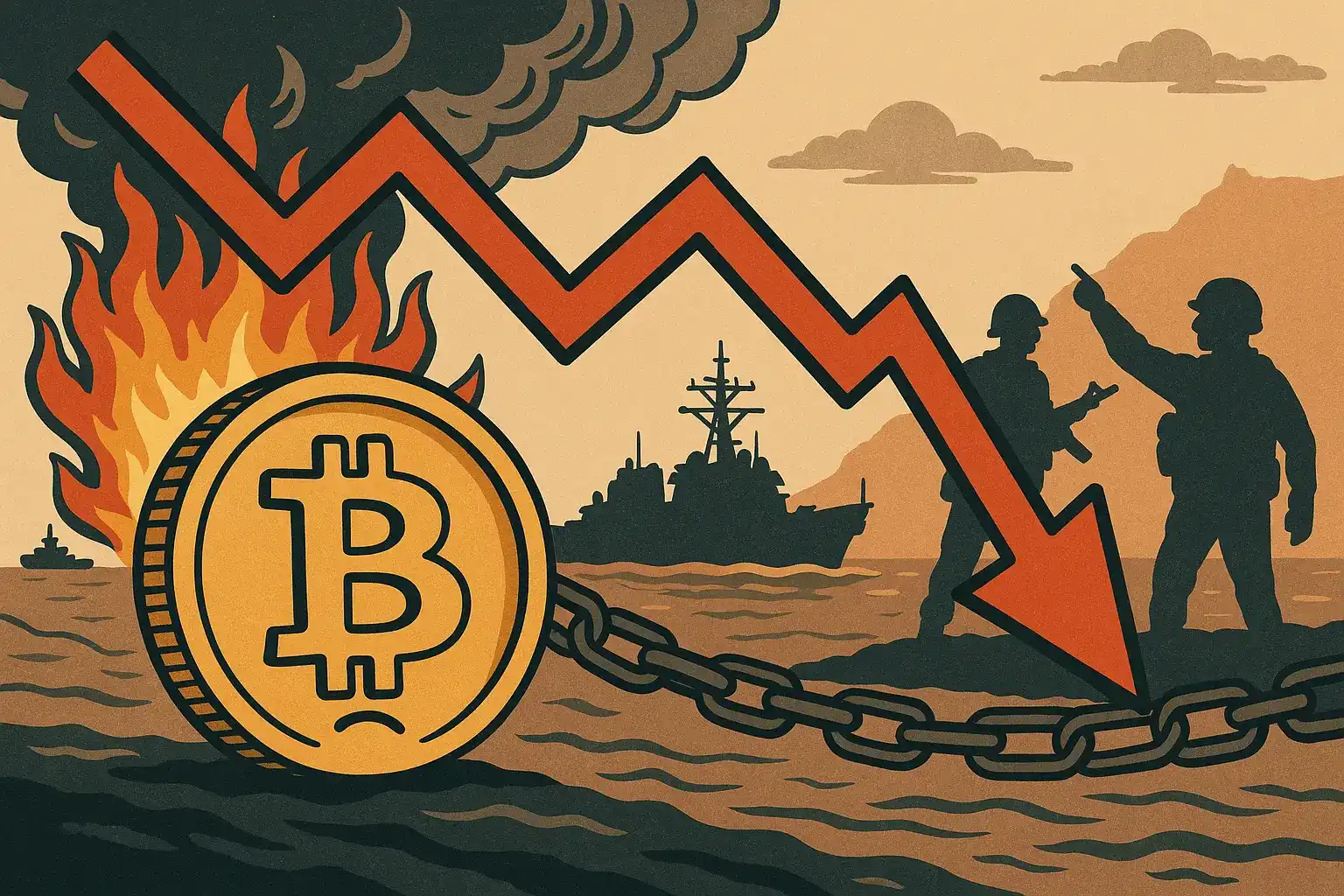
An article titled "Bitcoin Payment for Strait Transit Fees: Is Iran Just Making Empty Threats?" discusses Iran's announcement to potentially charge a $1 per barrel transit fee for oil tankers passing through the Strait of Hormuz, payable in Bitcoin, during a two-week ceasefire period. This news briefly drove Bitcoin's price above $73,000, highlighting its symbolic significance as a tool for extreme scenarios where traditional financial systems fail due to sanctions. Iran, facing severe U.S. sanctions and exclusion from SWIFT, views Bitcoin as a means to ensure untraceable and unconfiscatable transactions, despite its volatility and slower settlement times. However, the practicality of this move is questioned. The Strait of Hormuz closed shortly after the announcement, leading to skepticism about its implementation. Experts like Arthur Hayes emphasize the need for on-chain evidence to validate the claim, suggesting it may be more of a psychological tactic against Western financial systems than a feasible plan. Even if Iran collects Bitcoin, converting it to fiat for essential purchases remains challenging under current sanctions. The article concludes that Bitcoin’s role in this geopolitical drama—whether as a practical tool or a strategic signal—marks its entry into high-stakes international politics, reinforcing its relevance in a fragmented world.

Odaily星球日报04/09 08:52

Paying the Strait Transit Fee with Bitcoin: Is Iran Just Talking Big?

Odaily星球日报04/09 08:52

From 5 Cents per kWh Chinese Electricity to $45 API Export Packages: Token is Becoming the New Currency Unit

From 5 Cents per kWh Chinese Electricity to $45 API Export Plans: Token Emerges as a New Monetary Unit In 1858, the first transatlantic cable connected Europe and America, shifting information control from traditional media to those who owned the infrastructure. Today, a similar shift is occurring with AI and crypto, where Token is evolving from a technical term into a fundamental unit of machine-driven economy. Token serves a dual role: in AI, it is a computational unit for billing API calls and model inference; in crypto, it is a medium of exchange. These parallel systems are converging as AI Agents automate tasks—reading files, calling APIs, managing workflows—while consuming Tokens as fuel. Protocols like x402 and ERC-8183 are enabling machines to natively understand, call, and settle payments using Tokens, compressing complex processes into seamless, protocol-based actions. China’s "Token出海" (Token going global) narrative highlights this shift. With China’s annual electricity consumption exceeding 10 trillion kWh—a global first—and its growing dominance in data centers and GPU-driven inference, Token exports represent a new form of resource abstraction: Chinese electricity and compute power are being packaged into Token-denominated services consumed globally. Models like Minimax and DeepSeek rank highly on platforms like OpenRouter, with ~13% of global usage originating from Chinese models in 2025. OpenClaw exemplifies how Tokens transition from a cost (like "talk time") to a production input: Agents execute complex tasks, consuming Tokens at scale. This makes cost differentials critical, and China’s competitive pricing accelerates adoption. Moreover, AI Agents are not just to spend Tokens but also to earn—through memes, fees, or even mining—demonstrating early economic behaviors. Crypto provides the ideal settlement layer for Agentic commerce: permissionless accounts, programmable escrow, and micro-payments. x402 gives Agents wallets; ERC-8183 enables contracts with evaluation-based escrow. Together, they form a machine-native economic loop. Token’s rise is not about replacing fiat but becoming the base-layer unit for machine transactions—a universal measure for pricing compute, services, and digital resources. The future won’t have one currency, but Token may underpin the new economy, where the power to compress resources into Tokens defines value creation.

marsbit03/13 04:50

From 5 Cents per kWh Chinese Electricity to $45 API Export Packages: Token is Becoming the New Currency Unit

marsbit03/13 04:50

活动图片