TON вступает в эпоху Telegram: запускается эксперимент по интеграции блокчейна в супераппликацию
Автор: Climber, CryptoPulse Labs
Криптотокен TON демонстрирует значительный рост — около 120% за 4 дня, приближаясь к отметке $3. Основной причиной стала публичная поддержка основателя Telegram Павла Дурова. Он заявил, что Telegram станет центральной движущей силой сети TON, заменив Фонд TON и став её крупнейшим валидатором. Параллельно сеть TON проводит технические обновления, повышая скорость в 10 раз и снижая комиссии в 6 раз.
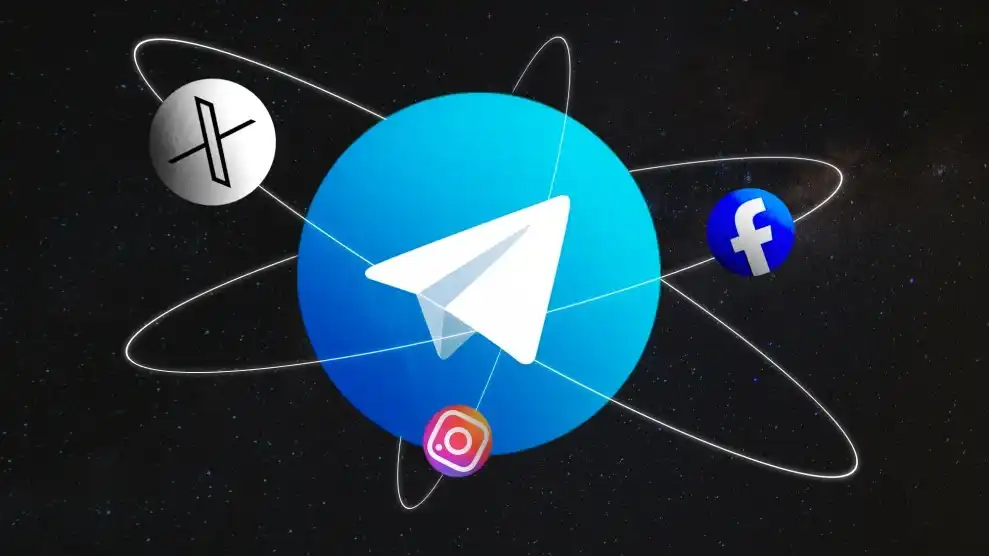
За этими событиями стоит более глубокая переоценка: Telegram начинает полномасштабную интеграцию с блокчейном. Раньше TON, хотя и был связан с мессенджером, сохранял дистанцию из-за прошлых проблем с регуляторами. Теперь же Telegram открыто берет на себя ведущую роль в развитии сети. Это меняет логику оценки TON: из блокчейна с поддержкой трафика Telegram он превращается в ключевую инфраструктуру для будущей коммерческой экосистемы мессенджера.
Обновления TON (сверхнизкие комиссии, подтверждение за доли секунды) нацелены на поддержку массовых платёжных сценариев внутри Telegram, таких как микроплатежи, оплата услуг ботов, трансграничные переводы. Цель — позволить почти 1 млрд пользователей совершать транзакции, не задумываясь о блокчейне, подобно WeChat Pay. TON развивается по уникальному пути: у него уже есть огромная готовая аудитория, и задача — незаметно встроить в её опыт возможности Web3.
Telegram формирует замкнутую экосистему: кошелёк, платежи, боты, мини-приложения и блокчейн-расчёты объединяются на базе TON. Это первый в криптоиндустрии эксперимент по «оцифровыванию» суперприложения. Основной потенциал TON лежит не в DeFi, а в глобальных цифровых коммерческих сценариях, особенно в регионах сильного влияния Telegram (Ближний Восток, Восточная Европа, Юго-Восточная Азия).
Хотя экосистема ещё молода и возможны регуляторные вызовы, рынок начинает осознавать, что формируется первая в мире блокчейн-экосистема с готовым суперприложением-входом. Telegram переходит от поддержки к активному участию, и это меняет всю игру.
marsbit05/08 09:54