# Сопутствующие статьи по теме IPO

Новостной центр HTX предлагает последние статьи и углубленный анализ по "IPO", охватывающие рыночные тренды, новости проектов, развитие технологий и политику регулирования в криптоиндустрии.

"Asia's First Stock" HashKey Goes Public: A Decade of Dedication, Edge Emerging

"Asia's first crypto stock" HashKey has listed on the Hong Kong Stock Exchange, marking a milestone after a decade of strategic development. As of September 2025, the platform has facilitated HKD 1.3 trillion in cumulative spot trading volume, commanding over 75% market share among Hong Kong’s 11 licensed virtual asset trading platforms. HashKey’s success stems from its long-term compliance-first strategy, aligning closely with Hong Kong’s evolving regulatory landscape. While many platforms operated in regulatory grey areas, HashKey focused on building robust infrastructure, obtaining licenses, and adhering to strict anti-money laundering (AML), know-your-customer (KYC), and asset segregation requirements. The company capitalized on Hong Kong’s introduction of the Virtual Asset Service Provider (VASP) licensing regime in 2022, becoming one of the first fully regulated exchanges. The compliance-heavy model requires significant investment in technology, auditing, and risk management, resulting in higher operational costs and a longer path to profitability. However, it has positioned HashKey as a trusted gateway for institutional investors, offering services including staking, asset management, and real-world asset (RWA) tokenization. HashKey’s IPO symbolizes a broader industry transition from speculative trading to institutional participation and regulated financial infrastructure. It represents the rise of compliance as a core competitive advantage in the virtual asset sector and underscores Hong Kong’s strategic role in shaping Asia’s digital finance future.

深潮12/15 06:36

"Asia's First Stock" HashKey Goes Public: A Decade of Dedication, Edge Emerging

深潮12/15 06:36

HashKey IPO Oversubscribed 300 Times, Investors Betting on Its Era Positioning

HashKey, known as "Hong Kong's first licensed crypto asset stock" (Stock Code: 03887), concluded its IPO subscription on December 12, with its official listing scheduled for December 17. Despite concerns over continued significant financial losses—reporting an adjusted net loss of approximately HK$1.57 billion from 2022 to 2024—the public offering was oversubscribed by 301.6x, raising HK$506 billion in margin financing against an initial target of HK$1.67 billion. The company attributes its losses to high upfront investments in compliance, technology development, and ecosystem expansion, drawing parallels to Coinbase’s early growth trajectory. HashKey operates multiple business segments, including regulated exchange services (HashKey Exchange and HashKey Global), blockchain infrastructure (HashKey Chain), asset management (HashKey Capital), OTC services, and tokenization solutions. Its strategic value lies in being a bridge between traditional finance and Web3, positioning itself as a compliant gateway for institutional entry into Asian crypto markets. With backing from cornerstone investors like UBS, Fidelity, and CDH Investments, HashKey aims to strengthen Hong Kong’s ambition to become a "global virtual asset hub." While skeptics point to its financials and perceived inefficiencies, investor enthusiasm reflects confidence in HashKey’s regulatory compliance, institutional leadership in Asia, and its role in regional digital finance infrastructure. The IPO is seen less as a short-term profit play and more as a bet on Hong Kong’s—and Asia’s—future in the evolving crypto and Web3 landscape.

marsbit12/15 00:10

HashKey IPO Oversubscribed 300 Times, Investors Betting on Its Era Positioning

marsbit12/15 00:10

Mars Daily | Pakistan Signs MoU with Binance to Explore Tokenization of Up to $2 Billion in Assets

Pakistan has signed a Memorandum of Understanding (MoU) with Binance to explore tokenizing up to $2 billion in sovereign bonds, treasury bills, and commodity reserves. The initiative aims to enhance liquidity and attract international investment. Additionally, Pakistani regulators have granted preliminary approval to Binance and HTX to begin local registration and prepare for full exchange licensing. In other news, an on-chain analyst reported that a major Bitcoin whale has increased its leveraged long positions to $540 million in ETH, with total long positions in BTC, ETH, and SOL exceeding $620 million. The whale is currently facing significant unrealized losses. Meanwhile, the Crypto Fear & Greed Index has dropped to 23, re-entering the "Extreme Fear" zone. In corporate developments, Coinbase is reportedly preparing to launch an internal prediction market, initially operated exclusively by Kalshi, and has added Lighter (LIGHTER) to its listing roadmap. Tether has made a binding all-cash offer to acquire a 65.4% stake in Juventus Football Club and plans to invest €1 billion in the club if the deal proceeds. Separately, Nasdaq has received expanded authority to reject IPO applications deemed at risk of market manipulation. Oracle shares fell after announcing a delay in its data center construction timeline, attributed to labor and material shortages.

marsbit12/13 01:33

Mars Daily | Pakistan Signs MoU with Binance to Explore Tokenization of Up to $2 Billion in Assets

marsbit12/13 01:33

Weekly Review and Outlook | Circle Issues 500 Million USDC on Solana; Japan Plans to Include Crypto Assets in Securities Regulatory Framework; Gemini Approved by CFTC to Establish Prediction Market; Fed Cuts Benchmark Rate by 25 Basis Points

This week in crypto and financial markets was marked by significant developments and regulatory shifts. Circle issued an additional 500 million USDC on the Solana network, reflecting strong demand for the stablecoin, with trading volume exceeding $11.9 billion within 24 hours. Dubai Customs partnered with Binance to explore crypto payments for trade and logistics, aiming to enhance efficiency and reduce costs. Twenty One Capital, backed by Tether and Bitfinex, began trading on the NYSE, though its stock fell 20% on the first day. Strive launched a $500 million ATM financing plan, partly to acquire more BTC, while American Bitcoin increased its holdings to 4,783 BTC. Japan's FSA proposed bringing crypto assets and IEOs under securities regulations, requiring stricter disclosures and cracking down on insider trading. Jupiter announced its own stablecoin, JUP USD, and acquired RainFi to offer peer-to-peer lending services. Gemini received CFTC approval to launch a blockchain-based prediction market, potentially expanding into crypto derivatives. The Federal Reserve cut interest rates by 25 basis points to 3.50%-3.75%, responding to slowing economic growth. Looking ahead, HashKey Group plans to raise up to HK$1.67 billion in its Hong Kong IPO on December 17. Several tokens, including Starknet, Arbitrum, and LayerZero, are scheduled for unlocks next week, which may influence market liquidity.

cointelegraph_中文12/12 07:25

Weekly Review and Outlook | Circle Issues 500 Million USDC on Solana; Japan Plans to Include Crypto Assets in Securities Regulatory Framework; Gemini Approved by CFTC to Establish Prediction Market; Fed Cuts Benchmark Rate by 25 Basis Points

cointelegraph_中文12/12 07:25

Digital Asset Vaults Lose Their Luster: Twenty One's Stock Plunges 20% on First Trading Day

Twenty One Capital, a Bitcoin-focused treasury company backed by Tether and SoftBank, saw its shares plunge approximately 20% on its first day of trading on the New York Stock Exchange. The sharp decline reflects investor skepticism toward the valuation and business model of Bitcoin treasury companies amid a significant cryptocurrency market downturn. The company, led by 31-year-old CEO Jack Mallers, holds around 43,500 BTC. However, Bitcoin holdings have fallen over 25% since October’s all-time high near $126,000, putting pressure on the "digital asset treasury" (DAT) model. Despite its large Bitcoin reserve and strong backers, investors remain cautious due to unclear revenue paths and heavy reliance on Bitcoin’s volatile price. Twenty One went public via a merger with SPAC Cantor Equity. Unlike traditional companies, its valuation is almost entirely tied to its Bitcoin holdings, using metrics like "Bitcoin per Share" (BPS). Yet, the firm has not detailed how it will generate sustainable profits beyond holding Bitcoin. The sell-off reflects broader pressures on crypto-linked stocks. Other Bitcoin-heavy companies like Metaplanet, Trump Media, and Empery Digital also face millions in unrealized losses and falling share prices as Bitcoin corrects. The debut underscores high volatility and valuation risks in crypto investing. Despite innovation and institutional support, long-term viability requires transparent business models and clear profitability strategies—lessons even high-profile crypto firms must heed.

cointelegraph_中文12/11 23:16

Digital Asset Vaults Lose Their Luster: Twenty One's Stock Plunges 20% on First Trading Day

cointelegraph_中文12/11 23:16

World's Richest Man, 'Silicon Valley Iron Man' Musk, to Take SpaceX Public in 2026!

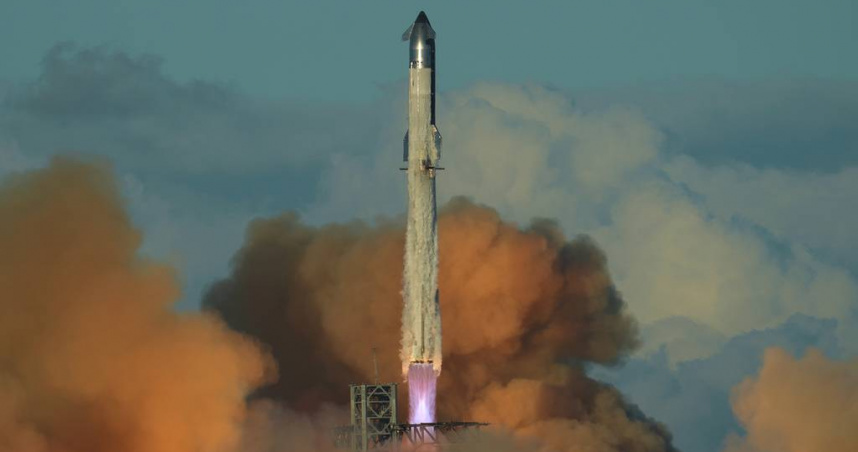
Elon Musk, the world's richest person and CEO of SpaceX, plans to take the company public in 2026 with a target valuation of approximately $1.5 trillion. The IPO is expected to raise "significantly more than $30 billion," potentially making it the largest in history, surpassing Saudi Aramco's 2019 offering. A key driver of this ambitious valuation is a new narrative: **space-based AI computing**. Musk introduced the concept of "space AI compute" at a recent investor conference, arguing that within five years, running AI training and inference in space could become the lowest-cost solution. The core advantages include near-uninterrupted solar power and the vacuum of space acting as an ultimate heat sink. Additionally, with its reusable Starship rockets, SpaceX aims to drastically reduce launch costs to as low as $200–300 per kilogram. This vision, however, faces significant technical hurdles. Challenges include managing extreme heat radiation in direct sunlight, protecting hardware from cosmic radiation, and the economic risks associated with potential launch failures. Competitors are also entering the arena, including Jeff Bezos’ Blue Origin, which is developing its own orbital data centers, and Sam Altman’s OpenAI, which is reportedly considering acquiring a rocket company. Despite the challenges, Wall Street has responded positively. Firms like Ark Invest are now valuing SpaceX as a high-growth AI infrastructure company rather than a traditional aerospace firm, projecting that its space-based compute business could generate $80–120 billion in high-margin revenue by 2030. The success of this new "space dream" hinges on the continued development of Starship, overcoming technical barriers, and navigating future regulatory landscapes.

marsbit12/11 07:08

World's Richest Man, 'Silicon Valley Iron Man' Musk, to Take SpaceX Public in 2026!

marsbit12/11 07:08

活动图片