# Сопутствующие статьи по теме IPO

Новостной центр HTX предлагает последние статьи и углубленный анализ по "IPO", охватывающие рыночные тренды, новости проектов, развитие технологий и политику регулирования в криптоиндустрии.

A New Paradigm in Tokenomics? When Backpack Makes VCs 'Delay Gratification'

The article discusses Backpack's innovative tokenomics model, which challenges conventional practices in the cryptocurrency industry. Unlike typical projects where teams and venture capitalists (VCs) receive immediate token allocations, Backpack allocates 100% of liquid tokens to users at TGE. The remaining 37.5% of tokens, traditionally reserved for teams and investors, are locked in a corporate vault and tied to the company’s eventual IPO. This structure ensures that internal stakeholders can only benefit after a successful IPO, with an additional one-year lock-up period post-IPO to prevent early sell-offs. Backpack’s approach emphasizes long-term alignment with user interests and project sustainability. The token distribution prioritizes community incentives, with 25% of tokens released at TGE to reward users and NFT holders. Future unlocks are tied to product milestones, ensuring that new token releases contribute more value to the ecosystem than they dilute the token’s price. Additionally, Backpack prioritizes regulatory compliance, currently serving only 48% of global regions to adhere to legal standards. Its goal is to build a hybrid platform integrating crypto and traditional financial services. Market reactions are mixed: Backpack is reportedly seeking funding at a $1 billion valuation, but predictions about its token FDV reflect uncertainty. Ultimately, Backpack’s model represents a shift toward transparency, long-term value, and user-centric growth in Web3.

marsbit3 ч. назад

A New Paradigm in Tokenomics? When Backpack Makes VCs 'Delay Gratification'

marsbit3 ч. назад

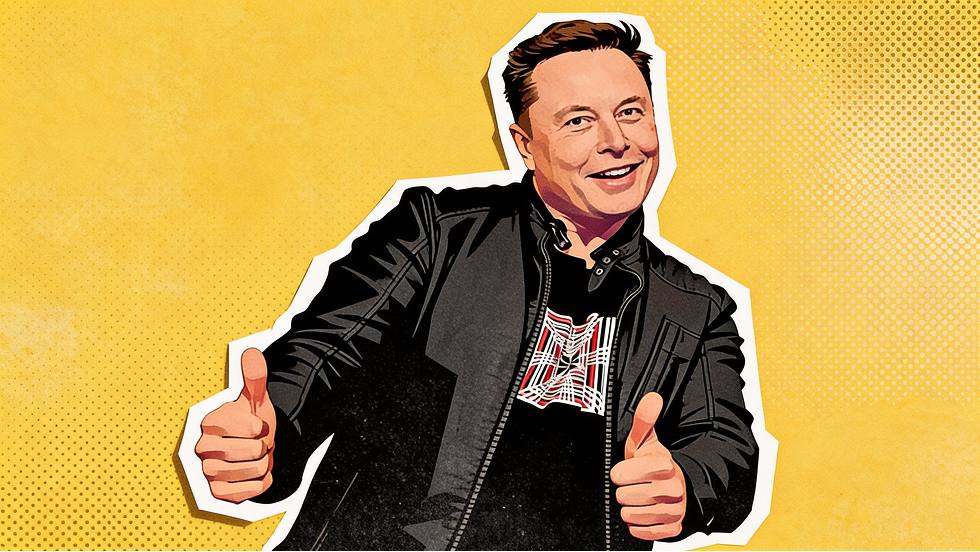
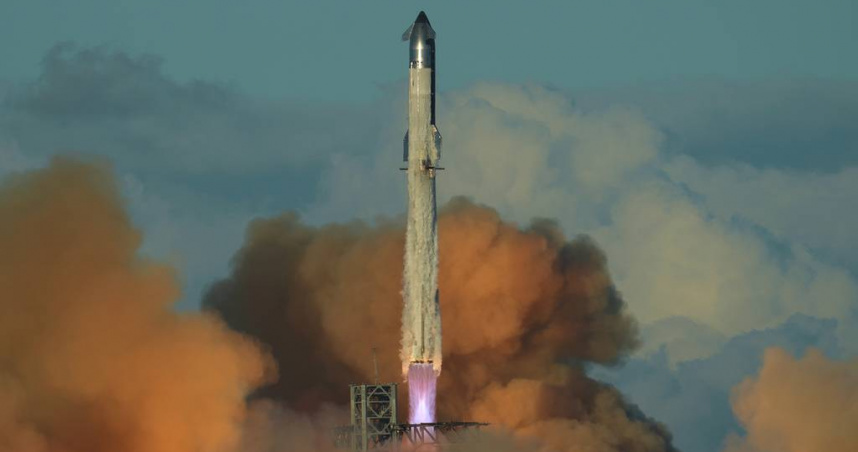
The $1.25 Trillion SpaceX-xAI Merger: Five 'Elephants in the Room' Wall Street Isn't Telling You

SpaceX and xAI's proposed $1.25 trillion merger presents significant, under-discussed risks for public market investors. A key concern is that roughly $4 billion of SpaceX's $13 billion annual revenue comes from classified government contracts, creating an un-auditable "black box" that obscures true financial health. Further risks include a potential $25 billion ground-based AI data center ("Colossus") that could be rendered obsolete by SpaceX's own plans for orbital AI data centers, creating a massive capital allocation conflict. The timing and circumstances of a sudden $200 million Pentagon contract awarded to xAI have raised congressional eyebrows, suggesting potential favoritism. Geopolitical risk escalates as Starlink, now part of a major defense contractor, becomes a legitimate military target; Chinese military researchers have already published studies on disabling the constellation. Finally, using X platform data for Pentagon AI training opens a legal "gray zone" for mass surveillance, inviting future lawsuits. The merger essentially bets on the U.S. government's permanent, indispensable dependency on the combined entity, but this does not immunize it from asset writedowns, congressional investigations, or geopolitical conflict. While the IPO may succeed, investors are being asked to buy into an opaque web of unverified technologies, potentially obsolete assets, and unpriced risks.

marsbit02/04 03:15

The $1.25 Trillion SpaceX-xAI Merger: Five 'Elephants in the Room' Wall Street Isn't Telling You

marsbit02/04 03:15

活动图片