Пропустив 20-кратный рост, я нашел глупый способ инвестировать в ИИ
Упустив 20-кратный рост, я нашел «глупый» метод инвестиций в ИИ.
ИИ — самый длинный инвестиционный цикл нашего поколения. Чтобы не упустить будущие возможности, нужно действовать не спеша, но целенаправленно: сейчас стоит создавать не портфель акций, а «портфель знаний». Для этого я начинаю систематическое исследование всей цепочки создания стоимости в ИИ, чтобы понять, кто зарабатывает, как движутся деньги и кто незаменим.
Ключевой вывод: капитал в технологических волнах распространяется по цепочке от базовой инфраструктуры к приложениям. В ИИ этот процесс уже виден: сначала выиграли чипы (NVIDIA), затем оптические соединения и энергоснабжение. Следующие волны затронут охлаждение, хранилища, специализированное производство, а затем приложения, энергетику и робототехнику. Более низкие уровни инфраструктуры имеют меньше игроков и более сильную переговорную позицию.
Вся экосистема ИИ делится на четыре основных слоя:
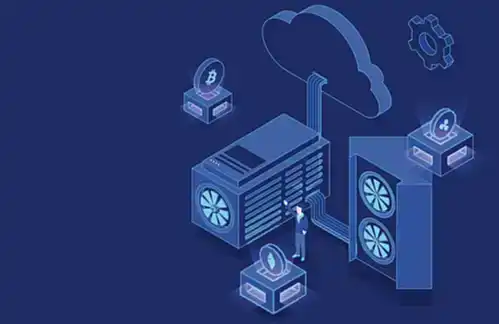
1. **Вычислительная инфраструктура («двигатель»):** дизайн и производство чипов (NVIDIA, TSMC), память (SK Hynix), оптические соединения, сети, охлаждение, центры обработки данных и облачные платформы.
2. **Модели и инструменты («операционная система»):** компании вроде OpenAI, Anthropic, Google, Meta и xAI. Происходит ключевой сдвиг: вычислительные затраты смещаются от *обучения* моделей к их *инференсу* (выполнению), что может изменить конкурентную динамику среди производителей чипов.
3. **Промежуточное ПО и платформы («связующий слой»):** инструменты для разработки, развертывания и оценки ИИ, такие как Hugging Face, Scale AI, LangChain.
4. **Вертикальные приложения («точка входа денег»):** корпоративные платформы (Palantir), инструменты для разработчиков (GitHub Copilot), медицинский ИИ, робототехника и автономные транспортные средства.
Над всем этим нависает **энергетика** как фундаментальное ограничение для роста ИИ.
Впереди — ключевые вопросы, на которые нужно искать ответы: как переход к инференсу изменит игроков? Где окупятся огромные капиталовложения? Какие возможности скрыты во «второй» и «третьей» волнах цепочки поставок? Как геополитика повлияет на две параллельные экосистемы?
Цель этого исследования — создать подробную карту, чтобы в момент рыночной возможности (будь то кризис или прорыв в отдельном сегменте) можно было за секунды принять обоснованное решение. Интуиция «убийцы» рождается из тысяч часов подготовки.
marsbit06/23 03:53