# Сопутствующие статьи по теме ETF

Новостной центр HTX предлагает последние статьи и углубленный анализ по "ETF", охватывающие рыночные тренды, новости проектов, развитие технологий и политику регулирования в криптоиндустрии.

On the Eve of the Bank of Japan's Interest Rate Hike, Why Did Bitcoin Fall First?

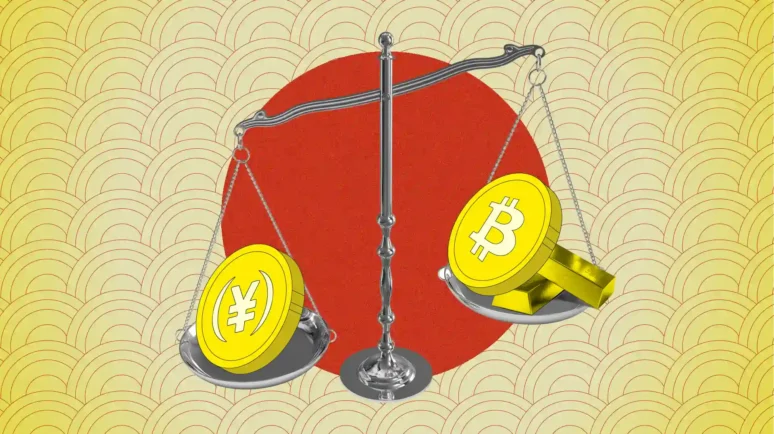
On December 15, Bitcoin fell over 5% to $85,616, while gold remained nearly unchanged. The drop was not due to crypto-specific news but was instead linked to expectations around the Bank of Japan’s (BOJ) upcoming interest rate decision. The BOJ was widely expected to raise rates from 0.5% to 0.75% on December 19—its highest rate in 30 years. This triggered a unwind of the "yen carry trade," a strategy where investors borrow cheap yen to invest in higher-yielding assets like U.S. stocks, bonds, and cryptocurrencies. Higher Japanese interest rates reduce the profitability of this trade, forcing global funds to sell assets—including Bitcoin—to repay yen-denominated loans. Bitcoin, being highly liquid and volatile, is often among the first to be sold. Historically, BOJ rate hikes have correlated with significant Bitcoin declines. For example, after the July 2024 hike, BTC fell 23% in a week. This reaction underscores Bitcoin’s shifting identity: once considered "digital gold," it now behaves more like a high-risk asset correlated with tech stocks. Since the approval of U.S. spot Bitcoin ETFs in early 2024, institutional investors have treated Bitcoin as part of a broader risk-asset portfolio, selling it alongside stocks during market stress. While the BOJ’s decision was largely anticipated, its wording could influence market volatility. If the bank signals further tightening, additional selling pressure may follow. However, some analysts believe the impact may be milder this time due to shifted market positioning and broader global liquidity conditions. In summary, Bitcoin’s decline ahead of the BOJ meeting reflects its increased sensitivity to global macro liquidity shifts. As institutional adoption grows, Bitcoin has become more integrated into traditional finance—gaining legitimacy but losing its earlier immunity to external monetary events.

marsbit12/17 07:20

On the Eve of the Bank of Japan's Interest Rate Hike, Why Did Bitcoin Fall First?

marsbit12/17 07:20

On the Eve of the Bank of Japan's Interest Rate Hike, Why Did Bitcoin Fall First?

On December 15, Bitcoin fell over 5% to $85,616, while gold remained almost unchanged. The drop was not driven by crypto-specific news but by expectations of the Bank of Japan (BOJ) raising interest rates on December 19—its highest rate in 30 years. The decline is linked to the unwinding of the "yen carry trade," where investors borrowed cheap yen to invest in higher-yielding assets like Bitcoin. BOJ rate hikes increase borrowing costs and strengthen the yen, forcing global funds to sell assets—including Bitcoin—to repay loans. Historically, Bitcoin has seen significant sell-offs following BOJ tightening moves, as it is often liquidated first due to its high liquidity and volatility. Bitcoin’s correlation with risk assets like the Nasdaq has risen sharply since the approval of U.S. spot Bitcoin ETFs, integrating it into traditional risk management frameworks. This has diminished its role as "digital gold" or a safe-haven asset, instead positioning it as a high-beta risk asset sensitive to global macro liquidity. While markets have largely priced in the expected rate hike, the BOJ’s forward guidance could determine the severity of further impacts. If the BOJ signals ongoing tightening, Bitcoin may face continued pressure. However, some analysts suggest the sell-off could be less severe than in previous instances due to shifted market positioning and broader Federal Reserve easing. In the ETF era, Bitcoin’s price is increasingly influenced by global macroeconomic events—making it more exposed to decisions made in Tokyo or Washington than to crypto-native factors.

深潮12/17 06:27

On the Eve of the Bank of Japan's Interest Rate Hike, Why Did Bitcoin Fall First?

深潮12/17 06:27

Will Bitcoin Return to $10,000? The Harsh Hypothesis from a Bloomberg Strategist Amid a Deflationary Cycle

Bitcoin faces mounting pressure, breaking below $90,000 and testing lows around $86,000, with most major cryptocurrencies also declining. Bloomberg Intelligence senior commodity strategist Mike McGlone presents a bearish outlook, suggesting Bitcoin could fall to $10,000 by 2026. He attributes this potential decline to a macro shift from inflation to deflation, where risk assets like Bitcoin may undergo significant repricing. McGlone emphasizes that Bitcoin is highly correlated with risk appetite and speculative cycles. He points to three key factors: mean reversion after extreme wealth creation, the Bitcoin/Gold ratio (which has already declined from over 30x to around 21x), and systemic oversupply of speculative crypto assets competing for limited risk capital. Not all analysts agree. Standard Chartered has revised its Bitcoin forecast downward but still expects prices around $100,000 in 2025. Glassnode notes current market stress resembles early 2022 conditions, while 10x Research warns that Bitcoin may be in the early stages of a bear market. The broader macro environment remains critical. Upcoming central bank decisions and economic data from the U.S., Europe, and Japan may determine whether deflationary pressures intensify, influencing risk assets globally. The Fed's recent rate cut and internal dissent highlight deepening policy uncertainty, making macro trends a decisive factor for Bitcoin's trajectory.

marsbit12/16 14:04

Will Bitcoin Return to $10,000? The Harsh Hypothesis from a Bloomberg Strategist Amid a Deflationary Cycle

marsbit12/16 14:04

Reviewing Past Bitcoin Bull Markets: Why the Four-Year Cycle Occurs and Is It Over?

The article examines Bitcoin's four-year market cycles, traditionally aligned with its halving events, and questions whether this pattern still holds. It outlines the typical cycle phases: accumulation (low volatility, long-term buying), pre-halving bullish anticipation, a parabolic bull run with retail FOMO and leverage, and a sharp correction leading to a bear market. Bitcoin halvings, which reduce mining rewards by half every four years, are highlighted as a core mechanism for creating scarcity, similar to precious metals. Past cycles (2013, 2017, 2021) are reviewed, each driven by distinct catalysts (e.g., Mt. Gox collapse, ICO boom, COVID-19 stimulus) and ending with crashes exceeding 80%. Reasons for the cycle include the stock-to-flow model (measuring scarcity), market psychology/self-fulfilling prophecies, and global liquidity conditions. The current 2025 cycle is noted for unprecedented institutional involvement via ETFs and corporate treasuries, causing Bitcoin to hit new highs before the 2024 halving with less retail participation. Arguments for the cycle's end cite increased adoption by disciplined institutions (reducing volatility), Bitcoin's growing correlation with macro factors like Fed policy, and the diminishing impact of each halving. Key indicators to watch for cycle validation include post-halving price surges, large leverage unwinds, and retail altcoin speculation. The conclusion states that while historical patterns are evident, Bitcoin's evolution into a mainstream asset makes future cycles potentially different. Only time will tell if the four-year cycle persists or becomes obsolete.

marsbit12/16 06:26

Reviewing Past Bitcoin Bull Markets: Why the Four-Year Cycle Occurs and Is It Over?

marsbit12/16 06:26

Bitcoin Drops Below $86,000, But Is the Decline Just Beginning?

Bitcoin fell below $86,000 over the weekend, extending a broader correction that has seen it decline more than 30% since its mid-October all-time high. The broader crypto market followed, with Ethereum, BNB, XRP, and SOL all posting losses. Bloomberg Intelligence senior commodity strategist Mike McGlone issued a stark warning in a new report, suggesting Bitcoin could potentially fall to $10,000 by 2026. His bearish outlook is not based on crypto-specific factors but is rooted in a macro view of an impending global economic inflection point from inflation to deflation. McGlone argues that as liquidity tightens and growth slows, risk assets like Bitcoin—which he views as highly speculative and correlated to market sentiment—will undergo significant repricing. He highlights three key factors: a mean reversion after extreme wealth creation, the declining Bitcoin-to-gold ratio (which has already dropped ~40% this year), and systemic oversupply of speculative crypto assets competing for limited risk budgets. This view contrasts with other institutional forecasts. While firms like Standard Chartered have also lowered their long-term Bitcoin price targets, they remain significantly higher than McGlone’s prediction. Analytics platform Glassnode notes that current market stress is reminiscent of early 2022, with unrealized losses nearing 10% of market cap, indicating a sensitive but not yet panic-driven sell-off phase. The article concludes that Bitcoin's trajectory is now deeply tied to global macro conditions. Upcoming central bank decisions and economic data releases from the ECB, BOE, BOJ, and the U.S. will be critical in shaping expectations for monetary policy in 2026 and determining the direction of risk assets.

marsbit12/16 03:19

Bitcoin Drops Below $86,000, But Is the Decline Just Beginning?

marsbit12/16 03:19

活动图片