Две новости практически одновременно облетели Кремниевую долину.
Первая: Anthropic, как ожидается, достигнет продаж в размере 109 миллиардов долларов в этом квартале, впервые получив квартальную прибыль.
Вторая: OpenAI ускоряет процесс IPO, планируя в ближайшие недели подать секретную заявку на первичное публичное размещение акций и выйти на биржу осенью с потенциальной оценкой в триллион долларов.
После этого сообщения акции SoftBank Group взлетели почти на 20% внутри дня, а рыночная капитализация выросла примерно на 240 миллиардов юаней за день.
С одной стороны, компания только достигла уровня прибыльности, с другой — все еще работает в убыток, спеша на биржу. Если оглянуться на кадровые изменения двумя днями ранее, логика становится ясной —
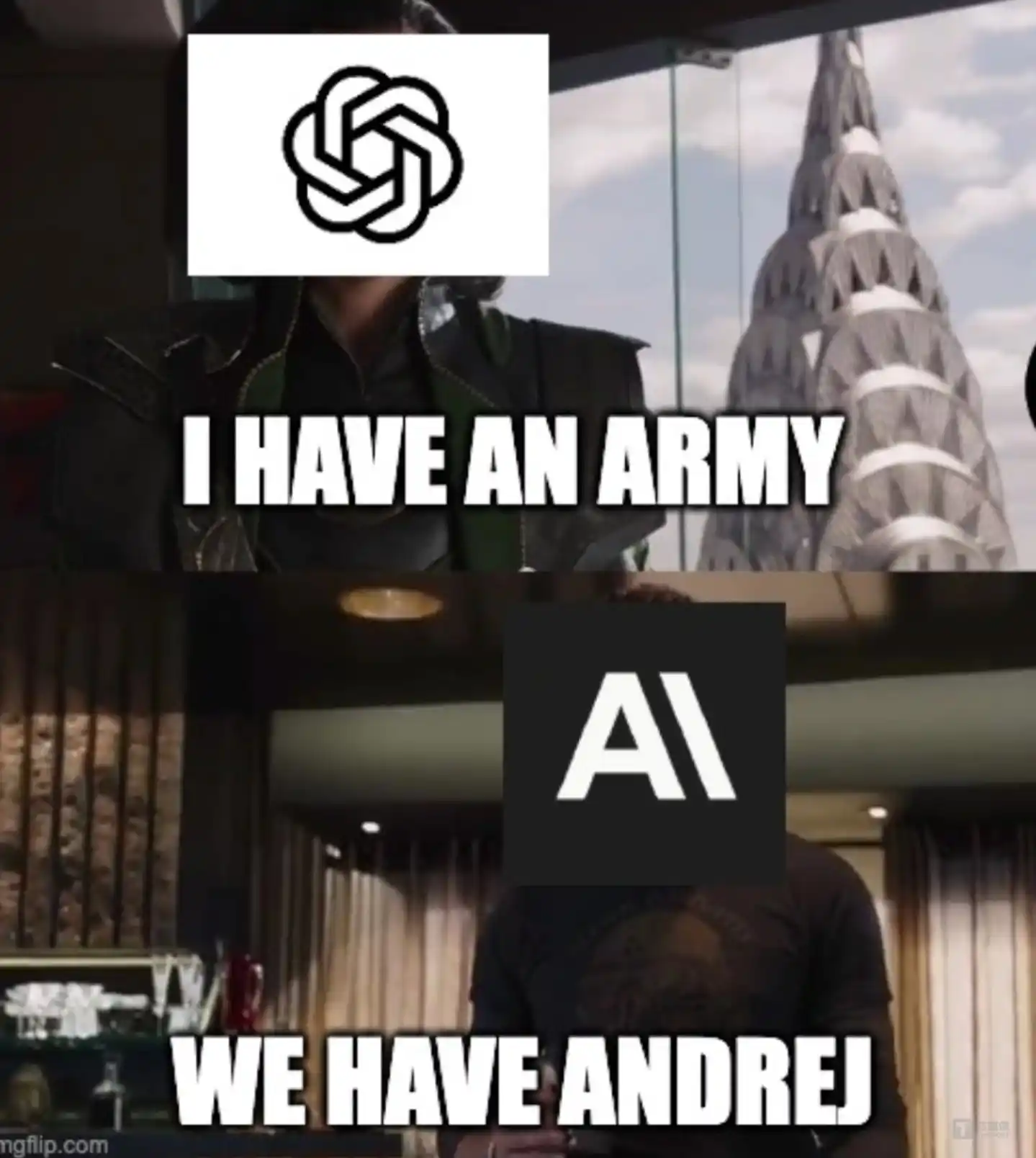
19 мая бывший соучредитель OpenAI Андрей Карпати (Andrej Karpathy) объявил в X: переходит на полную ставку в Anthropic.
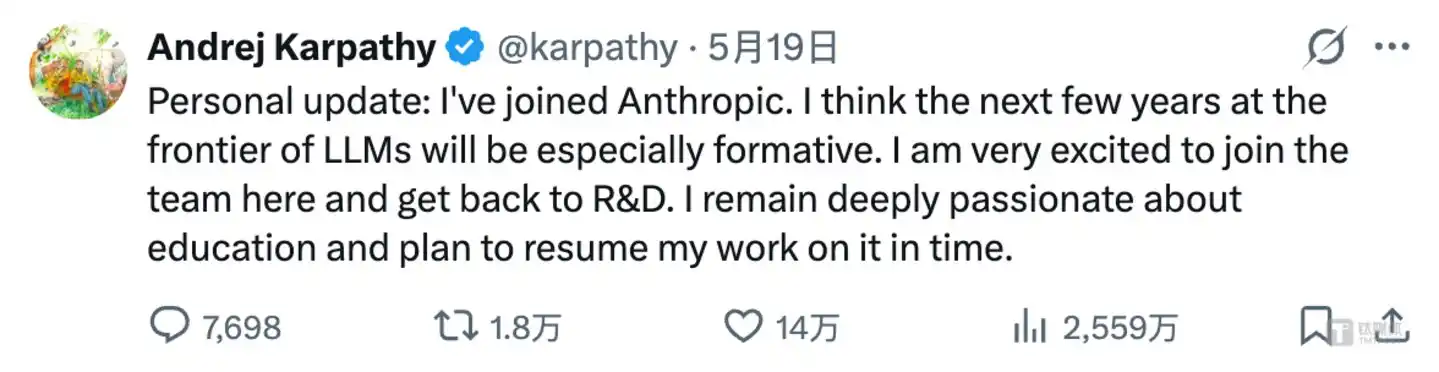
Это не обычный переход на другую работу.
Сегодня OpenAI уже является самой крупной компанией в области ИИ на рынке капитала.
Она только что завершила финансирование в размере 122 миллиарда долларов с оценкой в 852 миллиарда долларов.
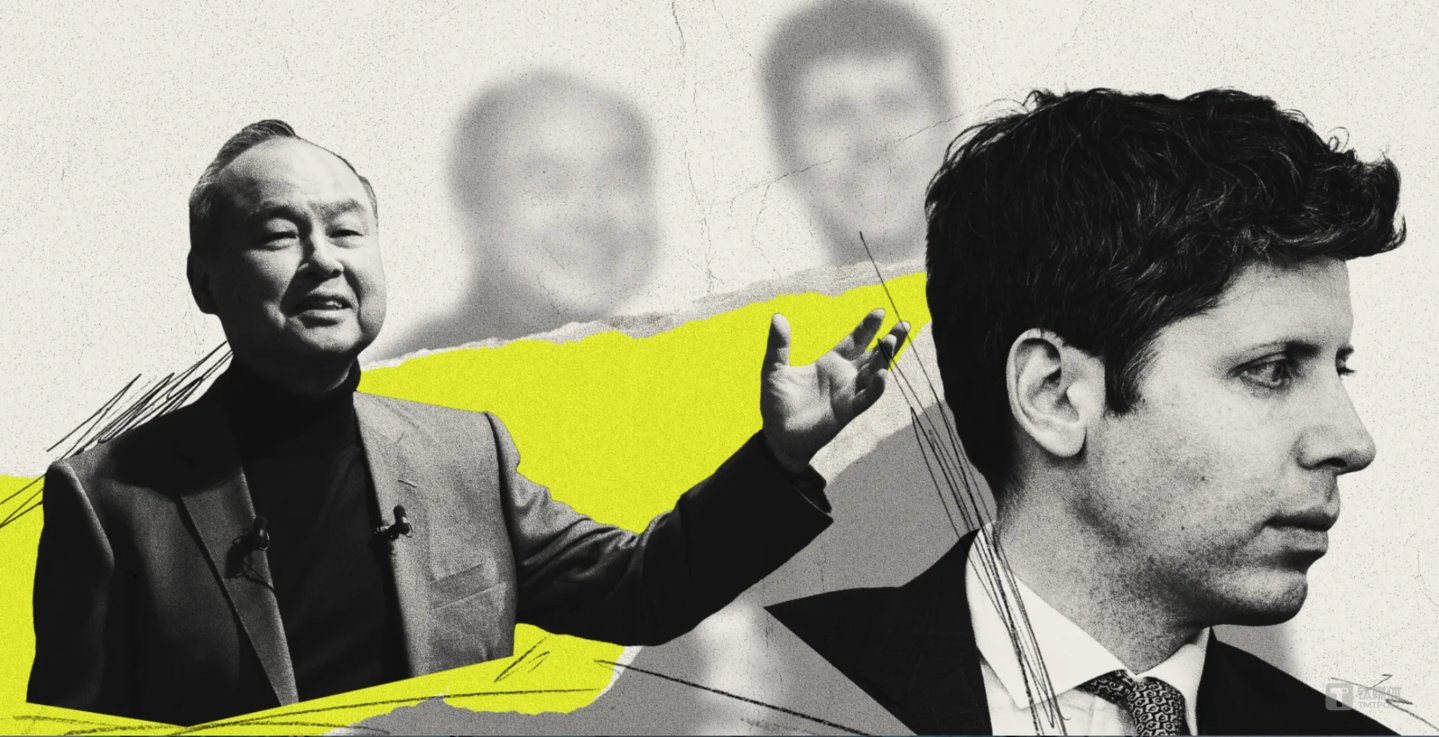
Масаёси Сон из японской SoftBank, несмотря на сопротивление внутренних руководителей, сконцентрировал более 600 миллиардов долларов, поставив на OpenAI.
Но внутри компании происходит другое:
Из 11 соучредителей, подписавших стартап-соглашение в скромном офисе, сегодня остались только двое — генеральный директор Сэм Альтман (Sam Altman) и президент Грег Брокман (Greg Brockman).
Капитал собирается все больше, а ключевых основателей становится все меньше.
За этим стоит не только «несогласие во взглядах», это больше похоже на результат борьбы направлений, конкуренции за вычислительные мощности и игры гигантов.
Кто такой Карпати? Почему он выбрал Anthropic
Чтобы понять это, нужно знать место Карпати в индустрии ИИ.
В глазах ведущих инвесторов он не просто технический менеджер, а скорее ключевая фигура, способная напрямую влиять на темпы разработки — в какую компанию он идет, там и меняется скорость итерации моделей.
39-летний Карпати действительно имеет выдающееся резюме.
Получив докторскую степень в Стэнфорде под руководством Ли Фэйфэй, он участвовал в создании первого курса по глубокому обучению в Стэнфорде.
Но настоящую известность ему принесли пять лет в Tesla.
В 2017 году он покинул OpenAI, чтобы присоединиться к Tesla, а в 2023 году ненадолго вернулся в OpenAI.

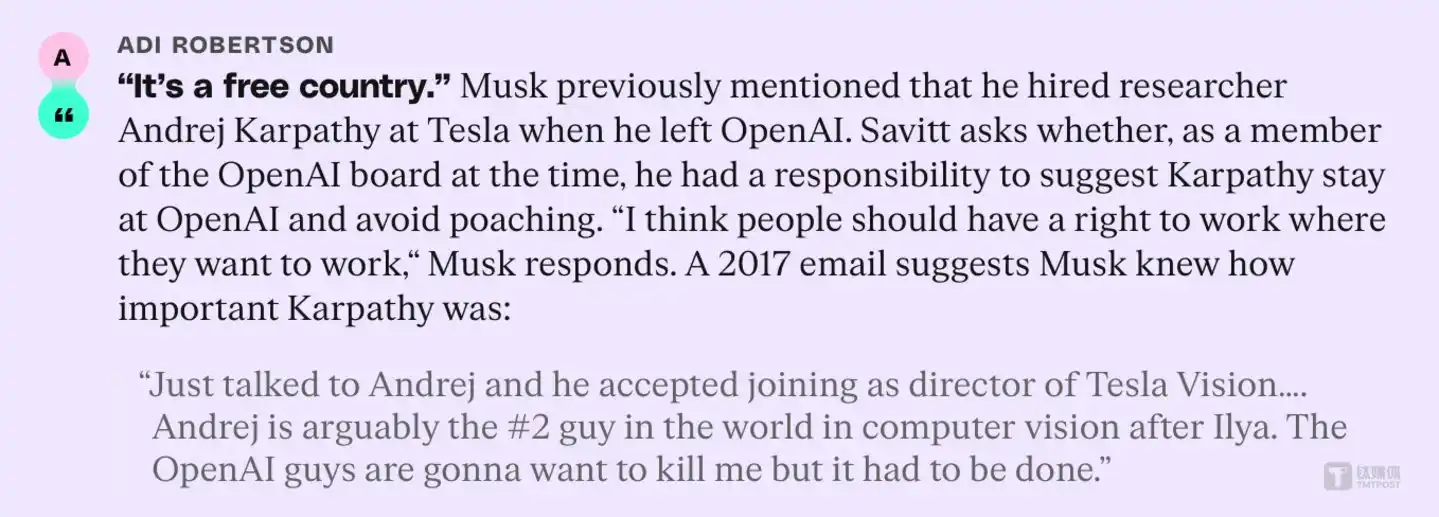
В 2017 году Маск, тогда еще член совета директоров OpenAI, в обход руководства OpenAI напрямую переманил Карпати в Tesla, чтобы возглавить направление ИИ и компьютерного зрения для автопилота. Судебные доказательства показали, что эта операция вызвала недовольство со стороны OpenAI в то время.
В Tesla Карпати занимался не только написанием статей.
Он с нуля построил инженерную систему для автопилота, включая создание команды аннотации данных и развертывание нейронных сетей на собственных чипах Tesla.
Популярная в технологических кругах в последние два года концепция «Vibe Coding» (атмосферное программирование) также стала популярной благодаря ему.
Так что же он будет делать сейчас в Anthropic?
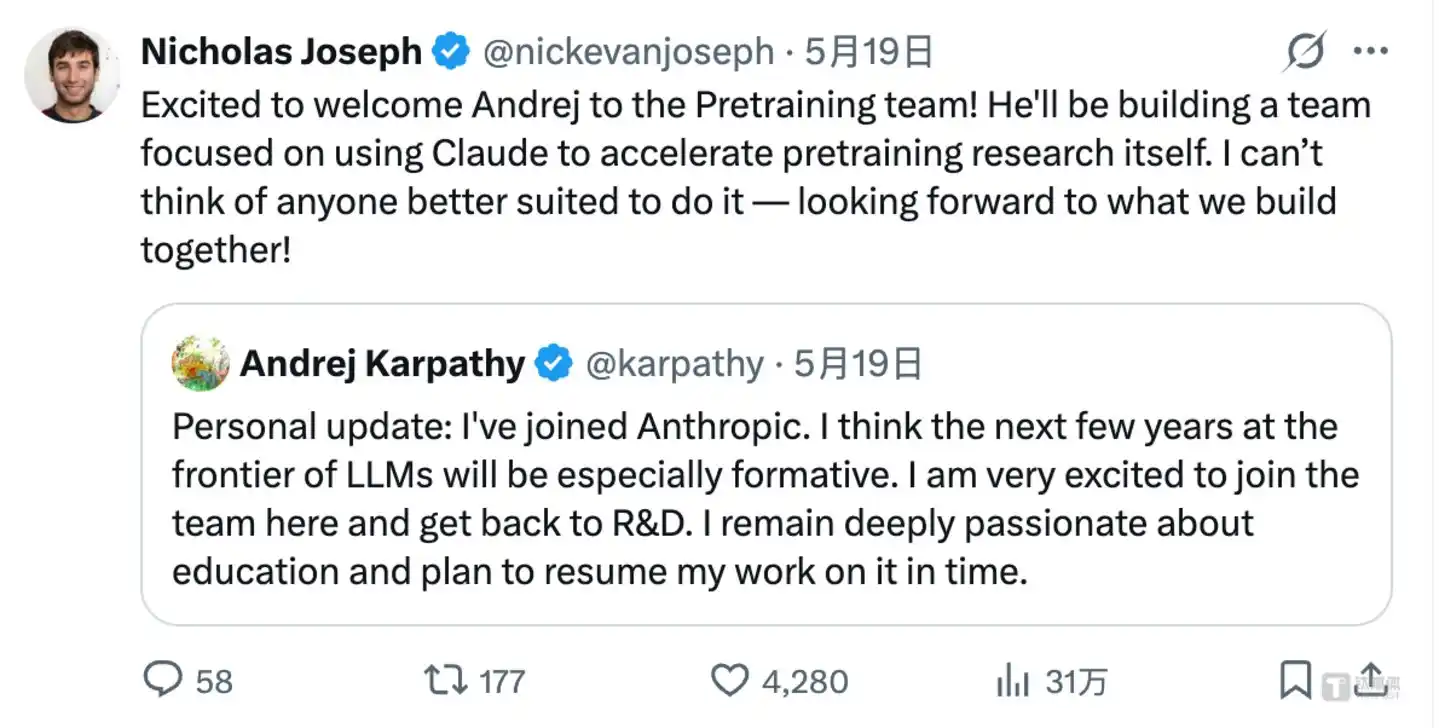
Ответ: присоединится к команде предварительного обучения, чтобы использовать Claude для ускорения предварительного обучения следующего поколения моделей.
Проще говоря, сейчас OpenAI обучает большие модели в основном за счет наращивания вычислительной мощности — одновременной работы большого количества GPU Nvidia, соревнуясь, кто может позволить себе больше затрат на электроэнергию и оборудование.
То, что Карпати хочет сделать в Anthropic, — это задействовать Claude для ускорения самого процесса обучения.
Если этот путь окажется успешным, стоимость обучения больших моделей значительно снизится.
Выбор Карпати фактически передает сигнал: с точки зрения людей, реально занимающихся инженерной работой, путь, основанный исключительно на сжигании денег для наращивания вычислительной мощности, подходит к концу, а использование моделей для помощи в обучении — более реалистичное направление.
Потребление вычислительной мощности и "тень WeWork"
Последовательный уход ключевых талантов часто связан с направлением деятельности компании.
Сегодня OpenAI из некоммерческой исследовательской организации раннего этапа превратилась в компанию, находящуюся под давлением доходов.
По состоянию на февраль 2026 года годовой доход OpenAI превысил 25 миллиардов долларов.
Но затраты на вычислительную мощность растут еще быстрее.
Согласно прогнозам информированных источников, на которые ссылается Reuters в 2024 году, OpenAI в 2026 году может столкнуться с убытками до 14 миллиардов долларов, а положительный денежный поток ожидается только к 2029 году. Этот прогноз еще не был обновлен и подтвержден.
Вычислительная мощность — это основной актив, который быстро обесценивается. Чтобы контролировать убытки, OpenAI начала сокращать нерентабельные направления бизнеса.
Проект Sora по генерации видео был закрыт в марте этого года из-за ежедневных затрат на серверы около 1 миллиона долларов и несоответствия ожиданий роста пользователей.
Научное подразделение OpenAI for Science, созданное в 2025 году, также было расформировано, а команда включена в другие продуктовые линейки.
Эти корректировки, с одной стороны, направлены на соответствие требованиям перехода в 2025 году на статус «компании, служащей общественным интересам (PBC)», с другой — являются подготовкой к IPO. Но для ученых, присоединившихся ради технологических идеалов, приоритеты компании уже изменились.
И именно в этот момент Сон решил увеличить ставку.

За последний год SoftBank через различные каналы инвестировала в OpenAI более 600 миллиардов долларов.
Внутри SoftBank это вызвало большие споры.
Несколько руководителей в частном порядке считают, что концентрация такого объема средств на одной непубличной компании слишком рискованна.
Для привлечения средств SoftBank продала часть активов, включая акции Nvidia. В то же время Vision Fund сократила около 20% сотрудников, перераспределив ресурсы в сторону направления ИИ.
Руководители SoftBank опасаются повторения истории WeWork.
Тогда Сон поверил в бизнес-историю WeWork и в конечном итоге потерял десятки миллиардов. По сообщению Bloomberg, некоторые инсайдеры описывают отношение Сона к Альтману на этот раз словом «starstruck» — точно так же, как и к основателю WeWork.
Инвестировав 600 миллиардов долларов, SoftBank не получила реального места в совете директоров OpenAI. Но Сон уже упустил предыдущую волну интернет-бума и не хочет снова упустить ИИ. По его мнению, эти убытки — цена за входной билет на «базовый интеллект».
И как только появились новости о IPO OpenAI, рыночная капитализация SoftBank за день выросла на 240 миллиардов юаней — по крайней мере, на данный момент, эта ставка не оказалась убыточной.
Карта вычислительной мощности Маска
В этой игре самый искусный создатель проблем — это, конечно, Маск.
Он был одним из первых соучредителей OpenAI, а теперь и самым прямым конкурентом.
В мае этого года Маск проиграл судебный процесс против OpenAI за отклонение от первоначальных целей, так как истек срок исковой давности.
Но в ходе судебного разбирательства была раскрыта информация: именно Маск изначально хотел превратить OpenAI в коммерческую компанию.
Он просчитал — план колонизации Марса требует около 80 миллиардов долларов, и контроль над компанией AGI был для него способом привлечения средств.
Не получив контроля, он решил уйти, прекратить финансирование и одновременно переманил Карпати.
Хотя суд был проигран, Маск быстро предпринял действия на уровне вычислительных мощностей.
В начале мая Маск объявил о слиянии xAI со SpaceX. Затем SpaceX сдала в аренду Anthropic свой вычислительный центр Colossus 1 в Мемфисе, штат Теннесси, — оснащенный более чем 220 000 GPU Nvidia. Согласно проспекту IPO SpaceX, общая сумма этого контракта на аренду составляет от 40 до 45 миллиардов долларов.
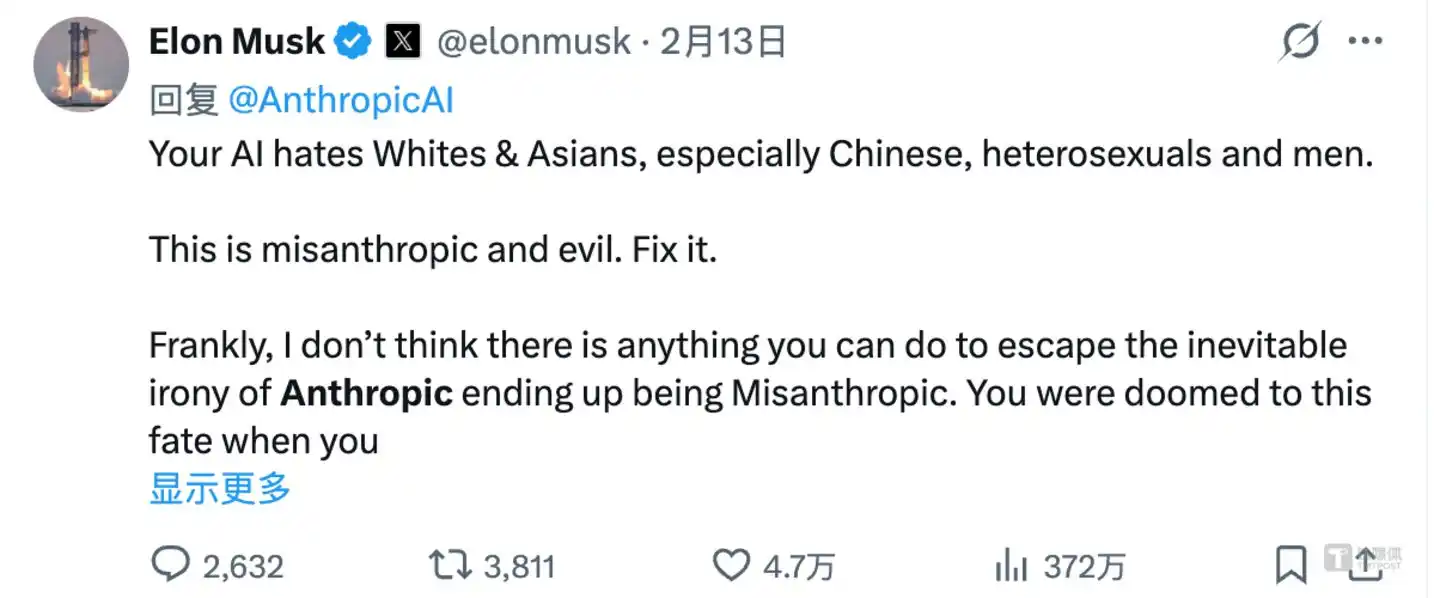

Всего несколько месяцев назад Маск в X публично называл Anthropic «человеконенавистнической и злой» (misanthropic and evil).
Но перед лицом коммерческих интересов позиции можно менять в любое время.
Маск уловил слабое место OpenAI — вычислительную мощность.
Сдача вычислительного центра в аренду Anthropic, с одной стороны, приносит высокую арендную плату, с другой — косвенно усиливает возможности конкурента OpenAI, создавая косвенное давление на саму OpenAI.
Ужасающий ответный удар Anthropic
Anthropic, получившая достаточные вычислительные мощности, действительно ускоряет свои результаты.
В апреле 2026 года Anthropic объявила, что ее годовой доход превысил 30 миллиардов долларов, впервые превзойдя по масштабу OpenAI (около 25 миллиардов долларов).
К 21 мая Wall Street Journal дополнительно раскрыла: Anthropic, как ожидается, достигнет продаж в размере 109 миллиардов долларов во втором квартале, впервые получив квартальную прибыль.
Для сравнения, Salesforce потребовалось более двадцати лет, чтобы достичь аналогичного уровня доходов. Anthropic от создания в 2021 году до сегодняшнего дня — менее пяти лет.
Еще более важным является контроль затрат.
Линейка продуктов Anthropic относительно сосредоточена, в основном на корпоративной генерации кода и интеллектуальных агентах, без выхода на такие области, как генерация видео для конечных пользователей, а стоимость обучения моделей составляет примерно лишь четверть от затрат OpenAI.
Более высокий доход, более низкие расходы — вот текущее преимущество Anthropic.
Для такого человека, как Карпати, долгое время занимающегося практической реализацией проектов, такая разница убедительна.
От выбора Карпати до игры гигантов за вычислительные мощности, этот раунд конкуренции передает сигнал: порог для базового обучения больших моделей уже очень высок, и обычным предпринимателям трудно найти возможности в области общих моделей. Более прагматичный путь — либо, как Anthropic, сосредоточиться на конкретных B2B-сценариях — например, использовании ИИ для решения таких рабочих процессов, как генерация кода, где есть четкая готовность платить; либо поиск нишевых возможностей в таких направлениях, как обучение с помощью ИИ, синтетические данные. Стоимость вычислительной мощности определяет, кто выживет в этом раунде — это самый базовый расчет.
(Эта статья впервые была опубликована в приложении Titanium Media APP, автор | Silicon Valley Tech_news, редактор | Линь Шэнь)