Автор: Curry, Deep Tide TechFlow
2 года назад агенты FBI под видом основательской команды инвестиционного проекта на стыке "AI и финансов" выпустили на Ethereum токен под названием NexFundAI, создали для него сайт, техническую документацию и бизнес-план, выглядящие неотличимо от любого нормального проекта на рынке.
А затем они обратились к маркет-мейкерам для поддержания ликвидности.
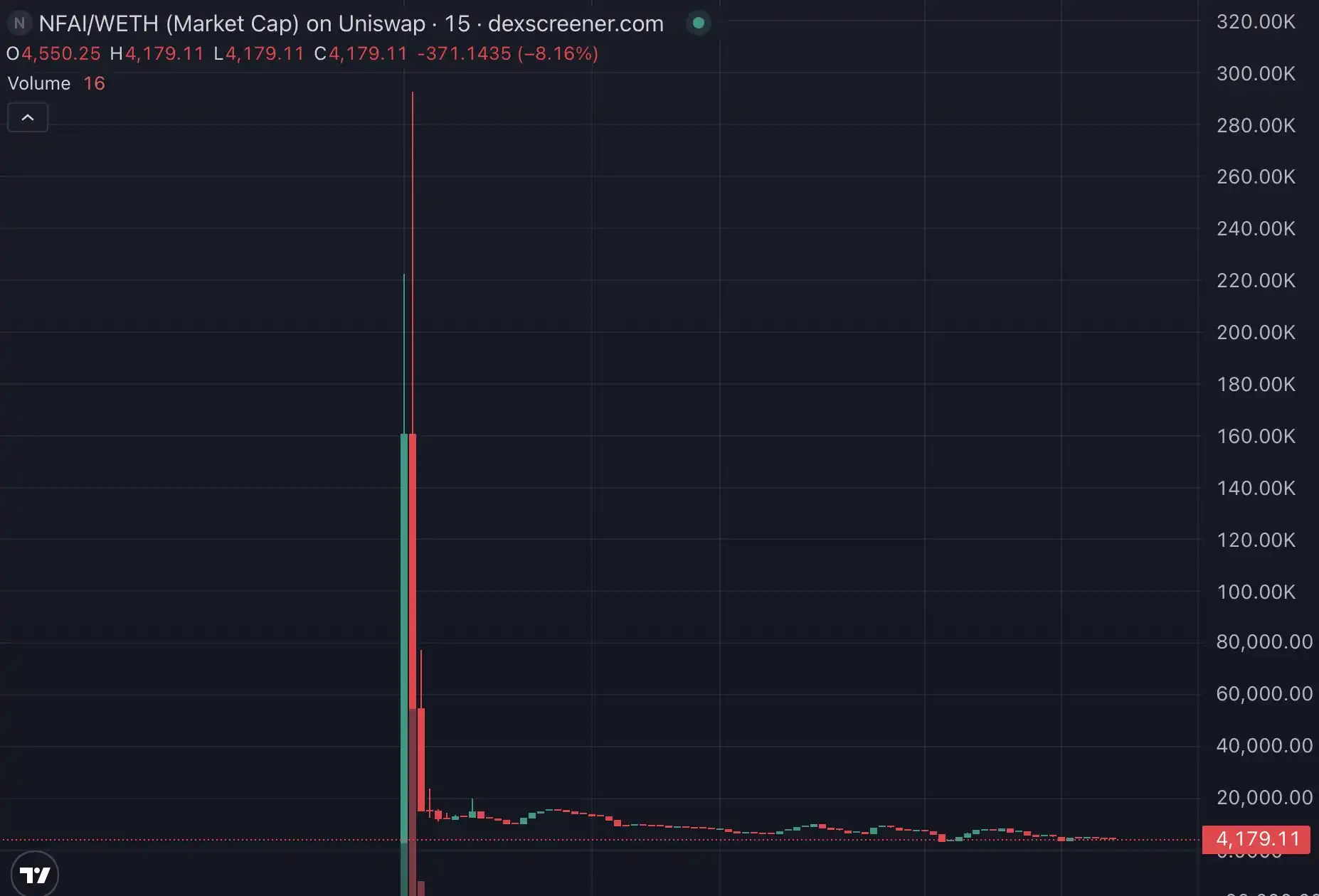
Одна из функций маркет-мейкеров — иногда помогать проектам накручивать торговый оборот. На профессиональном жаргоне это называется "volume support", а по-русски — накрутка объёмов.
Подставные агенты FBI по очереди связались с несколькими известными маркет-мейкерами, напрямую заявив: у нас новый проект, нужна помощь, чтобы поднять торговые объёмы.
Согласно описанию в обвинительном акте, опубликованном Министерством юстиции США, каждый из них ответил: хорошо.
Никто не спросил, легален ли проект, никто не спросил, есть ли у токена реальная полезность, никто не спросил, является ли такая деятельность незаконной. Согласно судебным документам, обнародованным Министерством юстиции США, все четыре маркет-мейкера — Gotbit, ZM Quant, CLS Global, MyTrade — приняли заказ.
Один из основателей одной из компаний во время встречи с подставным агентом, не зная о включённом диктофоне, назвал себя "мастером-стратегом". Он подробно объяснил, как его компания использует ботов для одновременного выставления ордеров на покупку и продажу для создания ложных торговых объёмов, как рисует графики, похожие на американские горки, чтобы привлечь мелких инвесторов.
Затем он произнёс фразу, которую FBI дословно зафиксировал. Согласно Cointelegraph, цитирующему оригинал обвинительного акта, он сказал:
Мы должны заставить их терять деньги, чтобы мы могли зарабатывать.
«Они» — это мелкие инвесторы.
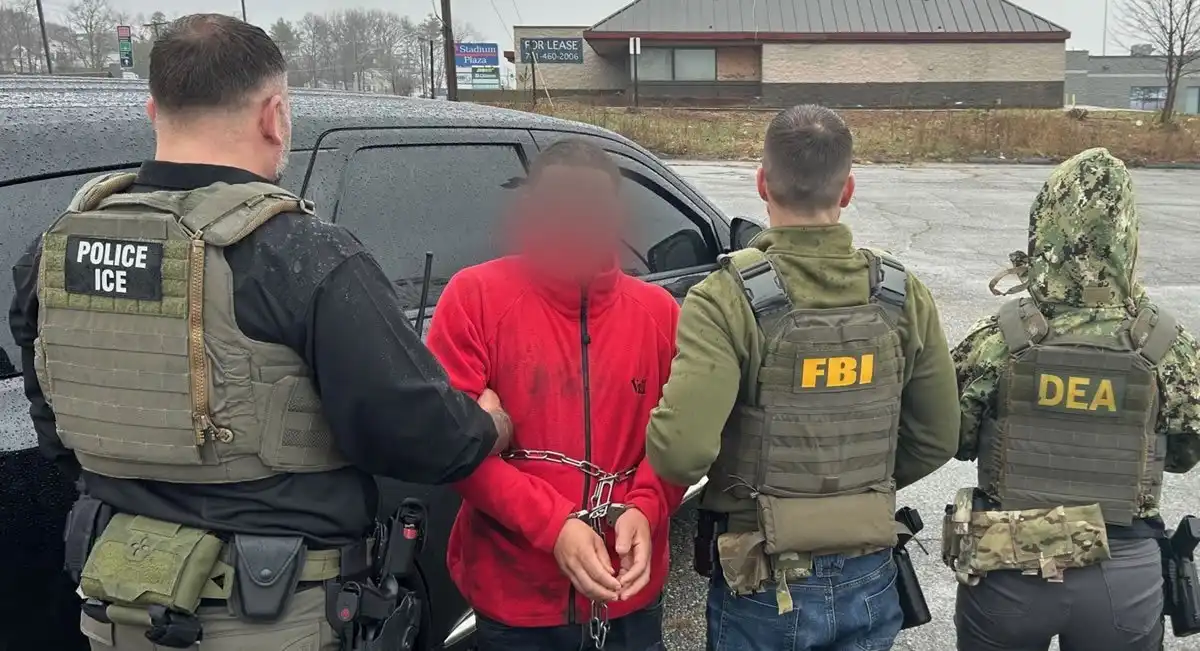
Эта операция получила кодовое название Operation Token Mirrors. Согласно заявлению Министерства юстиции США от 9 октября 2024 года, первоначально было предъявлено обвинение 18 лицам, арестовано криптоактивов на сумму более 25 миллионов долларов. Согласно заявлению IRS от 30 марта этого года, обвинения были предъявлены ещё 10 лицам, трое из которых были экстрадированы в США из Сингапура.
Два года, три континента, 28 человек. Это крупнейшая правоохранительная операция по борьбе с манипулированием рынком в истории криптовалют. И она ещё не закончена.
Один прайс-лист
Как именно работали эти маркет-мейкеры?
Согласно обвинительному акту Министерства юстиции США, основатель Gotbit Андриунин поддерживал в компании электронную таблицу с двумя колонками данных: одна называлась "Created Volume" (Созданный объём), другая — "Market Volume" (Рыночный объём).
Проще говоря, одна колонка — это накрученный ими фальшивый объём, другая — реальные рыночные сделки.
В 2019 году в интервью CoinDesk, будучи студентом второго курса МГУ, он в 20 лет уже подробно объяснял перед камерой, как пишет код для накрутки объёмов, как помогает клиентам поднять свои токены в топ-чартах CoinMarketCap. Согласно оригиналу CoinDesk, он сам назвал этот бизнес "not entirely ethical" — не совсем этичным.
После выхода интервью он не получил ни одного повестки, зато привлёк пять новых клиентов.
К моменту ареста в 2024 году Gotbit работал уже шесть лет, обслуживая проекты по всему миру. Согласно приговору Министерства юстиции США, Андриунин был приговорён к 8 месяцам тюрьмы, Gotbit был распущен, а его криптоактивы на сумму около 23 миллионов долларов были конфискованы.
Gotbit был не самым дешёвым.
Согласно расценкам другого маркет-мейкера, раскрытым в обвинительном акте, создание дневного торгового объёма в 100 миллионов долларов стоило около 200 долларов. Согласно судебным документам, процитированным Cointelegraph, сотрудник ZM Quant в разговоре с подставным агентом FBI объяснил: "Мы используем от тысячи до двух тысяч кошельков, совершая сделки десять раз в час или десять раз в минуту, чтобы достичь целевого торгового объёма."
Стоимость каждой сделки составляла примерно 3 доллара.
А CLS Global пошёл ещё дальше. Согласно документам расследования SEC, эта компания, зарегистрированная в ОАЭ, использовала 30 кошельков для проведения 740 ложных сделок, создав почти 600 000 долларов фальшивого объёма, что составило 98% от общего объёма торгов поддельным токеном NexFundAI, созданным FBI, за тот же период.
7,5 миллиардов долларов воздуха
Маркет-мейкеры — это лишь инструмент, а те, кто их нанимал, — главные герои.
Согласно обвинительному акту Министерства юстиции США, крупнейшим клиентом, выявленным в ходе этой операции-провокации FBI, стала компания Saitama, зарегистрированная в Массачусетсе в 2021 году, с пиковой рыночной капитализацией, по заявлениям, в 75 миллиардов долларов.
Что такое 75 миллиардов долларов? Это больше, чем у многих реальных компаний, котирующихся на Nasdaq в то время.
Но как, согласно описанию в обвинительном акте, появилась эта цифра? Начиная с июля 2021 года, руководство Saitama координировало действия в Telegram-чатах, используя множество кошельков для размещения небольших ордеров на покупку, создавая видимость "массового притока новых покупателей".
Согласно переписке в Telegram, приведённой в обвинительном акте, один из ключевых участников объяснял цель операции: "Мы хотим, чтобы эти небольшие заявки на покупку выглядели как больше покупателей, вот и весь план".
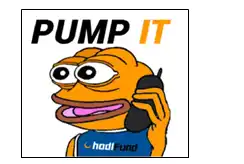
В переписке также были их взаимные подтверждения покупок и праздничные стикеры/гифки "PUMP IT", которые они отправляли, радуясь, что мелкие инвесторы поддаются ажиотажу.
Согласно тому же обвинительному акту, Saitama затем заплатила маркет-мейкерам, включая ZM Quant и Gotbit, за крупномасштабную накрутку объёмов на таких биржах, как BitMart и LBank. После того как капитализация была искусственно завышена, руководство тихо продало принадлежащие им токены, обналичив десятки миллионов долларов. Согласно сообщению DOJ, CEO Saitama был арестован в Великобритании, ещё пятеро бывших и действующих сотрудников были обвинены, трое из них признали вину.
Saitama — не единственная.
Согласно тому же обвинительному акту, проект под названием Lillian Finance был основан 48-летним Брэдли Битти из Флориды. Он представлялся публике как подрядчик министерства обороны, утверждал, что выступал в Конгрессе по вопросам криптовалют, и обещал, что часть выручки от продажи токенов пойдёт на благотворительность для помощи больным детям.
Согласно обвинительному акту, все эти заявления были выдуманы. Битти положил в свой карман прибыль, которая должна была пойти на благотворительность.
Подрядчик минобороны, выступление в Конгрессе, детская медицинская благотворительность — вам нужно лишь придумать достаточно трогательную историю и нанять маркет-мейкера, который нарисует красивый график, чтобы вызвать FOMO у некоторых людей.
Оглядываясь на эти дела, больше всего поражает не то, насколько изощрённым был обман, а как раз наоборот — насколько он был примитивен.
Монета от FBI — довольно официальная
После завершения операции FBI сделал одну вещь.
Согласно сообщению Министерства юстиции США, сайт NexFundAI всё ещё работает, но вверху появилась баннерная строка: "Данный веб-сайт был создан под руководством Федерального бюро расследований для расследования мошенничества с криптовалютами и манипулирования рынком." Под баннером есть ссылка на полный текст обвинительного акта DOJ.
FBI также специально открыл канал для регистрации пострадавших. Согласно оригинальному сообщению DOJ, любой, кто потерял деньги на NexFundAI или связанных с ним токенах, может заполнить форму для подачи заявления на компенсацию и правовую защиту.
FBI выпустил токен, после операции добровольно раскрыл информацию и даже открыл канал компенсации для тех, кто потерял деньги; по сравнению с теми проектами, которые были пойманы в ходе этой операции, процесс, возможно, оказался гораздо более официальным.
Самое абсурдное произошло позже.
Согласно отчёту компании по анализу блокчейна TRM Labs, менее чем через 24 часа после публикации сообщения DOJ кто-то клонировал смарт-контракт NexFundAI от FBI и выпустил поддельную версию токена. Этот человек, начав примерно с 2300 долларов, вывел более 52 ETH в течение 24 часов, что по тогдашнему курсу эквивалентно примерно 127 000 долларов.
FBI с помощью поддельного токена доказал, что маркет-мейкеры занимаются накруткой, и в тот же день рынок, усвоив эту новость, ответил тем, что тем же методом создал новый мем-токен и снова заработал. Правоприменению понадобилось два года, а рынку потребовалось два часа, чтобы переварить всю историю, — и он сделал это, выпустив новый токен-пустышку.
Так что в следующий раз, когда вы увидите внезапно взлетевший мем-токен, возможно, стоит задуматься, это спектакль или реальная торговля.
Конечно, есть вероятность, что это FBI.