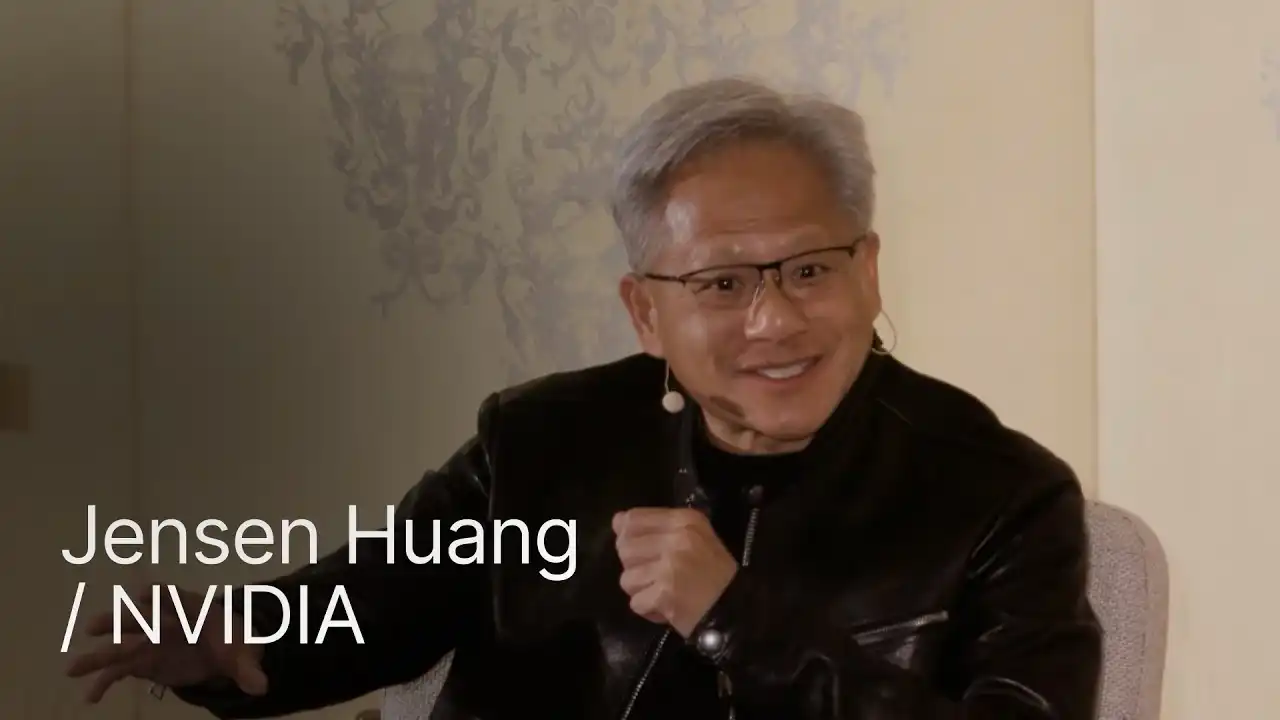
Источник: Sequoia Capital
Перевод: Yuliya, PANews
Примечание редактора: В прошлом наши центры обработки данных просто хранили файлы для поиска людьми; теперь вычисления движутся к генерации — каждое слово, каждое изображение, каждое видео генерируются в реальном времени и настраиваются под контекст запрашивающего. В этом глобальном тренде партнер Sequoia Capital Константин Булер (Konstantine Buhler) провел углубленную беседу с основателем и генеральным директором NVIDIA Джейнсеном Хуангом (Jensen Huang), обсудив важные изменения в вычислительных технологиях. По мнению Хуанга, автоматизация ведет не к безработице, а к всеобщему повышению спроса на рабочую силу и повышению уровня профессий как таковых; люди не потеряют работу из-за ИИ, но могут быть заменены теми, кто умеет эффективно его использовать.
ИИ-фабрики и смена поколений вычислительных моделей: от поиска к генерации
Константин: Большое спасибо, что пришли, Джейнсен. Мы находимся в разгаре масштабной ИИ-революции, чьи размеры и скорость, возможно, превосходят даже промышленную революцию. Вы ранее заявляли, что сейчас происходит крупнейшее в истории человечества строительство инфраструктуры. В центре этого строительства находятся ИИ-фабрики, а компания, обеспечивающая это всё, — NVIDIA. Можете ли вы рассказать нам, что такое ИИ-фабрика? Почему это самое выгодное вложение для всех предприятий на ближайшее десятилетие?
Джейнсен Хуанг: Понимание ИИ может быть разным. Для широкой публики наиболее знакомым, вероятно, является взаимодействие через веб-браузер с чат-ботом: вы даете ему промпт (Prompt), он отвечает вам текстом. Даже если вы используете ИИ какое-то время, вы заметили, что за последние два-три года его возможности значительно эволюционировали.
Два года назад все услышали о ChatGPT. По своей сути, это компьютерная программа, способная понять введенную вами информацию. Она может воспринимать, понимать информацию и преобразовывать/генерировать ее в другой контент. Например, вы можете дать ей PDF-файл и попросить его резюмировать — это текст в текст; вы также можете попросить ее сгенерировать изображение по истории — это текст в изображение; или дать ей фотографию и попросить описать ее — это изображение в текст. Эта способность два года назад называлась генеративным ИИ.
Но поверх понимания и генерации, еще более ценна способность мыслить. Фундамент генеративного ИИ наделяет его внутренним мышлением, способностью постепенно рассуждать и решать проблемы. Более того, теперь он также может генерировать управляющие инструкции для использования инструментов — будь то использование браузера, электронных таблиц, Photoshop, AutoCAD и других цифровых инструментов, или, в будущем, управление механическими системами (что и есть робототехника и беспилотные автомобили).
Два года назад все считали ChatGPT интересным, он мог писать стихи и песни, но иногда и нес вздор; сегодня же у нас появились агентские системы (Agentic systems). ИИ больше не просто понимает информацию, теперь он способен рассуждать и выполнять полезную работу. Поскольку он может выполнять полезную работу, ИИ создает реальную коммерческую ценность. Мы не будем платить друзьям, которые только болтают, но мы платим тем, кто действительно работает. Сейчас люди ежедневно нанимают ИИ почасово, например, платя ему 20-30 долларов в час. Вот почему это самый быстрорастущий программный бизнес в истории человечества.
Если смотреть на логику вверх по потоку отрасли, мы должны вернуться к первопринципам. Компьютерная индустрия, которую мы знаем сегодня, основана на концепциях, определенных примерно 64 года назад. Тогда IBM представила System/360, что и стало причиной превращения IBM в самую ценную компанию в мире в то время.
На протяжении последних 60 лет суть вычислений заключалась в предварительной записи и поиске: вы пишете историю, делаете фото, записываете видео, сохраняете в файл на жесткий диск; когда нужно, вы извлекаете его из диска. Вот почему эти здания называются центрами обработки данных (Data centers). Они просто хранят данные, а не выполняют много вычислений.
Но сейчас ситуация изменилась. В эпоху ИИ каждый раз, когда вы даете новый контекст и новый запрос, ИИ в реальном времени понимает, рассуждает и генерирует совершенно новые результаты. Например, мое выступление сейчас генерируется в реальном времени в соответствии с разным бэкграундом присутствующих здесь людей, а не зачитывается по бумажке. Это и называется интеллектом.
В будущем каждый пиксель, каждый звук, каждое видео, даже каждая реклама и новость будут создаваться специально для вас, полностью генерироваться, а не заранее записываться и потом извлекаться. Это означает, что в будущем нам потребуется огромное количество генераторов, те большие компьютеры, которые мы сейчас строим, — это и есть ИИ-фабрики.
Обволакивающая Землю интеллектуальная сеть и генератор цифровой эпохи
Константин: Каков будет масштаб этого генератора?
Джейнсен Хуанг: В настоящее время мы предоставляем информацию и генерируем интеллект примерно для 1 миллиарда человек во всем мире. Но поскольку ИИ превратился в агентов, они могут работать сами, и даже один агент может общаться и сотрудничать с другим. Внутри NVIDIA у нас, возможно, сотни или тысячи агентов общаются друг с другом и решают проблемы (конечно, они все работают в защищенных песочницах и с ограничениями).
Это означает, что в будущем Интернетом будут пользоваться не только люди, но, возможно, и сотни миллиардов агентов, работающих круглосуточно. Корпоративные агенты, беспилотные автомобили, роботы, даже системы в каждом здании — все они общаются друг с другом. Все инструкции, все мысли генерируются в реальном времени.
Это похоже на толстый слой вычислительной сети, подобный кокону, обволакивающий всю Землю. Звучит преувеличенно, но в истории это уже происходило дважды:
-
Впервые 300 лет назад немецкая компания Siemens создала машину. Вы зажигаете ее, и она выдает невидимую могучую силу — электричество. Сегодня сеть генерации и распределения электроэнергии (электросеть) уже обволакивает всю Землю.
-
Во второй раз 35 лет назад, когда в США родился Интернет, который сейчас также охватывает глобальные коммуникации.
Теперь мы встречаем третью сеть после энергетики и связи — интеллектуальную сеть. Бизнес, благодаря которому сейчас существует NVIDIA, заключается в создании генератора (Dynamo) новой эпохи. Генератор 300-летней давности принимал физическое движение атомов (водный поток, ветер, уголь) и выдавал электроны; наша же машина NVIDIA принимает электроны (электроэнергию) и выдает цифры. Эти цифры в различных комбинациях становятся языком, математикой, или языком белков и человеческой биологии, законами физики, языком климатических прогнозов, языком 3D-мира, роботов и беспилотного вождения.
Эти две машины, разделенные 300 годами, работают схожим образом: атомы на входе — электроны на выходе; электроны на входе — цифры на выходе. Эти цифры — то, что мы называем Токенами, то есть интеллектом. Мы массово производим эти интеллектуальные токены на фабриках, в этом и заключается смысл ИИ-фабрик.
Константин: Мы находимся на волне, где пересекаются множественные революции. От энергетического перехода и маршрутизаторов глобальных телекоммуникационных сетей до GPU и ИИ-фабрик, таких как H100 или новейшая архитектура Vera Rubin, в самом сердце интеллектуальной революции. Объединяя всё необходимое.
Джейнсен Хуанг: Да, наша вычислительная единица называется «стойка» (rack). В стойке 72 чипа. В этом году мы изготовим около 8 миллионов таких компонентов. Стойка весит 2 тонны, стоит 4 миллиона долларов и содержит 1,5 миллиона деталей. Это самое дорогое оборудование в мире, но мы производим его в больших объемах, как мобильные телефоны, и отправляем в центры обработки данных по всему миру. Эта штука огромна, перемещать ее — точно тяжелая работа.
Пятислойная логика инвестиций для участия в эпохе ИИ
Константин: Это очень захватывающая картина. Как крупным предприятиям, так и отдельным людям — как нам участвовать в этой революции?
Джейнсен Хуанг: Инвестируя в индустрию ИИ, вы можете представить ее промышленную структуру как пятислойный торт. Вы знаете, ИИ-фабрика стоимостью 50 миллиардов долларов может генерировать интеллект стоимостью 300-400 миллиардов долларов, что дает потрясающую окупаемость инвестиций. Итак, что это за пять слоев?
Первый слой — Энергетика (Energy): Это основа, генератор энергии. Это самая большая возможность роста для энергетического сектора за несколько поколений. Для поддержки вычислений в устойчивую энергетику (атомная, ветровая, солнечная, водородная и др.) будет направлено значительное финансирование. Все, что производит энергию, получит инвестиции. Вот почему такие компании, как Siemens, Mitsubishi, GE Vernova, сейчас показывают такие впечатляющие результаты.
Второй слой — Чипы и вычислительные мощности (Chips/Computers): Включая чипы, компьютеры, сетевое оборудование, коммутаторы и кремниевую фотонику.
Третий слой — Инфраструктура (Infrastructure): Включая землю, электроэнергию, здания, капитал и повседневную эксплуатацию центров обработки данных. В настоящее время эти ресурсы находятся в крайнем дефиците.
Четвертый слой — Модельный слой (Models): То есть большие модели, построенные на облачной инфраструктуре. Это наиболее интенсивно инвестируемая область в истории человечества, движимая рынком. Всем известны OpenAI и Anthropic. Но помните, ИИ может обучаться не только естественному языку, он может изучать все, что имеет структуру. Мы изучаем законы физического мира — например, я сел с полной уверенностью не потому, что у меня был 47% шанс провалиться сквозь стул, а потому, что я на 100% верил законам физики. ИИ также может изучать значение белков, смысл генов, функции клеток. Физические отрасли реального мира имеют масштаб в 80 триллионов долларов, это передний край, о котором меньше говорят, но он чрезвычайно важен.
Пятый слой — Прикладной слой (Applications): На основе базовых технологий бесчисленные стартапы преобразуют финансовые услуги, юриспруденцию, бухгалтерию, транспорт, логистику и другие отрасли. В прошлом году венчурные капиталисты вложили 1 триллион долларов в этот верхний слой, что стало рекордным годом в истории человечества по объему венчурных инвестиций.
Это будущее будет невероятно огромным. Мы лишь в самом начале пути, в этом году ожидается инвестирование около 1 триллиона долларов в эту экосистему. Но, по моим оценкам, в будущем ИИ будет представлять собой гигантскую экосистему с ежегодным объемом производства примерно в 20 триллионов долларов. Насколько важен интеллект? Кому он нужен? Сколько вам нужно? Разберитесь в этом, и вы поймете, куда инвестировать.
ИИ не отнимает рабочие места, а помогает вам повысить свой уровень
Константин: Это не только рыночная возможность на триллионы долларов, но и взрыв на аппаратном, инфраструктурном и прикладном уровнях, что означает создание большого количества реальных рабочих мест для людей.
Джейнсен Хуанг: Совершенно верно, это нужно подчеркнуть. Сейчас отношение к ИИ в разных странах и культурах разное. Но я искренне советую всем: Будьте осторожны с сюжетами голливудских фантастических фильмов. Не слушайте тех, кто говорит: «Терминатор идет», «Наступает технологическая сингулярность», «Есть 20% вероятность, что ИИ уничтожит человечество». Это полная чепуха.
Некоторые даже пугают: «Мы вообще не знаем, как работает ИИ, это слишком таинственно, может, он сам уйдет завтра». Это еще большая чушь. ИИ — это компьютер и программное обеспечение, инженеры, конечно же, знают, как он работает, иначе как бы они делали его с каждым годом безопаснее и умнее?
У современного ИИ галлюцинации значительно сократились, он генерирует точные и соответствующие контексту знания, при незнании он идет искать информацию. Прежде чем ответить вам, он даже может поразмышлять сам, дать несколько вариантов для сравнения и только потом сказать ответ. Подобно тому, как современные автомобили намного безопаснее, чем 100 лет назад, технологическое сообщество изо всех сил старается сделать ИИ чрезвычайно безопасным.
Итак, сосредоточьте свое внимание на том, что точно известно. Я абсолютно уверен в одном: вы, возможно, не потеряете работу из-за ИИ, но вы точно проиграете тому, кто использует ИИ.
Раз это технология, дающая человеку суперспособности, то скорее начинайте ее использовать! Скажите тем, кого вы любите, своим детям, своей компании или своей стране: обязательно принимайте ИИ.
Константин: Но когда речь заходит о работе, люди действительно тревожатся.
Джейнсен Хуанг: Меня просто раздражает, когда кто-то сеет панику по поводу работы. В этом году мы вложили 1 триллион долларов в эту экосистему — энергетика, чипы, инфраструктура, модельный слой, прикладной слой — все создает гораздо больше рабочих мест, чем когда-либо прежде.
Кто-то спросит: а как насчет традиционных должностей? Здесь распространенная когнитивная ошибка: люди путают «работу (Job)» и «задачу (Task)».
Например, я — генеральный директор. Мои повседневные «задачи» — в основном печатать и говорить. Сейчас ИИ печатает и говорит намного лучше меня, на суперчеловеческом уровне, но как генеральный директор я сейчас гораздо занятее, чем раньше.
Приведу более глубокий пример. Около 12 лет назад ведущий ученый-компьютерщик предупредил всех, что компьютерное зрение может просматривать медицинские снимки без устали, не пропуская ни одной детали, и уже находится на суперчеловеческом уровне. Он утверждал, что первой профессией, которую уничтожит ИИ, будет «радиолог», и советовал больше никогда не изучать эту специальность.
Он был абсолютно прав в техническом прогнозе. Сейчас все радиологические системы оснащены компьютерным зрением, все радиологи используют ИИ в качестве помощника. Но каков результат? Спрос на радиологов во всем мире только увеличился!
Почему? Потому что цель радиолога — не смотреть снимки, а вместе с клиницистом диагностировать заболевания. Благодаря автоматизации их эффективность значительно возросла, больницы могут принимать больше пациентов, стоящих в очереди, радиология стала более прибыльной. Больницы, видя рост прибыли и увеличение числа пациентов, нанимают еще больше радиологов! Те, кто послушал предупреждение и не стал изучать радиологию, упустили возможность.
Точно так же недавно снова говорят, что ИИ может писать код, 90% программного кодирования исчезнет, нам больше не нужны инженеры-программисты. Но факт в том, что сейчас мы нанимаем больше инженеров-программистов, чем когда-либо прежде! Потому что цель инженера-программиста — решать проблемы, внедрять инновации, а не соревноваться в скорости печати. Написание кода — это задача, решение проблем — суть.
ИИ не только не уничтожит работу, но и повысит ценность вашей работы. Если бы я сегодня был сантехником, я бы, возможно, просто работал по чертежам; но завтра, с помощью ИИ, я мог бы одновременно быть и дизайнером кухни. Если бы я был продавцом мебели или плотником, в прошлом от меня ожидали только сколачивания досок, но с ИИ я могу сразу предоставить вам полный дизайн-проект интерьера, сделав ваш дом невероятно красивым. Мои профессиональные навыки повысились на уровень!
Поэтому я считаю, что нынешний нарратив о том, что ИИ приведет к безработице среди людей, абсолютно неверен; это лишь способ напугать других, чтобы извлечь из этого выгоду. На протяжении всей моей карьеры компьютерные технологии становились все сложнее, раньше лишь 2% населения могли овладеть языком программирования C++ (может, здесь, в кругах Силиконовой долины, процент выше). А теперь, благодаря ИИ, если вы понимаете человеческий язык, вы можете программировать. Впервые мы по-настоящему закрыли технологический разрыв, и мы должны вести всех вместе в эту новую эпоху.