Майкл Сэйлор утверждает, что биткоин — это не валюта для трат, а «экономическая энергия», предназначенная для сохранения на 100 лет.
Тезис председателя Strategy прост: вы не продаете победителя, чтобы купить проигравших. Хотя эта философия «Алмазных рук» превратила биткоин из спекулятивной игрушки в резервный актив казначейства, она создает огромную точку трения: неэффективность капитала.
В то время как Сэйлор выступает за бессрочное хранение, более широкая экосистема DeFi отчаянно нуждается в высококачественном залоге. Сейчас трейдеры сталкиваются с бинарным выбором: оставить биткоин пылиться в холодном хранилище или рискнуть им в лабиринте мостов, обернутых токенов и централизованных кастодианов, просто чтобы гнаться за доходностью в Ethereum. (Звучит знакомо?)

Эта фрагментация является узким местом текущего цикла. Ликвидность заперта в силосах, что делает межсетевые перемещения медленными, дорогими и технически рискованными.
Мы наблюдаем сдвиг от «средства сбережения» к «продуктивным активам». По мере стабилизации институциональных потоков, следующей границей является не просто владение криптоактивами, а их использование across экосистемами без продажи основного актива (selling the bag).
Этот спрос подпитывает инфраструктуру Уровня 3 (L3), предназначенную для разрушения этих барьеров. Знакомьтесь: LiquidChain ($LIQUID), протокол, создающий слияние ликвидности Bitcoin, Ethereum и Solana в единую среду исполнения.
Разрушение силосов с помощью унифицированного слоя ликвидности
Реальный риск в современном ландшафте DeFi — это не падение цен, а сложность исполнения. Перемещение стоимости из Bitcoin в Solana обычно involves несколько прыжков, проскальзывание и «обернутые» активы, которые несут в себе сомнительный контрагентский риск. Эта фрагментация означает, что миллиарды ликвидности остаются запертыми в своих родных сетях.
LiquidChain исправляет это, развертывая Кросс-чейн ВМ (Виртуальную Машину), которая служит унифицированным слоем исполнения.
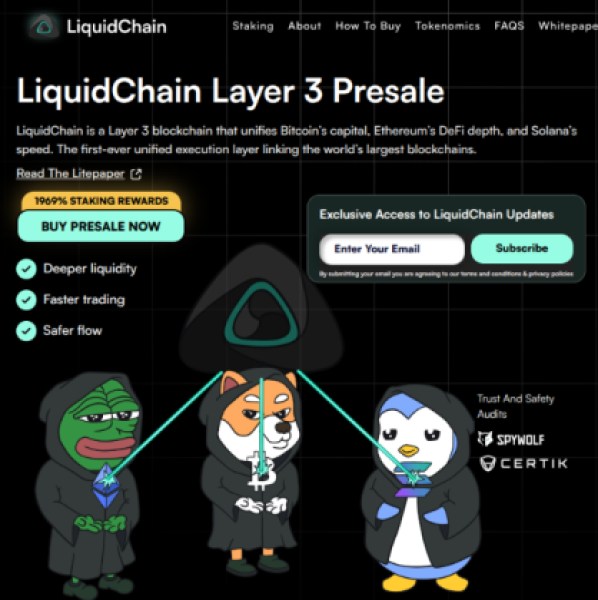
Вместо того чтобы заставлять пользователей вручную бриджить активы, «Архитектура Единой Разработки» (Deploy-Once Architecture) LiquidChain позволяет разработчикам создавать приложения, которые одновременно используют $BTC, $ETH и $SOL. Это критически важно для устранения трения, которое убивает adoption.
В модели LiquidChain вы могли бы, теоретически, заложить биткоин в качестве залога, чтобы получить доступ к исполнению со скоростью Solana или к протоколам DeFi на базе Ethereum в один шаг.
Архитектура протокола focuses на верифицируемом settlement. Работая как инфраструктура Уровня 3, она агрегирует безопасность от базовых сетей, предлагая единый интерфейс.
Если вы разработчик, это избавляет от головной боли поддержки разных codebase для разных экосистем. Вместо того чтобы выбирать между TVL (общей заблокированной стоимостью) Ethereum или скоростью Solana, LiquidChain предлагает площадку, где они сосуществуют.
ИССЛЕДУЙТЕ УНИФИЦИРОВАННУЮ ЛИКВИДНОСТЬ С $LIQUID.
Повышение эффективности капитала через стейкинг ликвидности
Совет Сэйлора «никогда не продавать» — это solid стратегия, но она не решает проблему cash flow. Инвесторы, владеющие крупными активами, часто богаты активами, но бедны ликвидностью. LiquidChain решает эту проблему с помощью своей нативной utility модели, которая сосредоточена на Стейкинге Ликвидности (Liquidity Staking).
Протокол designed использовать токен $LIQUID не только для управления (governance), но и в качестве топлива для транзакций, питающего сеть. Стейкинг ликвидности позволяет получать вознаграждения, получаемые от экономической активности, проходящей через инфраструктуру Уровня 3. Это идеально соответствует нарративу «продуктивного крипто» — активы генерируют доходность без необходимости что-либо продавать.
Вы можете купить $LIQUID сейчас по цене $0.0135 и не упустите возможности для стейкинга, которые в настоящее время составляют 1966%.
Кроме того, платформа aims включить систему грантов для разработчиков, стимулируя dApps, которые используют эту кросчейн-текучесть. Такой экосистемный подход suggests, что будущее DeFi заключается не в том, какая сеть «победит», а в том, какая инфраструктура их соединяет.
Обеспечивая одношаговое исполнение across тремя крупнейшими пулами ликвидности индустрии, LiquidChain позиционирует себя как соединительная ткань для следующей фазы зрелости рынка. Перефразируя поговорку, кажется, что в крипто важно уже не то, что у вас есть, а то, как это связано.
ПРИСОЕДИНЯЙТЕСЬ К ЭКОСИСТЕМЕ LIQUIDCHAIN.
Отказ от ответственности: Эта статья предназначена только для информационных целей и не является финансовой консультацией. Инвестиции в криптовалюты, включая предпродажи и новые протоколы, несут высокие риски, включая возможность полной потери. Всегда проверяйте аудит смарт-контрактов и проводите собственное исследование (due diligence).