Recent Regulatory Positive Developments from the U.S. SEC and OCC: What Impact Will Policy Trends Have?

marsbitОпубликовано 2025-12-14Обновлено 2025-12-14

Введение

The U.S. SEC has granted a no-action letter to the Depository Trust Company (DTC), allowing it to tokenize a range of high-liquidity assets—including stocks, ETFs, and U.S. Treasuries—on approved blockchains under controlled conditions. This initiative, expected to launch in late 2026, aims to bridge TradFi and DeFi, enhancing market efficiency, transparency, and accessibility. Simultaneously, the OCC has clarified that crypto-native firms seeking federal banking charters will be evaluated on equal footing with traditional institutions, emphasizing that digital asset activities, including custody services, fall within the permissible scope for national trust banks. Both moves signal a structured yet progressive U.S. regulatory approach toward integrating blockchain technology into the core financial system, potentially setting global standards for digital finance.

Author: Deng Tong, Golden Finance

On December 11, 2025, the Depository Trust Company (DTC) received a no-action letter from the U.S. Securities and Exchange Commission (SEC), permitting it to tokenize some of its custodial assets. DTC aims to leverage blockchain technology to connect traditional finance (TradFi) and decentralized finance (DeFi), thereby building a more resilient, inclusive, and efficient global financial system. Previously, the U.S. Office of the Comptroller of the Currency (OCC) issued Interpretive Letter 1188, confirming that national banks can engage in permissible banking activities related to risk-free principal crypto asset transactions.

This article focuses on the recent regulatory actions by the U.S. SEC and OCC.

I. SEC: DTCC Can Tokenize Stocks, Bonds, and Treasury Securities

Yesterday, the Depository Trust & Clearing Corporation (DTCC) announced that its subsidiary, the Depository Trust Company (DTC), has received a no-action letter (NAL) from the U.S. Securities and Exchange Commission (SEC), authorizing it to provide a new service under the federal securities laws and regulations, within a controlled production environment, for tokenizing real-world assets held by DTC. DTC expects to begin rolling out this service in the second half of 2026.

The no-action letter authorizes DTC to provide tokenization services for DTC participants and their clients on pre-approved blockchains for a period of three years. According to the no-action letter, DTC will be able to tokenize real-world assets, with the digital versions enjoying the same rights, investor protections, and ownership as traditional assets. Additionally, DTC will provide the same high level of resilience, security, and robustness as traditional markets.

The authorization applies to a range of specific high-liquidity assets, including the Russell 1000 Index (representing the 1,000 largest U.S. publicly traded companies by market capitalization), ETFs tracking major indices, and U.S. Treasury bills, bonds, and notes. This no-action letter is significant because it allows DTC, subject to specific limitations and declarations, to launch the service more quickly than otherwise possible once the service is finalized.

The SEC's no-action letter is a key enabler for the company's broader strategy to advance a secure, transparent, and interoperable digital asset ecosystem, fully leveraging the potential of blockchain technology.

Frank LaSala, President and CEO of DTCC, stated: "I would like to thank the U.S. Securities and Exchange Commission (SEC) for their trust. The tokenization of U.S. securities markets promises numerous transformative benefits, such as collateral liquidity, new trading models, 24/7 access, and programmable assets, but this can only be achieved if market infrastructure lays a solid foundation for this new digital era. We are very excited to have this opportunity to further empower the industry, our participants, and their clients, and to drive innovation. We look forward to collaborating with all parties in the industry to safely and reliably achieve the tokenization of real-world assets, thereby advancing the future of finance for generations to come."

To support this strategy, DTCC's tokenization solution will enable DTC participants and their clients to utilize comprehensive tokenization services supported by the DTCC ComposerX platform suite. This will allow DTC to create a unified liquidity pool within both traditional finance (TradFi) and decentralized finance (DeFi) ecosystems and build a more resilient, inclusive, cost-effective, and efficient financial system.

According to the no-action letter, DTC is permitted to provide limited production environment tokenization services on L1 and L2 providers. DTCC will provide more details in the coming months regarding onboarding requirements (including wallet registration) and the L1 and L2 network approval process.

SEC Chairman Atkins noted: On-chain markets will bring greater predictability, transparency, and efficiency to investors. DTC participants can now transfer tokenized securities directly to the registered wallets of other participants, and these transactions will be tracked by DTC's official records. This initiative by DTC marks a significant step towards on-chain capital markets. I am pleased to see the benefits this program brings to our financial markets and will continue to encourage market participants to innovate to advance our move towards on-chain settlement. But this is just the beginning. I look forward to the SEC considering granting innovation exemptions, allowing innovators to leverage new technologies and business models to begin transitioning our markets on-chain without being burdened by cumbersome regulatory requirements.

II. OCC: Crypto Companies Obtaining Bank Charters to Be Treated Equally with Other Financial Institutions

On December 8, U.S. Comptroller of the Currency Jonathan Gould stated that cryptocurrency companies seeking to obtain a U.S. bank charter should be treated the same as other financial institutions.

So far this year, the OCC has received 14 applications to establish new banks, "including some from entities engaged in novel or digital asset activities," which is almost on par with the number of similar applications the OCC received in the past four years. "The chartering system helps ensure the banking system keeps pace with financial developments and supports the modern economy. Therefore, institutions engaged in digital assets and other emerging technologies should have the opportunity to become federally regulated banks."

The regulator "receives letters from existing national banks almost daily, informing us of exciting innovative products and service initiatives they are launching themselves. All of this strengthens my confidence in the OCC's ability to effectively regulate new entrants as well as new business lines of existing banks in a fair and impartial manner."
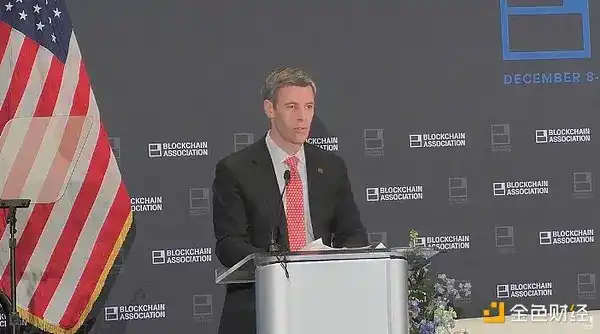
U.S. Comptroller of the Currency Jonathan Gould speaking at the 2025 Blockchain Association Policy Summit. Source: YouTube

III. What Impact Will the Policy Trends of the SEC and OCC Have?

With DTC approved to tokenize core assets like stocks, bonds, and ETFs on-chain, real-world assets are being formally integrated into the U.S. federal securities system. This means that core asset classes in traditional financial markets will have "native versions" on the blockchain in the future, enjoying the full legal rights of traditional assets; The OCC's clear statement that institutions engaged in digital asset businesses can apply for federal bank charters on an equal basis with traditional institutions means the crypto industry has, for the first time, a formal path to enter the "compliant core layer" of the U.S. banking system; The regulatory trends of the SEC and OCC are, in fact, part of the U.S. competition to set global standards for digital finance. As blockchain technology becomes financial infrastructure, the U.S. is adopting a model similar to the internet era: dominating global rule-setting through institutional and regulatory frameworks.

Appendix 1: Main Content of Gould's Speech:

Among the applications currently submitted to the OCC, several are for new national trust banks or banks wishing to convert to national trust banks. This growth indicates healthy market competition, reflects a commitment to innovation, and should be encouraging to all of us. The number of applications has returned to the OCC's normal level, consistent with past experience and practice.

Since the 1970s, the OCC has been responsible for chartering national trust banks, a power explicitly granted to the Administrator of National Banks (ANB) by Congress in 1978. Currently, the OCC regulates approximately 60 national trust banks. Some banks and their industry associations have expressed concerns about some pending applications. They argue that approving these applications would violate OCC precedent, as it would allow national trust banks to engage in non-fiduciary custodial activities.

What they fail to acknowledge is that for decades, the OCC has allowed national trust banks to engage in non-fiduciary custodial activities. In fact, prohibiting national trust banks from engaging in non-fiduciary activities would not only threaten the dynamic development of the federal banking system but also disrupt over a trillion in traditional business of existing national trust banks.

According to relevant regulations, national trust banks must limit their business activities to the operation of trust companies and their related activities. Despite recent claims to the contrary, non-trust activities, particularly custody and safekeeping, have been fully within their authorized business scope since the OCC began issuing national trust bank charters.

In fact, most national trust banks are already engaged in this business, including uninsured national trust banks that are subsidiaries or affiliates of full-service insured national banks or insured state banks. In the third quarter of this year, national trust banks reported that the scale of non-fiduciary custody or safekeeping assets under their management was close to $2 trillion, accounting for about 25% of their total managed assets.

Therefore, if non-fiduciary custody and safekeeping services were deemed unacceptable for pending charter applications, the legality of existing and mature national trust bank operations would also need to be re-evaluated, thereby disrupting the flow of funds in existing economic activities. Although the proposed business of some new charter applicants (particularly those in the digital or fintech space) may be considered new for national trust banks, custody and safekeeping services have been conducted electronically for decades.

For example, various banks, including existing national trust banks, typically hold corporate tickets and client custodianship electronically. Therefore, there is no reason to treat digital assets differently. Furthermore, we should not confine banks (including existing national trust banks) to past technologies or business models.

This is tantamount to decline. The business activities of national trust banks have changed, as have those of other banks across the country. State trust companies are currently also involved in activities related to digital assets. For example, several states, including New York and South Dakota, have authorized their trust companies to provide digital asset-related services to clients, including custody services.

Some existing banks/credit associations have also expressed concerns about potential unfairness or believe the OCC lacks the supervisory capacity to oversee the new activities proposed by current applicants. These concerns could hinder innovative initiatives that could better serve bank customers and support local economies.

As I mentioned earlier, the OCC has been regulating the activities of national trust banks for decades and ensures that both fiduciary and non-fiduciary activities (involving asset management worth millions of dollars) are conducted in a safe and sound manner and in accordance with applicable laws.

The OCC has years of experience supervising a crypto-native bank—a national trust bank—and receives feedback from existing national banks on their innovative products and services almost daily. All of this enhances my confidence in the agency's ability to effectively regulate new entrants as well as new business lines of existing banks in a fair and impartial manner.

We welcome initiatives from existing banking institutions and will ensure that both new and old banking institutions are treated fairly and held to the same high standards when their business activities and risks are similar. One of the greatest strengths of the federal banking system is its ability to evolve from the telegraph era to the blockchain era, actively embracing new technologies to provide banking products and services to customers from rural areas to urban centers. Although Congress reformed national banks over 160 years ago, they remain a vital part of the U.S. financial system to this day. This is no accident. Rather, it is a direct result of Congress and the courts long recognizing that banks can and must adapt and develop new ways to conduct age-old businesses. Preventing national banks, including national trust banks, from engaging in reasonably permissible activities simply because those activities are considered new or different from large tech market advantages would shake this fundamental premise. This could lead to economic stagnation and potentially have profound effects on the banking system.

Appendix 2: What Other No-Action Letters Has the SEC Issued Recently?

A no-action letter is a document originating from the U.S. legal system (in English, No-action Letter). It refers to a formal written document issued by a regulatory agency in response to an application from an institution or individual under its supervision, regarding a specific action the latter plans to undertake. It indicates that if the action is carried out as described in the application, the regulatory agency will not take legal or enforcement action against them. Its core function is to eliminate regulatory uncertainty; it is not a legally binding document.

On September 29, 2025, a no-action letter released by the SEC showed that for a certain token issued by DoubleZero, based on the described factual circumstances, the SEC would not recommend enforcement action regarding the token arrangement. This move is seen as a significant signal of change in crypto market regulation, representing the authorities' increased willingness to make case-by-case rulings on issues such as the classification of certain tokens and securities.

On September 30, 2025, the SEC's Division of Investment Management issued a "no-action letter" to Simpson Thacher, confirming that under certain conditions, state-chartered trust companies can be considered qualified custodians under Rule 206(4)-2 (Advisers Act Qualified Custodian) and permissible custodians under the 1940 Act, and that the SEC would not take enforcement action against enterprises and registered funds regarding this arrangement. This move helps traditional asset management institutions obtain a clearer regulatory positioning around crypto asset custody and compliance services.


Трендовые криптовалюты

Связанные с этим вопросы

QWhat is the significance of the SEC's no-action letter to DTC regarding asset tokenization?

AThe SEC's no-action letter allows DTC to tokenize real-world assets like stocks, bonds, and ETFs on approved blockchains, integrating them into the federal securities framework. This enables the creation of digital versions with the same legal rights, investor protections, and ownership as traditional assets, while maintaining high resilience and security. It marks a key step in bridging TradFi and DeFi, fostering innovation in a controlled environment.

QHow does the OCC's stance on crypto companies applying for bank charters impact the industry?

AThe OCC's policy treats crypto companies equally with traditional institutions when applying for federal bank charters, providing a formal path for crypto firms to enter the U.S. banking system's 'compliance core.' This encourages innovation, supports competition, and ensures these entities are regulated under the same high standards as existing banks, fostering a more inclusive financial ecosystem.

QWhat types of assets are authorized for tokenization under DTC's new service?

ADTC is authorized to tokenize high-liquidity assets, including those in the Russell 1000 Index (top 1,000 U.S. companies by market cap), ETFs tracking major indices, and U.S. Treasury bills, bonds, and notes.

QWhat broader strategic goal does the SEC's recent no-action letters signal for U.S. financial markets?

AThe SEC's no-action letters signal a move toward establishing the U.S. as a leader in setting global standards for digital finance. By encouraging innovation through regulatory clarity, the U.S. aims to transition markets to on-chain systems, enhancing predictability, transparency, and efficiency while maintaining robust investor protections.

QHow does the OCC justify allowing national trust banks to engage in non-fiduciary digital asset activities?

AThe OCC argues that non-fiduciary activities like custody and safekeeping have long been within the authorized scope of national trust banks, with existing banks already managing nearly $2 trillion in such assets. Distinguishing against digital assets would hinder technological progress and economic adaptation, contradicting the historical evolution of banking practices.

Похожее

После значительного роста бычий сценарий для биткоина усиливается: известный американский генеральный директор раскрывает свои ожидания и называет временные рамки!

За последнюю неделю биткоин вырос на ~23%, торгуясь выше $77 тыс., и впервые с ноября 2025 года превысил 200-дневную скользящую среднюю. Рост также наблюдался у Ethereum (30%), Solana (25%) и XRP (47%). Генеральный директор Strive Мэтт Коул заявил, что медвежий рынок биткоина завершился, и в ближайшие 12-18 месяцев может начаться сильный восходящий тренд. Свой анализ Коул строит на отношении BTC к золоту (BTC/Gold), которое является опережающим индикатором. Пик BTC/Gold пришёлся на декабрь 2024 года, а пик к доллару — на октябрь 2025-го. Аналогично, минимум к золоту был в феврале 2026 года, а к доллару — в июле 2026-го. Текущий одновременный прорыв выше ключевых уровней как к доллару, так и к золоту, по мнению Коула, сигнализирует об окончании медвежьего тренда и укрепляет его уверенность в том, что следующий бычий цикл биткоина может стать самым мощным за всю историю. Текущие макроэкономические события, негативно влияющие на золото и доллар, могут способствовать этому росту.

cryptonews.ru14 мин. назад

После значительного роста бычий сценарий для биткоина усиливается: известный американский генеральный директор раскрывает свои ожидания и называет временные рамки!

cryptonews.ru14 мин. назад

Grayscale переоценивает Zcash: сколько стоит финансовая конфиденциальность в эпоху AI-мониторинга?

Грейскейл вновь оценивает Zcash: в эпоху ИИ-мониторинга, сколько может стоить финансовая конфиденциальность? Технологический прогресс, включая стейблкоины, публичные блокчейны и инструменты анализа на основе ИИ, повышает прозрачность и отслеживаемость финансовых потоков. В этом контексте финансовые вопросы конфиденциальности снова выходят на первый план. Грейскейл рассматривает Zcash не как объект для спекуляций, а с точки зрения фундаментального вопроса: может ли конфиденциальность вновь стать ключевым свойством денег? Zcash, работающий почти десять лет, использует технологию zk-SNARKs (краткие неинтерактивные аргументы знания с нулевым разглашением), позволяя пользователям выбирать между прозрачными и защищенными (скрытыми) транзакциями. Последние скрывают отправителя, получателя и сумму, передавая право раскрытия информации самому пользователю. Несмотря на технические улучшения (Sapling, NU5, Orchard) и рост инфраструктуры, основной вызов остается прежним — удобство использования и массовое внедрение. По данным на июль 2026 года, около 90% транзакций в сети Zcash являются защищенными, а в защищенных пулах находится около 25% от общего объема ZEC в обращении. Однако текущая рыночная доля Zcash невелика — около 0,6% от общего рынка "цифровых денег". Инвестиционный тезис Грейскейла строится на гипотезе, что растущая потребность в финансовой конфиденциальности в эпоху ИИ может привести к переоценке ZEC, если рынок начнет ценить конфиденциальность как базовое свойство. Ключевыми рисками для реализации этого сценария являются регуляторные ограничения (например, правила FATF), сложности с листингом на биржах, технические уязвимости протокола (например, недавно исправленная уязвимость в Orchard) и долгосрочная угроза квантовых вычислений. Успех Zcash зависит не только от спроса на конфиденциальность, но и от одновременного улучшения пользовательского опыта, масштабируемости протокола и доступности на рынке. Таким образом, текущая оценка Zcash отражает возможность того, что конфиденциальность может стать более ценной в цифровую эпоху, но для реализации этого потенциала необходимо преодолеть значительные практические и регуляторные препятствия.

marsbit17 мин. назад

Grayscale переоценивает Zcash: сколько стоит финансовая конфиденциальность в эпоху AI-мониторинга?

marsbit17 мин. назад

ИИ делает хакерские атаки «демократичными». Белые шляпы из Bitcoin Red Team запускают гонку сражений на скорость

Искусственный интеллект делает мощные хакерские инструменты доступными для широкого круга лиц без специальных знаний в области кибербезопасности. Разработчики криптовалют вынуждены участвовать в гонке, чтобы находить уязвимости в системах раньше злоумышленников. Bitcoin Red Team — это группа, созданная для противодействия связанным с ИИ угрозам в экосистеме Биткойна. По словам анонимного участника и разработчика Калле, команда состоит из 20-25 добровольцев, которые проверяют кошельки, приложения и сервисы, построенные поверх Биткойна, хотя сам базовый протокол считается безопасным. Калле отмечает, что в своей работе команда активно использует китайские модели ИИ, такие как Kimi K3, поскольку американские модели часто имеют строгие ограничения, мешающие исследованиям в области безопасности. Он предупреждает, что ИИ устраняет информационные барьеры, позволяя даже неопытным злоумышленникам находить и использовать уязвимости. По его мнению, криптовалютная сфера, будучи привлекательной для финансовых атак, первой столкнется с этими изменениями, за которыми последуют и другие отрасли.

marsbit38 мин. назад

ИИ делает хакерские атаки «демократичными». Белые шляпы из Bitcoin Red Team запускают гонку сражений на скорость

marsbit38 мин. назад

Иностранные инвесторы продали краткосрочные казначейские обязательства США на 29 миллиардов долларов. Почему США делают ставку на стейблкоины, чтобы «подхватить» этот объем?

В июне иностранные инвесторы сократили вложения в краткосрочные казначейские обязательства США на 29 млрд долларов, одновременно активно покупая американские акции. Этот отток средств с рынка краткосрочного госдолга, который традиционно считается аналогом наличности, высветил вопрос о новых источниках спроса. В ответ на это власти США делают ставку на стейблкоины (например, Tether, USDC), которые могут стать новым крупным покупателем. Эмитенты стейблкоидов размещают резервы, обеспечивающие стоимость их токенов, в высоколиквидные активы, прежде всего в краткосрочные казначейские обязательства. Таким образом, спрос на цифровые доллары косвенно трансформируется в спрос на госдолг США. Хотя текущий объем выпуска стейблкоидов недостаточен, чтобы объяснить масштабы июньской распродажи (например, эмиссия USDT в квартале выросла лишь на 446 млн), регулятивная инициатива (закон GENIUS) создает основу для роста этой новой категории инвесторов. В будущем расширение рынка стейблкоидов может стать важным каналом поддержания спроса на американские гособлигации, особенно если иностранные покупатели продолжат сокращать свои позиции.

marsbit39 мин. назад

Иностранные инвесторы продали краткосрочные казначейские обязательства США на 29 миллиардов долларов. Почему США делают ставку на стейблкоины, чтобы «подхватить» этот объем?

marsbit39 мин. назад

Инвесторы Unitree вместе вкладывают средства в команду воплощенного разума

В Китае произошло историческое событие в сфере воплощенного искусственного интеллекта: 19 августа компания Unitree Technology официально вышла на научно-техническую инновационную биржу (STAR Market), став «первой акцией человекоподобного робота» на рынке А-акций. За десять лет основатель Ван Синсин создал компанию с нуля, начав с четвероногого робота, и вывел Unitree на первое место в мире по объему поставок человекоподобных роботов. Инвесторы обратили внимание на интересную деталь: три крупнейших внешних акционера Unitree — Meituan, Sequoia Capital и Matrix Partners — совместно вложились в малоизвестную компанию в области воплощенного ИИ — Miaodong Technology. Соучредители Miaodong, Гао Цзяньжун и Ян Шо, как и Ван Синсин, ранее работали в DJI. Более того, Ян Шо — единственный основатель в китайской сфере воплощенного ИИ, который входил в ключевую команду проекта Optimus в Tesla. Первый продукт Miaodong, двухколесный шагающий робот Beni, также известный как первая в мире «камера-робот», был запущен на Kickstarter и установил рекорд по объему сборов в категории робототехники. Влиятельный технический блогер Marques Brownlee (MKBHD) дал ему высшую оценку 10/10. Beni весом менее 2 кг может прыгать на высоту 25 см, развивать скорость до 28 км/ч, автономно избегать препятствий и подниматься после падения. Он предназначен для съемки с низкого ракурса, заполняя нишу на рынке устройств для записи. Команда Miaodong фокусируется на самостоятельной разработке двигателей и полном стеке технологий (аппаратное и программное обеспечение), следуя принципу «продуктового» подхода и ориентации на пользователя. Через Beni компания накапливает опыт и данные, готовясь к будущему выпуску человекоподобных роботов для домашнего использования. Они считают, что ключевыми проблемами являются безопасность, надежность и переход от прототипа к массовому производству, и намерены развиваться устойчиво, выпуская продукты один за другим.

marsbit53 мин. назад

Инвесторы Unitree вместе вкладывают средства в команду воплощенного разума

marsbit53 мин. назад

Торговля

Спот

Популярные статьи

Как купить S

Добро пожаловать на HTX.com! Мы сделали приобретение Sonic (S) простым и удобным. Следуйте нашему пошаговому руководству и отправляйтесь в свое крипто-путешествие.Шаг 1: Создайте аккаунт на HTXИспользуйте свой адрес электронной почты или номер телефона, чтобы зарегистрироваться и бесплатно создать аккаунт на HTX. Пройдите удобную регистрацию и откройте для себя весь функционал.Создать аккаунтШаг 2: Перейдите в Купить криптовалюту и выберите свой способ оплатыКредитная/Дебетовая Карта: Используйте свою карту Visa или Mastercard для мгновенной покупки Sonic (S).Баланс: Используйте средства с баланса вашего аккаунта HTX для простой торговли.Третьи Лица: Мы добавили популярные способы оплаты, такие как Google Pay и Apple Pay, для повышения удобства.P2P: Торгуйте напрямую с другими пользователями на HTX.Внебиржевая Торговля (OTC): Мы предлагаем индивидуальные услуги и конкурентоспособные обменные курсы для трейдеров.Шаг 3: Хранение Sonic (S)После приобретения вами Sonic (S) храните их в своем аккаунте на HTX. В качестве альтернативы вы можете отправить их куда-либо с помощью перевода в блокчейне или использовать для торговли с другими криптовалютами.Шаг 4: Торговля Sonic (S)С легкостью торгуйте Sonic (S) на спотовом рынке HTX. Просто зайдите в свой аккаунт, выберите торговую пару, совершайте сделки и следите за ними в режиме реального времени. Мы предлагаем удобный интерфейс как для начинающих, так и для опытных трейдеров.

2.0k просмотров всегоОпубликовано 2025.01.15Обновлено 2026.06.02

Как купить S

Sonic: Обновления под руководством Андре Кронье – новая звезда Layer-1 на фоне спада рынка

Он решает проблемы масштабируемости, совместимости между блокчейнами и стимулов для разработчиков с помощью технологических инноваций.

2.5k просмотров всегоОпубликовано 2025.04.09Обновлено 2025.04.09

Sonic: Обновления под руководством Андре Кронье – новая звезда Layer-1 на фоне спада рынка

HTX Learn: Пройдите обучение по "Sonic" и разделите 1000 USDT

HTX Learn — ваш проводник в мир перспективных проектов, и мы запускаем специальное мероприятие "Учитесь и Зарабатывайте", посвящённое этим проектам. Наше новое направление .

2.0k просмотров всегоОпубликовано 2025.04.10Обновлено 2025.04.10

HTX Learn: Пройдите обучение по "Sonic" и разделите 1000 USDT

Обсуждения

Добро пожаловать в Сообщество HTX. Здесь вы сможете быть в курсе последних новостей о развитии платформы и получить доступ к профессиональной аналитической информации о рынке. Мнения пользователей о цене на S (S) представлены ниже.

活动图片