Автор: Changan I Biteye команда контента
Оригинальное название: Глубокий разбор поглощения Predict Fun компании Probable: «Восточные амбиции» прогнозных рынков BNB
Экосистема прогнозов BNB Chain переживает важный поворот: @predictdotfun официально объявил о поглощении @0xProbable.
Это не простое приобретение, а стратегическая перестройка направления прогнозов в экосистеме BNB Chain:
-
Как это решает болевые точки традиционных прогнозных рынков?
-
Какие возможности и вызовы принесет вертикализация китайского рынка?
В этой статье Biteye глубоко разберет продуктологию Predict Fun, мотивы поглощения и влияние на рынок, а также ответит на ключевой вопрос:
Стоит ли сейчас участвовать в прогнозных рынках BNB Chain?
一、Введение в два прогнозных рынка
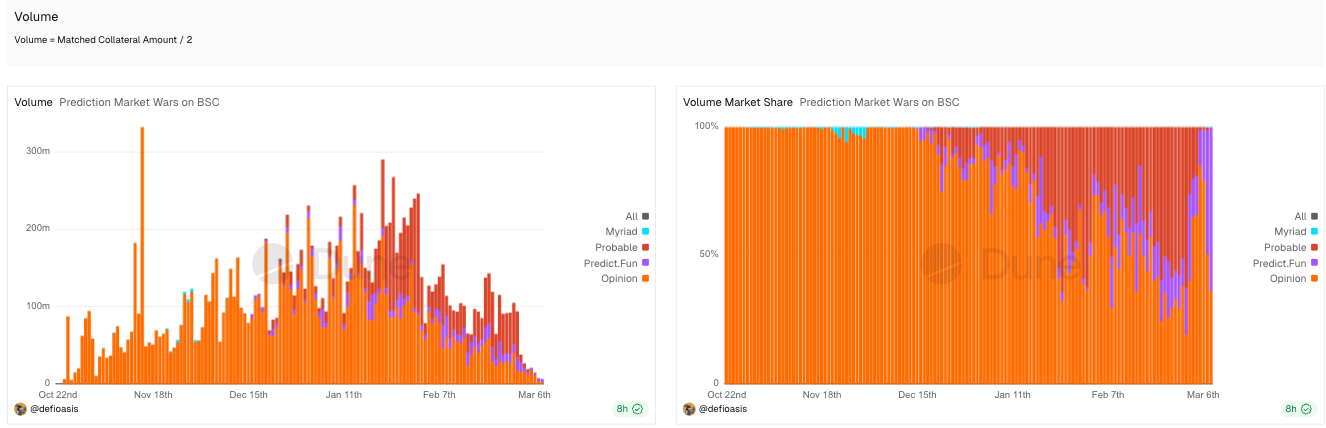
В последние месяцы две платформы, принадлежащие экосистеме Binance, рассматривались как лошади в гонке гомогенной конкуренции:
-
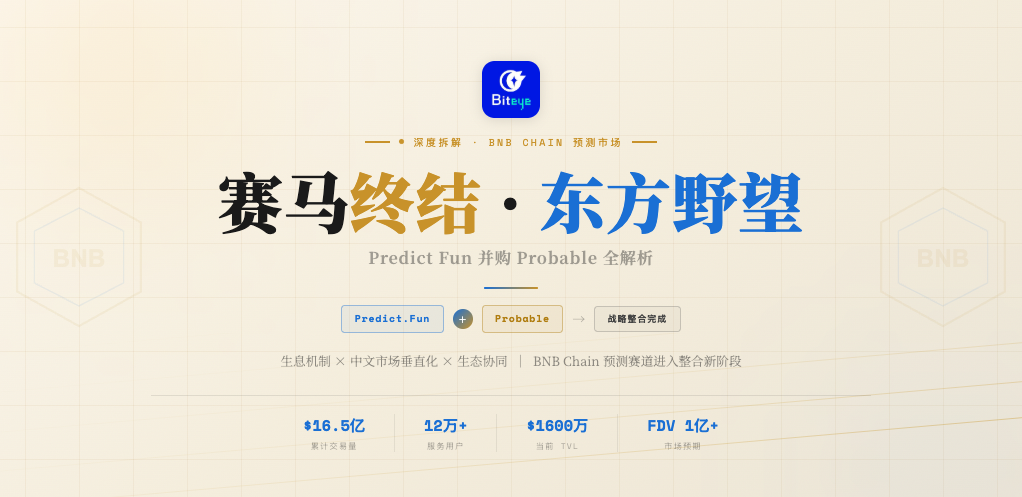
Probable: Основной акцент на сообществе и нулевых комиссиях, объем торгов достиг 1 миллиарда долларов за 36 дней, средний недельный объем торгов вошел в топ-3 в мире, что утвердило его лидирующие позиции на азиатском рынке.
-
Predict Fun: Обработал более 3.3 миллиона сделок за три месяца, совокупный объем торгов составил 1.653 миллиарда долларов, количество пользователей превысило 120 тысяч.
Несколько дней назад Predict Fun официально объявил о поглощении Probable. Бывший руководитель роста Probable Юэ Сяоюй @yuexiaoyu стал руководителем Predict Fun в Азиатско-Тихоокеанском регионе, что объединило ресурсы китайского сообщества Probable и механизм получения процентов Predict Fun.
С завершением этого поглощения прогнозный рынок BNB Chain перешел от ранней борьбы за трафик к новой стадии консолидации ликвидности и капитальной эффективности, эта гонка официально завершена.
二、 Логика поглощения: координация капитала, прорыв на китайском рынке, синергия экосистемы
2.1 Деньги больше не спят: Как Predict Fun позволяет средствам для ставок одновременно приносить проценты?
На таких платформах, как Polymarket, средства блокируются после открытия позиции, и пользователи вынуждены нести потери процентов в течение длительного периода расчета.
Predict Fun благодаря глубокой интеграции с Venus Protocol автоматически размещает внесенные пользователями USDT в Venus для получения дохода, а не блокирует их в смарт-контракте.
В настоящее время из его TVL в примерно 16 миллионов долларов, согласно ранним отчетам, более 60% уже размещены в стратегию получения процентов. Если пропорция сохраняется, то сейчас 9.6 миллионов долларов размещены в Venus для получения процентов. Это означает, что пока пользователи делают ставки на будущее, базовые активы все еще приносят доход около 3%-5%.
Эта функция идеально подходит для игроков, которые действуют как Виталик Бутерин: выбирают события с высокой вероятностью, держат позицию до расчета, зарабатывая двойной доход от прогноза и управления капиталом.
2.2 Потолок локализации: Потенциал и трудности вертикального китайского рынка
Прогнозные рынки являются одним из наиболее консенсусных направлений в криптоиндустрии, однако Polymarket имеет явное несоответствие спроса на китайском рынке:
-
Китайские пользователи интересуются прогнозными рынками, но их участие в основном сводится к «фарму аирдропов» и «взаимодействию»;
-
Но основные рынки Polymarket сосредоточены на европейской и американской политике и культуре, что создает极高的 порог вхождения для китайских пользователей.
Железное правило мем-сектора: лучший способ поддержать мем — это участвовать в меме, а не фармить Pump.
Именно это несоответствие спроса позволило Probable и Predict Fun найти точки роста – запуск прогнозных событий, подходящих для китайскоязычных пользователей.
Маркетинговые акции Probable во время праздника Весны показали явные черты локализации:
-
Глобальная программа послов: Массовый набор KOL из китайскоязычного региона через глобальную программу послов, использование вознаграждений积分 для быстрого получения первоначального охвата в социальных сетях.
-
Маркетинг событий праздника Весны: Запуск нескольких рынков, связанных с праздником Весны, например: Появится ли золотая собака на гала-концерте?
Приобретение Probable по сути является приобретением «способности преобразования спроса» - направление тех китайских пользователей, которые верят в прогнозные рынки, но умеют только фармить аирдропы, в эффективных участников рынка. Это именно та проблема, которую Predict Fun с его механизмами не может решить самостоятельно.
Три основных ограничения локализованного рынка
Тактика Probable во время праздника Весны подтвердила взрывной потенциал локального операционного управления: объем торгов специальной сессии прогнозов на праздник Весны превысил 72 миллиона долларов. Хотя направление Probable было правильным, это в той или иной степени столкнулось с трудностями, с которыми столкнется китайский вертикальный рынок.
-
Мало переменных на китайском рынке
Возьмем в качестве примера рынок Probable «Чемпион кассовых сборов проката праздника Весны 2026 года»:
В этом году в прокате на праздник Весны вышло 6 фильмов, включая «Летящая жизнь 3», «Беззвучное пробуждение насекомых», «Воин: Ветер поднимается в пустыне», «Медвежонок БумБум: Каждый год есть медведь», «План панды: Приключения племени», «Сновидения в Млечном пути».
Фильмов в прокате на праздник Весны мало, и только один или два фильма действительно борются за первое место по сборам. Когда консенсус по прогнозному событию высоко единодушен, прогнозный рынок превращается в ситуацию с низкой доходностью управления капиталом. Это прямо обнажает слабые места недостаточной глубины и широты при依赖 от единственного вертикального культурного рынка.
-
Недостаточная коммерческая ценность
Для сравнения, хотя у Polymarket мало китайских рынков, он демонстрирует более высокую коммерческую ценность.
Polymarket во время праздника Весны также запустил китайский рынок: «Какой робот будет танцевать на гала-концерте?»
Когда редактор собирал информацию об этом рынке перед гала-концертом, он обнаружил признак: большая часть информации о роботах гала-концерта публиковалась пользователями, торгующими акциями, потому что акции поставщиков, сотрудничающих с компаниями-роботами, имели возможности для спекуляций на фондовом рынке Китая (A-shares).
Данные Polymarket напрямую служат для инвестиционных решений, а портрет пользователя склоняется к высокоценной инвестиционной группе.
Высота коммерческой ценности китайского вертикального рынка зависит не от того, насколько локальна тема, а от того, какую группу пользователей эта тема может привлечь. Рынки, способные привлечь инвестиционно-ориентированных, принимающих решения пользователей, обладают реальным коммерческим потенциалом.
-
Споры равны объему торгов
На прогнозных рынках споры также необходимы. Споры = разногласия = объем торгов.
Вновь возьмем пример Polymarket «Какой робот будет танцевать на гала-концерте?»: объем торгов большинства опционов находился в диапазоне 2~3 тысячи долларов, но спор о том, «считается ли махание рукой робота с основанием танцем», напрямую привел к тому, что объем торгов GALBOT за несколько часов вырос с 6 тысяч до nearly 400 тысяч долларов.
На прогнозных рынках гомогенная конкуренция имеет только один результат: средства всегда流向 платформу с лучшей ликвидностью. Чтобы прорваться, дифференциация – единственный выход. И ответ, данный Probable и Predict Fun, заключается в углубленной работе на китайском вертикальном рынке. Направление правильное – но чтобы по-настоящему удержать пользователей, необходимо добиться прорыва в трех измерениях:
-
Создание споров: Поиск точек разногласий, где легко возникает информационная асимметрия, а не результатов, очевидных с первого взгляда (здесь под спором подразумевается не нечеткость правил).
-
Раскрытие коммерческой ценности: У пользователей может быть низкая готовность участвовать в чисто развлекательных рынках, необходимо найти баланс между развлечением и бизнесом.
-
Компенсация несоответствия стимулов: В период недостатка ликвидности, за счет более высоких ожиданий аирдропов и поддержки, хеджировать альтернативные издержки пользователей.
2.3 Взаимовыгодное объединение или удовлетворение потребностей? Истинная движущая сила этого приобретения
Это приобретение – не простое слияние пользовательских данных и объемов торгов, а скорее стратегический брак между «механизмом получения процентов» и «локальным трафиком».
С точки зрения отраслевой логики, его основная движущая сила主要体现在 в трех аспектах:
1| Концентрация ресурсов
Избежание внутренних потерь из-за гомогенной конкуренции, объединение накопленных Probable пользовательских и трафиковых ресурсов китайского сообщества в экосистему Predict Fun для формирования более масштабного центра ликвидности.
2| Взаимодополняемость продукта и операционной деятельности
Predict Fun имеет явные преимущества в эффективности использования капитала и базовых механизмах, например, интеграция получения процентов с Venus. Но в области проектирования локальных событий и управления сообществом Probable уже накопил相对 зрелый опыт, образуя отношения взаимодополняемости.
3| Построение «Восточного фронта»
В глобальной структуре прогнозных рынков интеграция Predict Fun и Probable по сути создает конкурентный путь для азиатского рынка, формируя дифференцированную конкуренцию с Polymarket.
Чтобы глубже понять стратегические соображения, стоящие за этим поглощением, Biteye пообщался с руководителем Predict Fun в Азиатско-Тихоокеанском регионе Юэ Сяоюй.
В интервью Юэ Сяоюй заявил, что в будущем платформа продолжит усиливать стратегию локализованного операционного управления по регионам:
Мы будем придерживаться локализованного операционного управления для разных стран и регионов в продуктовой стратегии, целенаправленно экспериментируя с рынками разных категорий, одновременно привлекая больше маркет-мейкеров для повышения ликвидности и более точно удовлетворяя потребности пользователей в рамках нормативных требований.
В вопросах интеграции технологий и продуктов он также четко заявил:
После приобретения Probable пользователи постепенно перейдут на Predict Fun, и в будущем Predict Fun будет единственным субъектом операционного управления. На продуктовом и технологическом уровне в настоящее время больших调整 не произойдет, платформа сохранит原有 архитектуру.
Говоря о核心 значении этого приобретения, Юэ Сяоюй охарактеризовал его как «окончание этапа скачек»:
Раньше это были «скачки» внутри экосистемы Binance, а теперь скачки закончились. После интеграции ресурсов экосистема Binance будет focused на развитии Predict Fun. Далее мы further интегрируем каналы экосистемы Binance, через локализованное операционное управление, эксперименты с новыми продуктовыми категориями и привлечение большего количества маркет-мейкеров, постепенно формируя реальный эффект масштаба.
В некотором смысле, это поглощение – не только слияние двух платформ, но и знак вступления прогнозного рынка BNB Chain в новую стадию развития: от ранней конкуренции к концентрации ресурсов и синергии экосистемы.
三、Руководство по миграции пользователей Probable
С завершением приобретения, Predict Fun推出了一系列 мер по стимулированию миграции для原 пользователей Probable, хотя официальная сторона试图通过补偿 обеспечить плавный переход, но пересчет积分 вызвал немалые споры на пользовательской стороне.
1.Стратегия стимулирования миграции
-
Двойной возврат комиссионных: Predict Fun вернет пользователям в два раза больше комиссионных USDT, уплаченных на Probable.
-
Механизм пересчета积分:原积分 Probable могут быть пересчитаны в积分 Predict на разных этапах.
1~6 неделя: Обмен по курсу 1:1, всего будет обменено 600 тысяч积分 Predict Fun.
7~10 неделя: Обмен по курсу 1:10, всего будет обменено 4 миллиона积分 Predict Fun.
2.Анализ разводнения积分
Несмотря на предоставление двойного возврата и конвертации积分, сравнив выпуск积分 и рыночные цены двух платформ, мы обнаружили:
1) Огромная разница в пропорциях выпуска: Predict fun еженедельно распределяет 10 M积分, Probable еженедельно распределяет 100 K积分, это означает, что объем выпуска积分 Predict Fun в 100 раз превышает объем Probable. При курсе обмена 1:1 на 1~6 неделе积分 пользователей разводняются в 50 раз.
2) Сопоставление оценок: Согласно ценам на两家 на рынке перед поглощением на Polymarket:
-
Probable: Вероятность 50 M 69%, вероятность 100 M 50%
-
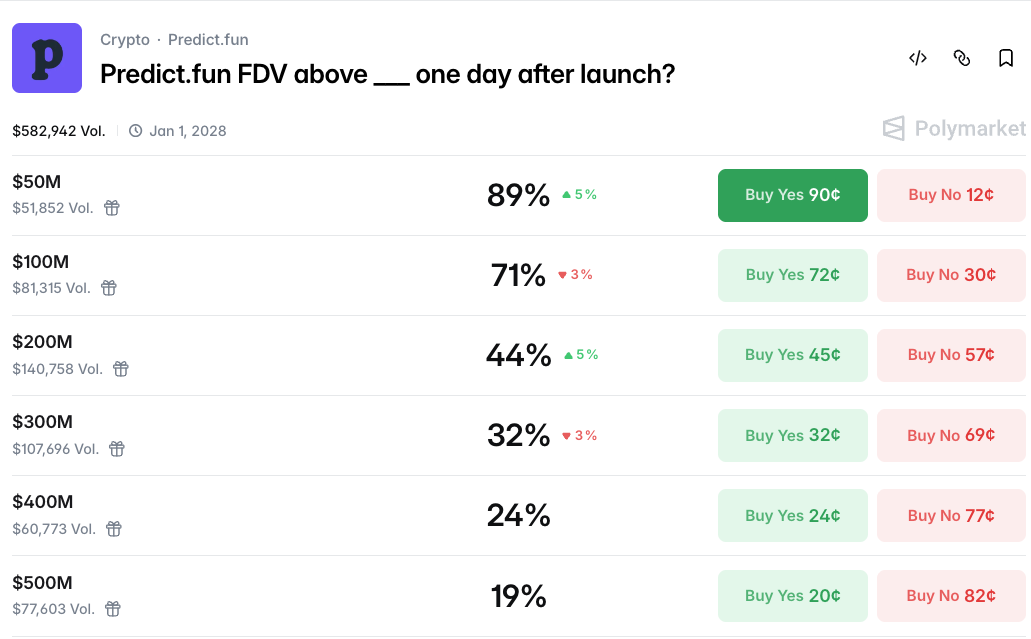
Predict fun: Вероятность 50 M 91%, вероятность 100 M 72%, вероятность 200 M 47%
Предполагая, что оценка Probable после запуска составляет 50M, а оценка Predict fun составляет 100 M. Хотя оценка Predict fun в два раза выше оценки Probable, скорость выпуска积分 Predict fun却在 в 100 раз выше, чем у Probable,积分 пользователей на Probable разводняются.
3.Рыночные настроения и стратегическое значение
Недавний прецедент Opinion, где TVL серьезно упал из-за слишком малой доли аирдропа, еще свеж в памяти, пользователи чрезвычайно чувствительны к доходности от взаимодействия и фарма аирдропов. После того как原 пользователи Probable обнаружат, что их辛苦 накопленные积分 разводнены, это чувство быть «скошенными» может further усилить недоверие к BNB Chain.
Однако это приобретение имеет очень большое стратегическое значение, оно整合用户资源 Probable и механизмы Predict Fun, совместно создавая высоко оцененный头部 проект.
Если даже лидер (龙一) не может принести эффект богатства, готовность пользователей участвовать в номерах два и три (龙二、龙三) упадет до нуля. А теперь две прогнозные платформы объединились, Predict Fun真正 обладает силой бороться за первое место в своем секторе, это, возможно, единственный шанс восстановить конкурентоспособность экосистемы прогнозов BNB Chain.
四、Сводка мнений KOL
Инвестиционный директор Yzi labs Хейли Хуанг @Hui_Huangg (Рейтинг XHunt: 30585)
Мнение: Сильно взволнован и看好 поглощение, считает его出色的 исполнением команды Predict Fun. Подчеркивает, что сочетание быстрого розничного роста BNB Chain, глубокой ликвидности и мощных каналов дистрибуции создаст顶级 прогнозный рынок на блокчейне, конечная цель – массовое внедрение. Скоро推出 больше новых рынков, в целом оптимистичен.
https://x.com/Hui_Huangg/status/2029445001558573272?s=20
ПумПум Супермен @crypto_pumpman (Рейтинг XHunt: 3754)
Мнение: Считает, что поглощение укрепило Predict Fun на втором месте прогнозного рынка BNB Chain (combining впечатляющий объем торгов Probable и высокий TVL Predict), следующий шаг – бросить вызов первому. Хвалит мощное инвестиционное видение и интеграцию ресурсов YZI Labs, аналогично случаям поглощения в секторе Perps. Рассматривает это как转折点 второй половины прогнозного рынка BNB Chain, активно看好接力作用 Predict Fun.
https://x.com/crypto_pumpman/status/2029437330998833477?s=20
Цзюньчжу @0xsexybanana (Рейтинг XHunt: 1048)
Мнение: Поглощение развеяло ее опасения по поводу конкуренции на прогнозном рынке BNB Chain (ранее не участвовала из-за плохой ликвидности и отсутствия赚钱效应), подтвердило статус Predict Fun как «родного сына» (亲儿子), будет пробовать маркет-мейкинг. Но обливает холодной водой: снижает ожидания от аирдропа Polymarket (может пойти по пути ICO), оценка прогнозного рынка должна быть значительно ниже, чем у Perp DEX (разделить на 5-10 раз), советует рассматривать его как赚钱 инструмент, а не возможность фарма, и использовать无损 стратегии.
https://x.com/0xsexybanana/status/2029391862977708516?s=20
BITWU.ETH @Bitwux (Рейтинг XHunt: 951)
Мнение: Положительно интерпретирует комментарий CZ, считает поглощение взаимовыгодным объединением двух сильных проектов, знаменующим окончание «скачек» на прогнозном рынке BNB Chain. Прогнозирует, что прогнозные рынки в конечном итоге движутся к концентрации ликвидности, пользователей и платформ, Predict Fun становится核心 входом в экосистему (интегрируя технологии, сообщество и ликвидность). Возможно,推动лено BSC,格局已定.
https://x.com/Bitwux/status/2029436963036803361?s=20
五、 Еще не поздно войти сейчас? Три стратегии участия в Predict Fun с низкими издержками
Согласно информации на Polymarket, рыночные ожидания в отношении Predict Fun высоки: Вероятность того, что FDV Predict Fun после запуска превысит 100 миллионов долларов, составляет 71%, а вероятность突破 200 миллионов долларов – 44%.
Так как же нам достичь低损耗 получения аирдропа?
-
Поиск рынков с высокой ликвидностью для торговли
Согласно текущим данным платформы, объем торгов является核心 показателем поддержки со стороны официальных лиц и участия маркет-мейкеров.
Рекомендуется优先选择 взаимодействовать с рынками, объем торгов которых突破 миллион долларов (например, чемпион NBA 2026 года, решение ФРС в марте и т.д.). Из-за достаточной ликвидности спред между покупкой и продажей на этих рынках极小, что может显著 снизить проскальзывание, вызванное частыми сделками.
-
Преимущество в виде получения процентов за удержание позиции
Используя механизм интеграции Predict Fun с Venus, пользователи могут применять игровые стратегии, отличные от других платформ.
На традиционных платформах (таких как Polymarket), участие в длительных событиях (например, прогноз существования инопланетян в 2027 году, второе пришествие Иисуса в 2027 году) блокирует средства на месяцы, приводя к потере значительных процентных доходов.
Поскольку часть средств для позиций на Predict Fun размещена в стратегии получения процентов Venus, пользователи могут выбрать рынки с событиями высокой определенности, потому что下注 на рынки с длительным сроком расчета на Predict Fun будет иметь преимущество в виде成本.
-
Возможности арбитража между платформами
С увеличением ликвидности после интеграции Predict Fun и Probable, возникнет пространство для арбитража между его рынками и рынками других платформ.
Пользователи могут делать ставки на Predict Fun и одновременно искать противоположные коэффициенты на других платформах для хеджирования.
Скачки закончились, но настоящая гонка только начинается. Способность Predict Fun преобразовать выгоду от этой интеграции в удержание пользователей и эффект богатства станет окончательным ответом на вопрос, сможет ли экосистема прогнозов BNB Chain по-настоящему подняться.
Вышеуказанные стратегии仅供参考, прогнозные рынки несут риск потери本金, пожалуйста, действуйте в соответствии с вашей толерантностью к риску.
Twitter:https://twitter.com/BitpushNewsCN
Группа общения比推 TG:https://t.me/BitPushCommunity
Подписка比推 TG: https://t.me/bitpush



















