Karpathy's Latest Outburst: A Single Sentence That Silenced the Entire Agent Developer Community

marsbitОпубликовано 2026-07-06Обновлено 2026-07-06

Введение

Andrej Karpathy, a core researcher at Anthropic, recently critiqued the current AI agent development frenzy. He argues that the biggest mistake is forcing agents to perform tasks without first thoroughly understanding the underlying large language models. Drawing from his 2016 "World of Bits" project at OpenAI—an early attempt at web-based agents that ultimately failed due to premature technology—he emphasizes that foundational model work is crucial. Karpathy offers three key pieces of advice: First, focus on getting the base models right before pushing agents. Second, recognize that creating a demo is easy, but building a real product takes a decade, akin to the journeys of autonomous driving and VR. Third, the product is the core capability, not the agent shell; a robust foundation will naturally enable advanced agents. He also suggests looking to neuroscience for inspiration, comparing agent components to brain structures like the hippocampus and thalamus. Despite his caution, Karpathy concludes that independent developers and startups, not large labs like OpenAI, are at the forefront of agent innovation. This is because the agent field is new, with no entity having a five-year head start, leveling the playing field for agile experimenters. His core message is not to abandon agent work, but to build it on a solid, deeply understood foundation.

Karpathy Stirs Up a Storm Internally: Forcing Agents to Work is AI's Biggest Mistake! The Cutting Edge Isn't at OpenAI, It's in Your Hands.

One sentence poured a bucket of cold water over the entire Agent community.

Andrej Karpathy—now a core researcher on the pre-training team at Anthropic—recently dropped a bombshell during a live presentation for Agent developers, leaving the audience in stunned silence:

The biggest mistake in the current AI field is that people are in such a hurry to force Agents to work, without first truly understanding the underlying large models.
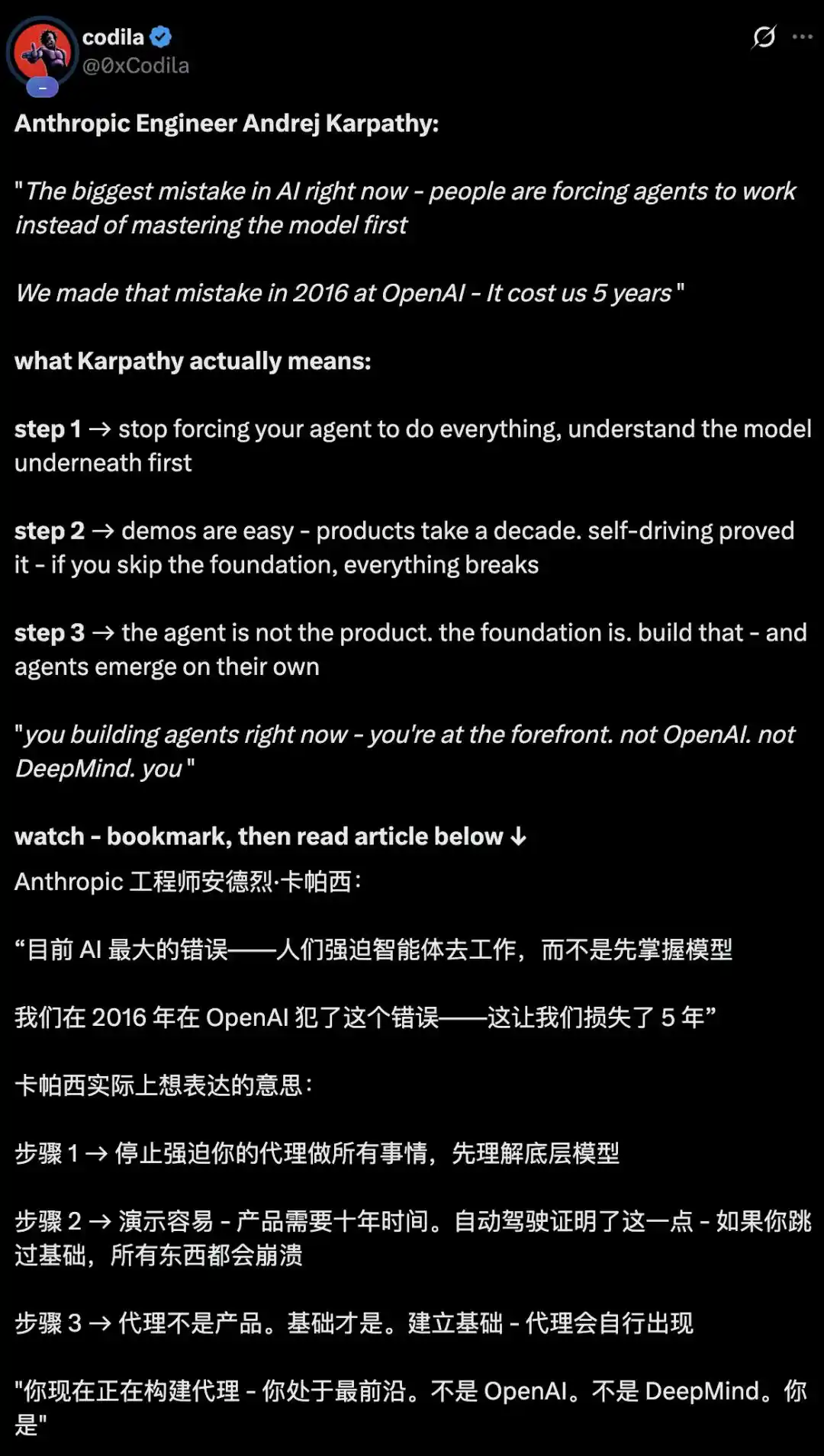
The clip was edited and thrown onto X, where it spread like wildfire in just a few days.

Because it precisely hit the nerve of the hottest, most crowded track that everyone is rushing into right now.

And the person saying this isn't an outsider throwing cold water; it's someone who has been through the trenches, reflecting on their own hard-earned lessons.

Lessons Learned with Real Money on the Line

Let's rewind to 2016.

Back then, Karpathy was working on a project at OpenAI called World of Bits. The goal sounded very "2026": Teach an Agent to use a keyboard and mouse to operate a computer, book flights, order food—basically, do your chores.

Sound familiar? That's almost the exact picture on the first slide of every Agent startup's pitch deck today.

The result? It didn't work out.

Karpathy put it bluntly: He, along with Tianlin Shi and Jim Fan, worked on it, frantically clicking on a few simple web pages, trying to book a flight or order some food. They even managed to publish a paper at ICML 2017.

The paper was titled "World of Bits: An Open-Domain Platform for Web-Based Agents"—a grand vision of a "world of bits" ultimately trapped on a few clunky web pages.
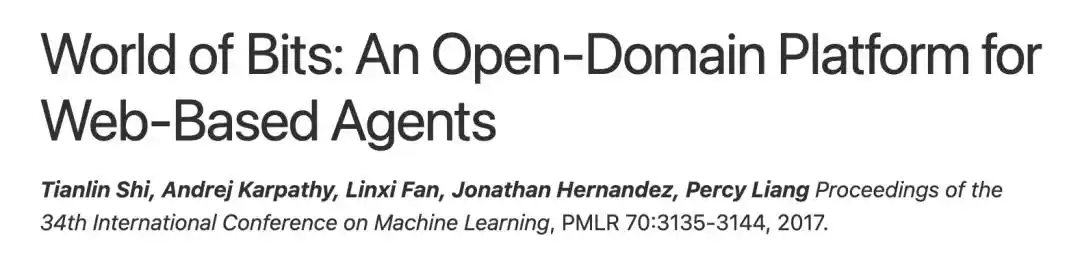
The technology wasn't ready. The only tool they had was reinforcement learning, and no matter how hard they hammered, it just wouldn't work.

Looking back, the truly correct approach back then would have been to completely forget about Agents and turn to working on language models instead.

Five years later, the toolbox is completely different—you folks building Agents today hardly use reinforcement learning at all. Back then, that was unimaginable.

Interestingly, Jim Fan, his co-author on that paper, is now a Senior Research Scientist at NVIDIA, creating explosive projects like Voyager and MineDojo, and winning an Outstanding Paper Award at NeurIPS.
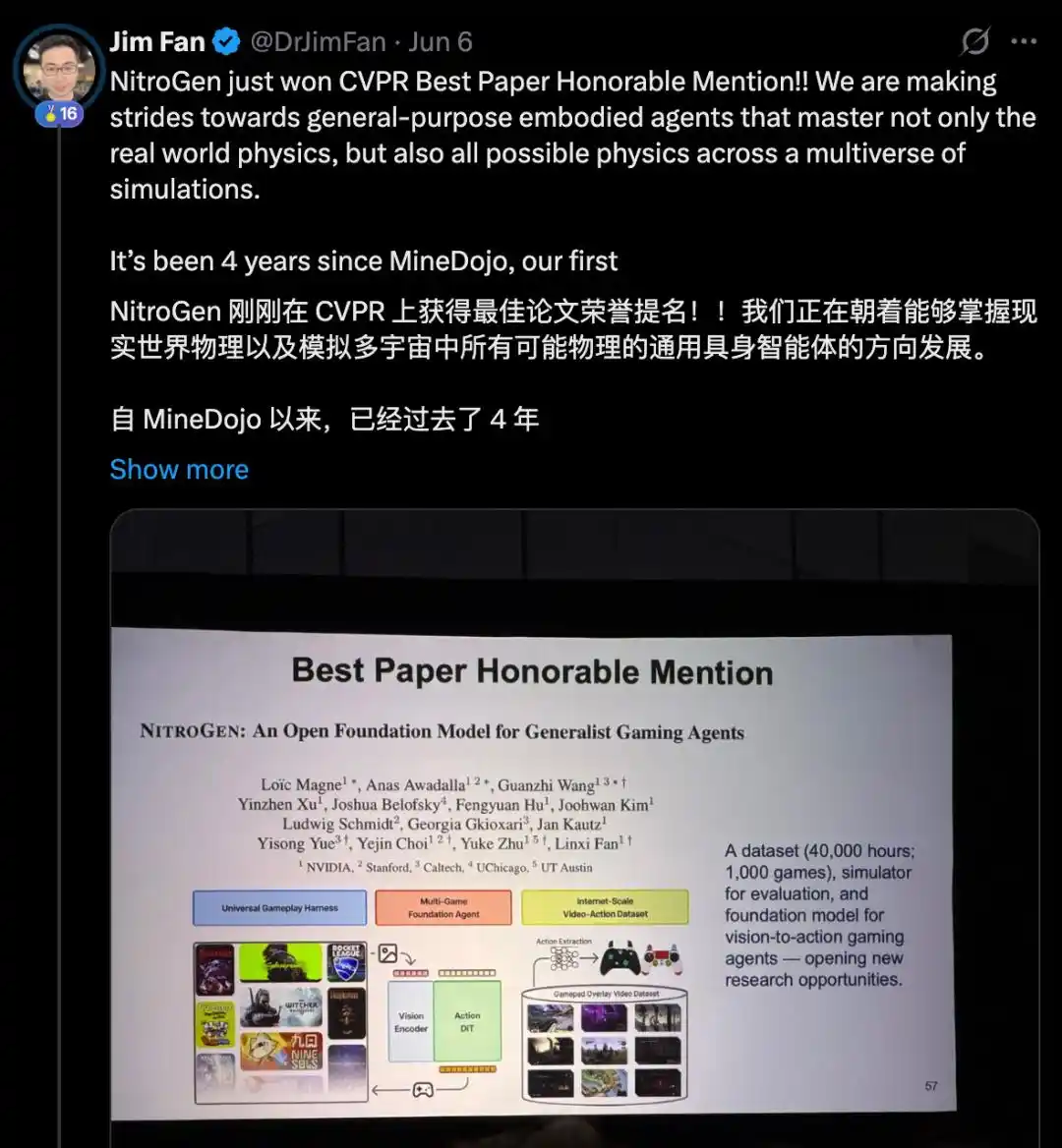
A young intern from a 2016 "failed project" has become a top player in the AI Agent field a decade later.

But the path taken wasn't the one from 2016.

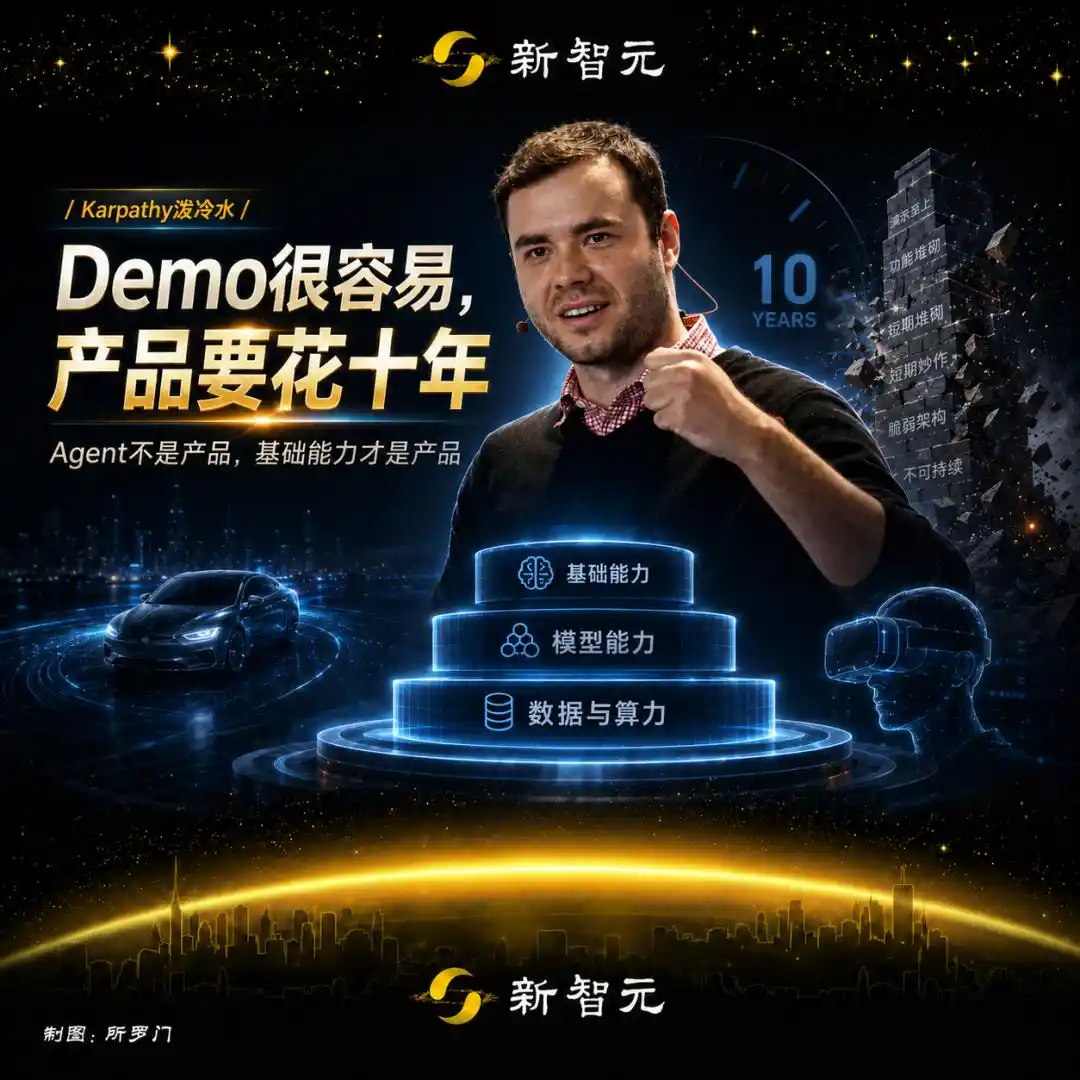
Demos are Easy; Building a Product Takes a Decade

Following this lesson, Karpathy offered three pieces of advice, each directly contradicting the current hype.

First, stop forcing your Agent to do everything. First, get the underlying model right.

When he joined Anthropic's pre-training team this past May, the first thing he wrote on X was: I believe the work on the LLM frontier will be particularly critical in the coming years.
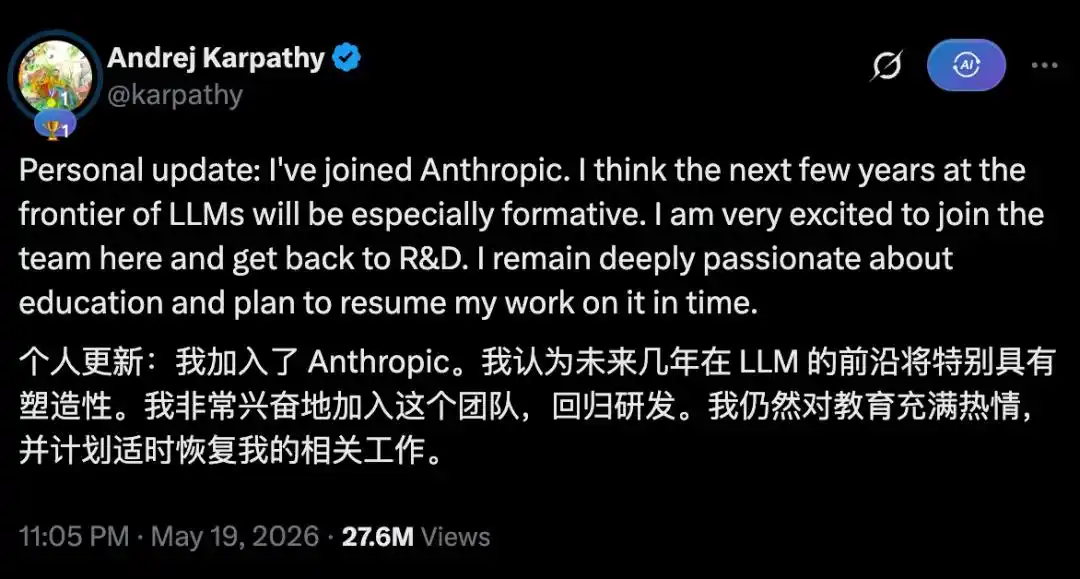
The person who "invented" vibe coding, which Collins Dictionary named its Word of the Year, is now choosing to return to the most foundational pre-training research—this in itself is a "behavioral vote" against the Agent hype.

Second, Demos are easy. Turning it into a product takes a decade.

He cited two examples everyone knows: Self-driving cars. Anyone can make a demo of a car driving around the block, but turning it into a real product took a full decade. He personally experienced that marathon at Tesla.

The same goes for VR. Impressive demos were everywhere, yet taking it to a product was also a decade-long journey.

Agents fall into this exact category.

Extremely easy to imagine, extremely easy to demo, but extremely difficult to turn into a real product.

If you're really getting into this field, you need to be prepared to work on it for ten years, not think you've made it after a flashy demo.

Third, an Agent is not the product. Foundational capabilities are the product. Build a solid foundation, and Agents will naturally emerge.

These three sentences almost completely negate the current playbook of "slap a shell on it, stack an Agent, and release it ASAP."

Karpathy's message is clear: If the foundation isn't solid, the faster you build the building, the harder it will collapse.

Self-driving cars have already validated this for everyone over the past decade. There's no reason Agents should skip this lesson.
Learning from the Brain

After the lesson, Karpathy pivoted, diving headfirst into neuroscience for inspiration.

On stage, he fired off a series of questions: In an Agent, what is equivalent to the hippocampus, responsible for memory, indexing, and retrieval?

What corresponds to the basal ganglia, controlling action selection and execution? What is the thalamus, that "seat of consciousness" where multiple thoughts fight for the microphone?

A top AI researcher is saying: What we lack most right now in building digital life isn't fancier features, but reverence for the root question of "what intelligence even is."

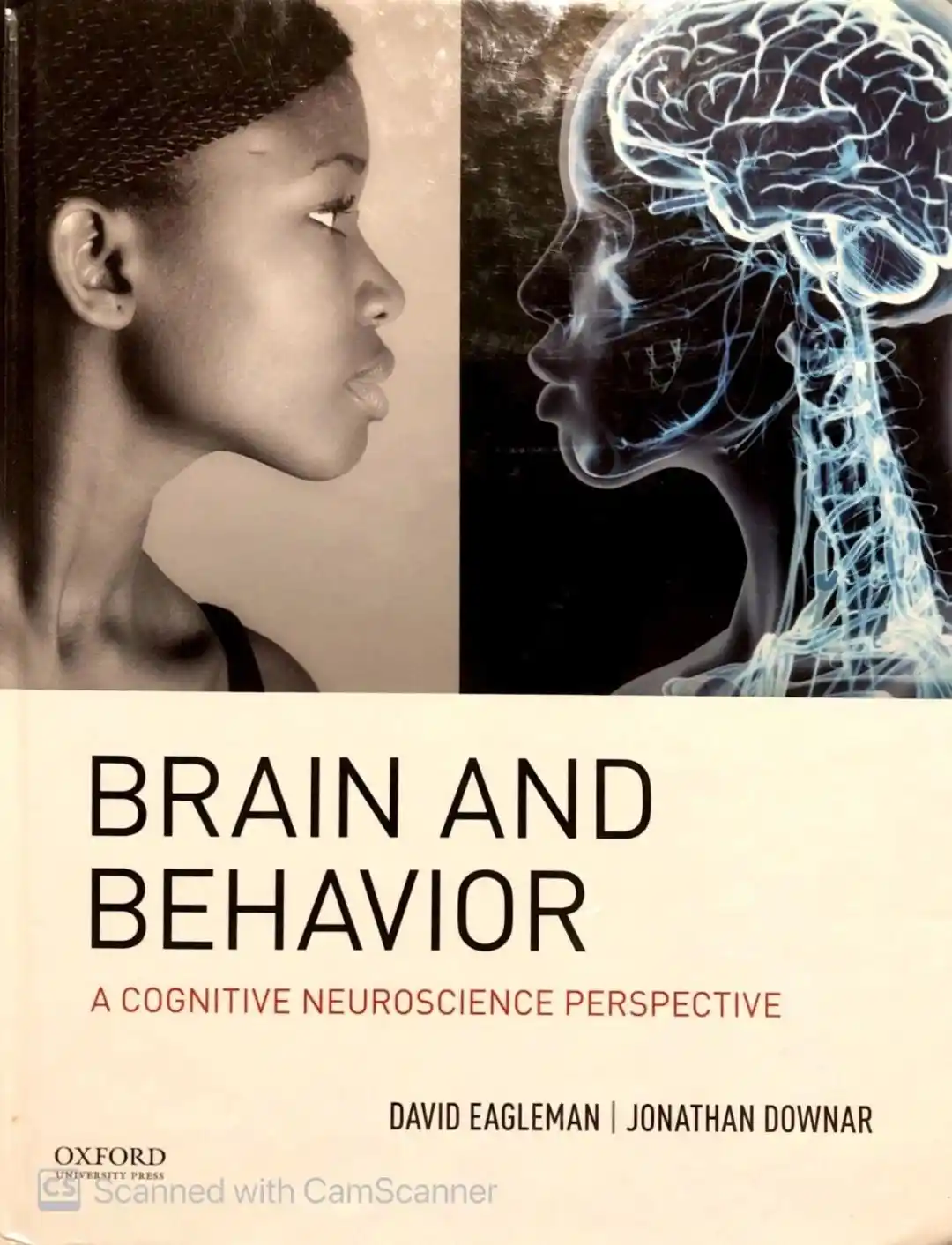
He even specifically brought a copy of David Eagleman's neuroscience book, "Brain and Behavior: A Cognitive Neuroscience Perspective," and recommended it to everyone in attendance.
In his view, building Agents today deserves the same approach as in the early days of deep learning—back then, we stole the inspiration for artificial neural networks from the structure of a single neuron; now, we can absolutely go steal from the brain again.

The Real Bombshell was This Last Sentence

If the earlier part was throwing cold water, Karpathy ended by lighting a fire for the audience.

He said to the room full of independent developers and entrepreneurs:

Those truly at the cutting edge of Agent capabilities are you. Not OpenAI, not DeepMind. It's you.

This wasn't just polite talk. He gave a particularly poignant explanation:

For a big lab like OpenAI, training large-scale Transformer language models is indeed unparalleled—when a new Transformer training paper comes out, the reaction inside their Slack is often, "Oh, someone tried this two and a half years ago, we know exactly why it didn't work."

But when a new Agent paper pops up, everyone's reaction is: "Oh, that's really cool, really novel."

Why? Because no major lab has five years of accumulated experience in the Agent field.

The big labs are not at the edge of capability here. You—entrepreneurs, hackers—you are the ones standing at that edge.

The logic isn't hard to grasp.

The big labs have been running on the language model track for so many years, they've already stepped in every pothole and marked every detour. But Agents are a newly opened frontier; no one has a five-year head start. Everyone is almost on the same starting line.

At this point, flexible, daring, and fast-moving independent developers actually have a better chance of stumbling upon something new than the giant, hard-to-turn ships of the major players.

Back to That Initial Bombshell

The cold water Karpathy wants to pour isn't "don't build Agents," but "don't skip the fundamentals to build Agents."

He himself is the best footnote—the person who invented vibe coding and used Agents to great effect made his most important career move in 2026: Returning to pre-training, returning to the most fundamental lab of large models.

The fire he wants to light isn't to make people anxious, but to tell everyone struggling on the front lines: In this battle, you're not behind. You're right at the front.

The hype will always fade, and demos will eventually lose their luster.

But those who truly master the underlying models and are willing to dive deep into something for ten years are the ones who deserve to stand on the shore a decade from now.

References: https://x.com/0xCodila/status/2073544407643496771

This article is from the WeChat public account "新智元" (Xin Zhi Yuan), author: ASI启示录, editor: Solomon


Трендовые криптовалюты

Связанные с этим вопросы

QWhat is Andrej Karpathy's main criticism of the current AI agent development trend?

AAndrej Karpathy criticizes the current trend of rushing to make AI agents perform tasks as the 'biggest mistake' in AI. He argues that developers are focusing on building agents without first fully understanding and solidifying the underlying large language models (LLMs), putting the cart before the horse.

QWhat historical project did Karpathy cite as a failed precursor to today's agent projects, and what was the key lesson?

AKarpathy cited the 'World of Bits' project from 2016 at OpenAI, which aimed to create an agent that could use a keyboard and mouse to perform tasks like booking flights. The project ultimately failed. The key lesson was that the technology (reinforcement learning at the time) wasn't ready, and the correct path would have been to focus on foundational language models instead.

QWhat are Karpathy's three pieces of advice for developers interested in AI agents?

A1. Focus on getting the underlying base model right before pushing the agent to do tasks. 2. Understand that a demo is easy, but turning it into a robust product takes about a decade of work (similar to autonomous driving or VR). 3. Recognize that the base capability (the model) is the real product; the agent functionality will naturally emerge from a solid foundation.

QWhy does Karpathy suggest that independent developers and startups are at the forefront of agent development, not major companies like OpenAI?

AKarpathy argues that while big companies have years of accumulated knowledge in training large-scale Transformer models, no one has a five-year head start in agent development. This new frontier levels the playing field. Independent developers and startups, being more agile, flexible, and willing to experiment quickly, are actually positioned at the cutting edge of discovering new agent capabilities.

QWhat analogy from neuroscience does Karpathy use to illustrate the current shortcomings in agent architecture?

AKarpathy draws an analogy to the human brain, asking what components in an agent correspond to key brain structures: the hippocampus (for memory, indexing, and retrieval), the basal ganglia (for action selection and execution), and the thalamus (the 'seat of consciousness' where multiple thoughts compete). He suggests current agent architectures lack this sophisticated, biologically-inspired design for core cognitive functions.

Похожее

За полгода в Китае появилось 67 новых единорогов, большинство из них — в сфере ИИ и робототехники

В первой половине 2026 года в Китае появилось 67 новых компаний-единорогов с общей оценкой в 182,9 млрд долларов, что стало рекордным полугодичным показателем за последние пять лет. Основными драйверами роста стали искусственный интеллект (17 компаний) и робототехника (19 компаний), на которые вместе приходится более 53% новых единорогов. Среди них выделяются DeepSeek (оценка ~61,5 млрд долларов) и Kling AI (оценка ~18 млрд долларов). Распределение по городам крайне сконцентрировано: Пекин (19), Шанхай (18), Шэньчжэнь (9) и Ханчжоу (5) объединяют 76,1% новых компаний. Наблюдается поляризация по скорости становления единорогами: 34,3% компаний (в основном в сферах ИИ и робототехники) достигли статуса менее чем за 3 года, часто благодаря выделению из крупных корпораций или известным основателям. В то же время, компании в сфере полупроводников и биотехнологий, как правило, шли к этому статусу более 8 лет. Этот всплеск знаменует начало нового цикла роста, движимого генеративным ИИ и воплощенным интеллектом, и отражает сдвиг в китайской инновационной экосистеме от потребительского интернета к глубоким технологиям.

marsbit32 мин. назад

За полгода в Китае появилось 67 новых единорогов, большинство из них — в сфере ИИ и робототехники

marsbit32 мин. назад

Vibe Coding случайно спалил токены на 55 тысяч юаней, но смех над ошибкой принес ему 700 миллионов юаней прибыли

Сотрудник финансовой компании Slash, увлекшись модным методом «Vibe Coding» (программирование по наитию), создал простую пиксельную FPS-игру «Brainrot Shooter». Первоначально он в шутку заявил, что разработка «сожгла» AI-токенов на 81 267 долларов (около 550 000 юаней), вызвав волну обсуждений и насмешек в сети. Компания, решив извлечь выгоду из ситуации, представила игру как маркетинговый проект. Неожиданно игра стала вирусной: за 48 часов в неё сыграли почти 7000 человек, накопив почти 9000 часов игрового времени, и привлекла внимание рекламодателей. Вскоре сотрудник заявил, что благодаря хайпу вокруг игры платформа Slash привлекла дополнительные 100 миллионов долларов управляемых активов (AUM), что превратило потенциальный провал в огромный успех с предполагаемой окупаемостью более 1200 раз. Однако позже выяснилось, что история о гигантских расходах в 81 267 долларов была мистификацией — реальная стоимость разработки игры с использованием AI не превысила 200 долларов. Вся история оказалась хорошо спланированной маркетинговой кампанией («Vibe Marketing»), которая успешно привлекла глобальное внимание к компании и её продукту, демонстрируя силу вирального контента и нетрадиционного пиара.

marsbit56 мин. назад

Vibe Coding случайно спалил токены на 55 тысяч юаней, но смех над ошибкой принес ему 700 миллионов юаней прибыли

marsbit56 мин. назад

Aave V4 превысил $250 млн – но ОДНА проблема с ликвидностью остается

Aave V4 достиг значимой вехи, превысив $250 млн в депозитах, что свидетельствует о сильном начальном спросе на обновленную кредитную инфраструктуру протокола. Этот рост обеспечен улучшенной капитальной эффективностью и расширенными возможностями для кредиторов. Однако часть этих средств представляет собой миграцию из V3, а не новый капитал. Для устойчивого роста Aave необходимо привлекать чистый приток ликвидности извне. Несмотря на рекордные показатели депозитов в V4, общая ликвидность (TVL) в экосистеме Aave всё ещё далека от исторических максимумов, достигнув около 7,4 млн ETH после падения. Хотя отток средств в некоторых сегментах опережает приток, наблюдается обнадёживающий тренд — резкий рост депозитов cbETH (до ~$70 млн), что указывает на растущий спрос на стейкинг-залоги и укрепляет кредитный потенциал платформы. Будущая позиция Aave как доминирующего поставщика ликвидности в DeFi будет зависеть от способности протокола постоянно генерировать чистый приток нового капитала, исключая внутренние перемещения средств.

ambcrypto1 ч. назад

Aave V4 превысил $250 млн – но ОДНА проблема с ликвидностью остается

ambcrypto1 ч. назад

Вероятность опустилась ниже 50%: Закон Clarity в этом году не будет принят?

Вероятность принятия закона Clarity о регулировании цифровых активов в США упала ниже 50%. Законопроект, целью которого является создание федеральных правил для крипторынка и разграничение полномочий между SEC и CFTC, не был подписан к намеченной дате 4 июля. Основные препятствия включают разногласия по поводу доходов от стейблкоинов, освобождения от ответственности разработчиков DeFi и этических норм, усугубленные вопросами раскрытия криптоактивов семьи Трампа. Несмотря на поддержку в комитетах, последние переговоры по ключевым положениям зашли в тупик. Сейчас для закона остаётся узкое окно возможностей — примерно три недели эффективной работы Конгресса после 13 июля, до августовских каникул. Тем временем, по данным Polymarket, рынок оценивает вероятность подписания закона в этом году лишь в 49%. Аналитики отмечают, что принятие закона может ускорить внедрение блокчейна традиционными финансовыми институтами, а задержка продлит период нормативной неопределённости.

Foresight News1 ч. назад

Вероятность опустилась ниже 50%: Закон Clarity в этом году не будет принят?

Foresight News1 ч. назад

Stablecoin Open USD ставит Circle и Tether на уведомление

На рынке стейблкоинов появился новый серьезный претендент — Open USD от Open Standard. В отличие от многих новых проектов, он запускается не в одиночку, а при поддержке более 140 компаний из сфер платежей, финтеха, криптовалют и финансовой инфраструктуры. Это превращает конкуренцию в борьбу за дистрибуцию. Open USD позиционируется как стейблкоин для интернет-экономики, ориентированный на низкую стоимость, высокую пропускную способность и широкую доступность. Его экономическая модель призвана делиться ценностью с партнерами-участниками, что бросает вызов устоявшемуся порядку, где доминируют Tether (USDT) и Circle (USDC). Ключевое отличие Open USD — попытка решить проблему внедрения через плотную сеть партнеров с первого дня. Однако устоявшиеся игроки обладают значительным преимуществом в виде ликвидности, интеграций, доверия и сетевых эффектов. Главный вывод: стейблкоины становятся инфраструктурой, и следующая битва может развернуться не за объемы на биржах, а за то, какой стандарт бизнесы встроят в свои платежные системы. Хотя Open USD еще предстоит доказать свою жизнеспособность, его запуск с широкой поддержкой делает гонку стейблкоинов более интересной.

bitcoinist2 ч. назад

Stablecoin Open USD ставит Circle и Tether на уведомление

bitcoinist2 ч. назад

Торговля

Спот

Популярные статьи

Как купить S

Добро пожаловать на HTX.com! Мы сделали приобретение Sonic (S) простым и удобным. Следуйте нашему пошаговому руководству и отправляйтесь в свое крипто-путешествие.Шаг 1: Создайте аккаунт на HTXИспользуйте свой адрес электронной почты или номер телефона, чтобы зарегистрироваться и бесплатно создать аккаунт на HTX. Пройдите удобную регистрацию и откройте для себя весь функционал.Создать аккаунтШаг 2: Перейдите в Купить криптовалюту и выберите свой способ оплатыКредитная/Дебетовая Карта: Используйте свою карту Visa или Mastercard для мгновенной покупки Sonic (S).Баланс: Используйте средства с баланса вашего аккаунта HTX для простой торговли.Третьи Лица: Мы добавили популярные способы оплаты, такие как Google Pay и Apple Pay, для повышения удобства.P2P: Торгуйте напрямую с другими пользователями на HTX.Внебиржевая Торговля (OTC): Мы предлагаем индивидуальные услуги и конкурентоспособные обменные курсы для трейдеров.Шаг 3: Хранение Sonic (S)После приобретения вами Sonic (S) храните их в своем аккаунте на HTX. В качестве альтернативы вы можете отправить их куда-либо с помощью перевода в блокчейне или использовать для торговли с другими криптовалютами.Шаг 4: Торговля Sonic (S)С легкостью торгуйте Sonic (S) на спотовом рынке HTX. Просто зайдите в свой аккаунт, выберите торговую пару, совершайте сделки и следите за ними в режиме реального времени. Мы предлагаем удобный интерфейс как для начинающих, так и для опытных трейдеров.

1.6k просмотров всегоОпубликовано 2025.01.15Обновлено 2026.06.02

Как купить S

Sonic: Обновления под руководством Андре Кронье – новая звезда Layer-1 на фоне спада рынка

Он решает проблемы масштабируемости, совместимости между блокчейнами и стимулов для разработчиков с помощью технологических инноваций.

2.3k просмотров всегоОпубликовано 2025.04.09Обновлено 2025.04.09

Sonic: Обновления под руководством Андре Кронье – новая звезда Layer-1 на фоне спада рынка

HTX Learn: Пройдите обучение по "Sonic" и разделите 1000 USDT

HTX Learn — ваш проводник в мир перспективных проектов, и мы запускаем специальное мероприятие "Учитесь и Зарабатывайте", посвящённое этим проектам. Наше новое направление .

1.9k просмотров всегоОпубликовано 2025.04.10Обновлено 2025.04.10

HTX Learn: Пройдите обучение по "Sonic" и разделите 1000 USDT

Обсуждения

Добро пожаловать в Сообщество HTX. Здесь вы сможете быть в курсе последних новостей о развитии платформы и получить доступ к профессиональной аналитической информации о рынке. Мнения пользователей о цене на S (S) представлены ниже.

活动图片













