Автор: Джош Суайхарт, основатель ZODL
Перевод: Felix, PANews
Примечание редактора: Zcash долгое время считался пионером в нише приватных монет, но сталкивался с застоем в управлении и трудностями роста пользовательской базы. После трёх лет корректировок Zcash претерпел трансформацию. Джош Суайхарт, основатель ZODL (бывший CEO ECC), был ключевой фигурой, продвигавшей эти изменения. В данной статье он представляет системное изложение прошлого, настоящего и будущего Zcash. Далее следует детальное содержание.
Мне очень нравится читать различные теории о стабильном росте Zcash с конца прошлого года, но мало кто вникает в детали. Давайте оглянемся на последние три года, чтобы прояснить причины нынешнего сильного импульса развития Zcash и весь путь, который он прошёл.
Три года назад Zcash предлагал передовые криптографические технологии, изменившие мир, но двигался с трудом. Тогда цена ZEC стабильно держалась около 30 долларов. Менее 11% от общего объёма эмиссии находилось в анонимном пуле. Форум сообщества был в запустении, переполненный спорами по вопросам управления и внутренними конфликтами. Две организации (ECC и Zcash Foundation) через соглашение о товарных знаках, основанное на американском праве, имели фактическое право вето на развитие протокола. При этом эти две организации получали гарантированное финансирование на разработку вне зависимости от результатов работы.
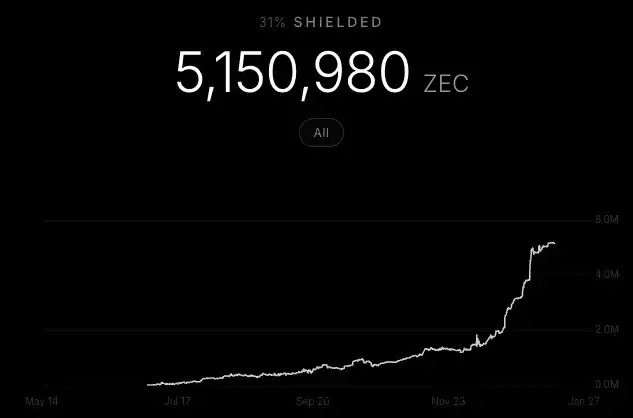
Сегодня цена ZEC составляет около 600 долларов, рост за год — примерно 1500%. Около 31% (стоимостью более 30 миллиардов долларов) средств хранится в анонимных кошельках под контролем пользователей. К середине марта доля анонимных транзакций выросла до 86,5%. Проект масштабирования Tachyon получил финансирование, согласующееся с целями сообщества. NU6 полностью упразднил модель прямого финансирования и перестроил модель финансирования разработки самого протокола. ZODL привлёк финансирование в размере 25 миллионов долларов от Paradigm, a16z crypto, Winklevoss Capital и Coinbase Ventures.
Всё имеет причину и следствие. Вот ключевые точки прорыва и причины ускорения роста.
Снятие оков управления
В первые восемь лет Zcash направлял 20% от каждой награды за блок двум фиксированным организациям (позже был добавлен Zcash Community Grants). Это создало проблему монополии заинтересованных сторон. Эти организации контролировали управление, не испытывая давления для увеличения влияния, а сообщество не могло перераспределять ресурсы. За время моей работы в ECC я собственными глазами видел негативные последствия таких искажённых стимулов.
Ситуация изменилась. В мае 2024 года ECC в одностороннем порядке объявил, что больше не будет принимать прямое финансирование. Этот шаг вынудил проблему всплыть на поверхность: старая модель не могла существовать, если её крупнейший бенефициар отказывался от участия. NU6 сократил прямое финансирование, направив 8% в Zcash Community Grants (ZCG) для грантов экосистеме, а ещё 12% — в управляемый протоколом «сейф» для последующего распределения держателями ZEC среди тех, кто внёс значительный вклад.
Эта модель установила временные ограничения. И 8%, и 12% финансирования прекратятся к концу 2028 года, во время третьего халвинга. Сообщество может проголосовать за продление, но это не является гарантированным и должно быть основано на подавляющем консенсусе внутри сообщества.
Затем в августе 2024 года ECC официально уведомило о прекращении соглашения о товарных знаках, которое ранее предоставляло ECC и ZF фактический «контроль через мультисиг 2-of-2» над протоколом. Шесть месяцев спустя Zcash Foundation (ZF) объявил, что больше не будет использовать права на товарные знаки для вмешательства в управление. Монополия на управление Zcash была разрушена, держатели монет и другие группы внутри экосистемы наконец получили голос. Ни одна организация, включая ZCAP от ZF, не может монополизировать интерпретацию мнения сообщества.
Zcash наконец обрёл свободу.
Снятие оков продукта
В январе 2024 года мы (тогда под названием ECC) переориентировались на рост пользовательской базы как на главный приоритет. Это стало кардинальным изменением по сравнению с предыдущими годами.
В течение многих лет инженерная команда фокусировалась на криптографических исследованиях, основном протоколе и улучшении приватности. Эти усилия сделали приватные технологии Zcash выдающимися, но не привлекали новых пользователей. Фактически, к 2023 году размер сообщества начал сокращаться.
На платформе X держатели Zcash жаловались на стагнацию цены и регуляторное давление, задаваясь вопросом, есть ли у «приватных монет» будущее. Тогда 60% твитов были негативными или нейтральными. Исследование, проведённое ZURE (@peacemongerz, ныне руководитель маркетинга ZODL), показало, что NPS (индекс лояльности) держателей ZEC был крайне низким, -60, что указывало на сильную неудовлетворённость пользователей.
Мы прислушались и начали разрабатывать продукты, которые пользователи действительно хотели использовать. Это тогда и сейчас является нашим ориентиром, направляющим разработку кошелька Zodl, командного кошелька Zallet и даже основного протокола.
Zashi (позже переименованный в Zodl), выпущенный в марте 2024 года, стал самым наглядным воплощением этой новой стратегии: приватность по умолчанию, поддержка аппаратных кошельков, возможность обмена между разными валютами. Мы предоставили мировую приватную валюту, упакованную в простой и удобный интерфейс.
Эффект очевиден. К концу 2025 года объём анонимного пула вырос примерно с 11% до 30%, что в абсолютном выражении ZEC означает рост более чем на 400%. Каждая монета в анонимном пуле хранится пользователями самостоятельно. К середине марта доля анонимных транзакций достигла 86,5%. С октября прошлого года этот кошелёк обработал обмен ZEC на сумму более 600 миллионов долларов. Это не объёмы централизованных бирж и не накопление активов в хранилищах, а реальные пользователи, выбравшие приватность и контролирующие свои собственные приватные ключи.
Снятие оков нарратива
У Zcash была проблема с позиционированием. Ярлык «приватной монеты» приводил к её исключению с бирж, проверкам со стороны регуляторов и избеганию институциональными инвесторами. Истинная ценность проекта была скрыта: денежная политика, подобная биткоину, и возможность проверяемых и приватных платежей с помощью передовой криптографии.
Сегодня Zcash стал неудержимой приватной валютой. Zcash — это протокол, ZEC — это актив, а Zodl — это портал к самообладанию, свободе слова, свободе транзакций и суверенной независимости через приватность. Это структурно: управляемый сообществом протокол, дефицитный актив для приватного накопления стоимости и платежей, и портал, не связанный с управлением протоколом, конкурирующий только за качество продукта. Это «троица» приватной валюты.
В рамках этой модели биржи, эмитенты ETF и поставщики инфраструктуры могут поддерживать этот актив, не высказываясь о том, как пользователи используют протокол. Это заложило основу для входа ZEC в мультичейн-экосистему, листинга на Robinhood, раскрытия позиций Multicoin, подачи заявки на ETF Grayscale и запуска майнинг-пула Foundry. Для распределителей активов, которые ранее не могли работать с этим активом, ценностное предложение стало очевидным.
Снятие организационных оков
В январе 2026 года после разногласий с советом директоров Bootstrap (американской некоммерческой организации 501(c)3) вся команда ECC уволилась и основала Zcash Open Development Lab (ZODL). Суть разногласий заключалась в контроле: со стороны небольшой группы членов совета, не участвующих в реальной работе, или со стороны самой команды. Совет отдавал приоритет собственным интересам, поэтому команда была вынуждена уйти и начать заново в организационной структуре, где миссия стоит на первом месте.
Некоммерческим организациям трудно масштабироваться. Создание продуктов потребительского уровня со скоростью, требуемой Zcash, нуждается в капитале, как у стартапа, быстром найме и эффективном принятии решений. Привлечение ZODL 25 миллионов долларов финансирования от Paradigm, a16z и других стало сильным сигналом, признанием команды и её миссии по масштабированию. Вся отрасль увидела, как собирается «Мстители».
Текущие рыночные настроения
Самый мощный индикатор настроений — это размер анонимного пула. Пользователи не переводят ZEC в самохранимые анонимные адреса ради спекуляции. Они делают это из доверия и веры. Рост анонимного пула с 11% до 31% от общего предложения представляет собой сотни тысяч независимых решений выбрать самохранение и защиту приватности.
Данные LunarCrush показывают, что за последний год обсуждения ZEC выросли на 15 245%, в то время как для биткоина — на 190%. ZEC занимает второе место по AltRank на всём крипторынке. Доля позитивных настроений достигла 81%. Скорость контрибьюторов на GitHub выросла примерно на 20% в годовом исчислении. Темы на форуме сместились от споров по управлению к продуктам и технической работе.
Что дальше?
Коротко говоря, ближайший фокус — это пользовательский опыт, масштабируемость и подготовка к постквантовой эре.
Кошелёк Zodl: Мы продолжаем оптимизировать производительность, добавлять больше вариантов обмена, каналы ввода/вывода средств и функции, которых ждут пользователи, сохраняя при этом простоту и удобство использования. Команда @zkDragon также присоединилась, чтобы помочь в разработке таких функций, как внутриприложенное голосование держателей.
Масштабируемость: С сокращением времени блока с 75 до 25 секунд и проектом Tachyon под руководством @ebfull, масштабируемость значительно улучшится. Tachyon реорганизует протокол вокруг безсостоятельных кошельков с рекурсивными zk-доказательствами, устраняя узкие места синхронизации, которые беспокоили в течение многих лет, с целевой пропускной способностью на уровне Visa/Mastercard. В процессе мы откажемся от старого узла zcashd в пользу современного zebrad, написанного на Rust.
Квантоустойчивость: Кошелёк с «квантово-восстановимыми» ключами ожидается к выпуску в течение месяца, а полная квантоустойчивость — в течение 12–18 месяцев. Это защитит средства пользователей от криптографических изменений, с которыми финансовая система столкнётся в ближайшее десятилетие.
По мере созревания работ следующие обновления сети будут постепенно превращать эти ключевые области в изменения протокола. Конкретные детали всё ещё уточняются через обсуждения ZIP.
В целом, Zcash станет быстрее, удобнее в использовании, функциональнее, более масштабируемым и защищённым от квантовых угроз.
Читайте также: За ростом на 70%: Почему забытый Zcash неожиданно «взорвался» в 2026 году?