【新智元导读】В OpenAI ночью произошло землетрясение: три козырные карты — ChatGPT, Codex и API — срочно объединяются, президент лично возглавляет! Преследователь Anthropic уже взлетел до оценки в 900 миллиардов, битва за жизнь и смерть перед IPO, грядёт супер-приложение.
Только что, в субботу утром, в технологических кругах вновь вспыхнула сенсационная новость.
OpenAI официально, без всякого предупреждения, объявила о самой крупной и резкой реорганизации структуры компании за всю историю накануне IPO.
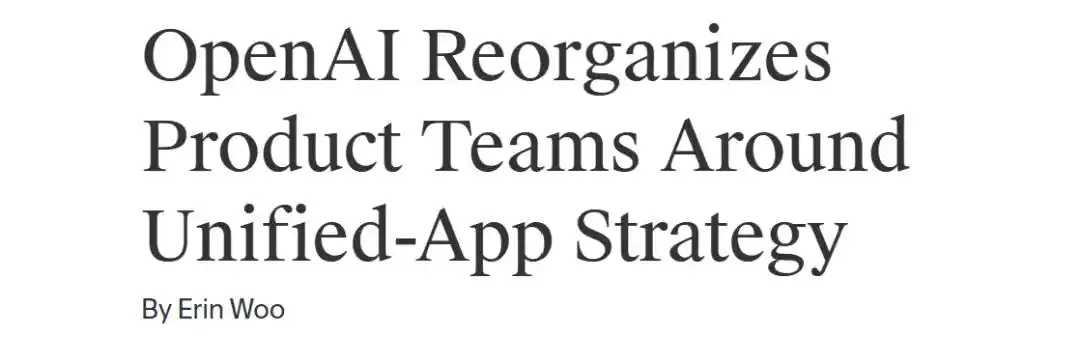
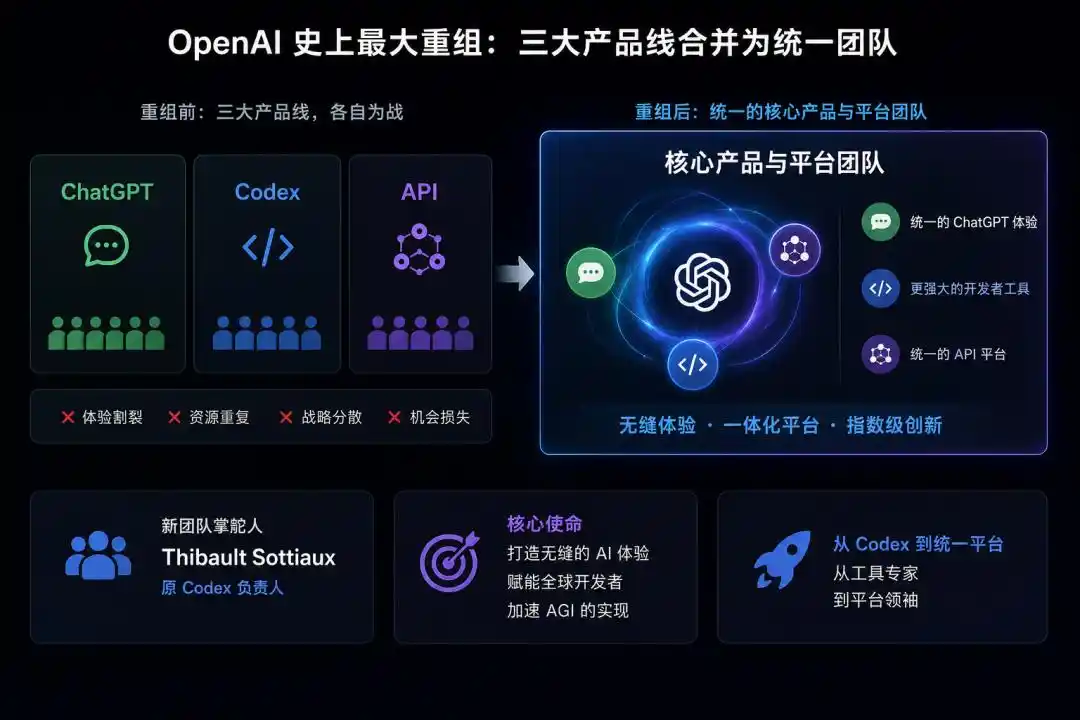
Три ключевых продуктовых линии — ChatGPT, Codex и жизненная артерия экосистемы разработчиков — API, были полностью раздроблены и тут же слиты в единую продуктовую организацию!
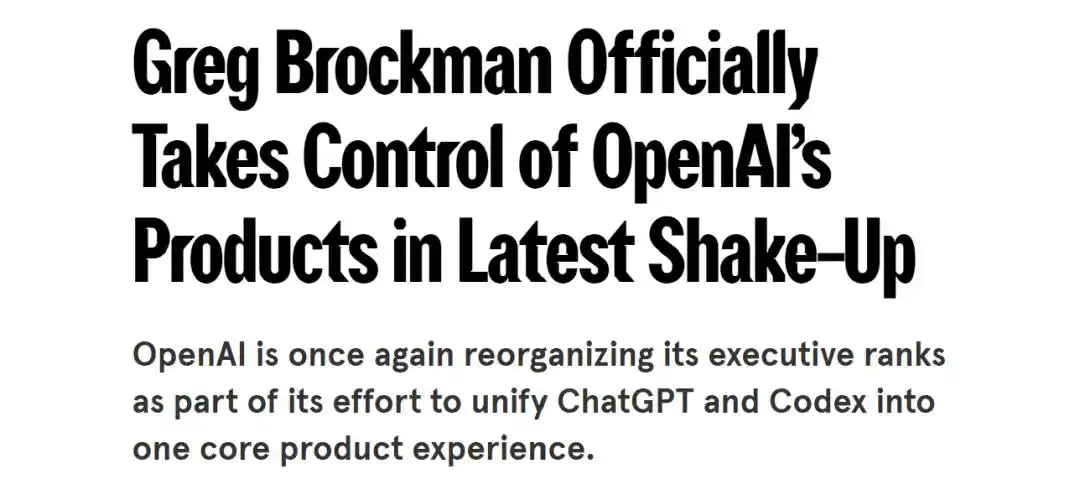
Что ещё более шокирует, сооснователь и президент OpenAI, тот самый технический воин Грег Брокман, который когда-то ушёл в отставку в знак протеста после отстранения Олтмена, официально выдвинут на передний план и полностью берёт на себя продуктовую стратегию!
На поверхности это выглядит как стратегическая фокусировка OpenAI на эпоху агентов.
Но по сути, это явно захватывающая «Битва за Кремниевую долину»: отцы-основатели ChatGPT были переведены, ключевые руководители один за другим уходили, глава AGI ушёл в бессрочный отпуск по болезни...
Сейчас преследователи OpenAI уже смотрят волком.
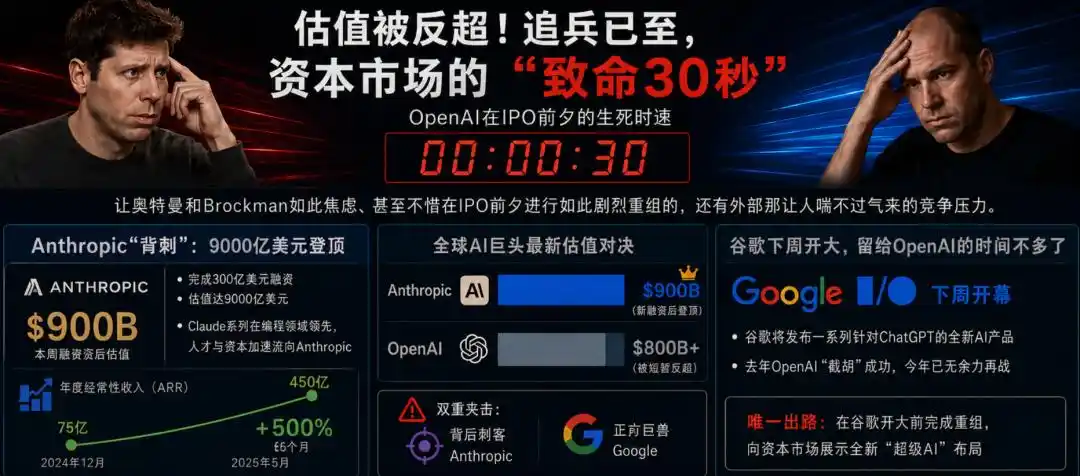
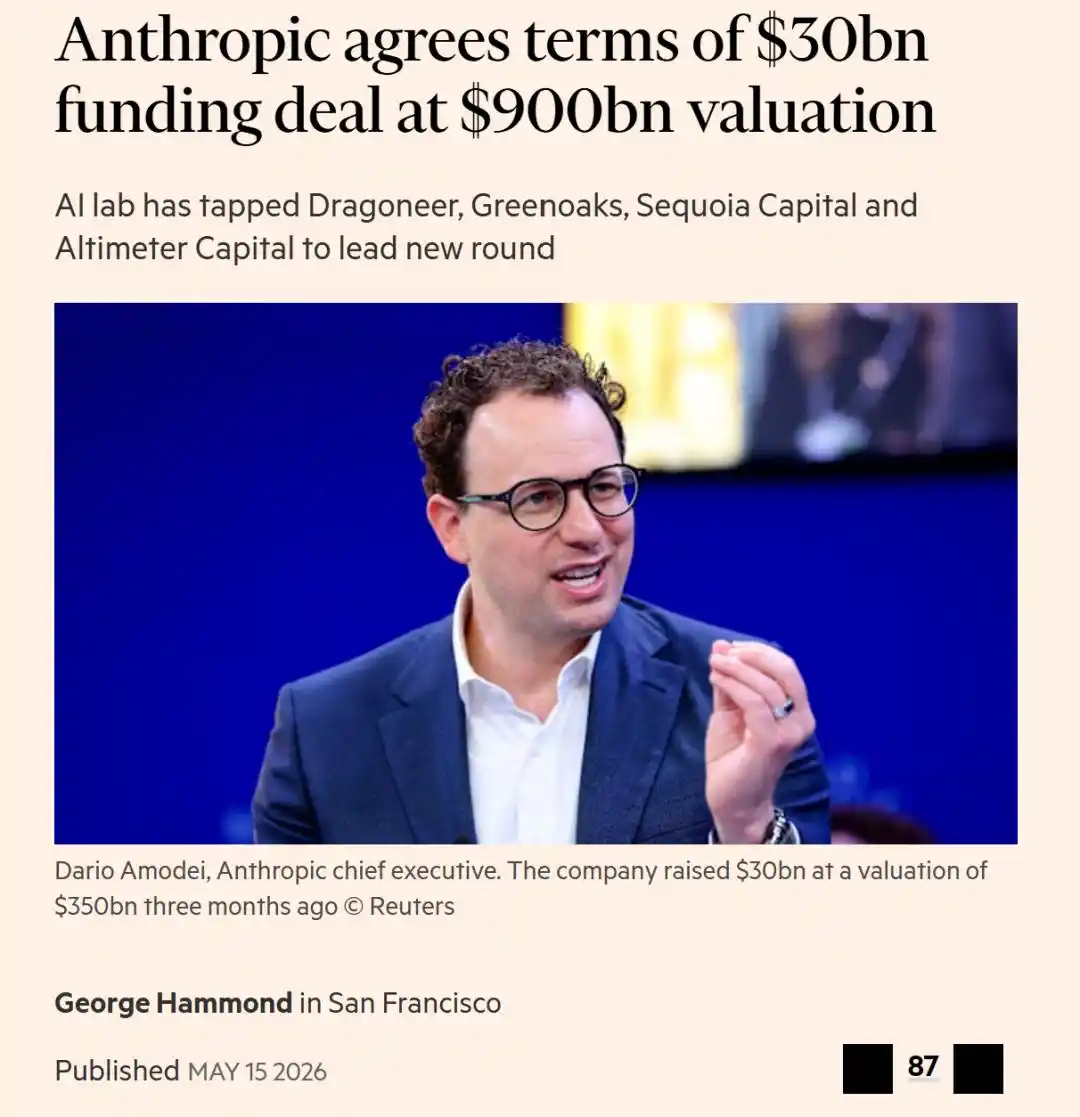
Anthropic только что закрепил финансирование в 30 миллиардов долларов, оценка взлетела до 900 миллиардов, совершив эпическое догоняние OpenAI; Google точит топоры перед предстоящей конференцией I/O на следующей неделе.
900 миллионов еженедельных активных пользователей висят на волоске, сильнейшая AI-империя на планете встречает свою судьбоносную осень!
Внезапно заменённый лидер и теневой король, выходящий на свет
Самым неожиданным в этой настройке стала решительность OpenAI в отношении ключевых заслуженных деятелей.
«Отец» ChatGPT был переведён
Если выбирать самого заметного заслуженного деятеля OpenAI за последние два года, Ник Тёрли определённо входит в этот список.
Как полноправный руководитель ChatGPT с момента его запуска, Ник Тёрли своими руками выкормил ChatGPT из «бесплатного приложения в наборе», на который никто не обращал внимания, в сегодняшнее мировое супер-приложение номер один с 900 миллионами еженедельных активных пользователей.
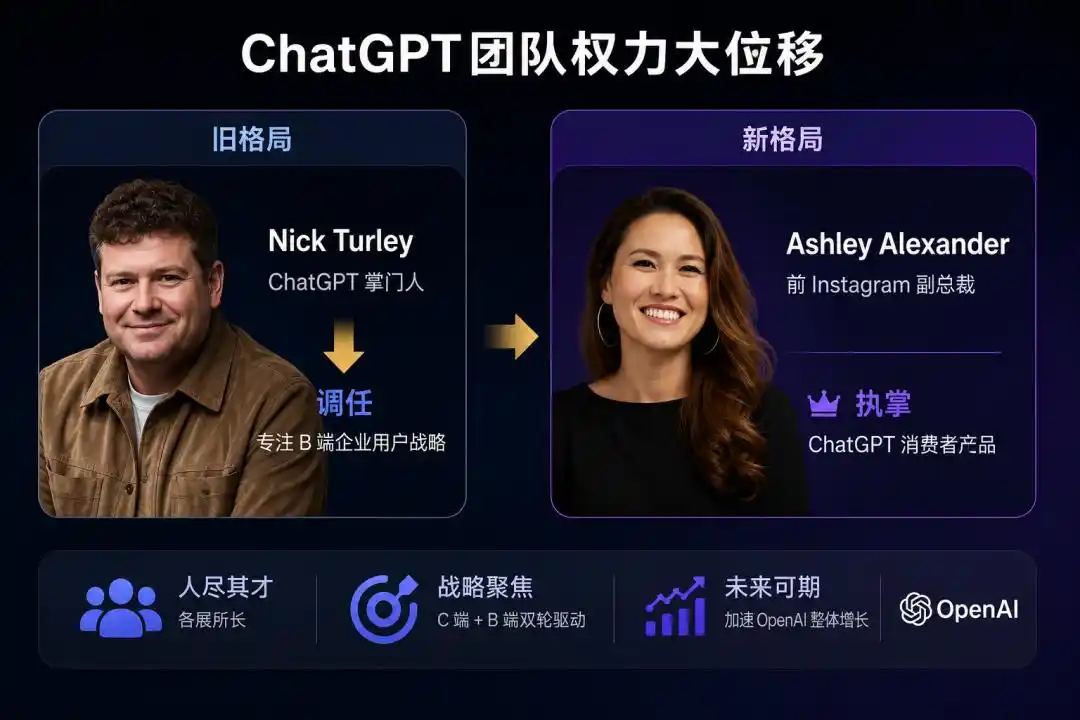
Однако в этой смене власти этот заслуженный «отец» ChatGPT был переведён указом прямо с самой центральной, самой привлекательной потребительской продуктовой линии в руководство относительно скучным направлением «корпоративных пользователей».
«Он больше не отвечает ни за какие потребительские продукты», — холодно объявило внешнее издание WIRED, объявив тем самым конец эпохи отца-основателя ChatGPT в цитадели C2C.
Место первого лица по потребительским продуктам заняла бывший вице-президент Instagram Эшли Александер.
Эта генеральша, изначально отвечавшая в OpenAI за приложения для здравоохранения, совершила прямое десантирование в самый центр трафика.
Возвращение воина: «Закулисное правление» Брокмана закончилось
Если перевод Ника Тёрли — это «передислокация генерала», то личное назначение Грега Брокмана — это грандиозные перемены на высшем уровне власти OpenAI.
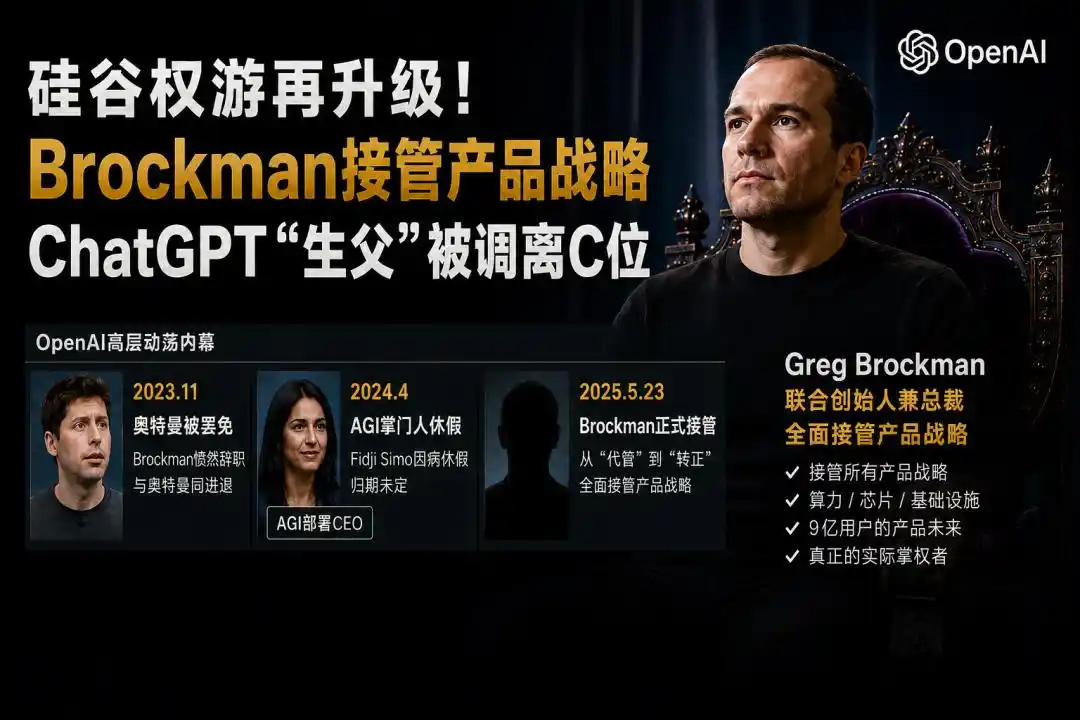
Как сооснователь и президент OpenAI, Брокман в технических кругах всегда был серьёзным игроком.
Он мог бросить железную миску риса и уйти вместе с Олтменом, когда совет директоров его сверг, а после возвращения мог молча и упорно работать над AI-инфраструктурой на заднем плане.
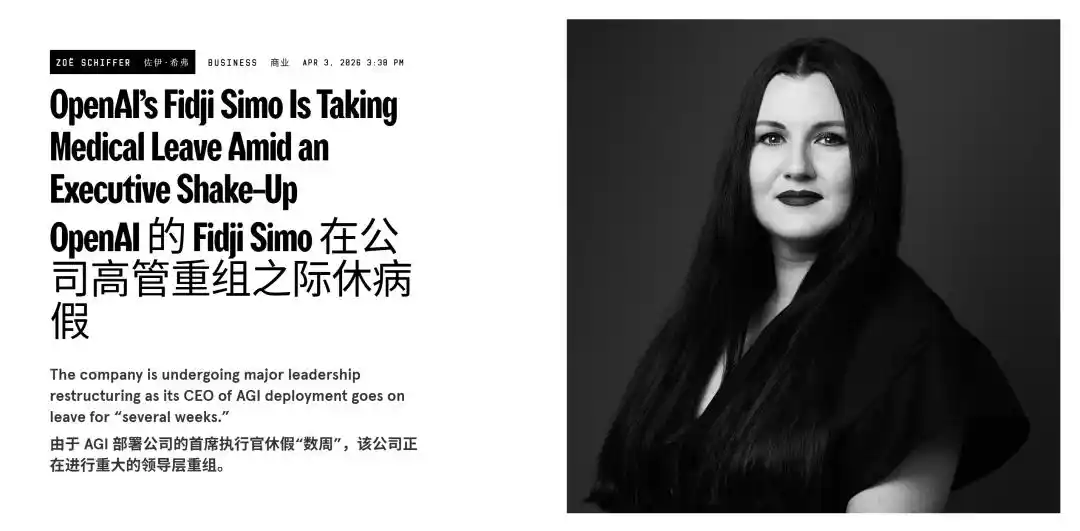
Недавно номинальный «CEO по развёртыванию AGI» OpenAI Фиджи Симо из-за серьёзного рецидива хронического заболевания с начала апреля ушёл в непрерывный отпуск, дата возвращения не определена. Ранее Брокман лишь временно управлял продуктами.
Но именно в эту пятницу OpenAI напрямую разослала всем сотрудникам памятную записку: «временное управление» Брокмана официально стало постоянным.
Он полностью и на долгосрочной основе официально возьмёт на себя всю продуктовую стратегию OpenAI!
Теневой король, который ремонтировал дороги и строил мосты в техническом тылу, наконец вынужден выйти под свет софитов.
Отныне ему придётся управлять не только вычислительной мощностью, чипами, цепочками поставок Blackwell, но и тем, о чём 900 миллионов человек ежедневно болтают в ChatGPT, став настоящим фактическим правителем.
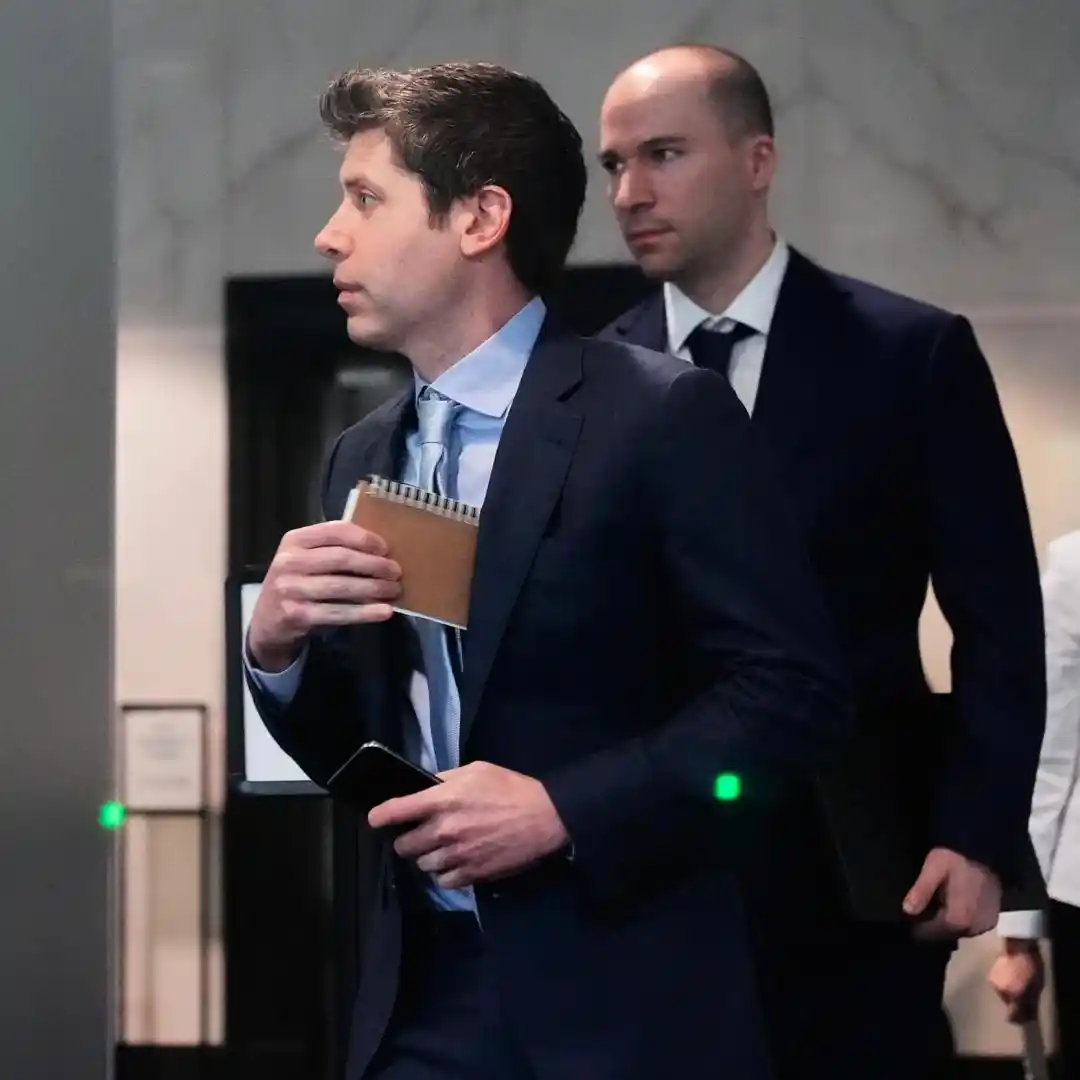
Объединение трёх линий! Грандиозная ставка Олтмена: «Супер-приложение» наступает
Почему именно в этот критический момент нужно было буквально слепить вместе три продуктовые линии?
В просочившейся внутренней памятной записке Брокман дал ответ языком, крайне подстрекательским для индустрии.
«Мы консолидируем нашу продуктовую работу, чтобы с максимальной концентрацией двинуться в эпоху агентов (Agentic Future), чтобы добиться полной победы как на потребительском, так и на корпоративном фронте!»

Впервые в истории высшее руководство OpenAI столь ясно признало: прежние продуктовые линии OpenAI достигли периода распухания, когда перемены стали необходимы.
От «тройки лошадей» до «сплочённого монолита»
До реорганизации три продуктовые линии внутри OpenAI практически действовали каждая сама по себе.
ChatGPT: Отвечал за красоту, обработку C2C-трафика, привлечение 900 миллионов еженедельных активных пользователей;
Codex: Отвечал за тихое обогащение, упорную работу над программированием и генерацией кода, был волшебным инструментом программистов;
API: Отвечал за сбор «налога» с разработчиков по всему миру, построение экосистемного защитного рва.
Но в глазах Брокмана такой раскол неприемлем. По мере эволюции AI-возможностей эти три вещи естественным образом сходятся.
Современный ChatGPT, если он не умеет писать код, не умеет автоматически запускать API, — это всего лишь чатовая ваза; Codex без интерфейса взаимодействия ChatGPT не сможет стать инструментом производительности, доступным даже новичкам.
Поэтому сейчас три команды были распущены на месте и объединены в совершенно новую команду ключевых продуктов и платформы. А рулевым этой команды-мастодонта стал бывший руководитель Codex — Тибo Сотье.
Некогда он создал Codex как самую быстрорастущую козырную карту в истории OpenAI и совершил выдающиеся подвиги; теперь он стал главным генералом под началом Брокмана.
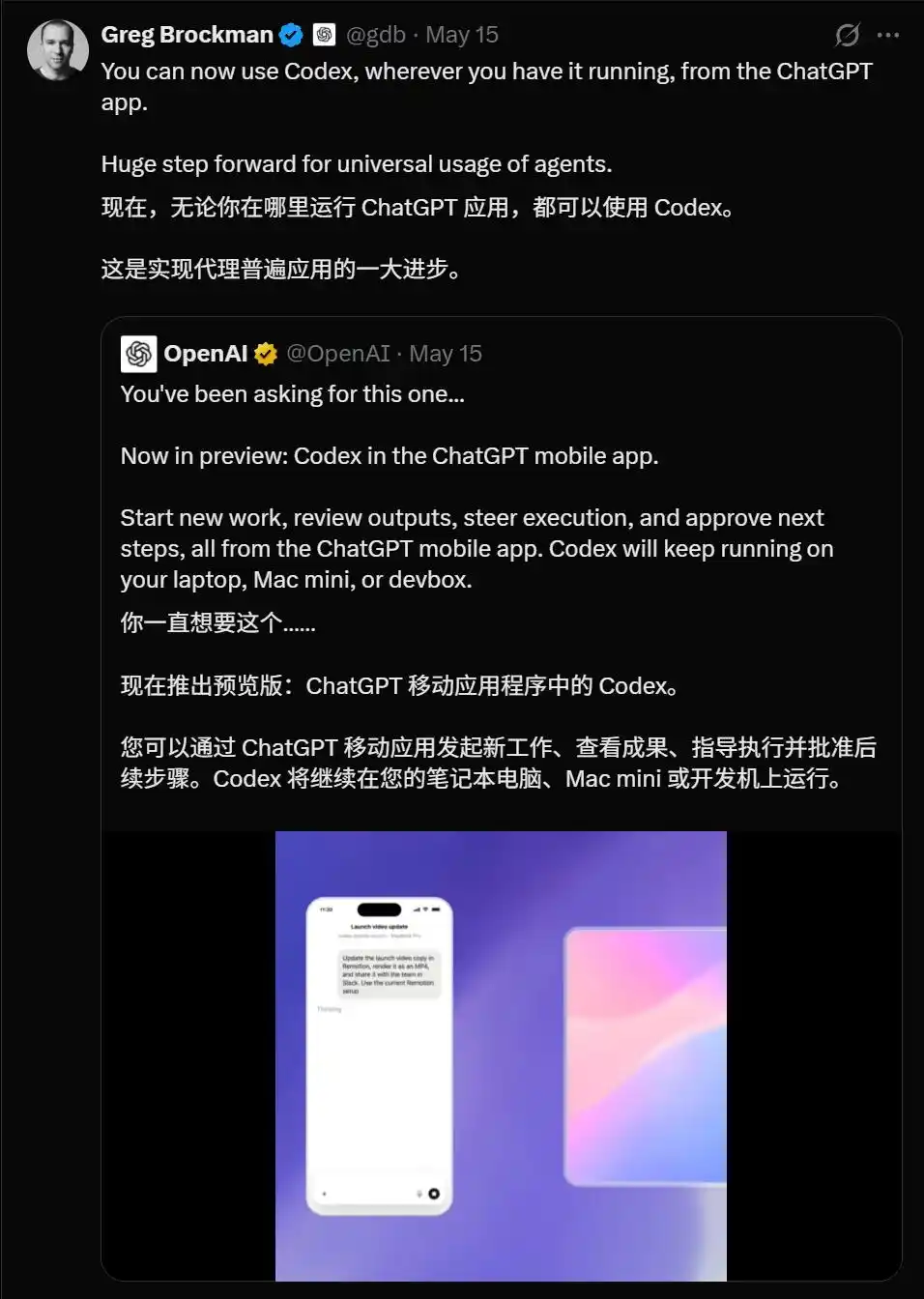
Козырной козырь: поглотитель рабочего стола под кодовым названием «Super App»
Наряду с этой реорганизацией, наконец, всплывает и настоящий козырь OpenAI.
Тибo Сотье в настоящее время тайно возглавляет разработку конечного оружия, которое внутри называется «супер-приложением».
Это отнюдь не просто обновление веб-версии ChatGPT, а унифицированное настольное приложение, которое объединит в одно целое ChatGPT, программирующего агента Codex и ещё не выпущенный OpenAI «веб-браузер Atlas»!
Это означает, что OpenAI намерен полностью выпрыгнуть за пределы «окна чата».
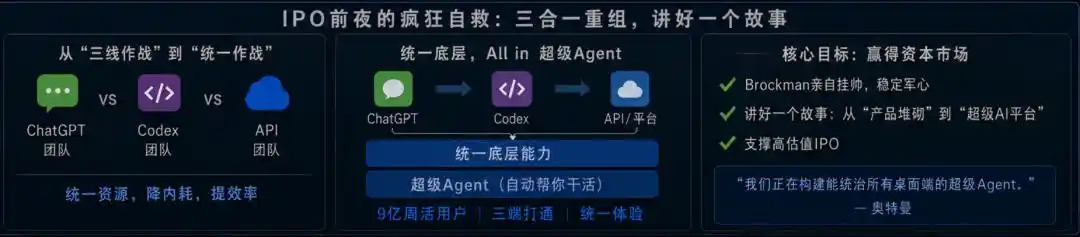
Отныне это супер-приложение будет жить на вашем рабочем столе компьютера, у него будет свой браузер (Atlas), который сможет сам просматривать веб-страницы; у него будут мощнейшие возможности выполнения кода (Codex), он сможет сам писать скрипты; у него будет мозг ChatGPT, понимающий ваши намерения.
Ему не нужно, чтобы вы копировали и вставляли, он сможет «самостоятельно выполнять сложные цифровые задачи вместо пользователя».
Это и есть «Agentic Future» — эпоха агентов в глазах Олтмена и Брокмана!
Опустевший руководящий состав: кровопотеря и скрытые тревоги за весельем
Эта новость на первый взгляд кажется позитивной «активной атакой».
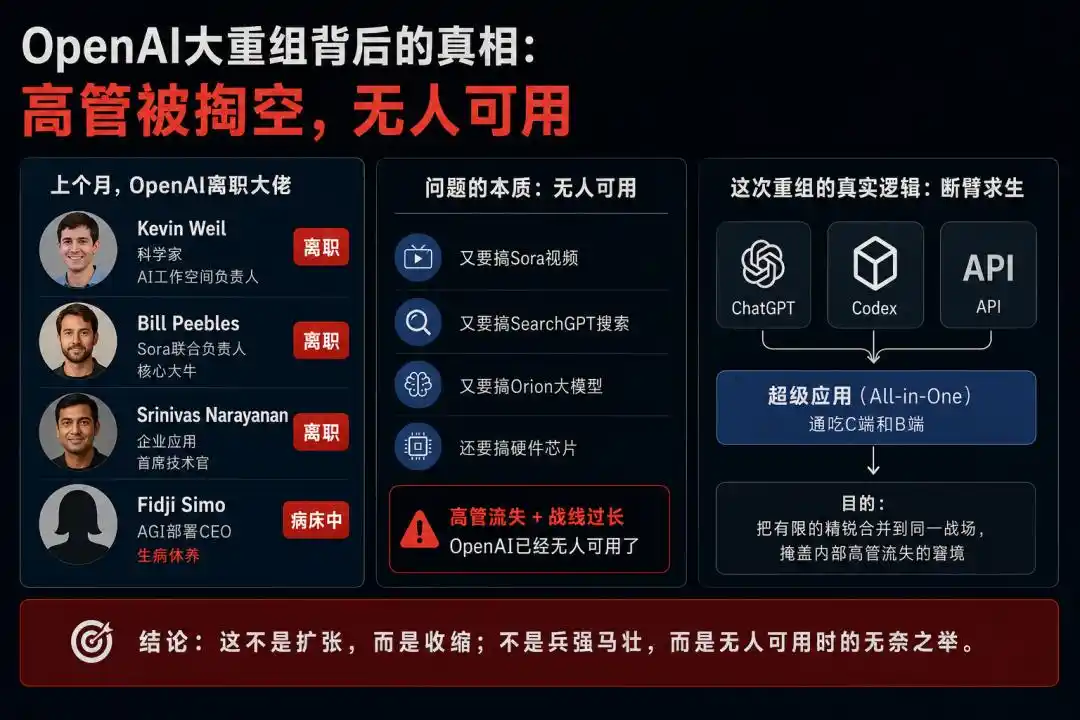
Но если внимательно прочитать список последних кадровых перестановок в OpenAI, можно обнаружить ужасный факт: Руководящий состав OpenAI почти опустел.
Всего за месяц до этой реорганизации внутри OpenAI произошло цунами кадровых потрясений.
В прошлом месяце из OpenAI ушла группа выдающихся талантов.
Кевин Вейл, руководитель рабочего пространства учёных AI OpenAI, ушёл!
Билл Пиблз, знаменитый со-руководитель Sora, ключевой специалист, ушёл!
Шринивас Нараянан, технический директор по корпоративным приложениям, ушёл!
Не говоря уже о том, что тот самый «CEO по развёртыванию AGI» Фиджи Симо, который должен был планировать и управлять, до сих пор лежит в больничной палате и может лишь удалённо обсуждать планы с Брокманом.
Таким образом, базовая логика этой крупной реорганизации не в том, что у OpenAI сильная армия и много лошадей, а в том, что у них уже не осталось людей.
После непрерывной потери нескольких технических вице-президентов, CTO и руководителей проектов, фронт OpenAI стал слишком растянутым — им нужно одновременно заниматься Sora Video, SearchGPT Search, моделью Orion и аппаратными чипами.
Слияние ChatGPT, Codex и API в один комок Брокманом по сути является отчаянным сокращением.
Объединение ограниченных элитных войск на одном поле битвы, использование одного «супер-приложения», подходящего как для C2C, так и для B2B, чтобы скрыть затруднительное положение из-за оттока внутреннего руководства.
Оценка обогнана! Преследователи настигли, «смертельные 30 секунд» на рынке капитала
То, что так беспокоит Олтмена и Брокмана и заставляет их идти на такие резкие реорганизации накануне IPO, — это также невыносимое внешнее конкурентное давление.
AI-трон Кремниевой долины только что на этой неделе сменил владельца.
«Удар в спину» от Anthropic: рождение гиганта в 900 миллиардов долларов
Как раз на этой неделе самый смертоносный соперник OpenAI, созданный ушедшими бывшими сотрудниками, Anthropic, тихо закрепил новый раунд финансирования, который перевернул структуру отрасли.
В этом раунде гигантского финансирования в 30 миллиардов долларов во главе с ведущим финансовым консорциумом оценка Anthropic была напрямую доведена до удушающих 900 миллиардов долларов!
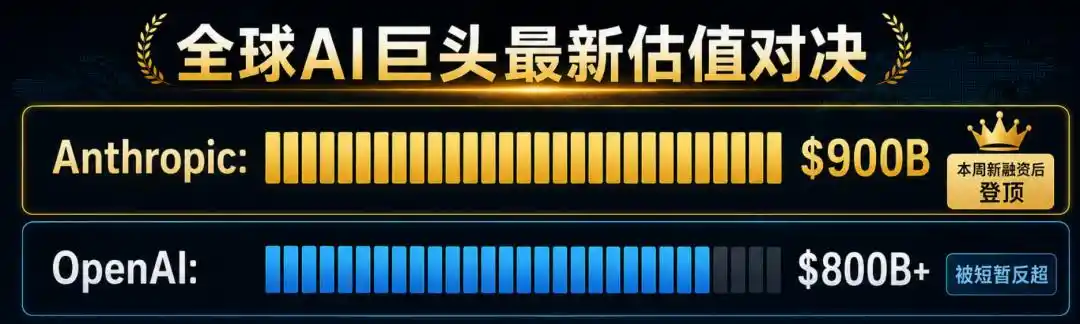
Что такое 900 миллиардов долларов? Это одним махом превзошло последнюю оценку OpenAI на непубличном рынке, сделав Anthropic самой высокой независимой AI-единорогом в мире!
Хуже того, Anthropic нанёс OpenAI точный удар по программированию. Серия моделей Claude в генерации длинного текста и кода подавляет OpenAI, не давая поднять головы.
Технические специалисты бешено бегут к Claude, капитал бешено льётся в Anthropic. Если OpenAI продолжит цепляться за тот веб-интерфейс ChatGPT, который только умеет болтать, его имперское здание рухнет в канун листинга.

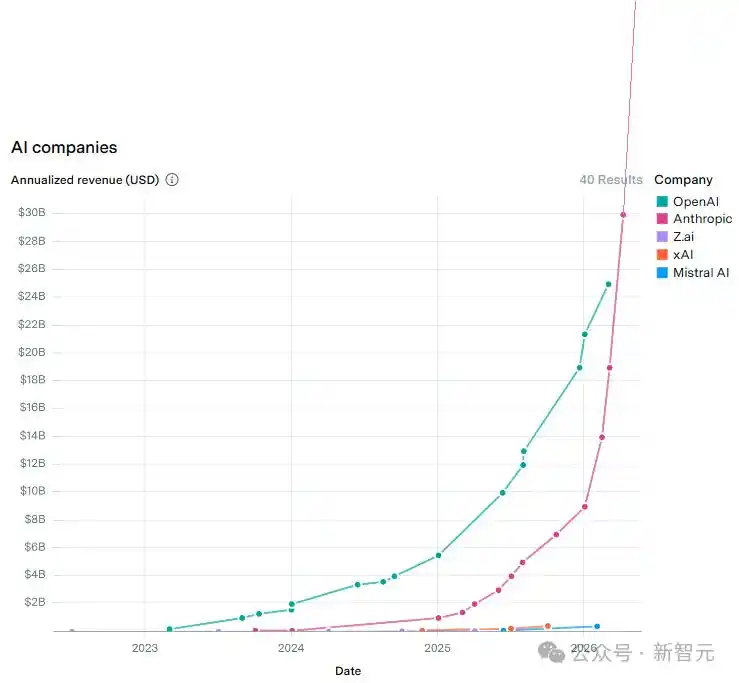
В мае годовой регулярный доход Anthropic уже взлетел до 45 миллиардов долларов, выручка за 5 месяцев выросла на 500%. Этот крутой график выручки не имеет прецедента во всей истории технологического бизнеса!
Google выкладывает козыри на следующей неделе, у OpenAI почти не осталось времени
Помимо убийцы в спину Anthropic, титанический зверь прямо по курсу — Google — также пристально следит за OpenAI.
На следующей неделе официально откроется ежегодная конференция разработчиков Google I/O. Согласно сообщениям из Кремниевой долины, Пичаи подготовил целую корзину совершенно новых AI-продуктов, нацеленных на ChatGPT.
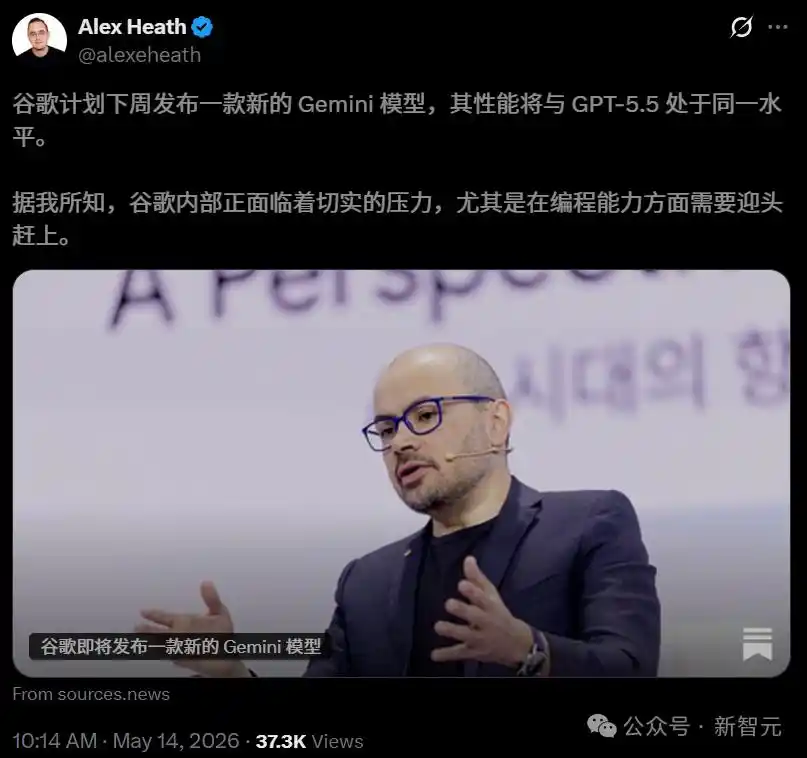
В прошлом году OpenAI перехватил инициативу у Google, выпустив GPT-4o за день до Google I/O; в этом году у опустевшего руководства OpenAI уже нет лишних сил, чтобы устроить ещё одну презентацию и «перехватить инициативу».
Единственный способ — успеть до того, как Google выложит свои козыри, настроить свою организационную структуру и сказать Уолл-стрит: не смотрите на высокую оценку Anthropic, мы уже работаем над тройным супер-приложением.
Битва за конец: безумная самопомощь в канун IPO
Согласно эксклюзивному разоблачению WIRED, за этой реорганизацией скрывается ещё один открытый секрет всей Кремниевой долины: OpenAI планирует официально продвигать IPO в этом году.
Для любого супер-единорога, готовящегося к выходу на биржу, рынок капитала больше всего не любит «нечёткость сюжетной линии» и «внутренние разборки и растрату сил руководства».
В ключевой период перед листингом, если в проспекте IPO OpenAI будет написано: у нас есть команда ChatGPT, независимая команда Codex, команда API, и три команды ежедневно яростно дерутся за вычислительные ресурсы, аналитики с Уолл-стрит без колебаний сильно урежут оценку.
С помощью этой реорганизации Олтмен рассказал рынку капитала совершенно новую, чрезвычайно привлекательную историю.
«У нас нет разрозненных продуктов, у нас есть единые базовые возможности. Мы скоро выпустим супер-агента, который будет править всеми рабочими столами, иметь 900 миллионов еженедельных активных пользователей и сможет автоматически делать работу за вас».
Назначение Брокмана, основателя с очень высокой репутацией в Кремниевой долине, лично руководить продуктами, также даёт уверенность пошатнувшимся инвесторам: смотрите, хотя кто-то и ушёл, техническая душа компании по-прежнему находится на передовой линии освоения.
От некоммерческой лаборатории, основанной в квартире в Сан-Франциско, до коммерческой империи, безумно реорганизующейся ради IPO, — OpenAI переживает самый опасный отрезок своего пути с момента рождения.
Выход Брокмана на передний план — это назначение в опасный момент, а также битва, отступать из которой некуда.
Когда в недалёком будущем ChatGPT, Codex и браузер Atlas сольются в том страшном «Super App», увидим ли мы конечный ключ к AGI?
Эта битва за AI-трон Кремниевой долины только вступает в самую кровавую фазу рукопашной схватки.
Источники:
https://www.wired.com/story/openai-reorg-greg-brockman-product/
https://www.theinformation.com/briefings/openai-reorganizes-product-teams-around-unified-app-strategy?rc=epv9gi
Эта статья из официального аккаунта WeChat «新智元», автор: 新智元



















