Автор: Кури, Shenchao TechFlow
Tether заработал 130 миллиардов долларов в 2024 году.
Возможно, вы не представляете, что это значит. Тогда скажем иначе: доход OpenAI в 2024 году составил 37 миллиардов, убыток — 50 миллиардов. Anthropic заработал 10 миллиардов, но также потерял 50 миллиардов.
Суммарные убытки двух серьезных компаний в сфере ИИ оказались меньше, чем годовая прибыль Tether.
В Tether работает 150 человек, в OpenAI — более 3000. Разница в производительности на душу населения составляет примерно:
60 раз.
Как Tether зарабатывает? Вы покупаете 1 USDT, он получает 1 доллар и покупает на него американские казначейские облигации. Проценты по облигациям достаются ему, а вам — нет.
Суть в том, что Tether не выплачивает проценты. Банки платят проценты по вкладам, Tether — нет. Вы держите свои деньги в USDT и не получаете ни копейки процентов. Он берет ваши деньги, покупает американские казначейские облигации и в 2024 году получил 70 миллиардов только процентов.
150 человек управляют казначейскими облигациями на сумму более 1300 миллиардов долларов, им не нужно ничего делать — проценты приходят сами.
Таким бизнесом хотел бы заниматься кто угодно, лежа на диване.
Но когда денег много, их нужно тратить. Tether выбрал направление:
ИИ.
И это не просто инвестиции в пару проектов для галочки.
Сначала о вычислительных мощностях.
Для работы ИИ нужны видеокарты, чем больше, тем лучше, чем дороже, тем лучше. Tether предоставил немецкой компании Northern Data кредит на сумму более 600 миллионов долларов.
Чем занимается эта компания?
Крупнейший в Европе провайдер облачных услуг на GPU. Более десяти тысяч видеокарт Nvidia H100 — тех, которые использует OpenAI для обучения GPT, каждая стоит 20-30 тысяч долларов.
Кластер, собранный из этих видеокарт, занимает 26-е место в рейтинге TOP500 суперкомпьютеров мира. Эти 600 миллионов долларов, вложенные Tether, по сути, купили в Европе базу для обучения ИИ.
Теперь о данных.
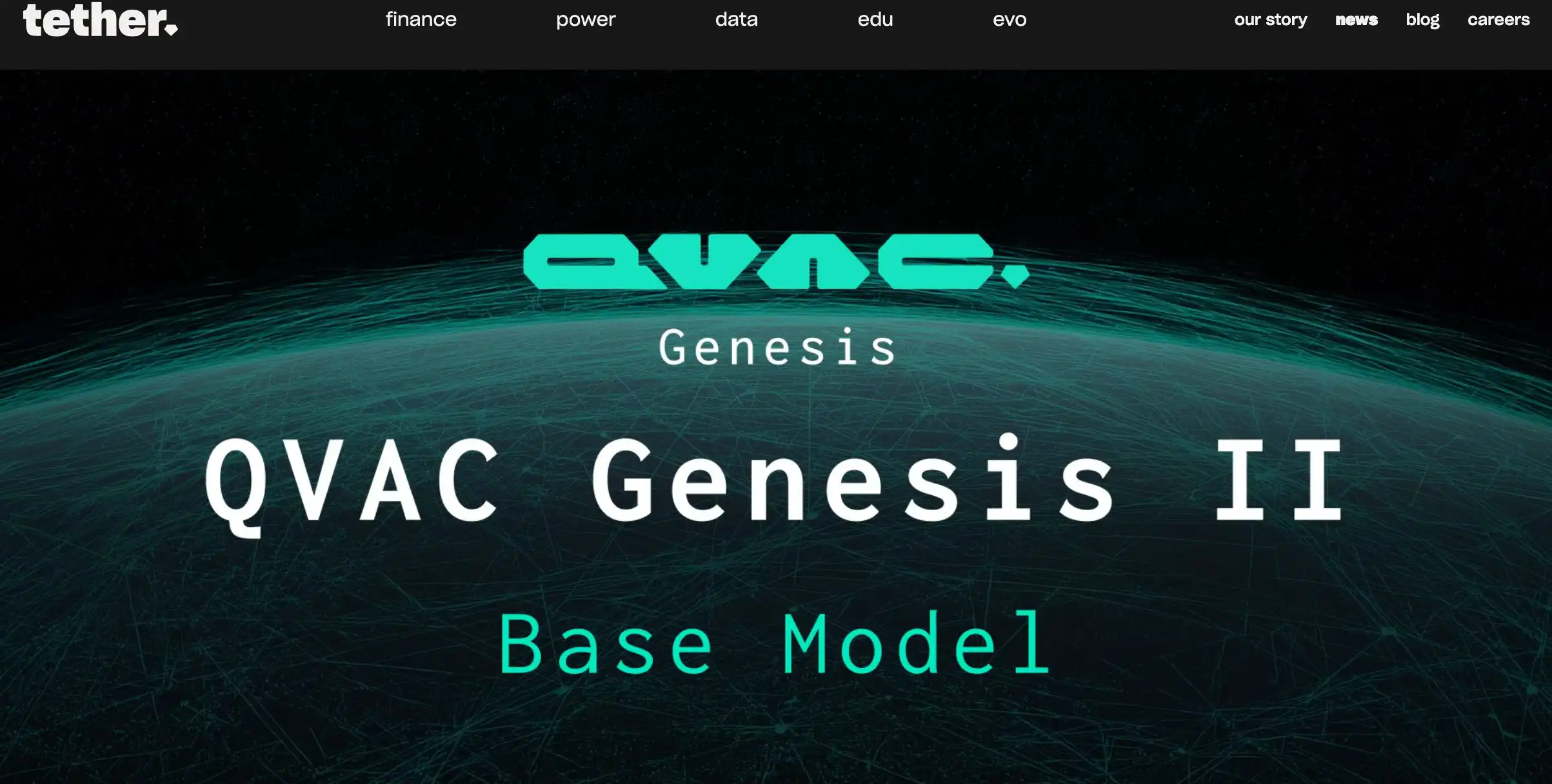
Для обучения ИИ нужны данные. На прошлой неделе Tether выпустил набор данных под названием QVAC Genesis, охватывающий 19 дисциплин, включая математику, физику, химию и информатику. Они заявляют, что это крупнейший в мире набор данных для обучения ИИ с открытым исходным кодом.
Стоит отметить, что данные для обучения OpenAI и Anthropic не公开ются, а Tether просто бесплатно выкладывает их, чтобы любой мог использовать.
Затем следует более футуристическая часть.
В апреле 2024 года Tether потратил 200 миллионов долларов на приобретение компании под названием Blackrock Neurotech. В названии есть Blackrock, но к Blackrock (инвесткомпании) она не имеет отношения.
Эта компания занимается интерфейсами «мозг-компьютер». То есть вживляет чипы в мозг человека, позволяя парализованным людям печатать силой мысли, управлять инвалидными колясками,操作机械臂. Звучит как научная фантастика, но они начали это делать еще в 2008 году, на восемь лет раньше, чем Neuralink Илона Маска.
Насколько крута эта компания?
Во всем мире 35 человек имеют вживленные чипы интерфейса «мозг-компьютер», и 31 из них используют технологию Blackrock. В 2016 году полностью парализованный пациент с помощью их устройства управлял механической рукой и пожал руку Бараку Обаме. Чип, установленный в сенсорной коре, позволил ему «ощутить» руку президента.
В прошлом году эта компания позволила пациенту с БАС снова «заговорить» — чип в его голове переводил мысли в речь со скоростью 62 слова в минуту.
Tether потратил 200 миллионов долларов и стал мажоритарным акционером этой компании.
В сумме Tether вложил в области, связанные с ИИ, почти 1 миллиард долларов. Говорят, что ведутся переговоры о покупке немецкой робототехнической компании за 1,2 миллиарда. Если сделка состоится, общий объем инвестиций приблизится к 2 миллиардам.
Что это значит?
Anthropic в 2024 году привлекла 3,5 миллиарда финансирования. Инвестиции одной только Tether почти сравнялись с половиной объема финансирования серьезной ведущей компании в области ИИ.
OpenAI за первую половину 2025 года потратила на R&D 6,7 миллиарда. Tether на мелкие расходы от прибыли может быть денежным мешком в мире ИИ.
Зачем компании, выпускающей стейблкоины, заниматься ИИ?
Мы считаем, что есть две возможные причины.
Первая — тревога. ФРС снижает ставки, доходность казначейских облигаций падает. В 2024 году лежа заработали 7 миллиардов процентов, в 2025 году и далее все может быть уже не так хорошо. Печатному станку тоже нужны новые истории.
Вторая — амбиции. Весь мир говорит об ИИ, инвесторы, СМИ, политики. Скажешь, что ты компания по выпуску стейблкоинов — на тебя не посмотрят. Скажешь, что занимаешься ИИ, интерфейсами «мозг-компьютер», человекоподобными роботами — и ты:
Технологический лидер.
Самое забавное вот в чем.
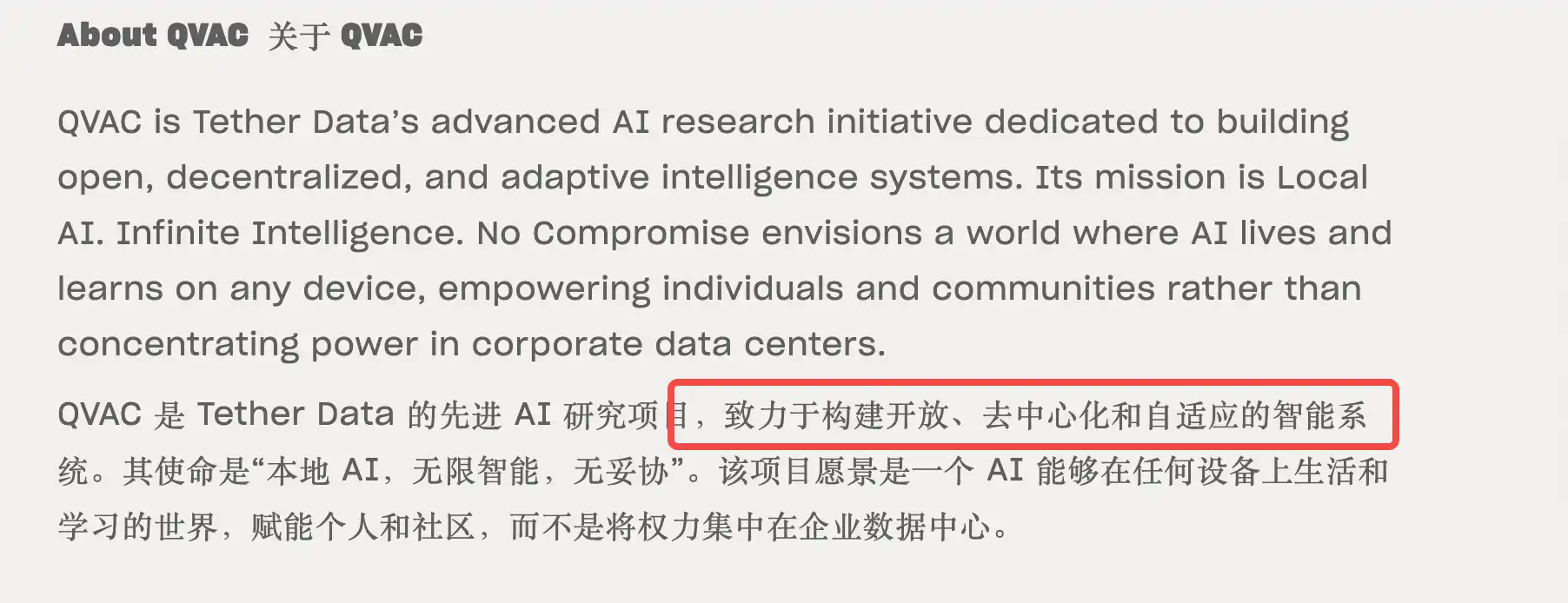
Занимаясь ИИ, Tether провозглашает лозунги: «децентрализация», «локальное выполнение» и «возвращение интеллекта человеку».
Но сама Tether — самая централизованная компания в криптоиндустрии.
Выпуск монет решает она, сколько резервов — решает она. За десять лет существования ни разу не аудировалась. Где деньги пользователей, знает только она сама.
И теперь такая компания собирается учить весь мир, что такое «децентрализованный ИИ».
Очень похоже на то, как владелец казино открывает курсы по избавлению от gamblingной зависимости.
Но почему бы и нет.
Ведь OpenAI все еще убыточна, ожидается, что она перестанет сжигать деньги только к 2029 году. Anthropic тоже, ожидается к 2028 году. Сэм Олтман到处融资, Дарио Амодеи到处融资. Две компании вместе потеряли 10 миллиардов и все еще рассказывают истории инвесторам.
Tether не нужно рассказывать. Деньги уже в кармане.
Какова самая большая проблема всей индустрии ИИ? Бизнес-модель.
Как зарабатывать? Неизвестно. Когда зарабатывать? Неизвестно. Можно ли заработать? Неизвестно.
У Tether такой проблемы нет. Его бизнес-модель заключается в следующем:
Не заниматься ИИ.
Деньги, заработанные на стейблкоинах, вкладывать в ИИ. Угадал — дальновидность, не угадал — плата за учебу. На основной бизнес это не влияет.
Те, кто занимается ИИ, теряют деньги, те, кто не занимается ИИ, зарабатывают. Те, кто занимается ИИ, привлекают финансирование, те, кто не занимается ИИ, инвестируют.
Лучшая бизнес-модель в сфере ИИ в 2026 году, возможно, заключается в том, чтобы не заниматься ИИ.
Сначала настройте печатный станок.