Оригинал | Odaily Planet Daily (@OdailyChina)
Автор | Azuma (@azuma_eth)
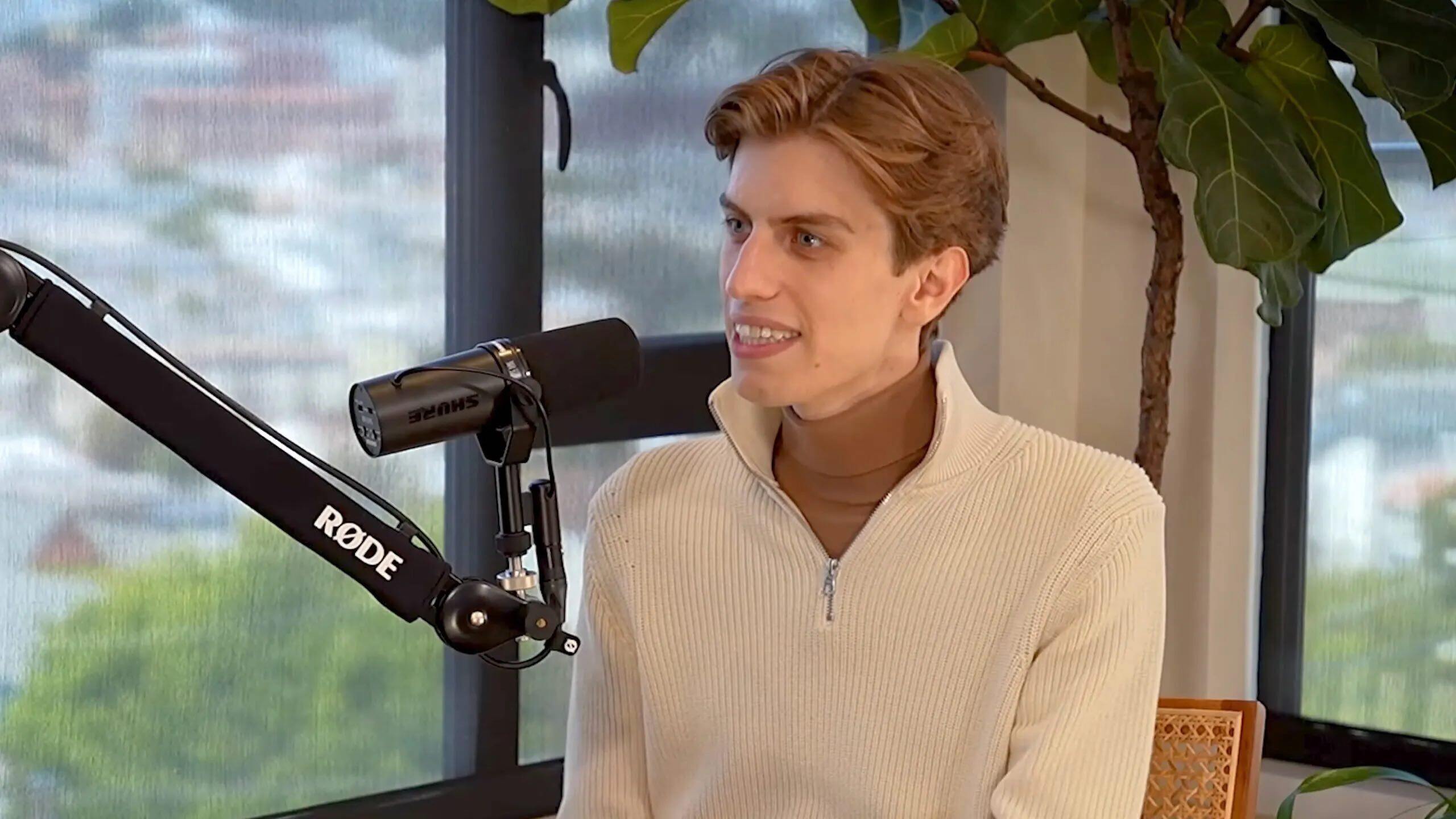
Никакого запроса на конфиденциальность! Никакой полной распродажи! Фонд нового "AI-гуру" Леопольда Ашенбреннера Situational Awareness LP сегодня вечером официально опубликовал файл 13F.
- Прим. Odaily: Подробнее о личной истории Леопольда Ашенбреннера можно прочитать в статье «Подчиненный SBF, превративший 225 миллионов в 5,5 миллиарда за год».
Это означает, что первое предположение в нашей утренней статье «Самый быстрый ответ, весь интернет ждет версию 24-летнего "AI-гуру" сегодня» оказалось верным — Situational Awareness LP действительно подал документы довольно поздно в день дедлайна 15 мая, в результате чего SEC не смогла своевременно разместить файл на своем сайте в тот же день. В итоге рынку пришлось ждать еще одни выходные, и только после возобновления работы SEC в понедельник этой недели стало возможным увидеть раскрытие позиций фонда.
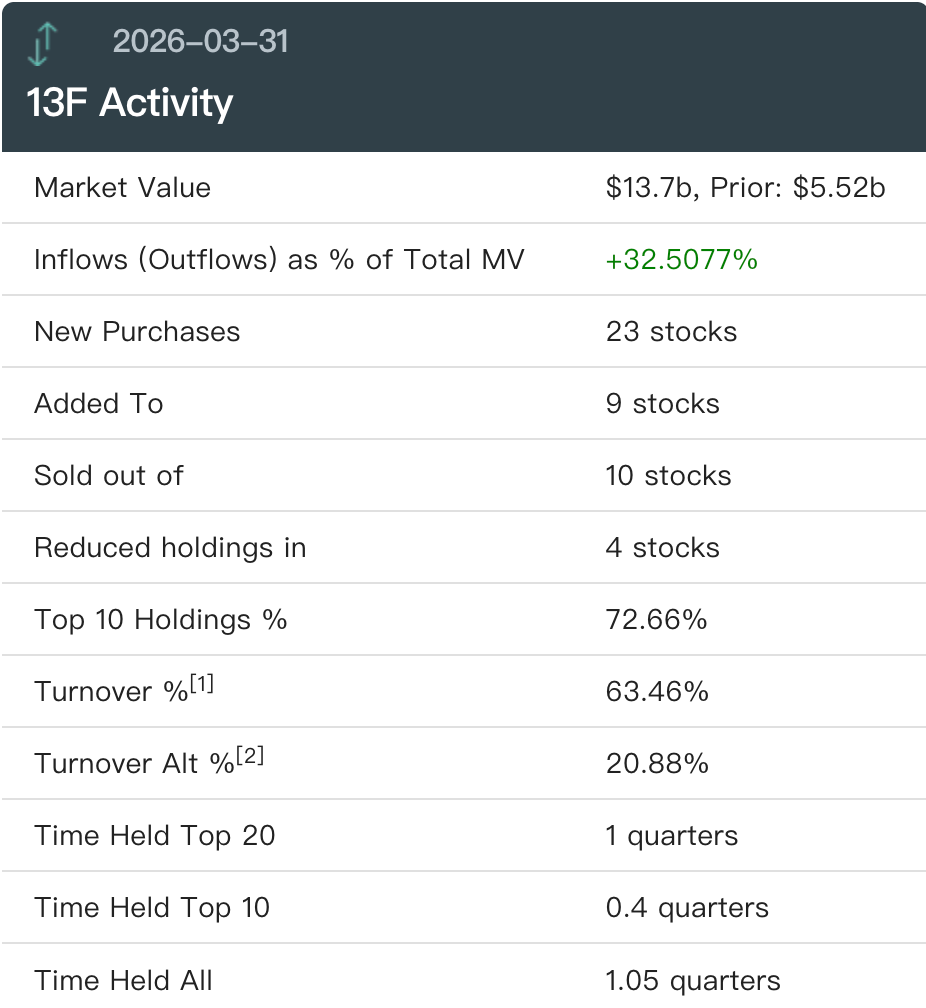
Согласно этому последнему файлу 13F, по состоянию на 31 марта 2026 года номинальная общая стоимость портфеля Situational Awareness LP увеличилась до 13,7 миллиарда долларов, что более чем вдвое (+148%) превышает 5,52 миллиарда долларов по состоянию на 31 декабря прошлого года.
- Прим. Odaily: Важно отметить, что в методологии отчетности 13F для акций США стоимость опционных активов обычно отражает «номинальную стоимость (Notional Value)» соответствующих базовых акций, а не фактическую стоимость уплаченной фондом премии (Premium) за опцион. Это означает, что хотя фонд построил хеджирующую «стену» на сотни миллиардов долларов номинальных активов в секторе полупроводников, его фактические денежные затраты (максимальный убыток) намного меньше, что является типичным примером макрос хеджирования с высоким левериджем.
Кроме того, чистый приток средств в фонд в этом квартале составил 32,51% от общей стоимости портфеля, что указывает на то, что взрывной рост размера фонда обусловлен не только ростом стоимости инвестиционного портфеля, но и очень значительными подписками на внешние новые средства (т.е. вливаниями нового капитала).
Безумная перебалансировка портфеля
В файле также показано, что в первом квартале Situational Awareness LP провел масштабную перебалансировку портфеля.
- Новые позиции (New Purchases): 23 акции (включая опционы);
- Увеличение позиций (Added To): 9 акций;
- Полный выход из позиций (Sold out of): 10 акций (включая опционы);
- Уменьшение позиций (Reduced holdings in): 4 акции (включая опционы).
Новые позиции: Хеджирование снижения на полупроводниках занимает 60% портфеля
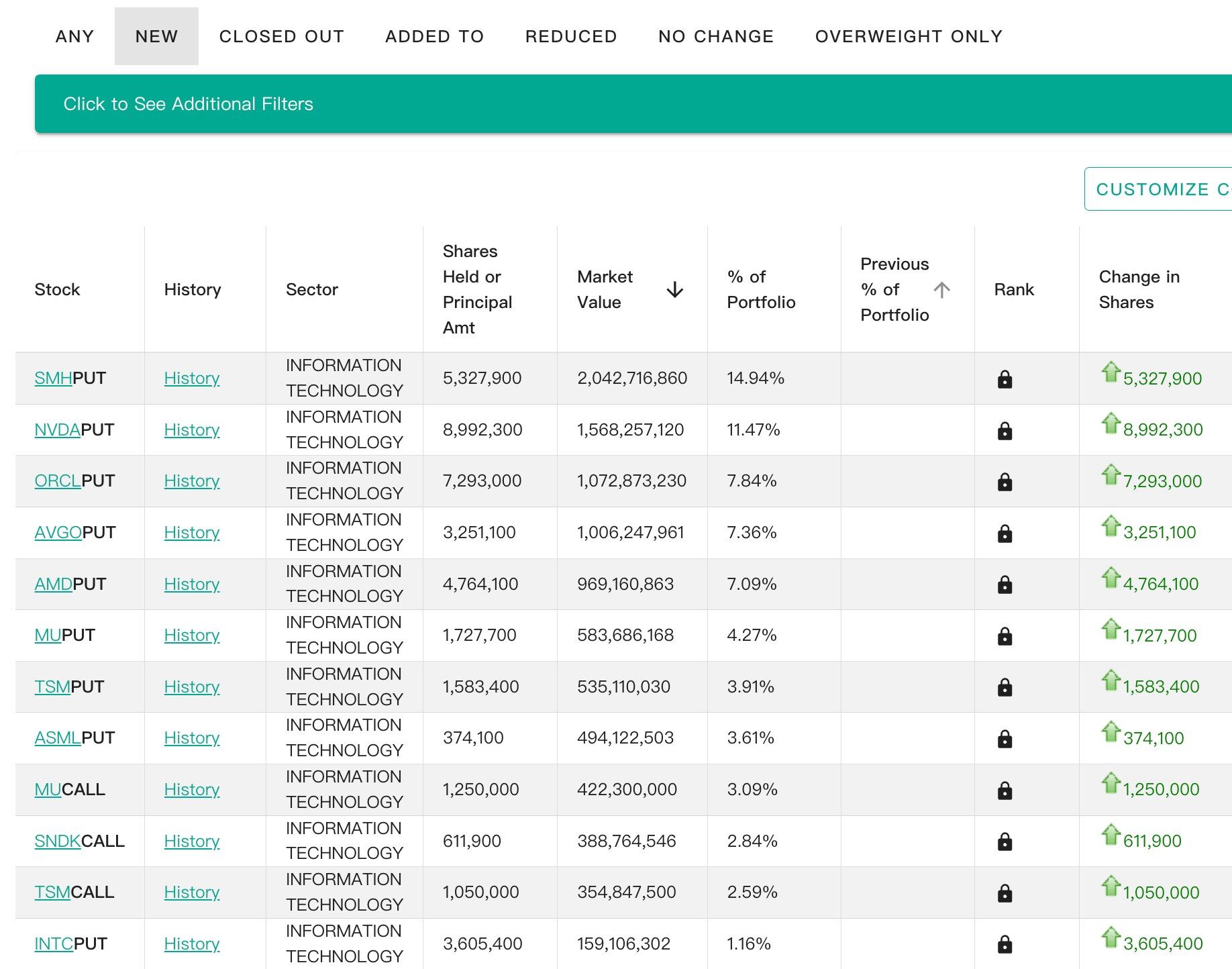
- Прим. Odaily: На диаграмме выше показаны только новые акции стоимостью более 100 миллионов долларов. Все 23 новые акции можно посмотреть, перейдя по «порталу».
Сначала рассмотрим новые позиции — это самая шокирующая информация во всем отчете 13F Situational Awareness LP. В первом квартале фонд провел системное хеджирование рисков для сектора AI-полупроводников и вычислительного оборудования, создав крупные позиции в путах (PUT).
Взглянем на данные напрямую:
- SMH PUT (пут на ETF VanEck Semiconductor Core): 14,94% (стоимость 2,04 млрд долл.) — самая крупная новая позиция;
- NVDA PUT (пут на Nvidia): 11,47% (стоимость 1,56 млрд долл.) — вторая по величине новая позиция;
- ORCL PUT (пут на Oracle): 7,84%;
- AVGO PUT (пут на Broadcom): 7,36%;
- AMD PUT (пут на AMD): 7,09%;
Только эти пять крупнейших позиций в путах составляют 48,7% от номинальной общей стоимости портфеля Situational Awareness LP в 13,7 миллиарда долларов. Если добавить последующие путы на Micron (MU), Taiwan Semiconductor (TSM), ASML и Intel (INTC), более 60% номинального портфеля фонда делают ставку на падение или хеджируют волатильность ключевых акций AI-аппаратного обеспечения.
Также стоит отметить, что Situational Awareness LP одновременно покупал коллы (CALL) и путы (PUT) на одни и те же акции. Например, покупая пут на Micron (MU PUT, 4,27%), фонд также покупал колл на MU (MU CALL, 3,09%). Покупая пут на TSMC (TSM PUT, 3,91%), он также покупал колл на TSM (TSM CALL, 2,59%).
Это распространенная стратегия хедж-фондов по ставкам в обе стороны. Это говорит о том, что фонд считает, что акции Micron (чипы памяти) и TSMC (производство) в предстоящих квартальных отчетах или отраслевом цикле 2026 года могут испытывать значительные колебания, превышающие рыночные ожидания, из-за геополитики или крайнего дисбаланса спроса и предложения — достаточно сильное одностороннее движение, чтобы получить прибыль с обеих сторон.
Увеличение позиций: Акции — по-прежнему любовь к SanDisk, CRWV
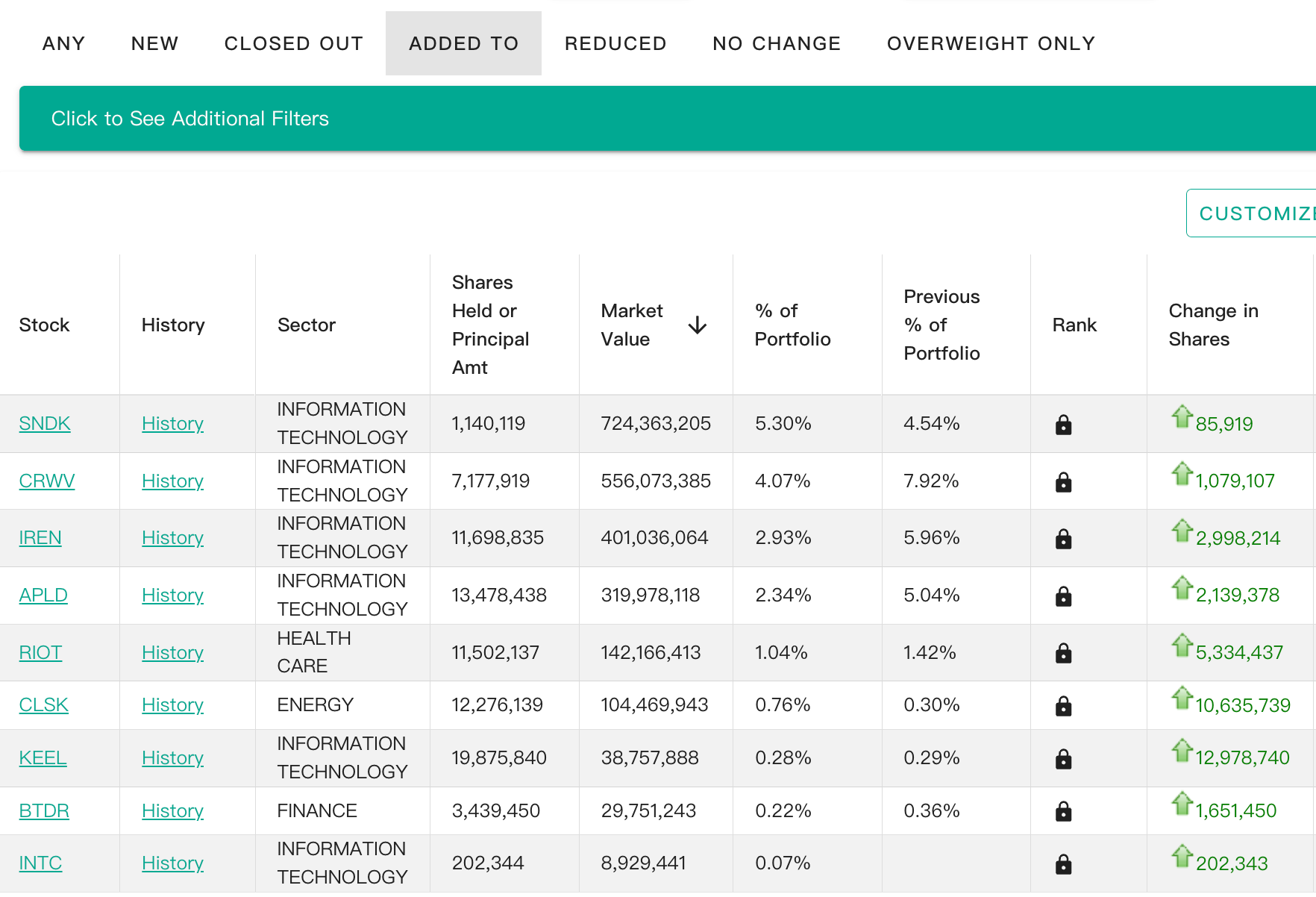
Что касается увеличения позиций, Situational Awareness LP не выбрал опционы, а нарастил позиции в 9 акциях в виде обычных акций.
В первом квартале Situational Awareness LP немного увеличил позицию в SanDisk (SNDK) на 85 000 акций, доведя общее количество акций до 1,14 миллиона. Стоимость позиции достигла 724 миллионов долларов, что составляет 5,30% всего инвестиционного портфеля. Это одна из очень немногих суперкрупных позиций в портфеле Situational Awareness LP, существующая исключительно в виде обычных акций.
Еще одним значимым действием стало то, что Situational Awareness LP в первом квартале значительно увеличил позицию в CoreWeave (CRWV) более чем на 1,07 миллиона акций, доведя стоимость позиции до 556 миллионов долларов, или 4,07%. CoreWeave — одна из самых заметных инфраструктурных компаний в сфере облачных услуг на базе AI GPU и важный партнер экосистемы Nvidia. После ее выхода на IPO Situational Awareness LP быстро включил ее в свой основной портфель и значительно увеличил позицию. Это говорит о том, что, хотя фонд сделал шорт на краткосрочную оценку Nvidia (PUT), он по-прежнему безумно оптимистично настроен в отношении облачных гигантов, которые напрямую преобразуют GPU в вычислительные мощности и сдают их в аренду крупным моделям.
Кроме того, Situational Awareness LP также увеличил позиции в таких компаниях, связанных с вычислительной мощностью или энергетической инфраструктурой, как KEEL, IREN, APLD, RIOT, CLSK, BTDR, продолжая логику Леопольда Ашенбреннера о том, что «электроэнергия — это новая нефть».
Полный выход из позиций: Снятие левериджа с коллов на Intel, выход из оптических коммуникаций
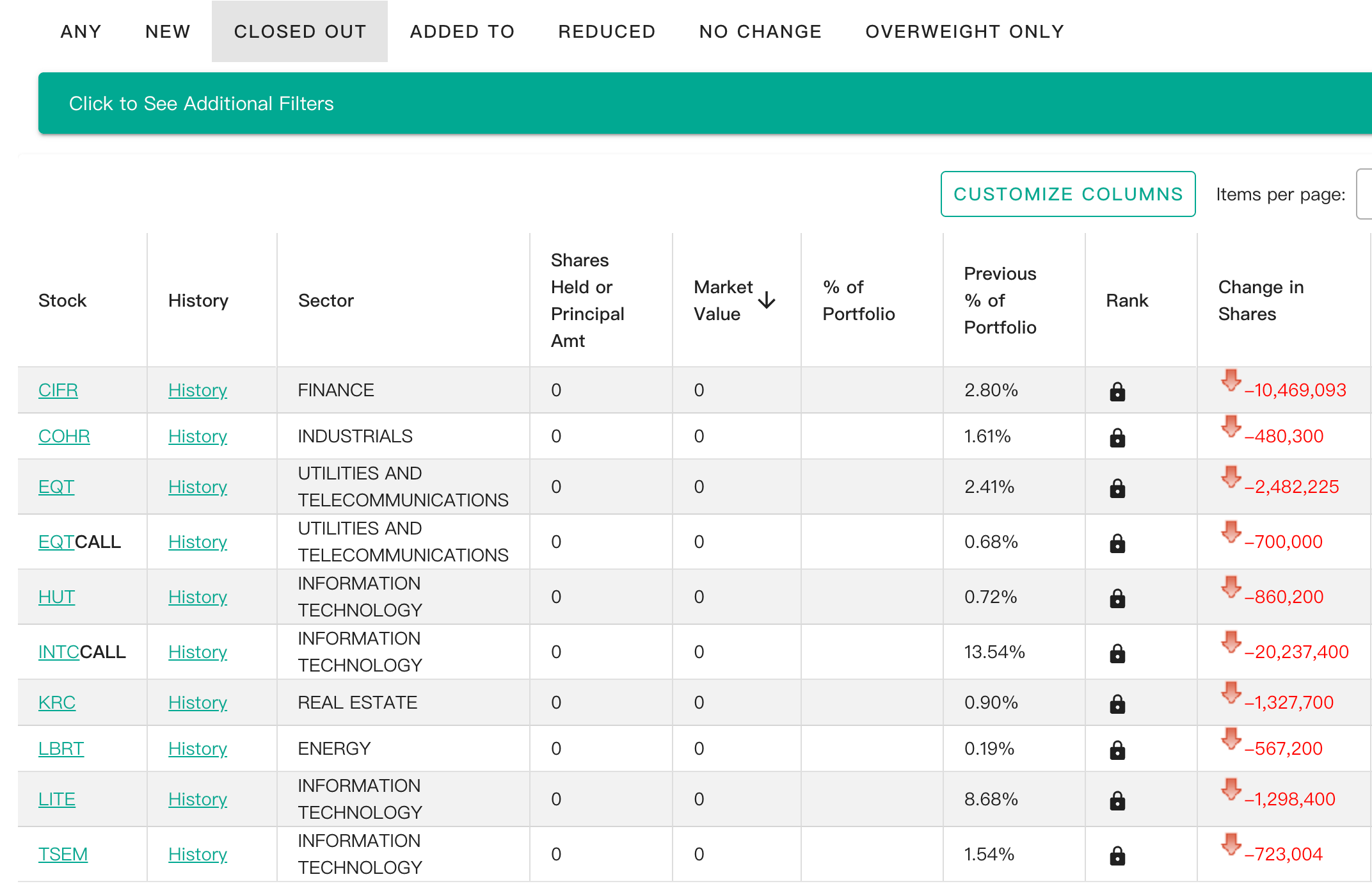
Что касается полного выхода из позиций, самым крупным действием Situational Awareness LP стало полное снятие левериджа с позиции в коллах на Intel (INTC CALL). В предыдущем отчетном периоде Situational Awareness LP разместил более 13% портфеля в коллах на Intel (огромные 20,23 миллиона опционных контрактов), что представляло собой направленную ставку с очень высоким левериджем. В этом квартале фонд полностью распродал эту позицию, перейдя к удержанию обычных акций (0,07%), но доля в портфеле стала крайне малой.
Кроме того, в первом квартале Situational Awareness LP полностью вышел из позиций в LITE (доля в предыдущем периоде 8,68%) и COHR (доля в предыдущем квартале 1,61%). LITE и COHR — ведущие мировые гиганты в области оптических коммуникационных чипов и оптических модулей (Optical Transceivers). Этот полный выход означает, что Situational Awareness LP покидает сектор AI оптических модулей/сетевого оборудования.
В первом квартале Situational Awareness LP также полностью вышел из позиций в CIFR (доля в предыдущем периоде 2,80%) и HUT (доля в предыдущем периоде 0,72%), обе из которых являются компаниями по добыче криптовалют (включая CORZ, позиция в которой была сокращена в следующей части). Учитывая увеличение позиций в RIOT, CLSK, BTDR и других компаниях того же типа, это, вероятно, просто обычная корректировка портфеля.
Уменьшение позиций: Значительная фиксация прибыли по BE
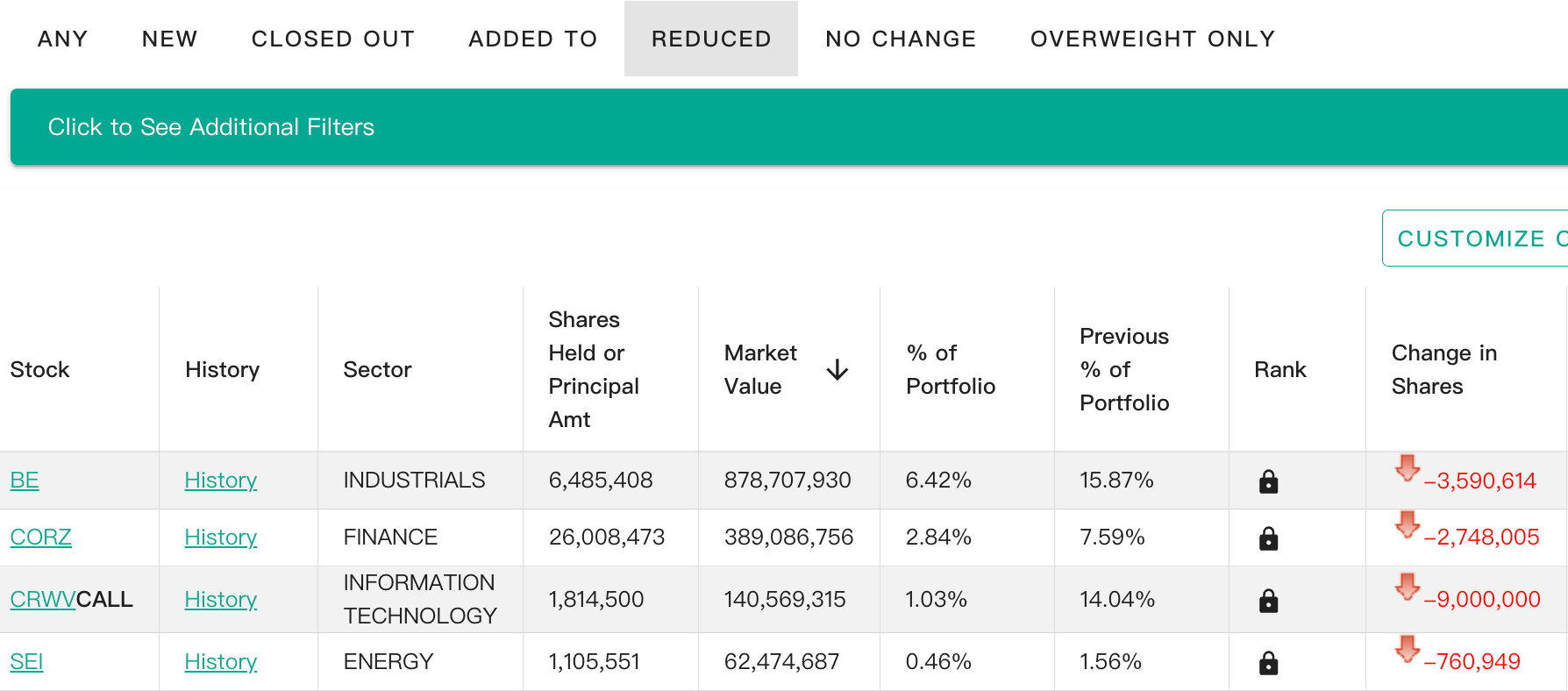
Наконец, рассмотрим сокращение позиций. Bloom Energy (BE) была крупнейшей позицией в предыдущем файле 13F Situational Awareness LP. В первом квартале фонд сократил позицию на 3,59 миллиона акций, а доля в портфеле резко упала с 15,87% в предыдущем квартале до 6,42%.
Bloom Energy специализируется на технологиях твердооксидных топливных элементов и является ключевым объектом для центров обработки данных, стремящихся обойти традиционные энергосистемы за счет «независимого местного производства электроэнергии (On-site Power)». Учитывая, что оставшаяся позиция по-прежнему велика, сокращение не означает, что Situational Awareness LP больше не верит в компанию. Скорее всего, это обычная фиксация прибыли.
Коллы на CoreWeave (CRWV CALL) стали вторым по величине сокращением Situational Awareness LP (доля в портфеле резко упала с 14,04% до 1,03%). Как упоминалось ранее, фонд перешел на удержание CRWV в виде обычных акций, так что это больше операция по снижению левериджа.
Situational Awareness LP также сократил позицию в Core Scientific (CORZ) на 2,74 миллиона акций, уменьшив долю в портфеле с 7,59% до 2,84%. CORZ — ведущая компания по майнингу биткойнов, переходящая на аутсорсинг AI-вычислений. Однако, учитывая, что в этом квартале Situational Awareness LP увеличил позиции в ряде других майнинговых компаний, которые все еще находятся в стадии перехода и имеют более привлекательную оценку, сокращение позиции в CORZ больше похоже на частичную фиксацию прибыли.
О чем же думает "AI-гуру"?
Если смотреть только на поверхностные данные этого отчета 13F, многие могут прийти к простому и прямолинейному выводу: Леопольд Ашенбреннер, громко заявлявший о «достижении AGI к 2027 году», начал полностью играть на понижение в AI.
Но реальная ситуация явно не так проста. В структуре портфеля Situational Awareness LP одновременно присутствуют две, казалось бы, противоречивые, но высоко интегрированные основные линии.
- С одной стороны, это крайняя настороженность в отношении краткосрочного пузыря оценок на «стороне чипов». Situational Awareness LP с помощью шокирующих по масштабу номинальных позиций в путах (PUT) фактически «купил страховку от обвала» для всей цепочки поставок AI-полупроводников, включая Nvidia, Broadcom и другие;
- С другой стороны, это почти одержимый оптимизм в отношении долгосрочного спроса на инфраструктуру AI. Будь то CoreWeave, Bloom Energy или ряд компаний, связанных с электроэнергией, трансформаторами, центрами обработки данных, — все они по сути указывают на одну и ту же детерминированную логику: война за вычислительные мощности AI перешла в глубокую фазу.
Возможно, это и есть самое главное суждение Situational Awareness LP на данный момент. То, что действительно станет дефицитным в будущем, — это не обязательно сами GPU-чипы, а энергия, энергосистемы и инфраструктура центров обработки данных, необходимые для поддержания работы этих GPU. Производство GPU может продолжать расширяться, передовые технологические процессы в конечном итоге будут постепенно наращиваться, но мегаваттные мощности электроснабжения, трансформаторы, системы передачи электроэнергии и строительство крупномасштабных центров обработки данных трудно воспроизвести синхронно за короткое время. По сравнению с уже полностью оцененной рынком логикой «продажи лопат», Леопольд Ашенбреннер, кажется, больше заботится о том, где в следующей фазе развития индустрии AI действительно могут возникнуть узкие места.
Это также объясняет, почему Situational Awareness LP, с одной стороны, массово покупает путы на полупроводники, хеджируя риски высокой волатильности сектора AI-аппаратного обеспечения, а с другой стороны, продолжает держать крупные позиции в активах, связанных с облачными услугами на GPU, электроэнергией и инфраструктурой вычислений.
В некотором смысле, этот отчет 13F — это не просто раскрытие позиций, а скорее маршрутная карта суждений Леопольда Ашенбреннера о направлении развития цепочки поставок AI на следующем этапе.
Когда гениальный инвестор, прославившийся благодаря All in AI, начинает размещать позиции на десятки миллиардов долларов в номинальном выражении, чтобы застраховаться от падения сектора AI, это, по крайней мере, говорит об одном: даже самые стойкие быки AI в наше время начинают серьезно относиться к самой волатильности.





















