Bitroot Blockchain приглашен на конференцию по искусственному интеллекту от Tencent Cloud в Сингапуре, где выступит на одной сцене с Solana, обсуждая будущее
19 мая в Сингапуре состоялось мероприятие, посвященное искусственному интеллекту, организованное Tencent Cloud. В нём приняли участие представители различных секторов, включая облачные сервисы, публичные блокчейны и финтех. Проект Bitroot, публичный блокчейн Layer 1, ориентированный на высокую производительность и нативную интеграцию с ИИ, был приглашён в качестве одной из инфраструктурных платформ Web3.
Мероприятие отразило сдвиг в фокусе индустрии ИИ: от конкуренции моделей к вопросам их внедрения в бизнес-процессы, инфраструктуры, доверия и аудита. В этом контексте блокчейн-инфраструктура, обеспечивающая программируемые активы, автоматические расчёты и проверяемость состояния, рассматривается как потенциальное решение для задач доверия в сценариях с ИИ-агентами, особенно в финансах и платежах.
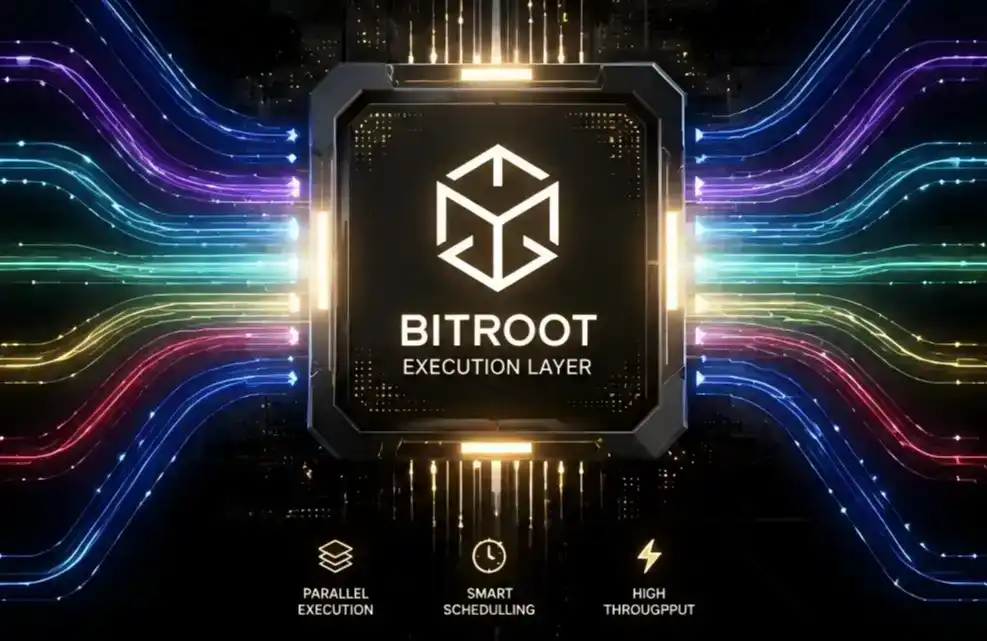
Bitroot, чья основная сеть ещё не запущена, привлёк внимание благодаря своему техническому подходу, соответствующему потребностям эпохи ИИ. Проект делает акцент на высокой пропускной способности и низких задержках для поддержки частых взаимодействий с ИИ-агентами, совместимости с EVM для привлечения разработчиков и нативной архитектуре, ориентированной на ИИ.
Генеральный директор Bitroot Хуан Хосе отметил в дискуссии, что будущая конкуренция в сфере ИИ будет определяться не столько моделями, сколько данными, сценариями применения и механизмами доверия. Он подчеркнул, что для перехода ИИ-агентов от вспомогательных функций к автономным корпоративным действиям требуется высокопроизводительная и проверяемая среда выполнения, которую призваны обеспечить такие блокчейны, как Bitroot.
В настоящее время Bitroot находится на стадии тестовой сети, демонстрируя потенциал для обработки высоких транзакционных нагрузок. Его появление на одной площадке с таким зрелым проектом, как Solana, указывает на растущий интерес отрасли к новым инфраструктурным решениям следующего поколения, способным поддерживать конвергенцию ИИ и Web3.
marsbit05/27 08:15