Обзор середины года от Fidelity: 6 ключевых трендов цифровых активов на 2026 год
Промежуточный обзор Fidelity Digital Assets: 6 ключевых тенденций цифровых активов в 2026 году
На середину 2026 года рынок цифровых активов демонстрирует баланс между краткосрочным давлением и долгосрочным структурным развитием. Основные тезисы январского прогноза подтверждаются, хотя и неравномерно.
**1. Ускоренная интеграция с традиционными финансами:** Слияние цифровых активов и традиционных рынков капитала набирает обороты. Спрос на экспозицию через основные финансовые каналы остается устойчивым, растет количество продуктов. Активно развивается токенизация, регуляторная среда становится четче (например, руководство SEC/CFTC).
**2. Права держателей токенов:** Эксперименты с механизмами, связывающими интересы держателей токенов (выкупы, реорганизации DAO), продолжаются, но явная «премия за права» еще не отражена в рыночных ценах. Тренд находится на ранней стадии.
**3. Влияние ИИ на майнинг:** Конкуренция со стороны энергоемких вычислений для ИИ, вероятно, начинает влиять на рост хешрейта Bitcoin. Наблюдается замедление роста и некоторое снижение сложности майнинга, что указывает на возможный переток ресурсов майнеров в более прибыльные направления, такие как дата-центры для ИИ.
**4. Bitcoin на переломе?** Увеличение лимита данных в OP_RETURN не привело к злоупотреблениям или раздуванию блокчейна. Однако внимание сместилось на динамику сети: колебания доли узлов Bitcoin Knots создают гипотетический, хотя и маловероятный, риск расщепления. Параллельно набирают обороты исследования по постквантовой безопасности сети (BIP-360, OP_CHECKSHRINCS).
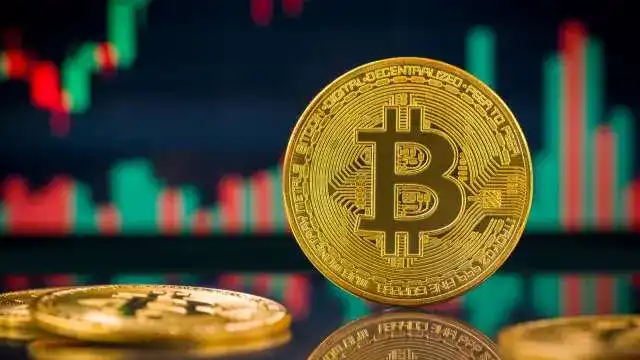
**5. Преобладание медвежьего сценария:** В краткосрочной перспективе реализовался медвежий сценарий: Bitcoin упал примерно на 13% из-за инфляции, геополитики и ожиданий ужесточения монетарной политики. Однако структурные драйверы роста (институциональное внедрение, ясность регулирования) остаются в силе.
**6. Сила золота сохраняется:** Золото показало сильную динамику, поддерживаемое спросом центральных банков и трендом на дедолларизацию, что соответствует прогнозу. Ожидаемое последующее outperformance Bitcoin пока не materialized.
**Вывод для инвесторов:** Ключевые структурные изменения (институциональное внедрение, инфраструктура, регулирование) продолжают формировать фундамент для следующей фазы роста, несмотря на волатильность цен. Важно смотреть beyond краткосрочных колебаний.
marsbit06/01 15:28