Debate: Korean Workers Fear Unemployment, While Musk Envisions a Society 'Without Work'?

marsbitОпубликовано 2026-08-03Обновлено 2026-08-03

Введение

While South Korean auto workers fear job losses from robotics, Elon Musk envisions a future where AI and robots render most work optional. This article explores the growing tension between immediate anxieties over automation and long-term visions of a post-work society. The piece begins with recent strikes at Hyundai's Korean plants, where unions, amid standard wage negotiations, also sought job guarantees against advancing robotics—specifically mentioning Boston Dynamics' Atlas. This reflects how anxiety about technological displacement is emerging even before robots are fully capable of replacing skilled labor on assembly lines. The author argues that while current robotics still struggle with the nuanced, experiential knowledge of veteran workers, the *perception* of imminent replacement is fueling social conflict prematurely. This modern "Luddite" sentiment is compared to the 19th-century English textile workers who smashed machines. Historically, Luddites weren't simply anti-technology; they were protesting the rapid devaluation of their skills and the unequal distribution of productivity gains. Similarly, today's workers ask who will bear the cost of transition and share in the new wealth created by machines. In contrast, figures like Elon Musk propose an optimistic endpoint: with AI and robotics driving extreme abundance, the link between work and survival could break. He suggests concepts like "Universal High Income" could allow society to share the technological b...

Over 200 years ago, British textile workers took up hammers to smash machines. More than two centuries later, similar sentiments have emerged in a South Korean automobile factory.

In July of this year, the union at Hyundai Motor's South Korean operations launched a series of partial strikes. On the surface, this appears to be a familiar labor-management negotiation: wage increases, performance bonuses, and retirement age were all among the union's demands. However, this year, an issue with a distinctly contemporary feel was added—job security in the age of AI and robotics. As early as the strike vote stage in June, the Hyundai Motor union proposed seeking employment guarantees concerning advanced robotics technology. Korean media subsequently linked this demand to Hyundai Motor Group's planned introduction of Boston Dynamics' Atlas humanoid robots. Ultimately, over 86% of the approximately 40,000 union members voted in favor of striking.

Therefore, simply summarizing this incident as "Hyundai workers protesting robots taking their jobs" is not entirely accurate. The actual strikes in July were primarily triggered by the breakdown of negotiations over wages and other labor-management issues; robots were not the sole or even the most direct catalyst for this round of strikes. However, another fact is equally noteworthy: robots have officially entered the union's negotiation purview. Even before they have been deployed on a large scale on Hyundai's production lines, they have already prompted tens of thousands of industrial workers to start contemplating a question that once seemed quite distant—what happens to people?

This scene easily evokes the "Luddite movement" during the British Industrial Revolution two centuries ago. But what is truly worth discussing today may no longer be "whether humans are about to start smashing machines again," but rather a more subtle misalignment: robots may still be a long way from truly replacing large numbers of skilled industrial workers, yet social conflicts surrounding robot replacement have already emerged prematurely.

And just as this anxiety appears early, a recent interview with Elon Musk coincidentally presents an almost diametrically opposite vision of the future. In a latest interview published by The Economist, Musk once again discussed the long-term outcome of AI and robotics: digital AI will take on an increasing amount of cognitive labor, while robots become the physical-world execution end for AI. Following this trajectory, eventually, almost all necessary work could potentially be performed by machines.

While Hyundai Motor workers worry about Atlas taking away some jobs on the production line, Musk imagines a day when the vast majority of work no longer requires human completion.

The real point of divergence thus becomes clear: the issue may not only be whether robots will replace labor, but also how humanity understands "losing work." Today's society is still built on a solid chain—work generates income, income supports consumption and life, therefore losing work inherently means losing economic security.

What Musk describes is a different scenario: when AI and robots push the productive capacity for goods and services to a sufficiently high level, society enters a state of "extreme abundance," where the cost of supplying food, housing, transportation, healthcare, and a multitude of services continuously declines. People no longer necessarily have to sell their labor to obtain means of subsistence, and work gradually transforms from a means of survival into a personal choice.

This is also the context for his repeated proposals in recent years for "Universal High Income." AI and robots create immense productivity, with the technological dividend ultimately translating into universal prosperity. Robots "taking jobs" might even become a prerequisite for humanity to break free from the necessity of "having to work to live."
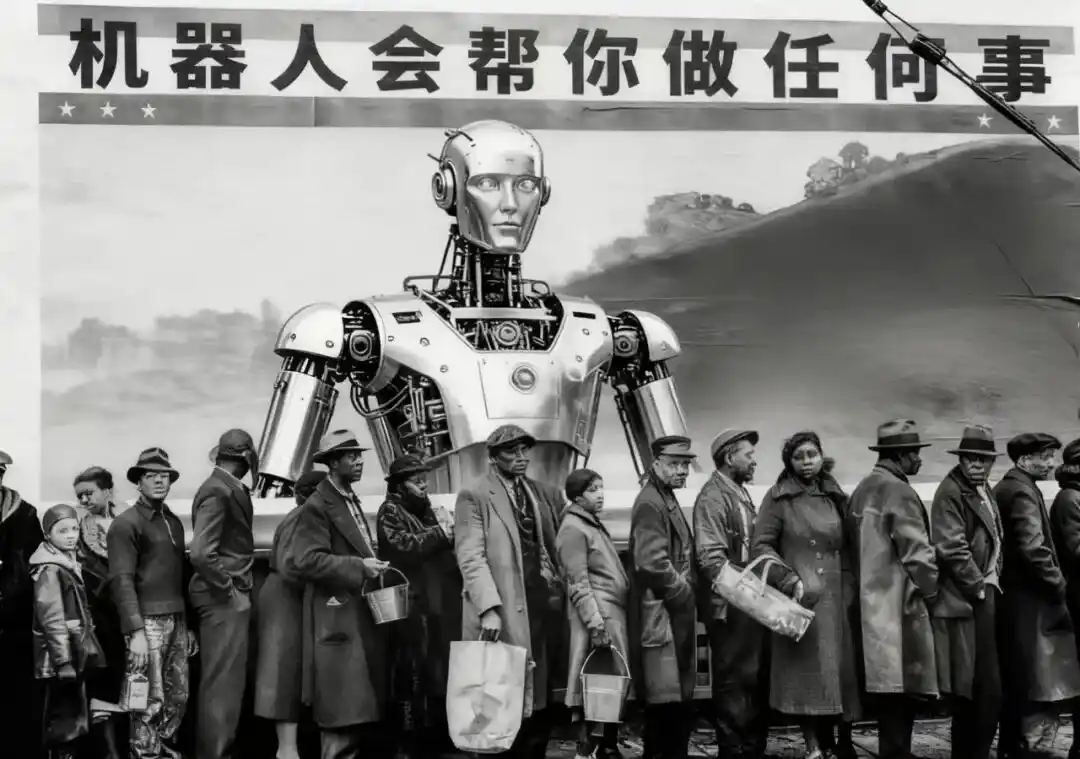
Thus, Luddism sees the unemployment risk behind machines, while Musk sees the potential for freedom behind machines; Hyundai Motor workers hope to protect their jobs before robots enter the factory, while Musk anticipates robots ultimately eliminating the very necessity of "having to work." These two seemingly contradictory logics also sharpen the same question: as machines create increasing wealth, who ultimately shares in this wealth?

Robots Aren't Skilled Workers Yet, But Unemployment Anxiety Has Arrived First

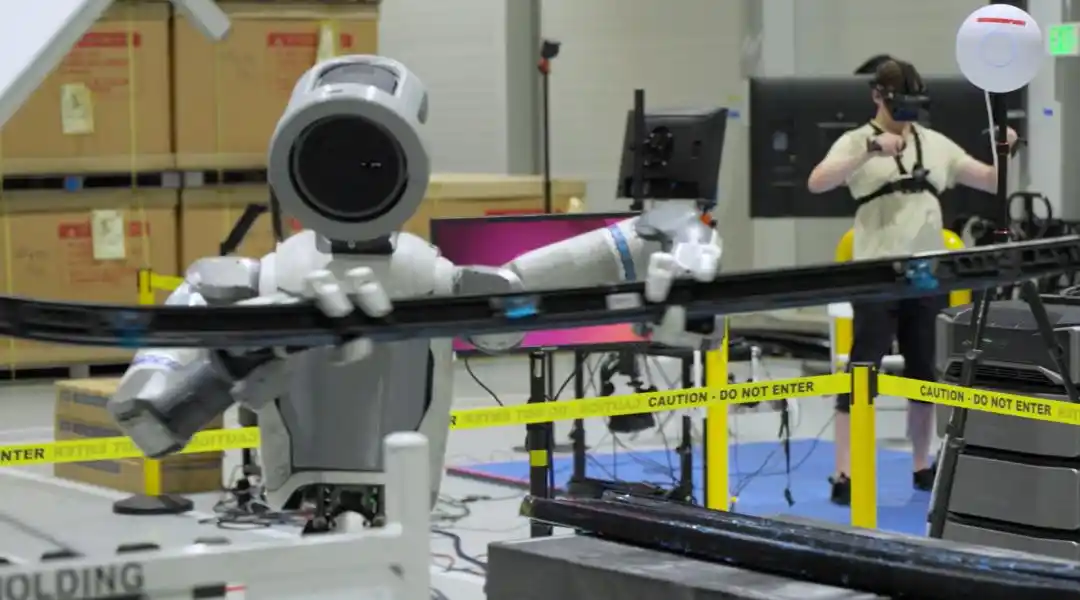
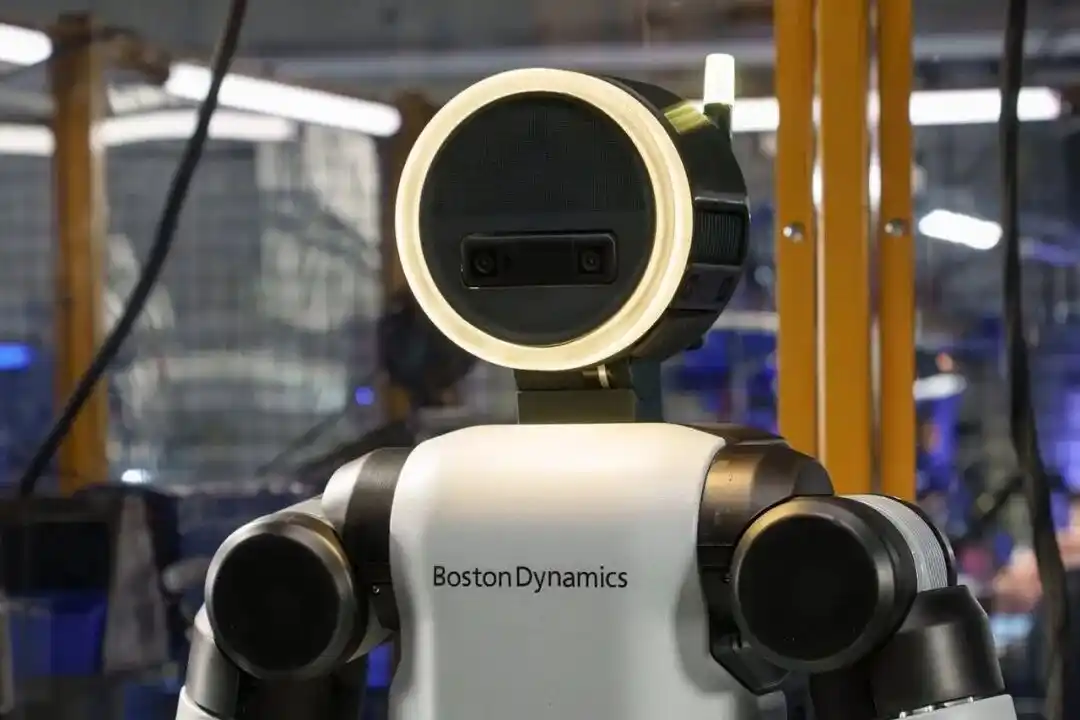
The concerns of Hyundai Motor workers are not hard to understand. The Hyundai Motor Group has publicly displayed an aggressive robotics strategy, and Boston Dynamics' Atlas is also continuously progressing from lab demonstrations towards industrial operations. Against this industrial backdrop, an automobile worker seeing Atlas lifting, walking, and handling components, and then seeing companies continuously emphasize AI, smart manufacturing, and automation, will naturally ask: five years from now, will the person standing next to this production line still be me?

Social media has further compressed this anxiety into a highly transmissible logical chain: companies buy robots, robots enter factories, human workers are laid off. An advance in a robot's capability, a procurement plan, or an experimental video can quickly be combined into a story of "a certain profession's countdown." Long-term technological trends are folded into an imminent reality, so the imagination of robot replacement outpaces the robots themselves.

The problem is, real industrial production is far from that simple. Automobile manufacturing is already one of the most automated industries globally. Highly standardized processes like welding, painting, stamping, and material handling have been covered by industrial robots for decades. What humanoid robots today truly need to conquer are precisely the areas traditional automation has never fully resolved: flexible assembly, harness operation, cross-station mobility, temporary anomaly handling, and the vast array of subtle and complex variations between different parts and working conditions.

The most valuable aspect of a skilled industrial worker is far from merely having two arms. How to install a part when it has slight dimensional variation, what a change in feel during tightening signifies, where to check first when a machine makes a certain sound, how to compensate in the next step after a slight deviation in the previous process—these experiences formed over years constitute the immense tacit knowledge in industrial production. They are rarely fully written into SOPs, yet they determine whether a production line can truly operate stably.

This is precisely one of the hardest barriers for current robots to cross. Being able to pick up a part in a demo environment is a completely different engineering problem from being able to perform the same action stably thousands of times over eight consecutive hours; being able to complete an assembly once does not mean being able to meet the yield rate, cycle time, safety requirements, and costly downtime risks demanded by a real production line. For many robotics companies, the journey from "can do" to "can do stably long-term" remains a lengthy path to industrialization.

Therefore, from the perspective of current technological reality, the notion that "tens of thousands of automobile workers will immediately be replaced by humanoid robots" is clearly an oversimplification. A more realistic situation today might be this: the long-term possibilities of technology are being prematurely realized in public discourse, and people are beginning to feel uneasy about that future even before robots truly possess comprehensive replacement capabilities.

But this does not mean the anxieties of the Hyundai Motor workers in South Korea are meaningless. On the contrary, when a technology has the potential to redefine production relations, the fermentation of social sentiment often precedes the technology's large-scale maturity. This prematurely emerging anxiety may not be accurately predicting tomorrow, but it likely already poses a question that will eventually need to be answered seriously.

Re-understanding Luddism: What They Feared Was Never Just a Machine

"Luddism" is often used as a slightly pejorative term today. People who reject new technology are labeled Luddites; those who express concerns about AI or robots are also easily categorized as conservative or anti-technology. Over time, Luddism has almost become synonymous with "technological backlash."

But the historical Luddite movement was far more complex than this label suggests. During the rapid mechanization of the British textile industry in the early 19th century, many participants in the Luddite movement were themselves skilled artisans with years of training. Machines did not bring only higher production efficiency; they simultaneously disrupted existing skill systems, wage structures, and labor relations. Once-scarce craftsmanship could rapidly depreciate, low-skilled laborers could enter production with the help of machines, the bargaining power of skilled workers declined, and the livelihoods of some were directly impacted. Machines ultimately became the most tangible object of their anger.
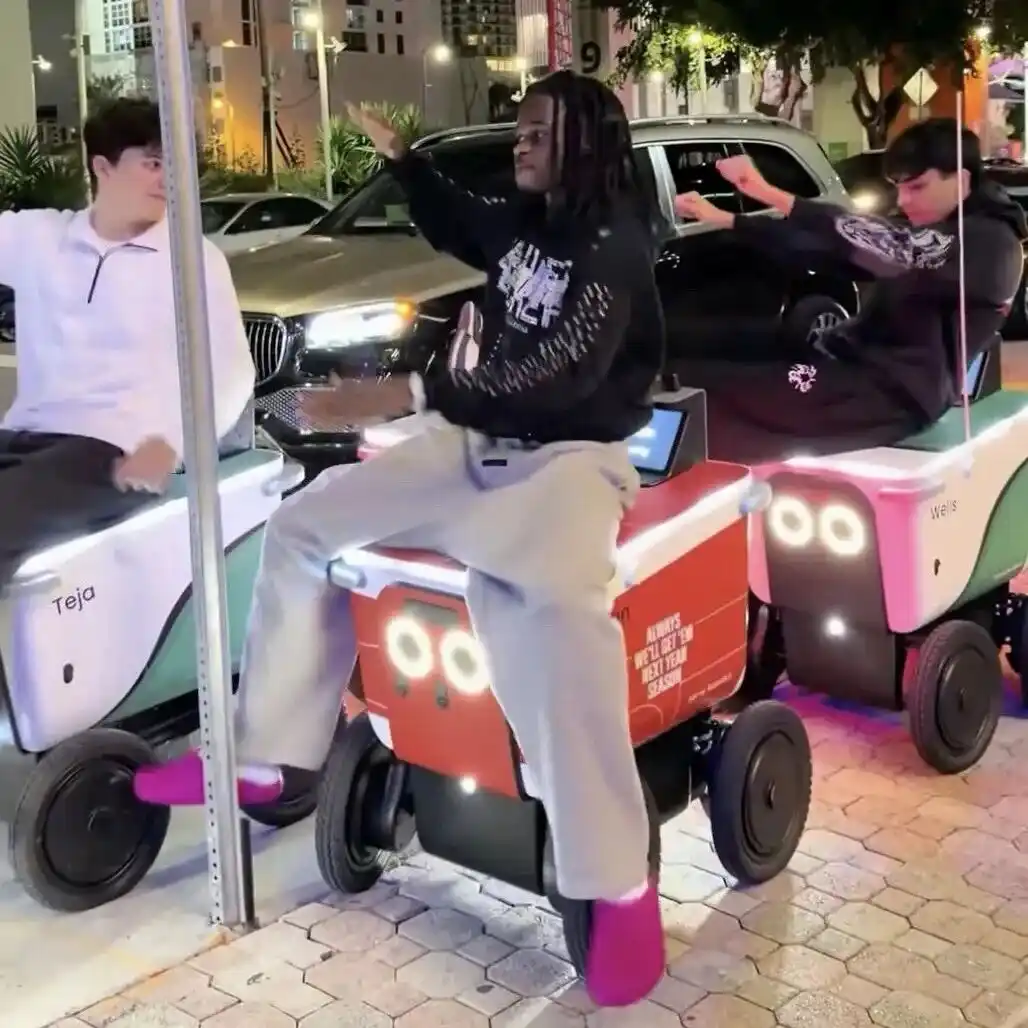
Looking back more than 200 years later, we of course know that machines did not destroy human society. The Industrial Revolution ultimately created an economic scale far larger than the handicraft era and gave rise to many professions that did not exist before. Therefore, judging the Luddites from today's perspective seems easy: they overestimated the threat posed by machines and underestimated the capacity of technological progress to create new opportunities.

Yet this "hindsight correctness" overlooks a very important issue. Standing before a worker in 1811, he did not know how much the global economy would grow in 100 or even 200 years, nor did he know when new occupations would emerge. What he could feel was that his wages were falling, his skills were depreciating, and his next job was uncertain. The overall benefits brought by technological progress typically take a long time to diffuse, but the costs incurred by technological substitution can be concentrated on a specific group of people in a very short time.

Today's Hyundai Motor workers facing Atlas are essentially in a similar position. Robotics companies might tell them automation can improve efficiency, economists might explain that new technologies ultimately create new jobs, tech companies might depict a future where humans are freed from repetitive labor—these assertions may all hold true. But the questions workers truly care about are more concrete: when will my position disappear? How much will the skills I've accumulated over 20 years be worth in five years? Will part of the productivity gains the company achieves through robots become benefits for employees? If industrial transformation indeed incurs costs, why should those costs first fall upon those being replaced?

Therefore, understanding the re-emergence of Luddite sentiment in the robotics era as some people fearing new technology again is an overly simplistic and labeled view. Textile workers 200 years ago and automobile workers today are essentially asking the same question: after machines create greater efficiency, who ultimately shares in that efficiency?

The Hardest Part Is Never the Endgame, But How to Get There

What Musk describes is a society where "work becomes optional." According to his estimation, by around 2036, the productivity brought by AI and robots may already be so high that "money" itself becomes less important than it is today, and people will no longer necessarily have to work for survival; labor will become more of a choice.

Such an endgame is certainly attractive enough, but it carries an extremely important implicit condition: the immense productivity created by robots and the resulting material abundance it brings must ultimately be shareable by the entire society.

Some do not believe in this viewpoint. As the renowned scholar Zhang Xiaoyu states in "Technology and Civilization: Our Era and Future," "If slave laborers benefited from technological progress, it was only because the development of productivity brought about by technological progress turned past luxuries into today's mass consumer goods."

If machines belong to a few companies, computing power is concentrated in a few enterprises, data and capital are likewise concentrated in a few entities, and the goods and services created by robots are still distributed entirely dependent on the existing income system, then continuously increasing production efficiency will not automatically grant each individual more wealth.

After all, during the last wave of the internet boom, the term "techno-elite" had already become a label for Silicon Valley entrepreneurs.

This is also why Musk ultimately had to propose "Universal High Income." In a sense, he appears to stand at the other extreme of Luddism, yet still needs to answer the question posed by the Luddite movement two centuries ago—how should the wealth created by machines be distributed.

What is truly complex may not be the distant endgame Musk depicts. If one day robots can indeed perform the vast majority of necessary labor, society might already have formed new income systems, security frameworks, and social contracts matching that reality. The stage most prone to conflict is actually the intermediate phase leading to that future—the "painful transition period" many foresee—which is happening today.
Robots won't suddenly jump from replacing 0% of jobs to replacing 100% in a single day. A more likely scenario is that they first replace 5%, then 10%; some highly standardized positions diminish first, certain skills begin to depreciate, some people become direct beneficiaries of the productivity红利 (dividend) through AI and robots, while others bear the costs of transition first. The worst-case scenario is that companies achieve higher profits, but retraining systems for workers are not yet mature; new jobs are emerging, but not necessarily in the places where people lost their old jobs.

Technological capabilities usually improve along a continuous curve, but social institutions do not automatically upgrade in sync with technology. This is why Michael Burry, the investor原型 (prototype) for "The Big Short," in response to Musk's views on AI, robots, and Universal High Income, left that impactful statement: "Before that happens, there will be a revolution."

Whether this statement is overly pessimistic is certainly debatable, but it at least accurately points out the process most easily glossed over in Musk-style futurism: how exactly do we navigate the several decades from today's society, which relies on labor for income, to that future society where work is optional?

The anxiety of Hyundai Motor workers occurs precisely at the very beginning of this long transitional path.

Wood Straightened by the Ink Line: Technology Also Needs Its Own "Rules and Frameworks"

Therefore, the "Luddism" reappearing in the robotics era need not be simply mocked. Smashing machines certainly cannot halt the industrial revolution; history has long proven that when a technology can continuously improve production efficiency and reduce costs, it is ultimately difficult to exclude from society through resistance. The same holds for today's humanoid robots; as long as costs continue to fall, reliability improves, and return on investment gradually becomes viable, their entry into factories, warehouses, commercial services, and even household life will become a long-term industrial trend.

But acknowledging the irreversibility of the trend does not mean society can only sit back and let technology determine everything. The industrial civilization of the past two centuries has never consisted solely of advancements in engines, electricity, computers, and robots. The eight-hour workday, minimum wage, occupational safety, labor contracts, social insurance, product liability, and various industrial standards are also part of the institutional legacy created by the Industrial Revolution. Many rules were initially seen as restrictions on efficiency but ultimately formed the foundation upon which technology could enter society on a large scale.
The development measures, management measures, and industry guidelines increasingly emerging today around artificial intelligence, robotics, data, security, and ethics are precisely part of the process of rediscovering boundaries in this new round of technological revolution. As robots truly enter production and daily life, these rules will become increasingly concrete: what kind of labor-management consultation should precede robots entering production lines, how should productivity gains from automation be distributed, who bears the retraining costs for those displaced by technological substitution, how is liability determined after a robot causes a safety incident, which high-risk scenarios must retain human-in-the-loop—these questions will ultimately become part of robot industrialization.

They may not seem as exciting as robots running, doing backflips, or completing a complex operation, but they are likely to determine whether robots can truly pass through the final gate between technological demonstration and industrial application.

"Wood is straightened by the ink line; metal is sharpened on the whetstone." The ink line may seem to restrict the direction of the wood, yet it also allows it to ultimately become a pillar. Norms are similar for technology. Genuinely mature technological optimism does not require pretending that technology creates no problems. The more a society believes robots can ultimately create immense productivity, the more it should place discussions about benefit distribution, employment transition, safety liability, and human dignity on the table for early debate, before that productivity is released on a massive scale.

So perhaps the anxiety of the Hyundai Motor workers in South Korea has indeed arrived somewhat early. Today's humanoid robots are still a considerable engineering distance away from becoming a truly reliable automobile worker capable of long-term substitution for a skilled human worker. But discussions about how society should face them once they truly enter factories are not early at all.

They should perhaps start even earlier.

This article is from the WeChat public account "AI Wu Zao," author: Peng Kunfang

Трендовые криптовалюты

Связанные с этим вопросы

QWhat is the main conflict highlighted in the article between Korean auto workers and Elon Musk's vision?

AThe article highlights a fundamental conflict between immediate anxiety and long-term optimism regarding technological disruption. Korean auto workers at Hyundai are anxious about robots potentially taking their jobs in the near future, seeking employment guarantees. In contrast, Elon Musk envisions a distant future where AI and robots create such material abundance that work becomes optional, necessitating concepts like 'Universal High Income.'

QWhy does the article argue that comparing the Hyundai workers' concerns to 'Luddism' is an oversimplification?

AThe article argues it's an oversimplification because the original Luddites and modern workers are not merely 'anti-technology.' Their core concern is the same: who benefits from the increased productivity created by machines? They fear that the costs of technological transition (job loss, skill devaluation) will be borne by workers, while the profits and efficiency gains are captured by capital owners, without a fair redistribution mechanism.

QWhat key technical challenge does the article identify for humanoid robots like Boston Dynamics' Atlas to fully replace skilled auto workers?

AThe key challenge is mastering the vast amount of 'tacit knowledge' possessed by skilled workers. This includes handling part tolerances, interpreting sensory feedback (sound, touch) during assembly, compensating for variations, and managing unforeseen anomalies. Moving from a one-time demonstration to performing these complex, judgment-based tasks reliably for thousands of cycles under real production pressure and safety constraints remains a significant engineering hurdle.

QAccording to the article, what is the 'most difficult' part of reaching Elon Musk's vision of a post-work society?

AThe most difficult part is the transitional period or 'growing pains.' The article states that the hardest phase is not the distant endpoint where work is optional, but the decades-long middle stage where robots incrementally replace 5%, then 10% of jobs. Conflict may arise if social institutions (retraining, income support, new labor contracts) fail to evolve synchronously with technological capabilities, leaving displaced workers to bear the costs while benefits are concentrated.

QWhat historical parallel does the article draw to suggest that regulations and social frameworks are necessary for the robotics revolution?

AThe article draws a parallel to the Industrial Revolution, which produced not just engines and machines but also crucial social and institutional frameworks like the eight-hour workday, minimum wage, workplace safety standards, and social insurance. Similarly, for robots to be widely integrated, society needs to proactively establish rules for fair benefit sharing, retraining responsibilities, safety liability, and ethical deployment, forming the necessary 'guardrails' for sustainable technological adoption.

Похожее

Ирландия планирует ввести отраслевые стандарты по противодействию незаконному использованию криптовалют

Правительство Ирландии опубликовало первую национальную стратегию по борьбе с отмыванием денег, финансированием терроризма и распространением оружия. Документ включает меры по регулированию криптоактивов для противодействия их использованию в незаконных целях. Стратегия предполагает введение новых обязательств для поставщиков услуг с криптоактивами, усиление проверок транзакций с частными кошельками и более строгую проверку зарубежных криптокомпаний. Ирландия планирует внедрить эти отраслевые стандарты, соответствующие европейскому регламенту MiCA, во второй половине 2027 года. Стратегия также затрагивает вопросы использования криптоактивов в качестве источника средств для азартных игр.

cointelegraph5 мин. назад

Ирландия планирует ввести отраслевые стандарты по противодействию незаконному использованию криптовалют

cointelegraph5 мин. назад

Grayscale: «Если предложения будут приняты, цены на эти два альткоина могут вырасти»

Глава исследовательского отдела Grayscale Зак Пандл заявил, что обсуждаемые в сообществах Ethereum ($ETH) и Solana ($SOL) изменения в токеномике, направленные на снижение инфляции предложения, могут замедлить рост выпуска новых монет. Это потенциально создаст дефицит и окажет повышательное давление на цены. По оценкам Grayscale, в случае реализации изменений годовая инфляция предложения ETH может снизиться до ~0.4% к концу 2031 года (близко к показателям Bitcoin), а для SOL — до ~1.1%. Для сравнения, ежегодный прирост предложения золота составляет ~1.8%. Пандл отмечает, что предложения по Solana, по-видимому, имеют больше шансов на реализацию. Однако снижение инфляции может также уменьшить вознаграждения для стейкеров, так как значительная часть их дохода формируется за счет эмиссии новых токенов. Выгоду от возможного роста цен в первую очередь получат инвесторы, владеющие токенами без стейкинга. Предложения пока не утверждены окончательно.

cryptonews.ru35 мин. назад

Grayscale: «Если предложения будут приняты, цены на эти два альткоина могут вырасти»

cryptonews.ru35 мин. назад

Эксперты назвали причины падения биткоина после снижения инфляции в США

Благоприятные данные по инфляции в США в июле, соответствовавшие или превзошедшие ожидания, не привели к росту биткоина. Эксперты CryptoQuant видят основную причину в слабом спотовом спросе. Приток в американские биткоин-ETF остаётся низким, а индекс Coinbase Premium, указывающий на активность инвесторов из США, сохраняется в отрицательной зоне. Это свидетельствует об ограниченном покупательном давлении. При этом позиции на фьючерсном рынке остаются высокими, создавая дисбаланс: слабая ликвидность и спрос при значительном объёме маржинальных позиций. В таких условиях даже позитивные макроновости могут не спровоцировать рост, а скорее привести к закрытию лонгов и дальнейшему давлению на цену. Ключевым уровнем сопротивления названа отметка около $68 700. Для возобновления устойчивого роста рынку, по мнению аналитиков, необходим возобновлённый приток в ETF, рост спотовых объёмов, переход Coinbase Premium в плюс и уверенное закрепление биткоина выше $68 700.

cryptonews.ru1 ч. назад

Эксперты назвали причины падения биткоина после снижения инфляции в США

cryptonews.ru1 ч. назад

Курс биткоина опустился до 62 470 долларов, поскольку продавцы вновь тестируют уровень поддержки в 63 000 долларов

Курс биткоина в пятницу продолжил снижение, вновь опустившись ниже уровня поддержки в 63 000 долларов и достигнув дневного минимума в 62 470 долларов. Несмотря на последующее восстановление до отметки около 63 000 долларов, динамика цены оставалась вялой, а рыночная капитализация удерживалась ниже 1,27 трлн долларов. На рынке усилилась волатильность, приведя к значительным ликвидациям длинных позиций с кредитным плечом. Дополнительное давление оказал устойчивый отток средств из спотовых биткоин-ETF, что говорит о возможном отступлении институциональных инвесторов. Ситуацию усугубило предложение провайдера индексов MSCI о новых критериях отбора, которые могут привести к исключению из индексов компаний, активно использующих биткоин в казначейских резервах, таких как Strategy и Metaplanet. Это потенциально спровоцирует их принудительную распродажу институциональными фондами. Strategy публично осудила данную инициативу, заявив, что поставщики индексов должны измерять рынки, а не диктовать компаниям, какими активами владеть. Окончательное решение MSCI ожидается в октябре, и в случае принятия новые правила могут начать действовать уже в ноябре, создавая дополнительные препятствия для роста биткоина в конце года.

cryptonews.ru1 ч. назад

Курс биткоина опустился до 62 470 долларов, поскольку продавцы вновь тестируют уровень поддержки в 63 000 долларов

cryptonews.ru1 ч. назад

Торговля

Спот

Популярные статьи

Что такое DOGE M

Doge Matrix ($doge m): Новая порода криптовалюты, управляемой сообществом Введение В постоянно развивающемся мире криптовалют новые проекты постоянно появляются, каждый из которых стремится привлечь интерес инвесторов и энтузиастов. Одним из последних участников этой области является Doge Matrix, представленный тикером $doge m. Этот проект привлек внимание благодаря своим корням в популярной мем-культуре, окружающей Dogecoin, и занял свое место в пространстве web3. Эта статья направлена на предоставление всестороннего анализа Doge Matrix, охватывающего его обзор, создателя, инвесторов, функциональность, временную шкалу и примечательные аспекты. Что такое Doge Matrix ($doge m)? Doge Matrix — это проект криптовалюты, управляемый сообществом, который, по-видимому, основывается на широкой привлекательности Dogecoin, цифровой валюты, известной своим маскотом Шиба Ину и мем-истоками. Хотя общие цели Doge Matrix не определены в широком смысле, он характеризуется стремлением к вовлечению и поддержке сообщества. В отличие от традиционных криптовалют, которые часто подчеркивают полезность или внутреннюю ценность через базовые технологии, Doge Matrix позиционирует себя в пространстве, которое охватывает культурный феномен криптовалют, особенно привлекая тех, кто резонирует с этосом активов на основе мемов. Опираясь на сильные стороны сообщества Dogecoin, Doge Matrix функционирует как часть более широкой экосистемы, приглашая участие и вовлеченность пользователей, которые разделяют интерес к криптовалюте и цифровому пространству. Кто является создателем Doge Matrix ($doge m)? Личность создателя Doge Matrix остается неизвестной. Эта нехватка прозрачности не является редкостью в пространстве криптовалют, где некоторые проекты запускаются без раскрытия личностей своих основателей. Отсутствие информации о команде основателей может вызывать вопросы у потенциальных инвесторов о подотчетности и направлении проекта. Кто являются инвесторами Doge Matrix ($doge m)? На данный момент нет общедоступной информации, подробно описывающей инвесторов или инвестиционные фонды, поддерживающие Doge Matrix. Проект, похоже, в основном полагается на поддержку сообщества, а не на институциональные инвестиции. Эта модель соответствует управляемой сообществом природе инициативы, способствуя созданию среды, в которой направление проекта формируется его участниками, а не диктуется избранными финансовыми спонсорами. Как работает Doge Matrix ($doge m)? Специфика операционных механизмов Doge Matrix несколько расплывчата, отражая более широкую тенденцию проектов в пространстве мем-коинов, где инновационные функции не всегда четко сформулированы. Тем не менее, Doge Matrix, похоже, разработан для того, чтобы использовать существующую экосистему криптовалют, поощряя участие пользователей и опираясь на знакомые культурные ссылки, связанные с Dogecoin. Его потенциально уникальные характеристики происходят от взаимодействий сообщества, а не от технологических достижений, подчеркивая общие переживания и сотрудничество среди держателей токенов. Хотя точные инновации не были явно изложены, проект, похоже, создает пространство, где члены сообщества могут взаимодействовать, делиться идеями и продвигать потенциал проекта вперед. Временная шкала Doge Matrix ($doge m) Обзор временной шкалы проекта выявляет значимые события, которые определили его путь до сих пор: 25 ноября 2024 года: Doge Matrix достиг своего исторического максимума, что стало значительной вехой в его ранней истории. 1 января 2025 года: Напротив, Doge Matrix достиг своего исторического минимума, иллюстрируя волатильность, часто ассоциируемую с криптовалютами, особенно на ранних стадиях жизненного цикла проекта. В процессе: Проект продолжает активно торговаться и поддерживаться своим сообществом, хотя конкретные будущие вехи или цели еще не были раскрыты. Ключевые моменты о Doge Matrix ($doge m) Ориентированность на сообщество В центре Doge Matrix лежит стремление к вовлечению сообщества. Проект процветает на основе сотрудничества и общих целей среди своих участников, подчеркивая важность коллективных усилий. В отличие от централизованных проектов, которые часто имеют четкую структуру руководства, Doge Matrix в настоящее время демонстрирует более гибкий подход к управлению, где голос каждого члена сообщества имеет значение. Волатильность Криптовалютный рынок известен своей волатильностью, и Doge Matrix не является исключением. Его история цен отражает значительные колебания между высокими и низкими значениями, что типично для многих новых криптовалют, но подчеркивает риски, связанные с инвестициями в новые токены. Нехватка детальной информации Одной из самых поразительных особенностей Doge Matrix является нехватка детальной информации о его технологических основах и операционных механизмах. Эта неопределенность требует от потенциальных инвесторов проведения тщательной проверки перед взаимодействием с проектом. Заключение В заключение, Doge Matrix ($doge m) иллюстрирует новую волну проектов криптовалют, которые сильно полагаются на вовлечение сообщества и культурную значимость. Хотя проект и не хватает некоторых конкретных деталей — таких как четкое руководство, определенные цели и детальная функциональность — он сумел вызвать интерес в крипто-сообществе, используя установленную привлекательность мем-культуры. Как и в случае с любыми инвестициями в пространстве криптовалют, понимание присущих рисков и проведение комплексного исследования являются необходимыми для потенциальных участников. Doge Matrix служит напоминанием о динамичной, иногда непредсказуемой природе криптоиндустрии, отмеченной постоянной эволюцией и энтузиазмом в отношении инициатив, управляемых сообществом.

880 просмотров всегоОпубликовано 2025.02.03Обновлено 2025.02.03

Что такое DOGE M

Что такое $M

Понимание Mantis ($M): Новая эра в кросс-цепной интероперабельности В постоянно развивающемся ландшафте Web3 и криптовалют новые проекты стремятся предложить инновационные решения, направленные на улучшение пользовательского опыта и расширение функциональных возможностей в рамках децентрализованной финансовой экосистемы. Один из таких проектов, привлекающих внимание, — Mantis ($M), пионерский протокол, основанный на принципах кросс-цепной интероперабельности и расчетов на основе намерений. Эта статья углубляется в основные аспекты Mantis, включая его основную функциональность, создателей, инвестиционную поддержку, инновационные функции и ключевые вехи. Что такое Mantis ($M)? Mantis описывается как протокол расчетов по намерениям в нескольких доменах, который упрощает кросс-цепные взаимодействия, позволяя пользователям без труда выполнять сложные финансовые транзакции на различных блокчейн-платформах. Протокол работает через три основных уровня: Выражение намерений: Пользователи могут формулировать свои цели транзакций на естественном языке с помощью DISE LLM, продвинутой модели AI. Например, пользователь может выразить желание обменять Ethereum (ETH) на Solana (SOL) с определенной допустимой проскальзыванием в 1%. Исполнение: Этот уровень использует сеть решателей, которые конкурируют за выполнение намерений пользователей. Транзакции выполняются с использованием таких механизмов, как совпадение желаний (CoWs) и аукционы потока заказов (OFAs), которые обеспечивают оптимальное удовлетворение потребностей пользователей. Расчет: Используя протокол межблокчейн-коммуникации (IBC), Mantis позволяет атомарные кросс-цепные транзакции, позволяя пользователям работать на различных поддерживаемых цепях, включая Ethereum, Solana и Cosmos. Mantis разработан для введения родного генерации дохода для неактивных активов, используя криптографические доказательства для поддержания целостности транзакций на протяжении всего процесса. Создатели и команда разработки Mantis был задуман Composable Foundation, исследовательской организацией, известной своим акцентом на решениях для блокчейн-интероперабельности. Этот фонд сотрудничает с уважаемыми академическими учреждениями, включая Гарвардский университет и Университет Лиссабона, внося вклад в обширные исследования и разработки, которые информируют архитектуру и функциональность Mantis. Обязательство Composable Foundation по содействию инновациям в области блокчейна позиционирует Mantis как надежное решение для растущего спроса на интероперабельность среди множества блокчейн-сетей. Инвесторы и поддержка Хотя конкретные детали о частных инвесторах не были публично раскрыты, Mantis пользуется значительной поддержкой от различных организаций, включая: Гранты экосистемы от цепей с поддержкой IBC, которые поддерживают рост протокола и его интеграцию в экосистемы децентрализованных финансов. Стратегические партнерства с поставщиками инфраструктуры, которые усиливают сетевые возможности Mantis и стратегии развертывания. Финансирование через казну Composable Foundation, обеспечивая устойчивую финансовую поддержку для продолжающейся разработки и операционных расходов. Эти совместные усилия отражают консенсус среди заинтересованных сторон о важности улучшения кросс-цепной функциональности и потенциальной полезности инфраструктурных инноваций Mantis. Ключевые инновации Mantis выделяется благодаря нескольким пионерским инновациям, которые улучшают его функциональность и полезность: Независимые от цепи намерения: Пользователи могут инициировать транзакции с любой поддерживаемой цепи, при этом расчет происходит на другой. Эта гибкость дает пользователям больше возможностей, способствуя увеличению взаимодействия между различными платформами. Интерфейс на базе AI: Интеграция DISE LLM позволяет пользователям проводить сложные операции DeFi на естественном языке, тем самым упрощая взаимодействия и делая технологии блокчейн доступными для более широкой аудитории. Кросс-доменное захватывание MEV: Mantis создает внутренний рынок для максимальной извлекаемой ценности (MEV) через конкуренцию между решателями. Этот инновационный подход позволяет достичь большей эффективности и извлечения ценности в сложных транзакциях. Модульный уровень расчетов: Протокол поддерживает различные методы верификации, включая нулевые доказательства и оптимистичные роллапы, предоставляя универсальную структуру, которая может адаптироваться к новым технологиям блокчейна. Историческая хронология Разработка Mantis отмечена несколькими критическими вехами, которые определяют его траекторию и рост: | Год | Веха | |————|———————————————————————–| | 2022 | Начальная разработка концепции в исследовательском подразделении Composable Foundation. | | Q3 2024 | Запуск тестовой сети с возможностями мостов между Solana и Ethereum. | | Q1 2025 | Ожидаемое событие генерации токенов (TGE) наряду с запуском основной сети. | | Q2 2025 | Ожидаемая интеграция DISE LLM и расширение кросс-цепных возможностей. | | 2025 H2 | Запланированная поддержка более 15 цепей через дальнейшие обновления IBC. | Эта хронология описывает эволюцию Mantis, от концептуальных обсуждений до активной реализации и будущих этапов роста. Стратегия роста экосистемы Стратегия Mantis по росту экосистемы включает несколько инициатив, направленных на поощрение участия пользователей и вовлечения разработчиков: Система кредитов: Пользователи могут зарабатывать кредиты протокола, предоставляя ликвидность и участвуя в реферальных программах. Эти кредиты можно будет обменять на стимулы в будущем, способствуя формированию активного сообщества пользователей. Модульный комплект для разработки программного обеспечения (SDK): Этот инструмент позволяет разработчикам создавать приложения на основе моделей, управляемых намерениями, используя инфраструктуру Mantis, тем самым способствуя инновациям в его экосистеме. Модель управления: По мере взросления протокола держатели токенов $M получат возможность участвовать в управлении протоколом, позволяя им голосовать за предлагаемые обновления и изменения, тем самым усиливая вовлеченность сообщества и децентрализацию. Mantis представляет собой значительный шаг вперед в области кросс-цепной архитектуры. Путем бесшовной интеграции продвинутых алгоритмов AI с надежной расчетной структурой Mantis стремится решить проблемы фрагментации в многоцепных экосистемах. Его инновационный подход приоритизирует улучшение пользовательского опыта, соблюдая при этом основные принципы децентрализации и безопасности, устанавливая новый стандарт для будущей интероперабельности технологий блокчейн. По мере того как Mantis продолжает свой путь роста и реализации, он обещает стать проектом, за которым стоит внимательно следить в конкурентной среде Web3 и децентрализованных финансов. С акцентом на преодоление границ и повышение вовлеченности пользователей Mantis готов стать неотъемлемой частью будущих разработок в области криптовалют.

260 просмотров всегоОпубликовано 2025.03.18Обновлено 2025.03.18

Что такое $M

Как купить M

Добро пожаловать на HTX.com! Мы сделали приобретение MemeCore (M) простым и удобным. Следуйте нашему пошаговому руководству и отправляйтесь в свое крипто-путешествие.Шаг 1: Создайте аккаунт на HTXИспользуйте свой адрес электронной почты или номер телефона, чтобы зарегистрироваться и бесплатно создать аккаунт на HTX. Пройдите удобную регистрацию и откройте для себя весь функционал.Создать аккаунтШаг 2: Перейдите в Купить криптовалюту и выберите свой способ оплатыКредитная/Дебетовая Карта: Используйте свою карту Visa или Mastercard для мгновенной покупки MemeCore (M).Баланс: Используйте средства с баланса вашего аккаунта HTX для простой торговли.Третьи Лица: Мы добавили популярные способы оплаты, такие как Google Pay и Apple Pay, для повышения удобства.P2P: Торгуйте напрямую с другими пользователями на HTX.Внебиржевая Торговля (OTC): Мы предлагаем индивидуальные услуги и конкурентоспособные обменные курсы для трейдеров.Шаг 3: Хранение MemeCore (M)После приобретения вами MemeCore (M) храните их в своем аккаунте на HTX. В качестве альтернативы вы можете отправить их куда-либо с помощью перевода в блокчейне или использовать для торговли с другими криптовалютами.Шаг 4: Торговля MemeCore (M)С легкостью торгуйте MemeCore (M) на спотовом рынке HTX. Просто зайдите в свой аккаунт, выберите торговую пару, совершайте сделки и следите за ними в режиме реального времени. Мы предлагаем удобный интерфейс как для начинающих, так и для опытных трейдеров.

1.4k просмотров всегоОпубликовано 2025.07.02Обновлено 2026.06.02

Как купить M

Обсуждения

Добро пожаловать в Сообщество HTX. Здесь вы сможете быть в курсе последних новостей о развитии платформы и получить доступ к профессиональной аналитической информации о рынке. Мнения пользователей о цене на M (M) представлены ниже.

活动图片