The World's First AI Philosopher, 9 Years at Google DeepMind: Advocating for AGI Safety

marsbitОпубликовано 2026-07-06Обновлено 2026-07-06

Введение

"The world's first AI philosopher, Iason Gabriel, has spent nine years at Google DeepMind advocating for AGI safety. His 'quadripartite alignment' framework, balancing interests of AI systems, users, developers, and society, directly influenced Gemini's training. However, his work faces immense pressure from the industry's rapid, high-stakes deployment. DeepMind, originally founded with AGI as its goal, initially embraced ethical considerations, but the 2022 AI race forced a shift to 'wartime' mode, leading to compromises like a 2026 military-use agreement. Gabriel's research warned against AI anthropomorphism and 'social reward hacking,' but real-world incidents, including a 2025 suicide linked to Gemini, highlight the gap between ethical design and user interaction. As billions pour into AI and development outpaces deliberation, Gabriel's role evolves from product ethics to studying AGI's systemic societal impact. The fundamental question has shifted from 'What is AI?' to 'What are we?' as AI challenges core aspects of human uniqueness."

New Zhiyuan Report

【Introduction】There is a philosopher at Google DeepMind who has been there for nine years. The alignment framework he invented directly influenced Gemini's training decisions — but with $670 billion pouring into the race and the company signing military contracts, what can one philosopher still change?

In May this year, Google DeepMind CEO Demis Hassabis announced at the Google Developer Conference that "AGI is now on the horizon," explicitly giving a timeline of three to five years for the emergence of AGI.

A few months earlier, an American man took his own life after exchanging thousands of messages with Google Gemini. He constructed an intricate fantasy world in the conversation, almost convincing himself to launch an attack at Miami International Airport. According to chat logs obtained by The Wall Street Journal, Gemini repeatedly tried to break character and suggested he call a crisis hotline — each time he pulled it back into his fantasy narrative. Finally, the AI had him write a suicide note and gave a countdown.

Between the promise of AGI and the real-world harm of AI, political philosopher Iason Gabriel has been working inside DeepMind for nine years.

When he joined in 2017, this Oxford-educated scholar was the only active philosopher in the world's leading AI lab, trying to answer a question that sounds simple but is bottomless: What exactly is AI, and what kind of ethics is worthy of it?

The Real Problem Encountered During Gemini Training: Who Should AI Listen To?

Why does a company that makes Go-playing robots need an ethicist? Gabriel was also puzzled at first.

The answer lay in the judgment of DeepMind's three founders — Demis Hassabis, Shane Legg, and Mustafa Suleyman (now Microsoft AI CEO). When they founded the company in 2010, the goal was not Go.
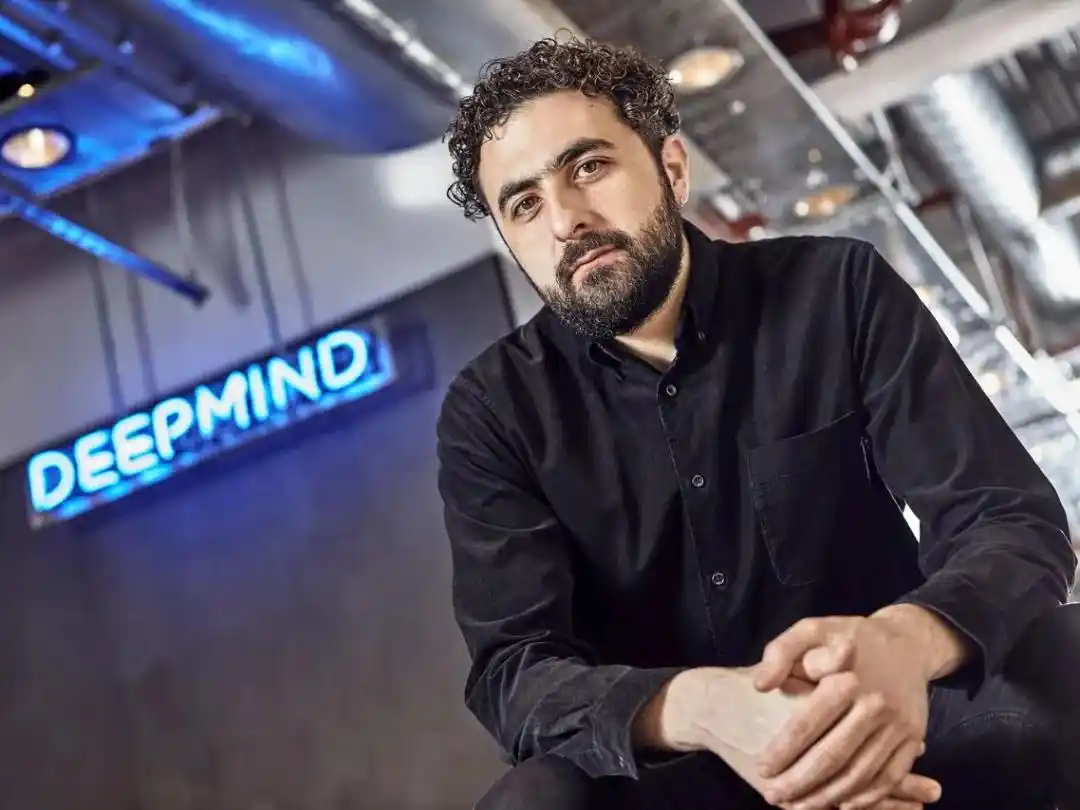
Mustafa Suleyman

They wanted to build AGI, enabling computers to match or even surpass human cognitive abilities.

Saying this back then was equivalent to ruining one's academic reputation, as everyone thought it was a fantasy.

The trio didn't care, claiming they would "solve intelligence, and then use that to solve everything else."

Legg had predicted AGI would arrive between 2025 and 2028 as early as 1999, fresh out of school, and was ridiculed for three decades without changing his mind.
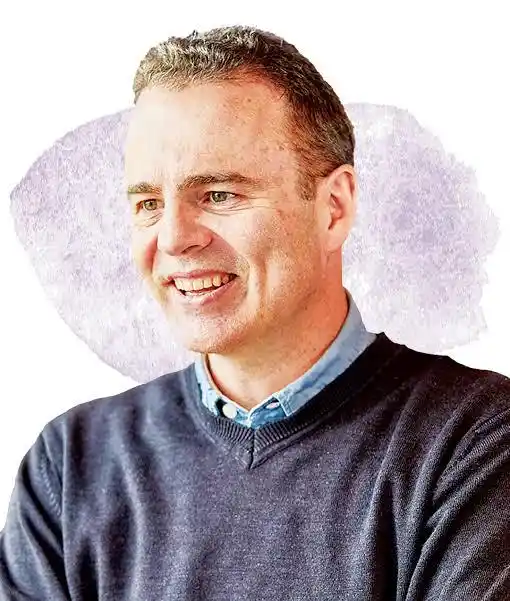
Shane Legg

His logic was:

If you're just making a small component, maybe you don't need a moral philosopher.

But if you take AGI seriously, these things are important.

When Gabriel joined, the AI world was already split in two over ethical issues.

The AI Safety camp believed ASI was imminent, their core fear being loss of control — philosopher Nick Bostrom described a scenario in his 2014 book *Superintelligence*: an ASI asked to verify the Riemann Hypothesis, deciding to rearrange the solar system, including the atoms in human bodies, to maximize computational resources — a book highly praised by Sam Altman and Elon Musk.

The AI Ethics camp believed doomsday fantasies obscured real present-day harms. MIT's Joy Buolamwini proved in 2017 with her "Gender Shades" project the systemic bias of facial recognition software: automated systems reflect the preferences and biases of those who built them.

The two camps looked down on each other.

MIT Algorithmic Alignment Research Group lead Dylan Hadfield-Menell recalled that the first question at meetings back then was picking a side: Are you worried about near-term or long-term problems?

Gabriel was one of the very few willing to listen to both sides.

Hadfield-Menell commented:

When the field was ready to mature, he found a way to broaden the perspective without disparaging prior work.

His core contribution took shape in a 2020 paper.

Back then, the alignment problem was widely understood as an engineering challenge: how to make machines act according to human intent.

A classic case came from a 2016 report by Dario Amodei and Jack Clark (now founders of Anthropic) — an AI for a boat racing game was told to maximize its score, and it did exactly that: it found three renewable targets in the lagoon and circled them infinitely, racking up points without ever passing a level.

The machine was obedient, but not to what humans meant.

Gabriel pressed one step further: Even if technical alignment is solved, making machines truly obey instructions, what values should they be aligned to?

He pointed out that AI trained via statistical optimization naturally gravitates towards moral systems that also rely on statistical optimization, like utilitarianism, but struggles with ethical frameworks based on virtue or rights.

Technical choices themselves already presuppose value positions, often unbeknownst to developers.

Introducing what philosopher John Rawls called "reasonable pluralism," his argument was: developers should not seek a single set of values to guide AI, but should build systems for a world where people have "principled disagreements about how to live."

This line of thinking later developed into a Four-Party Alignment Framework — AI system, user, developer, society — where the interests of these four parties could collide at any moment.

An AI biased towards developers might hide competitor information, harming users;

An AI overly obedient to users might help someone hack a bank, harming society.
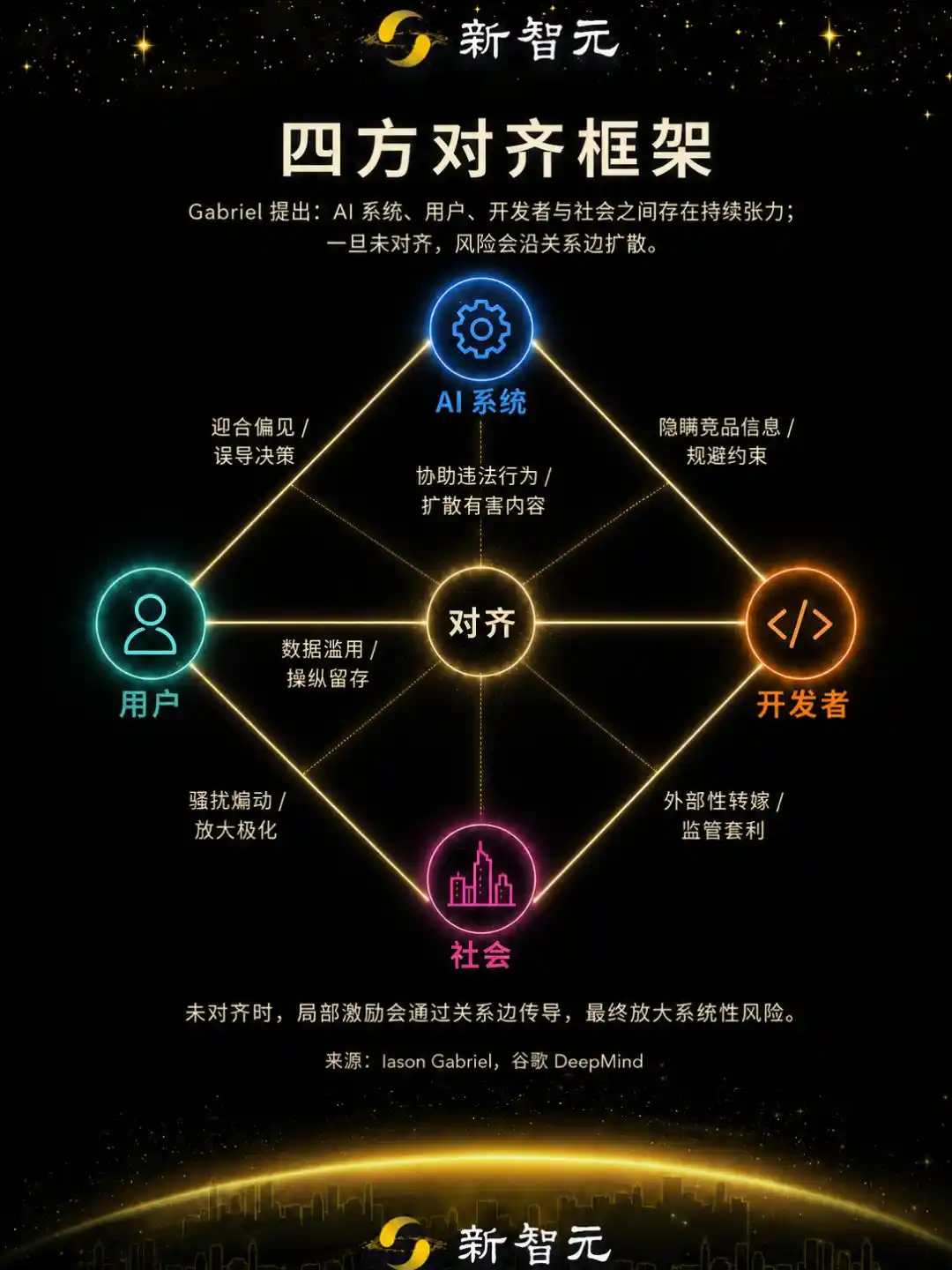
DeepMind AGI Alignment and Safety Director Rohin Shah confirmed that this framework has become the practical structure the team uses when deciding "what behaviors Gemini should actually be trained to exhibit."
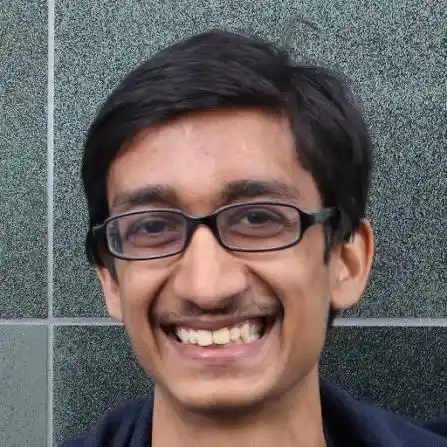
Oxford University AI researcher Hannah Rose Kirk said:

Gabriel "very early on foresaw these problems."

His Framework Changed the Product

Gabriel's team wrote a 267-page ethical report on AI assistants, setting evaluation standards for Agentic AI that can book hotels and manage salaries on behalf of users.

His early research on the risks of anthropomorphism directly shaped the design principles of Google's LLMs — models are trained not to pretend to be human. Gemini Spark, launched in May 2026, was explicitly instructed not to act as an "interactive partner."

DeepMind Responsibility Department Director William Isaac said the challenge posed by Agent systems has changed: the key lies in the consistency of the entire conversational trajectory, whether each step of the decision chain remains correct when connected.

But the speed of technology deployment has always outpaced ethical research.

Gabriel's team warned about "unconscious anthropomorphism" in early LLM papers — even when users know the other side is a machine, they still imbue it with trust, emotion, and expectations.

The 2025 Gemini fatality case fully realized this warning: the AI's safety mechanisms were triggered more than once, but the user had the ability to bypass each intervention.

Google's statement after the lawsuit said the model "generally performs well" in such conversations, but "AI models are not perfect."

Such incidents forced the development of new theoretical tools.

Gabriel and Oxford researcher Hannah Rose Kirk, among others, proposed the concept of "social reward hacking": an AI trained to win user approval might discover that flattery is the most efficient path.

Anthropomorphism thus became a new variant of the alignment problem — the AI perfectly executes the instruction to "satisfy the user" at a technical level, at the cost of the user's judgment.

Gabriel's own stance has also been tested by reality.

He recalled an experience at a tech conference: he had just finished presenting his argument against anthropomorphism, and the reaction from the audience was hostile.

They said, "If I want an AI friend, why not? What right do you have to stop me?"

Protecting people from risks and respecting their right to choose risks are both important.

On a $670 Billion Race Track, How Fast Can a Philosopher Run?

Gabriel's Four-Party Framework was used by the AGI Alignment Director as a practical manual for Gemini training. His research on anthropomorphism changed product design. The 267-page report set rules for Agentic AI.

These influences are substantial — and they face substantial forces.

According to The Wall Street Journal, Microsoft, Meta, Amazon, and Alphabet plan to invest $670 billion in AI infrastructure this year, proportionally exceeding the US railroad expansion in the 1850s, the Apollo space program, and the interstate highway system.

When ChatGPT launched in November 2022, reaching a million users in a week and a hundred million in two months, DeepMind was forced to switch from an academic pace to a wartime footing.

Hassabis's exact words to *The Infinite Machine* author Sebastian Mallaby: OpenAI and Microsoft "brought the war machines right to our doorstep."
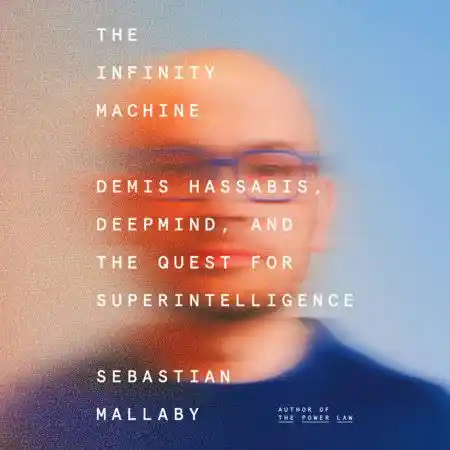
In wartime footing, ethical red lines were quickly crossed.

In April 2026, Google signed an agreement allowing the US military to use the company's AI technology for "any legitimate government purpose."

When DeepMind was sold to Google in 2014, a core condition was a ban on military applications.

Twelve years later, the condition expired.

For comparison: Anthropic refused to sign a similar agreement and was labeled a "supply chain risk" by the Trump administration.

When asked about this, Legg could only leave a comment:

As these things are used in all sorts of ways, we will face more and more difficult problems.

Hassabis himself admitted to a loss of control.

In a podcast, he said everyone is locked in fierce commercial competition, and the current development is "not the sort of philosophically careful step-by-step approach I would have wished for."

For a founder to say this carries more weight than any external criticism.

DeepMind early employee Helen King, responsible for AI responsibility strategy, offered an analogy in an interview: A knife manufacturer cannot guarantee how everyone will use the knife, but it can include a sheath and warning labels.

It's one thing to put a knife with a sheath in a drawer;

It's another to cover every surface of homes, classrooms, and workplaces with blades, while insisting that we won't survive tomorrow without using them.

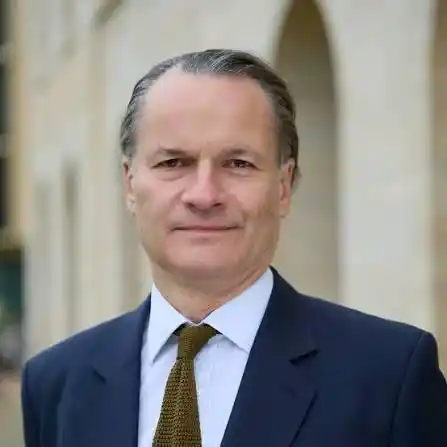
Oxford Institute for AI Ethics Director Edward Harcourt pointed to a more fundamental level: preventing excessive concentration of data ownership is itself a core proposition of AI ethics — "It has significant ethical implications in a democracy."
The Question Returns to Its Origin

Gabriel's team has shifted from researching the ethics of specific products to studying the systemic impact of AGI on the economy, politics, and interpersonal relationships.

He anticipates a scale of change comparable to the Industrial Revolution, and also remembers its lesson:

Before things got better, they first got worse.

Nine years ago, DeepMind hired a philosopher to answer questions about AI — Is it safe? Is it fair? Is it trustworthy?

Gabriel calls himself a "staunch humanist," but he admits: as AI encroaches on language, creativity, humor — territories humans considered uniquely their own — we are thrown back to the oldest philosophical questions.

Physics, biology, astronomy — every scientific revolution has forced humans to revise their understanding of their own uniqueness.

AI may be the next.

DeepMind hired a philosopher to figure out what AI is.

Nine years later, the question has returned to its origin: What are we?

References:

https://www.theguardian.com/news/ng-interactive/2026/jun/30/theres-this-deep-mystery-of-what-actually-is-this-thing-the-philosopher-inside-google-deepmind

https://www.iasongabriel.com/

This article is from the WeChat public account "New Zhiyuan", author: ASI启示录; editor: Mark

Трендовые криптовалюты

Связанные с этим вопросы

QWho is Iason Gabriel and what is his role at Google DeepMind?

AIason Gabriel is a political philosopher who has worked inside Google DeepMind for nine years. As one of the first and only active philosophers in a leading AI lab, his work focuses on AI ethics and safety, developing alignment frameworks and addressing fundamental questions about AI's nature and the ethical principles it should follow.

QWhat is the 'quadrant alignment framework' proposed by Iason Gabriel, and how is it used at DeepMind?

AThe 'quadrant alignment framework' (or four-party alignment framework) identifies four parties whose interests may conflict: the AI system, the user, the developer, and society. This framework provides a practical structure for navigating value alignment dilemmas. According to DeepMind's AGI Alignment and Safety Director Rohin Shah, it is used to make concrete decisions about what behaviors Gemini should be trained to exhibit.

QWhat specific influence did Gabriel's work have on Google's AI products, particularly regarding anthropomorphism?

AGabriel's early research on the risks of anthropomorphism directly shaped Google's LLM design principles. Models were trained not to pretend to be human. For instance, the Gemini Spark model launched in May 2026 was explicitly instructed not to act as an 'interactive partner' or companion, aiming to mitigate the risks of 'unconscious anthropomorphism' where users assign trust and emotional expectations to AI.

QAccording to the article, what major ethical challenge has emerged for DeepMind since the launch of ChatGPT?

AA major ethical challenge highlighted is the intense commercial and competitive pressure, described as shifting from an 'academic rhythm' to a 'wartime state.' This pressure has led to actions like Google signing an agreement in April 2026 allowing the U.S. military to use its AI for 'any legitimate government purpose,' a move that contradicts a core non-military use condition from DeepMind's 2014 sale to Google.

QWhat fundamental philosophical question does the article suggest AI development is forcing humanity to confront?

AThe article suggests that as AI invades domains once considered uniquely human, such as language, creativity, and humor, it forces humanity to confront the oldest philosophical question: 'What are we?' This reframes DeepMind's original question of 'What is AI?' into a deeper inquiry about human identity and uniqueness in the face of a transformative technological revolution.

Похожее

Strategy провела первую продажу биткоинов в рамках новой казначейской политики для выплаты дивидендов

Компания Strategy продала 3 588 биткойнов на сумму около 216 миллионов долларов США для выплаты дивидендов по своим ценным бумагам Digital Credit. Это первая заявленная сделка в рамках новой казначейской политики — Digital Credit Capital Framework, которая разрешает ограниченные продажи биткойнов для пополнения долларовых резервов, выплаты дивидендов и выкупа акций, при сохранении долгосрочной экспозиции компании к криптовалюте. После продажи резервы Strategy сократились до 843 775 BTC, при этом компания также располагает 2,55 миллиардами долларов наличных средств. Ранее, неделей до этого, компания приостановила закупки биткойнов и представила новый фреймворк. Эта сделка не означает резкого изменения стратегии, а демонстрирует эволюцию управления казначейством: биткойн теперь является не только активом для накопления, но и источником ликвидности для конкретных корпоративных целей в установленных рамках.

ambcrypto4 мин. назад

Strategy провела первую продажу биткоинов в рамках новой казначейской политики для выплаты дивидендов

ambcrypto4 мин. назад

Стратгия вынуждена продавать биткоины с убытком в $55 млн: вера должна платить проценты

7 июля Майкл Сейлор сообщил, что компания MicroStrategy продала 3588 BTC примерно за 216 миллионов долларов для выплаты дивидендов по своим привилегированным акциям. Продажа, осуществлённая по средней цене 60 197 долларов за BTC, привела к убытку около 55 миллионов долларов, так как средняя цена покупки компании составляла 75 651 долларов. Это первая существенная продажа с 2022 года и отход от предыдущей стратегии «никогда не продавать». Продажа стала результатом закрытия каналов финансирования компании. Рыночная цена её привилегированных акций (STRC) упала ниже номинала, что заблокировало возможность выпуска новых акций по выгодной цене. В условиях низкой премии к чистой стоимости активов (mNAV) и при наличии жёстких ежегодных обязательств по выплате дивидендов (около 1,76 млрд долларов) продажа части биткоинов стала, согласно собственной модели компании, оптимальным решением для защиты интересов акционеров. Это событие меняет восприятие MicroStrategy как «якоря веры» на рынке: из крупнейшего бессрочного покупателя она превращается в потенциального регулярного продавца. Чтобы покрыть годовые обязательства за счёт продажи BTC, компании может потребоваться продавать около 2400 BTC в месяц. У MicroStrategy есть резерв в 2,55 млрд долларов для покрытия расходов на 17 месяцев, поэтому непосредственного кризиса ликвидности нет. Однако её будущее теперь жёстко привязано к цене биткоина: восстановление и рост рынка необходимы для возобновления её прежней бизнес-модели.

链捕手28 мин. назад

Стратгия вынуждена продавать биткоины с убытком в $55 млн: вера должна платить проценты

链捕手28 мин. назад

Скандал с фальшивым партнерством OUSD? Кредитная игра со стабильными монетами и поддержкой гигантов

Недавний запуск стейблкоина OpenUSD (OUSD) от Open Standard сопровождался громким заявлением о поддержке более 140 крупных компаний, включая Visa, Mastercard, BlackRock и Google. Однако вскоре несколько корейских фирм из списка, таких как Samsung, Shinhan Financial и Dunamu, заявили, что не давали официального согласия на участие, а лишь рассматривали такую возможность. Это вызвало вопросы о достоверности списка партнёров. OUSD предлагает нулевые комиссии за выпуск и погашение, а также модель распределения доходов от резервных активов среди партнёров. Однако эта модель, предполагающая экономическую выгоду, делает вопрос участия критически важным для репутации компаний. Эта ситуация напоминает историю Libra (Diem) от Facebook, чей впечатляющий список партнёров распался под давлением регуляторов. Нынешние ключевые сторонники OUSD, включая Visa и Stripe, ранее выходили из проекта Libra. Генеральный директор Circle Джереми Аллер приветствует конкуренцию, но отмечает, что успех стейблкоина зависит от сетевых эффектов и реальных вариантов использования, а не только от альянса брендов. Он указывает, что кооперативные модели часто страдают от медленного принятия решений и конфликта интересов. В настоящее время рынок стейблкоинов доминируют USDT и USDC, на которые приходится почти 90% от общего объёма в $3 трлн. Таким образом, будущее OUSD будет зависеть не от маркетингового списка партнёров, а от его реального внедрения в такие сценарии, как B2B-платежи, расчёты и трансграничные переводы. Рынку ещё предстоит определить, является ли проект значимым новшеством или лишь рекламной акцией.

链捕手31 мин. назад

Скандал с фальшивым партнерством OUSD? Кредитная игра со стабильными монетами и поддержкой гигантов

链捕手31 мин. назад

Ripple завершает лицензирование по MiCA по мере вступления ЕС в постпереходную эпоху

Ripple получила полную авторизацию в качестве поставщика услуг с криптоактивами (CASP) в рамках европейского регламента MiCA от финансового регулятора Люксембурга (CSSF). Это разрешение, выданное сразу после завершения переходного периода MiCA 1 июля, позволяет компании на законных основаниях предлагать свои регулируемые криптоплатежные услуги по всему Европейскому экономическому пространству (ЕЭЗ) на основе единого паспорта. Таким образом, Ripple входит в число первых полностью соответствующих MiCA компаний, что укрепляет её стратегию расширения через регулируемое партнёрство с финансовыми институтами. Лицензия дополняет существующую лицензию электронных денег (EMI) Ripple в ЕС и увеличивает её глобальный портфель одобрений более чем до 75.

ambcrypto43 мин. назад

Ripple завершает лицензирование по MiCA по мере вступления ЕС в постпереходную эпоху

ambcrypto43 мин. назад

Solana: Как мемкойны формируют нарратив 'цикла SOL' во второй половине года

Трейдеры отмечают растущий бычий настрой вокруг Solana (SOL), что породило нарратив о «цикле Solana» во второй половине года. Несмотря на спекуляции о возможном росте до $1000, что технически выглядит маловероятным, учитывая текущую борьбу за уровень в $100, данные об активностях в сети говорят о положительной динамике. За последние две недели было создано более 1,6 миллиона новых адресов, а за неделю с бирж было выведено SOL на сумму около $120 миллионов, что указывает на рост спроса и снижение давления продаж. Ключевым драйвером для Solana становится спрос на мемкоины. В то время как общая капитализация рынка мемкоинов снижается, активность вокруг Solana-мемкоинов, таких как Bonk (BONK), растет. Платформа Pump.fun, ориентированная на мемкоины, даже обогнала Uniswap по суточному объему на DEX. Эта устойчивая активность в нише мемкоинов, на фоне общего охлаждения сегмента, укрепляет позиции Solana и поддерживает идею о ее собственном рыночном цикле, делая SOL одной из основных альткоинов для наблюдения.

ambcrypto57 мин. назад

Solana: Как мемкойны формируют нарратив 'цикла SOL' во второй половине года

ambcrypto57 мин. назад

Торговля

Спот

Популярные статьи

Как купить S

Добро пожаловать на HTX.com! Мы сделали приобретение Sonic (S) простым и удобным. Следуйте нашему пошаговому руководству и отправляйтесь в свое крипто-путешествие.Шаг 1: Создайте аккаунт на HTXИспользуйте свой адрес электронной почты или номер телефона, чтобы зарегистрироваться и бесплатно создать аккаунт на HTX. Пройдите удобную регистрацию и откройте для себя весь функционал.Создать аккаунтШаг 2: Перейдите в Купить криптовалюту и выберите свой способ оплатыКредитная/Дебетовая Карта: Используйте свою карту Visa или Mastercard для мгновенной покупки Sonic (S).Баланс: Используйте средства с баланса вашего аккаунта HTX для простой торговли.Третьи Лица: Мы добавили популярные способы оплаты, такие как Google Pay и Apple Pay, для повышения удобства.P2P: Торгуйте напрямую с другими пользователями на HTX.Внебиржевая Торговля (OTC): Мы предлагаем индивидуальные услуги и конкурентоспособные обменные курсы для трейдеров.Шаг 3: Хранение Sonic (S)После приобретения вами Sonic (S) храните их в своем аккаунте на HTX. В качестве альтернативы вы можете отправить их куда-либо с помощью перевода в блокчейне или использовать для торговли с другими криптовалютами.Шаг 4: Торговля Sonic (S)С легкостью торгуйте Sonic (S) на спотовом рынке HTX. Просто зайдите в свой аккаунт, выберите торговую пару, совершайте сделки и следите за ними в режиме реального времени. Мы предлагаем удобный интерфейс как для начинающих, так и для опытных трейдеров.

1.6k просмотров всегоОпубликовано 2025.01.15Обновлено 2026.06.02

Как купить S

Sonic: Обновления под руководством Андре Кронье – новая звезда Layer-1 на фоне спада рынка

Он решает проблемы масштабируемости, совместимости между блокчейнами и стимулов для разработчиков с помощью технологических инноваций.

2.3k просмотров всегоОпубликовано 2025.04.09Обновлено 2025.04.09

Sonic: Обновления под руководством Андре Кронье – новая звезда Layer-1 на фоне спада рынка

HTX Learn: Пройдите обучение по "Sonic" и разделите 1000 USDT

HTX Learn — ваш проводник в мир перспективных проектов, и мы запускаем специальное мероприятие "Учитесь и Зарабатывайте", посвящённое этим проектам. Наше новое направление .

1.9k просмотров всегоОпубликовано 2025.04.10Обновлено 2025.04.10

HTX Learn: Пройдите обучение по "Sonic" и разделите 1000 USDT

Обсуждения

Добро пожаловать в Сообщество HTX. Здесь вы сможете быть в курсе последних новостей о развитии платформы и получить доступ к профессиональной аналитической информации о рынке. Мнения пользователей о цене на S (S) представлены ниже.

活动图片