OpenAI Proposes Transferring 5% Equity to the U.S. Government

marsbitОпубликовано 2026-07-06Обновлено 2026-07-06

Введение

OpenAI has reportedly proposed to sell 5% of its equity to the U.S. government, a stake valued at over $40 billion based on its $852 billion valuation. According to the Financial Times, CEO Sam Altman has engaged in preliminary discussions with senior officials, including the Commerce and Treasury Secretaries, framing public ownership as a way for Americans to share in AI's economic benefits. The proposal includes a broader vision where other major U.S. AI companies like Anthropic, Google, and Meta would contribute a similar percentage of their equity to a public investment vehicle, modeled on the Alaska Permanent Fund, to distribute dividends to citizens. However, there is no indication of interest from these rivals. This move is seen as an attempt to navigate increasing regulatory pressure and scrutiny over AI safety and societal impact. It contrasts with more radical proposals, such as one from Senator Bernie Sanders advocating for up to 50% public ownership. While the discussions are conceptual and would likely require congressional action, they signify a strategic shift: OpenAI is offering a financial stake to align government interests and potentially secure a more stable regulatory relationship ahead of a possible future IPO. The outcome could reshape how AGI development is governed and who benefits from its profits.

OpenAI proposes transferring 5% equity to the U.S. government, valued at over $40 billion based on an $852 billion valuation. Altman also wants to bring all U.S. AI giants on board—how will this move reshape the industry landscape?

OpenAI, valued at $852 billion, is actively offering its equity to the White House.

According to a report by the Financial Times, OpenAI has initiated preliminary talks with the U.S. government, proposing to transfer 5% of the company's equity—worth approximately $42.6 billion at the current valuation.
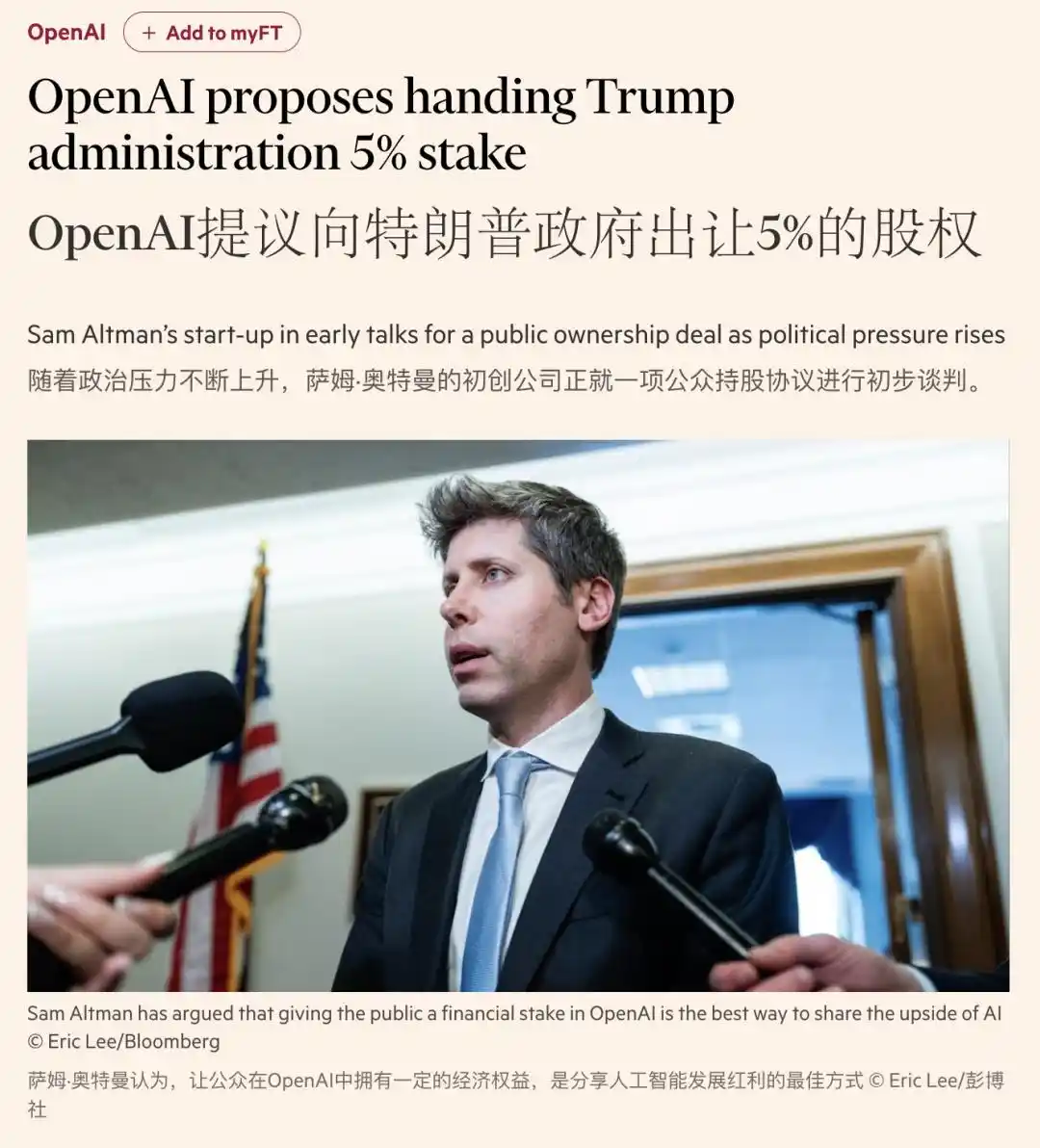
https://www.ft.com/content/7c803eab-8e80-4431-9a87-e943bf00e00b?syn-25a6b1a6=1

The core argument Altman presented in the discussion was that public ownership of AI company equity is the best way to share the dividends of AI development.

This proposal contains an even greater ambition: Altman suggested that all major U.S. AI companies contribute an equal proportion of their equity to a public investment vehicle, similar to the Alaska Permanent Fund, to distribute dividends to the U.S. government and its residents.

The AI industry in the U.S. is facing growing regulatory pressure, and Altman's chosen strategy is to make the U.S. government a stakeholder in the industry.

Exchanging Equity for Trust: Altman's Big Calculation

Altman has discussed this proposal directly with several senior U.S. government officials, including Commerce Secretary Howard Lutnick and Treasury Secretary Scott Bessent.
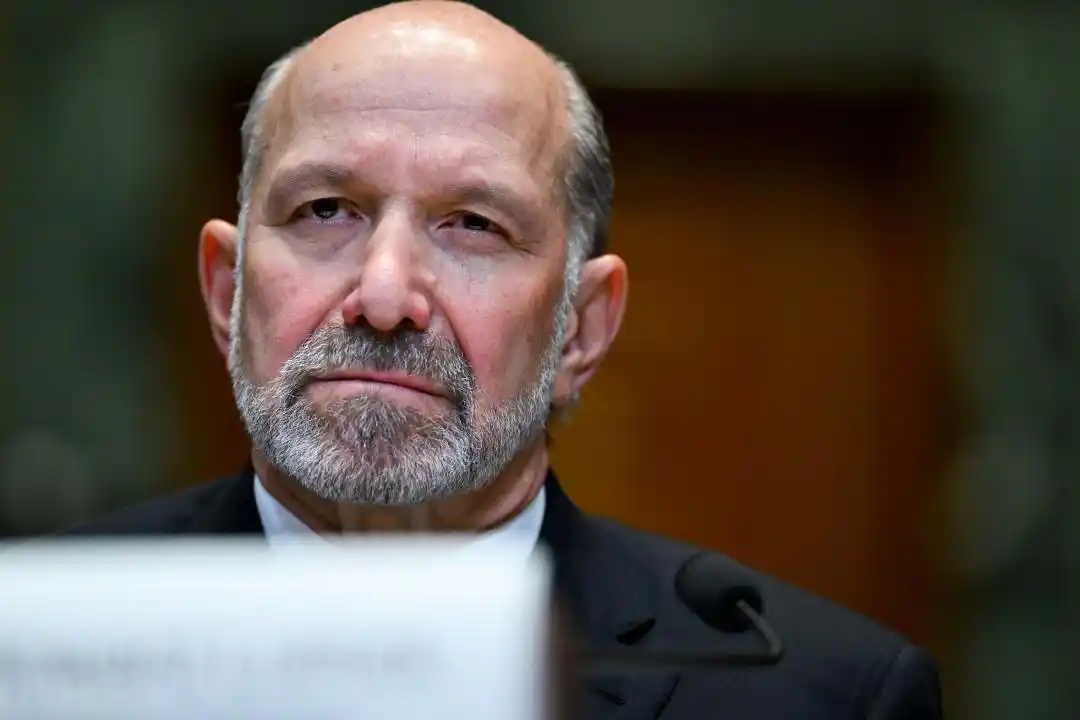
Howard Lutnick
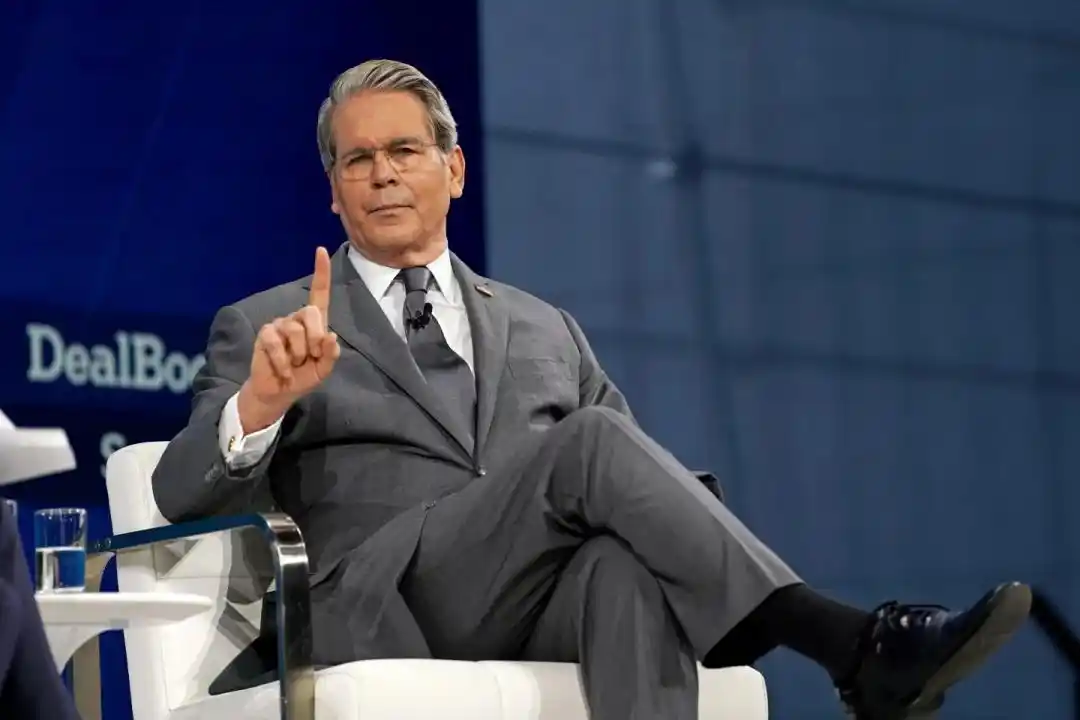
Scott Bessent

Negotiations are currently at a "conceptual" stage, and any transaction would likely require Congressional legislation to proceed.

However, the mere existence of these talks sends a signal: OpenAI is willing to exchange tangible financial interests for a more stable relationship with the U.S. government.

The specific model proposed by Altman references the Alaska Permanent Fund. This fund invests Alaska's oil revenues in the stock market and distributes dividends to the state government and its residents.

Altman envisions that AI company equity could be managed similarly—held by a public investment vehicle to allow ordinary American citizens to benefit from AI growth, even if they have never invested in the stock market.

This vision is not limited to OpenAI.

Altman suggested that major U.S. AI companies like Anthropic, Google, and Meta join the same arrangement, each transferring 5% of their equity.

However, there is currently no evidence that these companies have any interest in this proposal.

The implementation difficulty of a proposal requiring collective concessions from competitors is self-evident.

5% vs 50%

A Divergence in Strategy Behind a Number

Altman is not the only one advocating for public ownership in AI.

U.S. Senator Sanders has also engaged in conversations with Altman in recent weeks, but Sanders' stance is far more radical—he believes the public should hold nearly half of the equity in U.S. AI companies through a sovereign wealth fund.

Further Reading: New U.S. Proposal: "Nationalize" AI Giants, "Public Ownership" of 50%
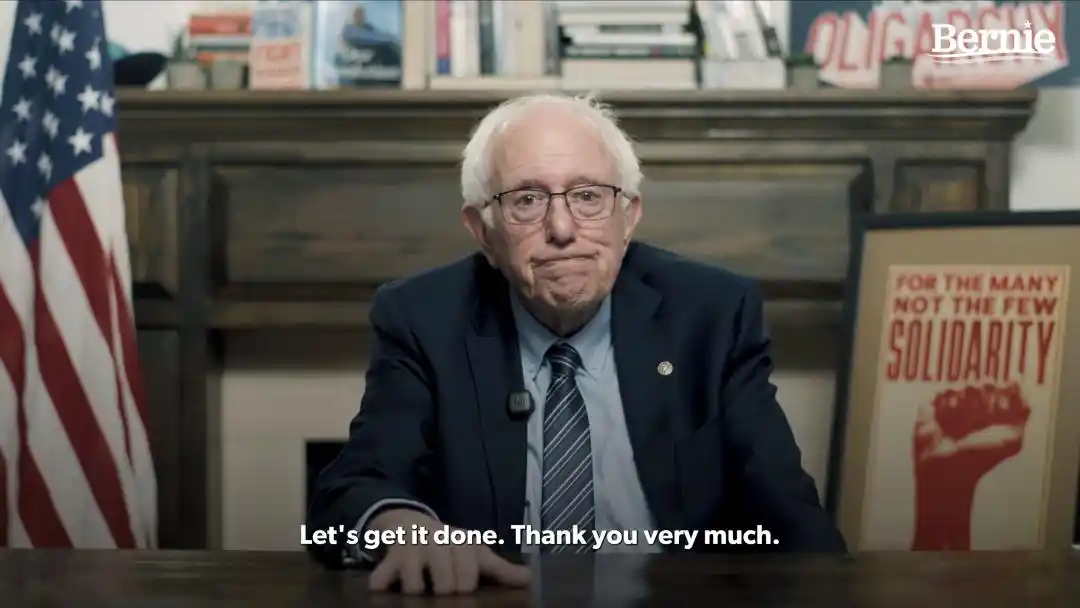
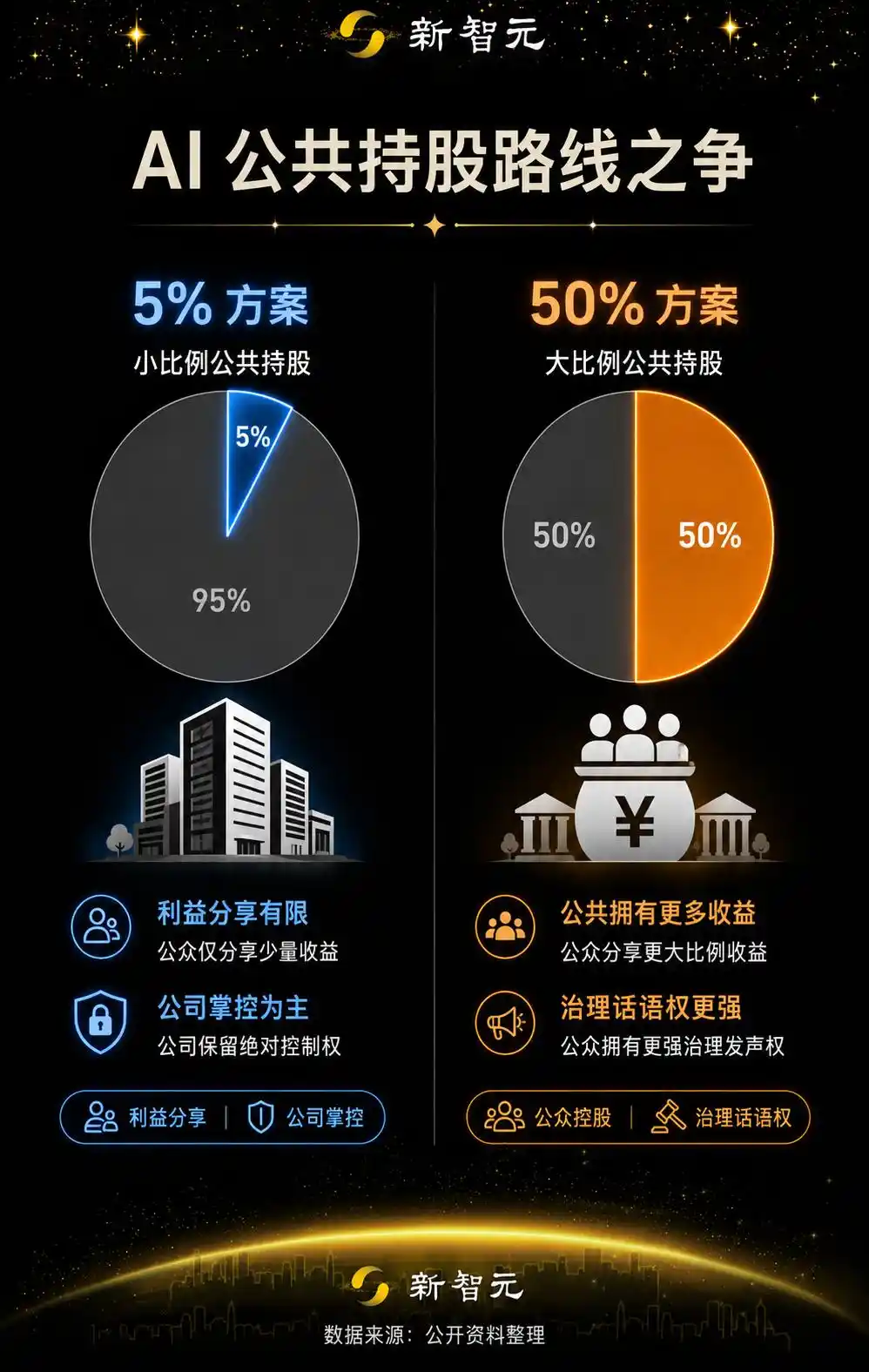
The gap between 5% and 50% reflects two fundamentally different approaches.

Altman's 5% proposal is a gesture of profit-sharing, allowing the U.S. government and public to "participate" in AI growth while control remains firmly in the hands of the companies.

Senator Sanders' 50% proposal would make the public a substantial majority shareholder, granting them genuine influence over corporate governance.
Intriguingly, OpenAI's own policy documents hint that 5% might not be enough.

In April of this year, OpenAI proposed establishing a "Public Wealth Fund" to allow "every citizen—including those not invested in financial markets—to benefit from AI-driven economic growth."

In May, the OpenAI Foundation went further in an official blog post: "Society may need new ways for people to gain enduring stakes in value-creating systems."

The foundation also stated the goal is "to give people both a stake and a voice in shaping the transformation, rather than just picking up the pieces after decisions have been made."

Judging from OpenAI's own statements, 5% appears more like an opening offer than a final solution.

The AI Industry's Regulatory Dilemma

To understand the true driving force behind this proposal, one must look at what the AI industry in the U.S. is currently experiencing.

Both OpenAI and Anthropic recently faced delays by the U.S. government in releasing their frontier models (GPT-5.6, Mythos 5, Fable 5) for review.
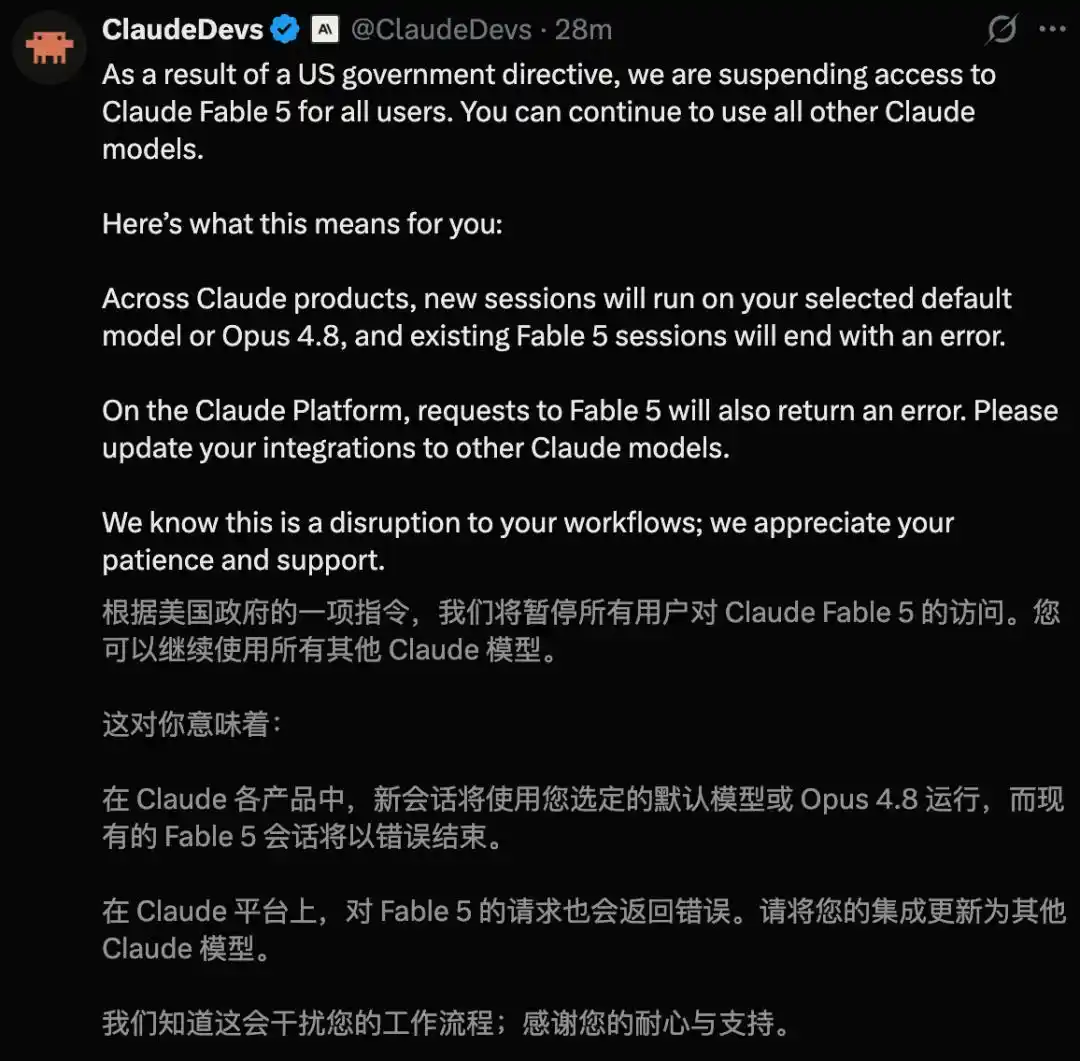
Concerns in U.S. society regarding large-scale data center construction, AI's impact on employment, and cybersecurity risks continue to escalate. Some members of Congress and White House advisors have explicitly leaned towards imposing stricter regulations on the AI industry.

A relevant precedent is Intel.

After the U.S. government acquired a 10% stake in Intel, the White House's attitude towards the chip giant noticeably shifted towards support.

Government equity ownership as a tool to improve relations already has a ready-made case study.
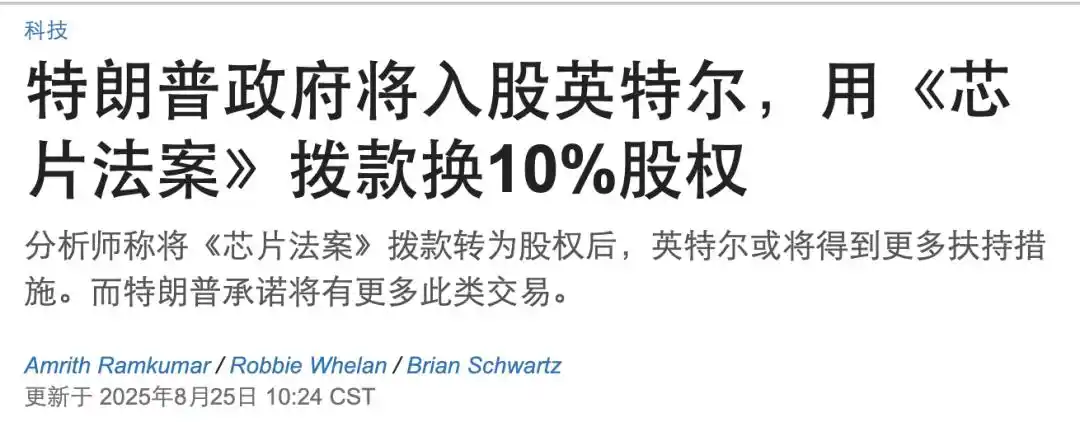
https://cn.wsj.com/articles/%E7%89%B9%E6%9C%97%E6%99%AE%E4%B8%8E%E8%8B%B1%E7%89%B9%E5%B0%94%E8%BE%BE%E6%88%90%E5%8D%8F%E8%AE%AE-%E6%94%BF%E5%BA%9C%E6%8C%81%E8%82%A110-8954b92d

OpenAI and Anthropic are also preparing for public listings, which would broaden their shareholder bases and bring substantial returns to existing investors—though OpenAI's IPO might not occur until next year.

Offering equity to the U.S. government at this juncture is a telling move: is it to secure stable external relationships before an IPO, or a strategic preemptive move ahead of tightening regulations?

Both interpretations point to the same conclusion—Altman believes the relationship with regulators has become urgent enough to require maintenance through equity.

A New Variable in the AGI Race

The figure of 5% may seem small, but its impact will extend far beyond the financial realm.

AGI development is currently the core race within the AI industry.

OpenAI, Anthropic, and Google DeepMind are all sprinting towards this goal, with each leap in frontier model capabilities accompanied by sharper safety debates.

When the government holds equity in these companies, it gains an institutionalized window to intervene in decision-making—from the release pace of frontier models and safety evaluation standards to data usage norms and export controls, government influence will find its points of application.

Accepting the transfer of 5% equity can, in the short term, alleviate regulatory pressure and address public discontent over the perceived windfall profits of the U.S. AI industry.

Senator Sanders' 50% proposal already shows that discussions about how much equity the government should hold in AI companies have only just begun.

The development path for AGI will no longer be driven purely by technical judgment and commercial logic; considerations from regulatory and public interest perspectives will become hard constraints.

This proposal is still in its early conceptual stages, far from any formal agreement, and may never materialize.

However, it marks the entry of the relationship between the AI industry and the government into a new dimension—the focus of debate shifts from "whether to regulate AI" to "whether the government should become a shareholder in AI."

The answer to this question will determine who ultimately develops, owns, and sets the boundaries for AGI.

The 5% offered by Altman might become the beautiful butterfly that flaps its wings.

References:

https://www.ft.com/content/7c803eab-8e80-4431-9a87-e943bf00e00b

This article is from the WeChat public account "新智元", author: ASI启示录, editor: 马可

Связанные с этим вопросы

QAccording to the article, what specific proposal has OpenAI made to the U.S. government?

AOpenAI has proposed offering a 5% equity stake in the company to the U.S. government, valued at approximately $42.6 billion based on its current $852 billion valuation.

QWhat broader initiative did Sam Altman suggest alongside OpenAI's own equity offer?

ASam Altman suggested that all major U.S. AI companies, such as Anthropic, Google, and Meta, should contribute an equal proportion (5%) of their equity to a public investment vehicle, modeled on the Alaska Permanent Fund, to benefit the U.S. government and its citizens.

QWhat is a key motivation behind OpenAI's proposal, as indicated by the context of the article?

AA key motivation is to navigate growing regulatory pressure in the U.S. By making the government a stakeholder, OpenAI aims to build trust, stabilize its relationship with regulators, and potentially ease the path for its operations and future developments, including a potential IPO.

QHow does the proposal from Senator Sanders differ from Sam Altman's?

ASenator Sanders advocates for a much more substantial public stake, proposing that a sovereign wealth fund should hold close to 50% of the equity in U.S. AI companies. This contrasts with Altman's 5% proposal, which is more about profit-sharing while retaining company control, whereas 50% would grant the public significant governance power.

QWhat potential precedent does the article mention for government equity ownership in a tech company?

AThe article cites the example of the U.S. government taking a 10% stake in Intel. Following this investment, the White House's stance toward the chip giant notably shifted to one of greater support, demonstrating how equity ownership can be used as a tool to improve government-company relations.

Похожее

За полгода в Китае появилось 67 новых единорогов, большинство из них — в сфере ИИ и робототехники

В первой половине 2026 года в Китае появилось 67 новых компаний-единорогов с общей оценкой в 182,9 млрд долларов, что стало рекордным полугодичным показателем за последние пять лет. Основными драйверами роста стали искусственный интеллект (17 компаний) и робототехника (19 компаний), на которые вместе приходится более 53% новых единорогов. Среди них выделяются DeepSeek (оценка ~61,5 млрд долларов) и Kling AI (оценка ~18 млрд долларов). Распределение по городам крайне сконцентрировано: Пекин (19), Шанхай (18), Шэньчжэнь (9) и Ханчжоу (5) объединяют 76,1% новых компаний. Наблюдается поляризация по скорости становления единорогами: 34,3% компаний (в основном в сферах ИИ и робототехники) достигли статуса менее чем за 3 года, часто благодаря выделению из крупных корпораций или известным основателям. В то же время, компании в сфере полупроводников и биотехнологий, как правило, шли к этому статусу более 8 лет. Этот всплеск знаменует начало нового цикла роста, движимого генеративным ИИ и воплощенным интеллектом, и отражает сдвиг в китайской инновационной экосистеме от потребительского интернета к глубоким технологиям.

marsbit44 мин. назад

За полгода в Китае появилось 67 новых единорогов, большинство из них — в сфере ИИ и робототехники

marsbit44 мин. назад

Vibe Coding случайно спалил токены на 55 тысяч юаней, но смех над ошибкой принес ему 700 миллионов юаней прибыли

Сотрудник финансовой компании Slash, увлекшись модным методом «Vibe Coding» (программирование по наитию), создал простую пиксельную FPS-игру «Brainrot Shooter». Первоначально он в шутку заявил, что разработка «сожгла» AI-токенов на 81 267 долларов (около 550 000 юаней), вызвав волну обсуждений и насмешек в сети. Компания, решив извлечь выгоду из ситуации, представила игру как маркетинговый проект. Неожиданно игра стала вирусной: за 48 часов в неё сыграли почти 7000 человек, накопив почти 9000 часов игрового времени, и привлекла внимание рекламодателей. Вскоре сотрудник заявил, что благодаря хайпу вокруг игры платформа Slash привлекла дополнительные 100 миллионов долларов управляемых активов (AUM), что превратило потенциальный провал в огромный успех с предполагаемой окупаемостью более 1200 раз. Однако позже выяснилось, что история о гигантских расходах в 81 267 долларов была мистификацией — реальная стоимость разработки игры с использованием AI не превысила 200 долларов. Вся история оказалась хорошо спланированной маркетинговой кампанией («Vibe Marketing»), которая успешно привлекла глобальное внимание к компании и её продукту, демонстрируя силу вирального контента и нетрадиционного пиара.

marsbit1 ч. назад

Vibe Coding случайно спалил токены на 55 тысяч юаней, но смех над ошибкой принес ему 700 миллионов юаней прибыли

marsbit1 ч. назад

Aave V4 превысил $250 млн – но ОДНА проблема с ликвидностью остается

Aave V4 достиг значимой вехи, превысив $250 млн в депозитах, что свидетельствует о сильном начальном спросе на обновленную кредитную инфраструктуру протокола. Этот рост обеспечен улучшенной капитальной эффективностью и расширенными возможностями для кредиторов. Однако часть этих средств представляет собой миграцию из V3, а не новый капитал. Для устойчивого роста Aave необходимо привлекать чистый приток ликвидности извне. Несмотря на рекордные показатели депозитов в V4, общая ликвидность (TVL) в экосистеме Aave всё ещё далека от исторических максимумов, достигнув около 7,4 млн ETH после падения. Хотя отток средств в некоторых сегментах опережает приток, наблюдается обнадёживающий тренд — резкий рост депозитов cbETH (до ~$70 млн), что указывает на растущий спрос на стейкинг-залоги и укрепляет кредитный потенциал платформы. Будущая позиция Aave как доминирующего поставщика ликвидности в DeFi будет зависеть от способности протокола постоянно генерировать чистый приток нового капитала, исключая внутренние перемещения средств.

ambcrypto1 ч. назад

Aave V4 превысил $250 млн – но ОДНА проблема с ликвидностью остается

ambcrypto1 ч. назад

Вероятность опустилась ниже 50%: Закон Clarity в этом году не будет принят?

Вероятность принятия закона Clarity о регулировании цифровых активов в США упала ниже 50%. Законопроект, целью которого является создание федеральных правил для крипторынка и разграничение полномочий между SEC и CFTC, не был подписан к намеченной дате 4 июля. Основные препятствия включают разногласия по поводу доходов от стейблкоинов, освобождения от ответственности разработчиков DeFi и этических норм, усугубленные вопросами раскрытия криптоактивов семьи Трампа. Несмотря на поддержку в комитетах, последние переговоры по ключевым положениям зашли в тупик. Сейчас для закона остаётся узкое окно возможностей — примерно три недели эффективной работы Конгресса после 13 июля, до августовских каникул. Тем временем, по данным Polymarket, рынок оценивает вероятность подписания закона в этом году лишь в 49%. Аналитики отмечают, что принятие закона может ускорить внедрение блокчейна традиционными финансовыми институтами, а задержка продлит период нормативной неопределённости.

Foresight News2 ч. назад

Вероятность опустилась ниже 50%: Закон Clarity в этом году не будет принят?

Foresight News2 ч. назад

Stablecoin Open USD ставит Circle и Tether на уведомление

На рынке стейблкоинов появился новый серьезный претендент — Open USD от Open Standard. В отличие от многих новых проектов, он запускается не в одиночку, а при поддержке более 140 компаний из сфер платежей, финтеха, криптовалют и финансовой инфраструктуры. Это превращает конкуренцию в борьбу за дистрибуцию. Open USD позиционируется как стейблкоин для интернет-экономики, ориентированный на низкую стоимость, высокую пропускную способность и широкую доступность. Его экономическая модель призвана делиться ценностью с партнерами-участниками, что бросает вызов устоявшемуся порядку, где доминируют Tether (USDT) и Circle (USDC). Ключевое отличие Open USD — попытка решить проблему внедрения через плотную сеть партнеров с первого дня. Однако устоявшиеся игроки обладают значительным преимуществом в виде ликвидности, интеграций, доверия и сетевых эффектов. Главный вывод: стейблкоины становятся инфраструктурой, и следующая битва может развернуться не за объемы на биржах, а за то, какой стандарт бизнесы встроят в свои платежные системы. Хотя Open USD еще предстоит доказать свою жизнеспособность, его запуск с широкой поддержкой делает гонку стейблкоинов более интересной.

bitcoinist2 ч. назад

Stablecoin Open USD ставит Circle и Tether на уведомление

bitcoinist2 ч. назад

Торговля

Спот
活动图片