After Burning Through 900 Billion, Zuckerberg Decides to Open a Casino Where You Can't Gamble

marsbitОпубликовано 2026-06-26Обновлено 2026-06-26

Введение

Mark Zuckerberg's Meta is venting a new app called Arena, a prediction market platform where users use points instead of real money to bet on outcomes of elections, sports, and world events. This move follows Meta's massive $90 billion cumulative loss in its Reality Labs metaverse division. Critics argue the "play money" model undermines the core mechanism of prediction markets, where real financial stakes ensure accurate forecasts. Arena is seen as Meta's attempt to copy established, fast-growing platforms like Polymarket and Kalshi while avoiding regulatory hurdles. The article suggests this may be less about creating a genuine prediction tool and more about social engagement, potentially acting as a gateway that introduces billions to the concept, from which licensed platforms could ultimately benefit.

Author: Max.s

A man who lost 90 billion dollars decides to start a project that doesn't involve spending money.

You read that right.

Just yesterday, The New York Times reported that Zuckerberg is personally leading the development of a prediction market app called Arena — users can bet on the outcomes of elections, sports, and major international events, but the chips are points. Not dollars, not USDC, but 'fun beans'.

That's right! The kind you don't feel bad about losing all night in mahjong.

What Lessons Can 90 Billion Dollars Buy?

First, let's review Meta's "Chronology of Burning Money."

In 2021, Zuckerberg renamed Facebook to Meta, announcing plans to build the metaverse. His Reality Labs division began spending lavishly — VR headsets, the virtual social platform Horizon Worlds, immersive office spaces...

And the result?

Horizon Worlds' monthly active users once fell below 200,000, failing to even reach its initial goal of 500,000. It lost 17.7 billion dollars in 2024 and 19.2 billion dollars in 2025, with cumulative losses approaching 90 billion dollars. 90 billion. That's enough money to buy several Polymarkets.

And Meta itself admitted that its loss scale for 2026 would be "in line with 2025."

In other words, before even filling this bottomless pit of the metaverse, Zuckerberg is already eagerly digging a new hole next to it.

From "Changing the World" to "Copying Others' Homework"

Interestingly, this isn't Meta's first attempt at prediction markets.

During the early days of the pandemic in 2020, Meta launched a crowdsourced prediction app called Forecast, allowing users to guess the course of current events. The result? It was quietly taken down in 2022.

Back then, Polymarket wasn't hot yet, Kalshi hadn't won its lawsuit against the CFTC, and the entire prediction market's annual trading volume was less than 50 billion dollars.

Now? In 2026, the industry's trading volume has surpassed 130 billion dollars, Kalshi's valuation is hitting 40 billion dollars, and Polymarket's valuation is 9-15 billion dollars.

Others made the cake bigger, and Zuckerberg smells it and comes running.

Does this playbook sound familiar? Snapchat launches Stories → Instagram launches Stories. TikTok popularizes short videos → Meta launches Reels. Twitter is still breathing → Meta launches Threads.

Every time it's: You get hot, I copy it, I crush you with 3.5 billion users worth of traffic.

Most of the time, this tactic works. But prediction markets are not short videos, nor are they ephemeral stories.

The Soul of a Prediction Market is "Real Money"

Let me explain why this is so absurd.

Prediction markets can forecast accurately because participants are betting their own money. You think seriously only when it hurts, you tell the truth only when you lose. Prices reflect probabilities because every dollar is a vote cast with real money.

Now Meta says: We're going to make a prediction market, but we won't let users spend real money.

This is like opening a Michelin-starred restaurant where all the dishes are made of air. The decor is luxurious, the menu is exquisite, customers come in droves — but everyone is just chewing on air.

Predictions without the constraint of real money aren't predictions; they're votes.

And the internet is never short on votes. Comment sections on Weibo vote every day, WeChat Moments are full of predictions every day — have you ever seen an accurate probability calculated from "likes"?

Zuckerberg, of course, knows this. The real purpose of the points system isn't to make predictions, but to bypass regulation.

In April 2026, the CFTC initiated the first-ever insider trading lawsuit in prediction market history — a US military officer profited on Polymarket using classified intelligence. The regulatory winds are already clear.

So Arena uses points. In the eyes of the law, this is a "game." In the eyes of the product, this is "social." In the eyes of prediction markets — this is an empty shell with its soul sucked out.

The Most Expensive "Toe-Dip"

Let's put the two most glaring numbers together:

Reality Labs cumulative losses: 90 billion dollars

Arena's starting design: A points game where you can't spend real money

A company that burned through 90 billion dollars on hardware and content turns around and creates a "zero-financial-risk" social toy.

This isn't "learning a lesson"; this is a cat that got scalded by boiling water — now it's even afraid to touch lukewarm water.

The lesson from the metaverse is crystal clear: the cost of creating a new track out of thin air is extremely high. But Zuckerberg's takeaway seems to be: Then I won't create a new track, I'll just copy one that others have already proven.

The problem is, the premise of others' success is real money. Polymarket made its name in the 2024 election because every dollar was a vote with real money. Kalshi could raise money from Morgan Stanley because of its CFTC license and years of federal litigation.

These things, no matter how much traffic you have, cannot be replicated.

3.56 billion daily active users is indeed terrifying. But if those 3.56 billion people come to Arena and cast a bunch of "fun bean predictions" with points, then what?

The predicted probabilities are inaccurate → Users find it boring → Engagement drops → Zuckerberg says "it's an experimental project" → Quietly taken down.

The script is exactly the same as Forecast.

Maybe Zuck Just Doesn't Care About Accurate Predictions

Finally, let's consider a "contrarian view" — what if we've got it wrong?

Maybe Zuckerberg never intended to build a real prediction market. Maybe Arena's goal is simply to be a hot-topic social platform: users come here not to make money, but to see what others think, argue with friends, and show off their "prediction accuracy."

In essence, it's no different from arguing on Weibo, just with an added scoring system.

In this logic, points aren't a defect; they're by design. Real money would actually scare away ordinary users. What Meta wants isn't financial depth; it's user time.

If this path works, Kalshi and Polymarket might actually benefit — Meta introduces the concept of "prediction" to billions who have never touched financial derivatives. A small portion of them might think, "Points aren't exciting enough, I want to play with real money," and then flow to licensed platforms.

Meta grows the pie, and the professional platforms eat it.

This is probably the outcome everyone doesn't want to see, but the one most likely to happen.

So the question is: Do you think Zuckerberg has finally gotten smart this time, or is he just repeating past mistakes in a cheaper way?


Связанные с этим вопросы

QWhat is the main project that Mark Zuckerberg is reportedly leading at Meta, according to the New York Times article?

AHe is reportedly leading the development of a prediction market application called Arena, where users can bet on outcomes like elections, sports, and international events using points instead of real money.

QWhat is one of the major reasons given in the article for why a prediction market without real money might fail?

AThe article argues that the accuracy of a prediction market relies on participants using their own real money, which forces serious consideration and truthful predictions. Without this financial stake, it becomes mere voting or opinion-sharing, lacking the mechanism to reflect accurate probabilities.

QHow does the article describe Meta's previous attempt at a prediction market called Forecast?

AMeta launched Forecast during the early pandemic in 2020 as a crowdsourced prediction app. However, it was quietly shut down in 2022, before the prediction market industry experienced its major growth.

QWhat potential legal and regulatory reason is suggested for Arena using points instead of real currency?

AThe article suggests that using points instead of real money is likely a strategy to circumvent strict financial regulations. By framing it as a 'game' or 'social' feature, it avoids being classified and regulated as a financial betting or trading platform.

QWhat alternative, less conventional motivation for the Arena project does the article propose at the end?

AThe article proposes that perhaps Zuckerberg's goal isn't to create an accurate financial prediction market at all. Instead, Arena might aim to be a social platform for discussing and engaging with trending events, where the point system is designed for engagement and user retention, not financial depth. This could, in turn, popularize the concept of prediction markets and drive some users to seek out real-money platforms like Polymarket.

Похожее

Основатель ENS хочет «отобрать власть» у DAO

Сооснователь ENS Ник Джонсон использовал свои крупные запасы токенов ENS, чтобы наложить вето на предложение о продлении полномочий комитета безопасности DAO на два года. Это действие воспринято как начало «войны за власть» в рамках его более широкой инициативы по реформированию управления ENS DAO. Комитет безопасности был создан в 2024 году для защиты казны DAO от злонамеренных предложений, обладая правом вето, ограниченным только экстренными случаями. Несмотря на изначальную поддержку сообщества, Джонсон выступил против, сославшись на риски чрезмерной концентрации власти и возможного злоупотребления ею в политических целях. Его позиция связана с более ранней критикой внутренней политизации DAO, где, по его мнению, компетентные участники уступают место менее опытным. Недавнее предложение COO ENS Кэтрин Уу о передаче оперативного управления и контроля над казной реорганизованному Фонду ENS вызвало споры. Сторонники видят в этом шаг к эффективности, в то время как критики, такие как автор оригинальной конституции ENS Брантли Миллеган, расценивают это как узурпацию власти и отход от принципов децентрализации. В ответ на возражения Джонсона было представлено новое предложение с усиленными механизмами сдержек и противовесов для комитета. Этот конфликт отражает классическую дилемму между идеалами децентрализованного управления и практическими потребностями в оперативной эффективности, особенно на фоне снижения доходов ENS с более 10 миллионов долларов в 2023 году до менее 2 миллионов в 2025 году.

Foresight News3 мин. назад

Основатель ENS хочет «отобрать власть» у DAO

Foresight News3 мин. назад

Кит Zcash открывает длинную позицию на 8,1 миллиона долларов: Что дальше, пока ZEC борется около отметки в 400 долларов?

Крупный держатель Zcash (ZEC) открыл длинную позицию на сумму 8,1 млн долларов, несмотря на то, что цена криптовалюты колебалась около уровня в 400 долларов и демонстрировала общую нисходящую динамику. Этот кит внес 10,12 млн долларов на платформу HyperLiquid. Данные CoinGlass также показывают рост соотношения длинных/коротких позиций до 1.05, что указывает на преобладание оптимизма среди трейдеров. Однако технический анализ сохраняет медвежий настрой: ZEC торгуется ниже ключевых скользящих средних, а индикатор Aroon сигнализирует о сильном нисходящем импульсе. Это создает риск падения к следующему уровню поддержки около 336 долларов, если давлению со стороны продавцов не удастся противостоять. Таким образом, рынок находится в состоянии неопределенности: активность китов и рост спроса на длинные позиции в деривативах могут способствовать росту к уровню 452 доллара, но сохраняющаяся слабость структуры рынка несет в себе риск дальнейшего снижения.

ambcrypto15 мин. назад

Кит Zcash открывает длинную позицию на 8,1 миллиона долларов: Что дальше, пока ZEC борется около отметки в 400 долларов?

ambcrypto15 мин. назад

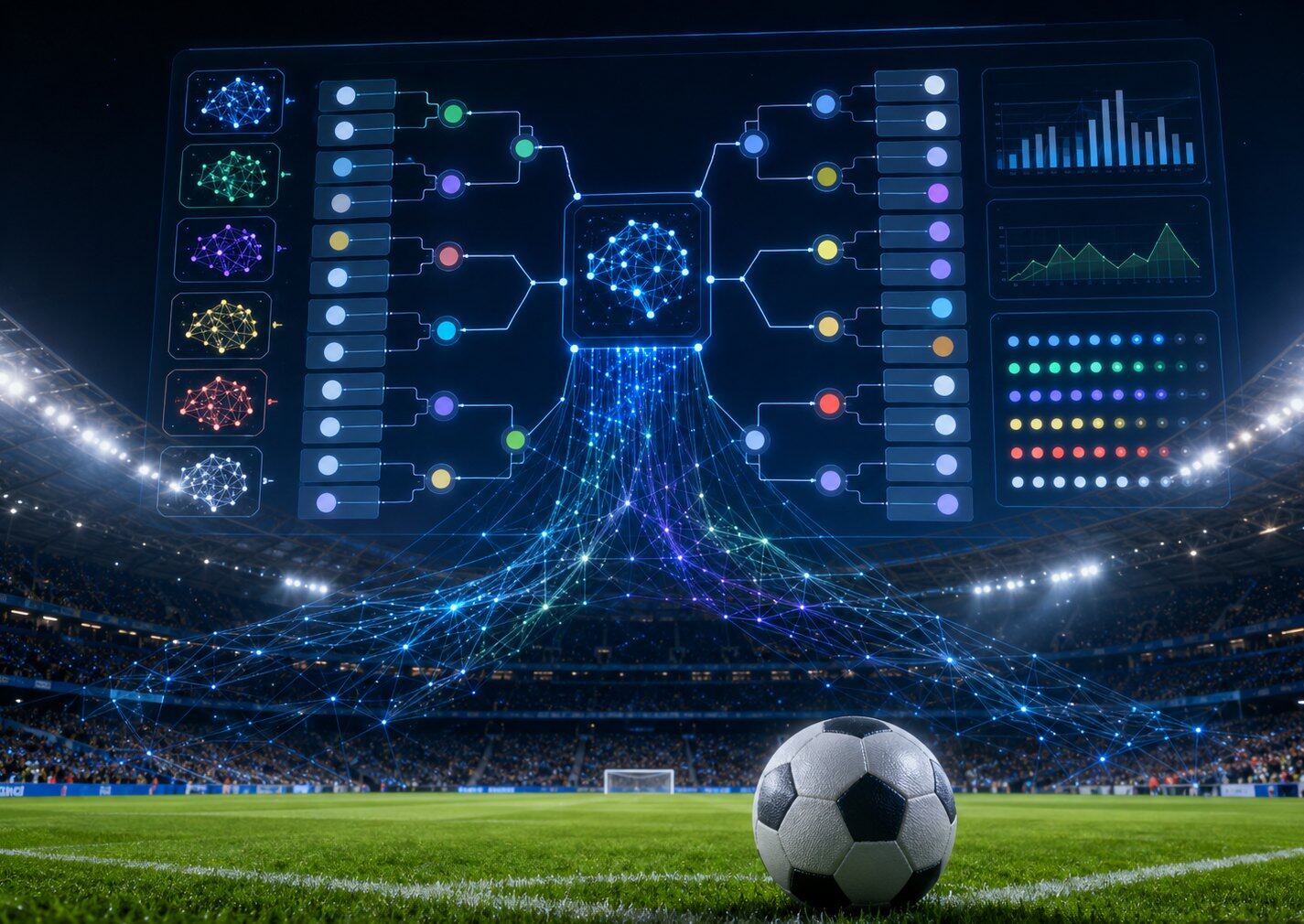
Предсказания плей-офф Чемпионата мира: Насколько отличаются разные уровни ИИ?

Кубок мира: насколько различны прогнозы разных ИИ в плей-офф? В ходе нынешнего Кубка мира Odaily Planet Daily перед каждым матчем плей-офф запрашивал прогнозы у различных ИИ-моделей (ChatGPT, Grok, Qwen, DeepSeek, Gemini, Claude), а затем сравнивал их с реальными результатами. Наиболее запоминающимся стал точный прогноз DeepSeek и Gemini в матче Нидерланды – Марокко. Обе модели предсказали ничью в основное время и победу Марокко в серии пенальти, что полностью совпало с реальным исходом (1:1, 3:2 по пенальти). Gemini особенно точно описала сценарий матча. Grok и Qwen проявили себя как «специалисты по точному счету». Они верно предсказали конкретные результаты в нескольких матчах, где был явный фаворит: Канада 1:0 ЮАР, Бразилия 2:1 Япония, Норвегия 2:1 Кот-д’Ивуар. Их сила — в точном определении того, выиграет ли фаворит уверенно или с трудом. ChatGPT и Claude показали себя как «аналитики». Их прогнозы по итоговому счету часто были менее точны, но они регулярно верно указывали на потенциальные сложности для фаворитов и факторы, которые могут сделать матч напряженным (например, в матчах Бразилия – Япония или Англия – ДР Конго). Однако им не хватало решимости предсказать крупную сенсацию. Все модели единодушно ошиблись в матче Германия – Парагвай, предрекая легкую победу немцев. Ни одна не учла способность Парагвая затянуть матч и вывести его в серию пенальти, где Германия и проиграла. Вывод: не существует одной «самой точной» модели. У каждой свои сильные стороны: DeepSeek и Gemini смело предсказывают неочевидные исходы, Grok и Qwen точны в счете в матчах с фаворитом, а ChatGPT и Claude лучше всего анализируют потенциальный ход игры. Выбор модели зависит от того, что именно вам нужно: смелый прогноз на сенсацию, точный счет или глубокий анализ возможных сценариев матча.

Odaily星球日报32 мин. назад

Предсказания плей-офф Чемпионата мира: Насколько отличаются разные уровни ИИ?

Odaily星球日报32 мин. назад

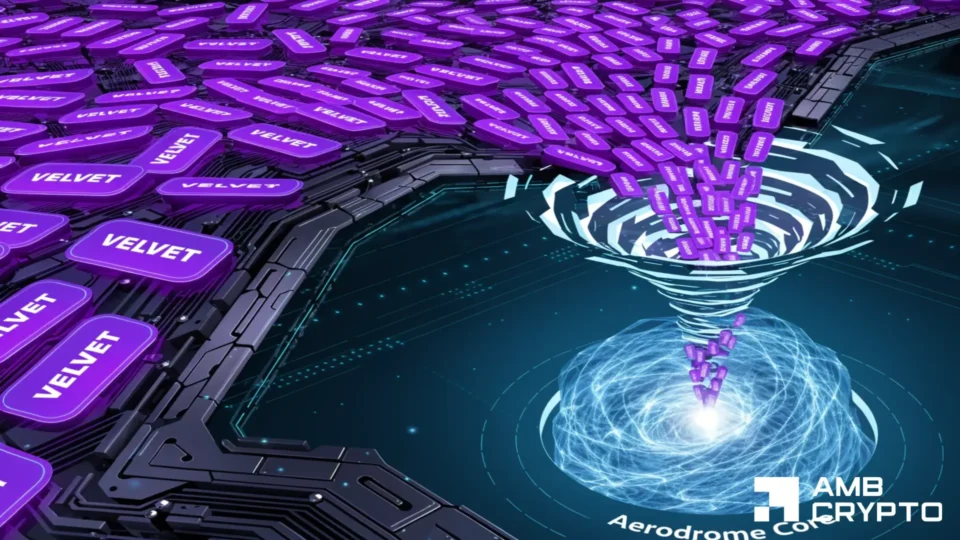
VELVET застрял на $2 — Насколько глубоким может быть текущий откат?

Velvet (VELVET) продолжила восходящий тренд, и после новостей о партнёрстве с Aerodrome Finance её цена 29 июня ненадолго превысила психологический уровень сопротивления в $2,0. Однако с тех пор импульс ослаб: за последние 24 часа произошла коррекция на 11,5%, а объём торгов упал на 27,1%. Технический анализ показывает смешанные сигналы. Несмотря на бычий тренд, дневная структура остаётся медвежьей. Индикаторы объёма противоречивы: OBV указывает на устойчивое давление покупателей, в то время как CMF опустился до -0,17, сигнализируя об оттоке капитала. Это говорит о краткосрочном распределении, а не о полном фиксировании прибыли. Открытый интерес снижается, однако спот-CVD и ставка финансирования остаются стабильными, что указывает на вероятность новой попытки быков вернуть уровень поддержки в $2. В случае более глубокой коррекции ключевой динамической поддержкой может выступить 20-дневная скользящая средняя на уровне $0,75. В целом, текущая просадка выглядит контролируемой, а риск-вознаграждение для новых длинных позиций в данный момент оценивается как низкий.

ambcrypto45 мин. назад

VELVET застрял на $2 — Насколько глубоким может быть текущий откат?

ambcrypto45 мин. назад

Будет ли следующий раунд в играх Web3? Опытный игрок анализирует: в пике популярности нужно продавать хотя бы половину

**Интервью с опытным игроком Web3-игр «Зарабатывающий цыпленок»: Анализ прошлого и взгляд на будущее** Глубокий игрок в блокчейн-игры, известный как «Зарабатывающий цыпленок», делится своим опытом, от традиционного торговца внутриигровыми предметами до участника Web3-проектов. Он зарабатывал на таких играх, как Mobox, StepN и Seraph, но также сталкивался с серьезными убытками. **Ключевые выводы:** * **Источник заработка:** Главный фактор успеха в прошлом — **рыночная конъюнктура и удачное время входа**. Технический анализ и стратегии вторичны. В период бума многие ошибочно рассчитывают срок окупаемости на пике цен, что ведет к потерям. * **Отношения в экосистеме:** Часто возникает конфликт интересов между разработчиками, крупными держателями и обычными игроками. Устойчивая игра требует притока реальных игроков, готовых тратить деньги, а не только тех, кто хочет заработать. * **Главная проблема Web3-игр:** Большинство проектов — **незрелые игры**. Сначала должна быть увлекательная игровая механика, а затем — экономическая модель на блокчейне. Сейчас часто происходит наоборот, что привлекает в основном спекулянтов. * **Стратегия выхода:** Важный урок — **на пике ажиотажа необходимо фиксировать как минимум половину прибыли**. Эмоции и ожидания дальнейшего роста часто мешают своевременному выходу. * **Совет новичкам:** Полным новичкам сейчас не рекомендуется входить в сферу из-за высоких рисков. Опытным же стоит искать возможности, когда про проекты забыли и цены на активы низки, тщательно оценивая потенциал. * **Взгляд в будущее:** Следующая волна, вероятно, будет связана не с «пузырями», а с **качественными играми от традиционных студий**, которые привлекут массовую аудиторию реальных игроков. Такие проекты, использующие проверенные IP и удобные системы кошельков/NFT, могут создать более здоровую и устойчивую экосистему, хотя и менее спекулятивную.

marsbit1 ч. назад

Будет ли следующий раунд в играх Web3? Опытный игрок анализирует: в пике популярности нужно продавать хотя бы половину

marsbit1 ч. назад

Торговля

Спот
活动图片