根据最新预测,随着监管明晰化和采用率上升,稳定币在2026年的交易处理量可能超过美国自动清算所(ACH)系统。
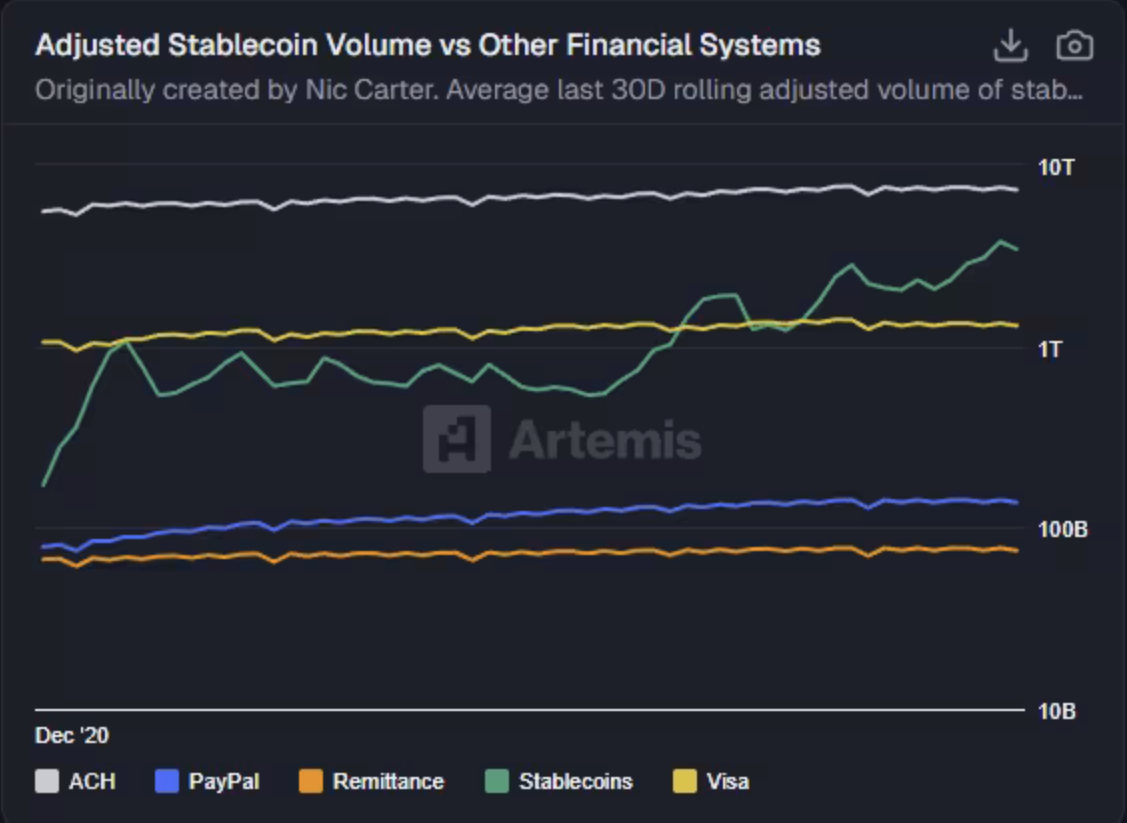
数字资产公司Galaxy Digital旗下研究机构Galaxy Research引用现有交易数据和监管进展支持其预测,指出"稳定币交易量已超越Visa等主要信用卡网络,目前处理量约为自动清算所(ACH)系统的一半"。
研究副总裁Thad Pinakiewicz表示,稳定币供应量持续以30%-40%的年复合增长率增长,交易量随发行量同步上升。Galaxy还提到2026年初《GENIUS法案》相关定义的预期实施将成为推动稳定币使用进一步增长的因素。
该报告还对比特币(BTC)价格作出预测,认为其可能在2027年底达到25万美元。据Galaxy Research全公司研究主管Alex Thorn表示,2026年"存在太多变数难以预测,但比特币在2026年创历史新高仍有可能"。
相关阅读:Coinbase对2026年持"谨慎乐观"态度,加密货币接近机构拐点
美元锚定稳定币市场扩张
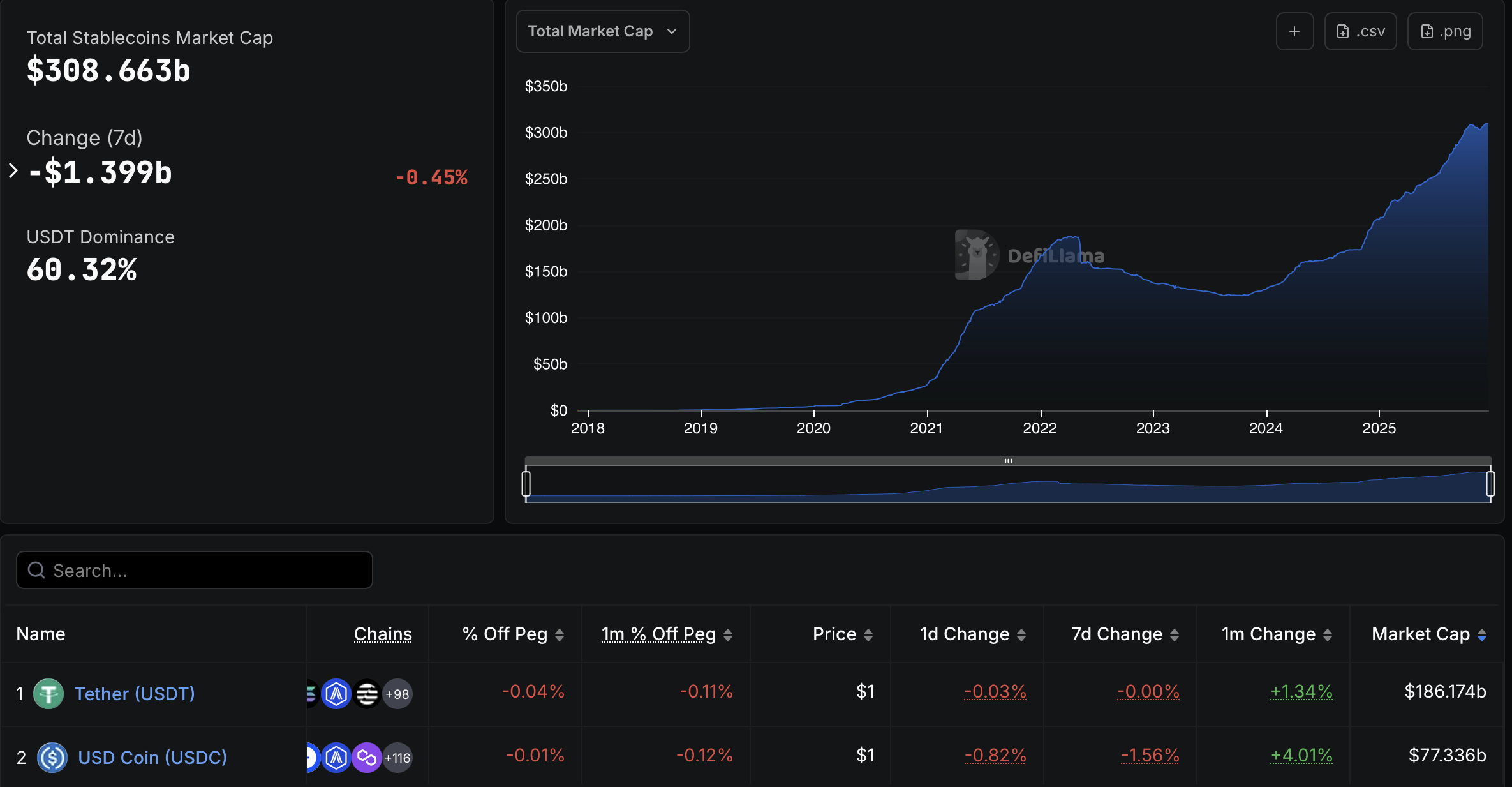
DefiLlama数据显示,稳定币总市值目前约为3090亿美元。虽然Tether的USDt(USDT)和Circle的USDC(USDC)继续占据主要地位,但近月来越来越多金融机构和支付公司加入了稳定币竞争。
十月份,西联汇款宣布计划推出自有美元锚定稳定币US Dollar Payment Token,该币将基于Solana区块链构建,由Anchorage Digital Bank发行,作为更广泛的数字资产结算网络组成部分。
据报道,Sony银行正在筹备推出美元锚定稳定币,拟用于索尼美国生态系统,包括PlayStation游戏、订阅服务和动漫内容。该稳定币预计于2026年推出。
周四,SoFi Technologies推出由银行子公司SoFi Bank发行的全额储备美元稳定币SoFiUSD。公司表示该代币将首发于以太坊网络,旨在为银行、金融科技企业和企业平台提供低成本结算服务。
Galaxy Research副研究员Jianing Wu表示,她预计传统金融合作的稳定币将在2026年进行整合,因为用户和商户不太可能采用一长串数字美元,而是会青睐具有"最广泛接受度"的一两种稳定币。
杂志观点:Kevin O'Leary:用量子计算攻击比特币是浪费时间