RWA - A new revolution in digital asset issuance

Crypto BriefingОпубликовано 2023-07-11Обновлено 2023-07-11

Введение

Real World Asset Tokenization appears to be primed to unlock trillions of dollars of value. The new abstraction is poised to disrupt traditional markets and create unparalleled investment opportunities for a new generation of investors.

Real World Assets (RWAs), in the context of the blockchain sector, refer to physical assets like real estate, art, music, and commodities brought to the blockchain through tokenization. Tokenization is the process of creating a digital version of a physical real-world asset through a trustless smart contract. Developers generally create smart contracts which issue a token representing an RWA alongside an off-chain guarantee that the issued token is always redeemable for the underlying asset.

RWAs have often been considered a holy grail amongst crypto investors and product builders. The size of global real estate, carbon, gold, art and music markets, to name a few potentially tokenizable RWAs is enormous, dwarfing the crypto market itself. These physical asset markets are often noted for having high barriers to entry and inefficient trading systems. Permissionless, decentralized blockchain systems have the clear potential to disrupt and improve those systems. Tokenization has the capability to make these assets more liquid and accessible to participants. Investment Bank Citi says that the Blockchain-based tokenization of real-world assets is the next “killer use case” in crypto. The bank forecasts that the market will reach between $4 trillion to $5 trillion by 2030.

Another layer to this equation is Decentralized Finance (DeFi) which can create new financing potential for physical assets within the RWA sphere. DeFi protocols can offer investment yield for participants willing to finance real physical assets. This type of yield may be very appealing for DeFi participants because it would be free from the volatility of their other crypto asset class holdings.

While stablecoins, tokens that represent real-world fiat currencies are the most popular form of crypto RWAs, a new type of RWA is emerging into a position of relevance. Lending protocols are connecting borrowers with real-world businesses. In exchange for lending, DeFi users are offered a yield. This yield shouldn’t be as volatile as lending pool yields that come from offering liquidity within automated market makers but they do come with their own risks.
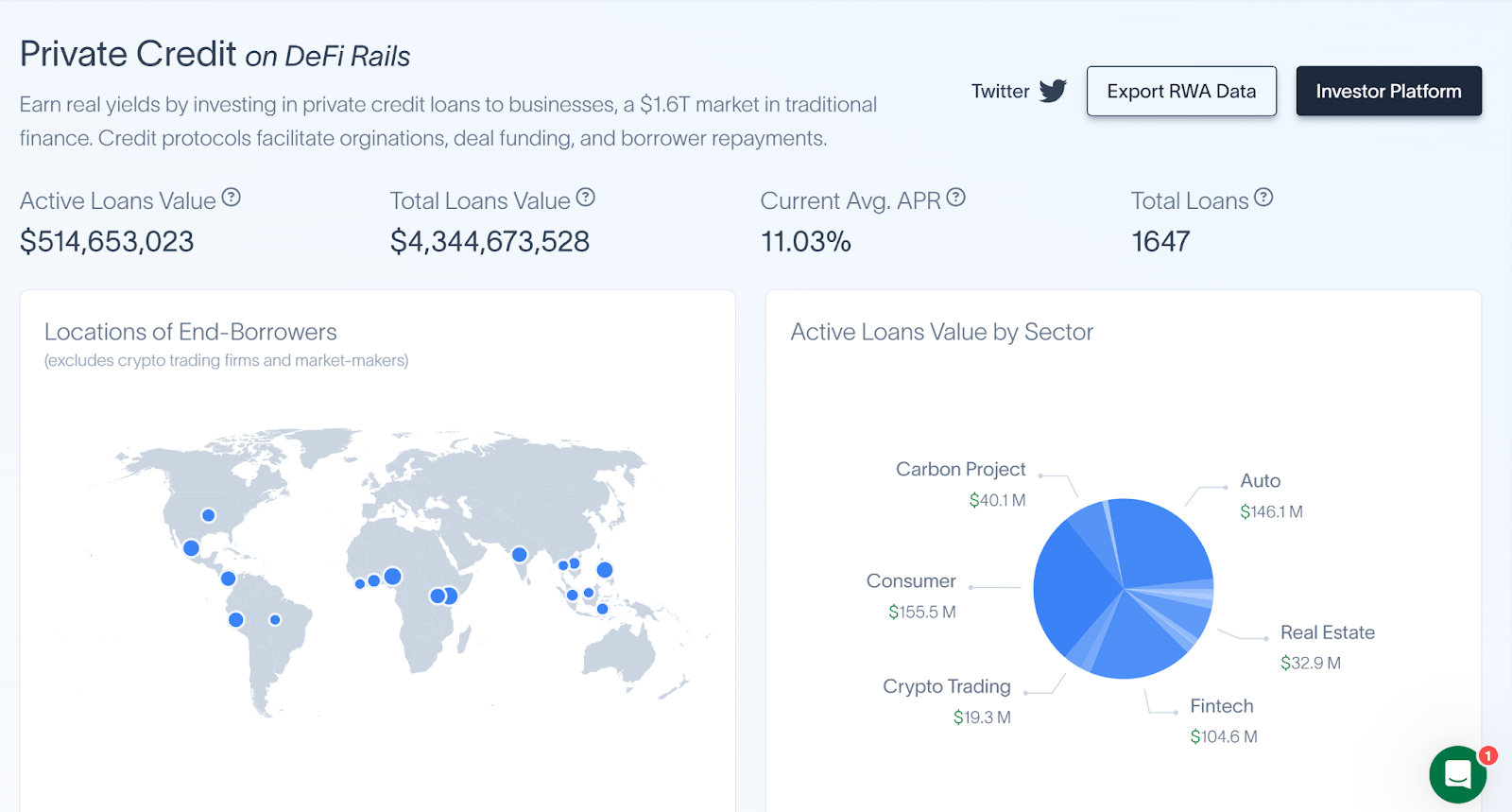
Website RWA.xyz has created a dashboard to view Loan-based RWA’s or ‘Private Credit’. There are currently over US$500 million worth of Private Credit RWA value active in crypto. The average return of 11.03% is impressive.

An example of one of these Private Credit options is the Stratos US Fintech yield offered by DeFi protocol Goldfinch.
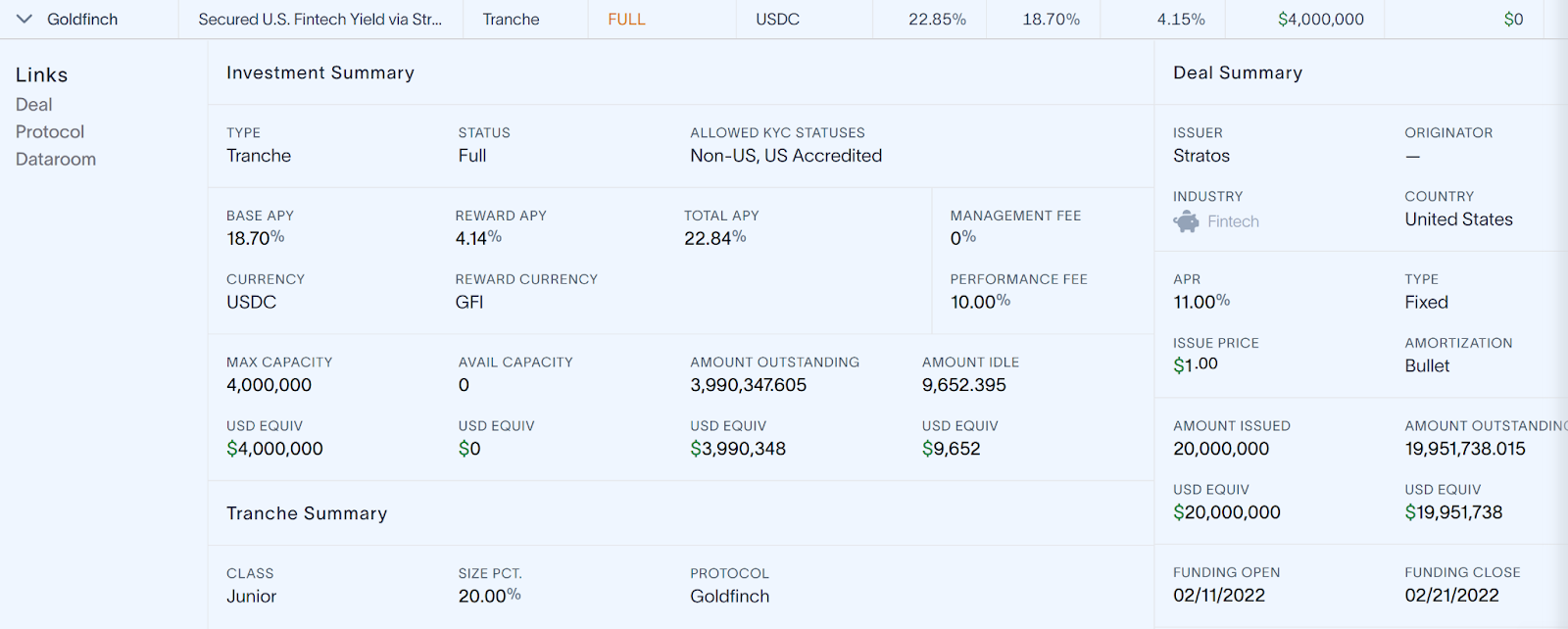
With this investment, Stratos is the borrower. Stratos is a firm that invests in secure loans to venture-backed companies. The borrower profile for Stratos explains that it is “has the expertise and a five year track record of advising and financing technology and technology-enabled businesses.”

At the time that the borrowing pool opened Stratos had exposure to Rezi — an institutional scale residential lease broker, Braavo — provides accounts receivable financing for software developers selling software for mobile apps, and Threecolts — An e-commerce and SAAS company focused on capturing value within retail marketplaces like Shopify and Amazon.

Stratos explains that they have an edge in identifying successful start-ups because their “sourcing strategy is primarily driven by introductions from founders that we’ve worked with in prior transactions, as well our strong network of venture capital equity investors who recognize the benefits a Stratos credit facility can provide to their portfolio companies.”

Community Lenders, DeFi users, are essentially lending to buy into the edge Stratos has, identifying successful startups and capturing the returns they offer. The dealroom for Stratos has a variety of documents evidencing research capabilities including Due Diligence capabilities.

Another example of an RWA private credit option is the Centrifuge Protcol’s ConsoleFreight 4. ConsoleFrieght 4 offers investors exposure to cash flows associated with international goods trading as well as Freight forwarding invoices.

Investor funds go towards short-term trade finance which refers to financing solutions that help facilitate international trade transactions, like imports and exports. This type of finance is designed to be short-term and bridges the gap between when a good is shipped and when the payment is received. Freight forwarding is the process of organizing and managing transportation, invoices are the document that lists the goods or services provided and the associated cost. By backing ConsolFrieght 4 as a borrower, investors are financing short-term trade and are paid when the gap in logistics is bridged.

Real Estate is also seen as a promising form of RWA. Through tokenizing real estate assets, investors can invest in a fraction of a single piece of real estate, and enter the asset class with a much smaller investment than they normally would. Fractionalizing and democratizing Real Estate is something that has been attempted through models like Timeshares but tokenization offers a potentially sleeker solution than what has been built so far. The RWA model, offers a chance to create accessibility and liquidity for the real estate sector.

Brave New Coin spoke to Trevor Bacon, co-founder and CEO of Parcl, A blockchain-based real estate investment platform that allows users to invest in a digital square foot of real estate in the most desirable neighborhoods. Cities covered by Parcl include Miami, Los Angeles, and New York. Bacon says “For younger generations, new challenges have made it harder than ever to invest in real estate. Home ownership rates are at nearly 20-year lows, in part due to the tedious and outdated processes necessitated.”

Parcl uses its own indices that are based on hyperlocal data feeds from Parcl Labs, an internal technology partner. Parcl Labs’ context-driven data updates daily in real-time, tracking the median price per square foot of each given city. Investors can use these insights to invest fluidly in the real estate they believe is right for them. Bacon explained to BNC that as opposed to taking a physical house and putting it on the blockchain, users gain exposure to high-demand cities around the globe. This offers diversification and a more data-informed investment option for DeFi users. “To adapt to the needs and feasibility of younger generations,” he says, “real estate must adapt to the 21st century using modern technology to decrease prices and expedite processes. RWA is the fuel needed to propel both the crypto and real estate industries into the mainstream.

Long thought of as an ideal candidate for disruption by blockchain, the global music business has not been an easy nut to crack from an RWA perspective, given its deeply ingrained legacy participants and convoluted rights ownership and revenue collection models.
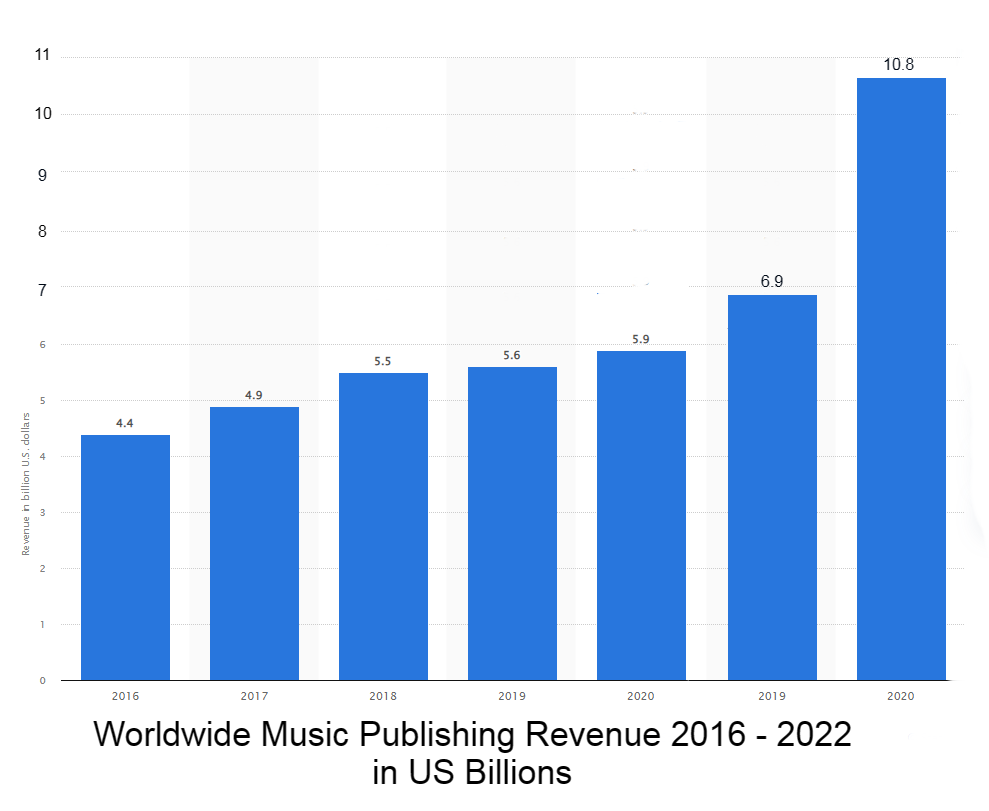
Music publishing revenue is on a long term growth trajectory. Source: Midia Research, Statista

Nonetheless, several companies such as Royal.io, TunedCoin, and BandRoyalty have all made revealed new initiatives in the last year that offer a path to fractional ownership of musical copyrights and create more symbiotic relationships between artists and fans.

Conclusion

RWA models have the potential to revolutionize traditional markets such as real estate, art, music and commodities by leveraging tokenization and decentralized finance. The market for RWAs is expected to grow exponentially in the coming years, and development has been exciting. The types of assets being tokenized are unique and layered. They are offering investors diversification, yield separated from crypto price volatility, and exposure to a variety of global industries.

DeFi protocols are playing a key role in the development of the RWA space by enabling greater liquidity and accessibility for physical assets, benefiting both investors and asset holders. Examples of emerging RWA-based lending platforms and real estate tokenization projects demonstrate the growing interest in this sector.

Похожее

Когда собственность на недвижимость становится цифровой: что происходит с вашими правами, рисками и ликвидностью?

Недвижимость становится ключевым направлением в сфере RWA, но её токенизация остается сложной задачей из-за вопросов юридических прав, управления и ликвидности. Проект OneAsset, возглавляемый CEO Sonia Shaw, фокусируется на коммерческой недвижимости в Дубае, предлагая инфраструктуру, основанную на принципах compliance. Вместо коллективных фондов OneAsset создает изолированные сейфы под каждый объект с отдельным SPV, оценкой и раскрытием данных. Это связывает цифровой токен с реальными экономическими правами. Платформа подчеркивает, что фрагментация не равна ликвидности, которая зависит от качества актива, стабильного денежного потока и наличия покупателей. Ключевой принцип — токен представляет собой инструмент с цифровыми правами, а юридическая сила обеспечивается через SPV. OneAsset работает в рамках регулирования Дубая (VARA) и внедряет автоматизированные системы проверки KYC/AML для кросс-бордерных операций. В долгосрочной перспективе стандартизация данных об оценке, аренде и денежных потоках может сделать токенизированную недвижимость «читаемой» для машин, что важно для развития AI-driven финансов (AiFi). Основной вывод: блокчейн улучшает эффективность, но не заменяет необходимость качественного актива, юридической структуры и управления.

marsbit20 мин. назад

Когда собственность на недвижимость становится цифровой: что происходит с вашими правами, рисками и ликвидностью?

marsbit20 мин. назад

Лукас: Ключевые Факторы Успеха за Постоянными Рекордами LIT

LIT, токен perp DEX Lighter, показывает устойчивый рост, достигнув нового максимума в 3,8 доллара. Текущий рост поддерживается ограниченным предложением — в обращении находится лишь около 25% от общего объема токенов, а команда и инвесторы заморозили свои доли до декабря 2026 года. Механизм выкупа и сжигания также усиливает дефицит: на данный момент уничтожено 1,73% от общего предложения. Lighter, разработанный бывшей командой количественных аналитиков Citadel, предлагает инновационное архитектурное решение в виде специализированного ZK Rollup для торговли. Проект преодолевает "невозможный треугольник" для децентрализованных деривативов (комиссии, задержки, безопасность), кодируя правила торговой книги, расчетов и ликвидаций непосредственно в zk-SNARK цепи. Это обеспечивает криптографически проверяемое исполнение ордеров, правильность ликвидаций и защиту от MEV. Как L2 Ethereum, Lighter наследует его безопасность, предоставляет пользователям механизм принудительного вывода средств и прямой доступ к ликвидности в экосистеме Ethereum. Производительность остается высокой: задержка исполнения — менее 5 мс, пропускная способность — до 20 000 ордеров на блок. Недавние оптимизации системы доказательств сократили среднее время проверки блока с 5,3 минут до около 1 минуты. Эта архитектура, сочетающая проверяемость на уровне цепи с безопасностью Ethereum, создает уникальное ценностное предложение, особенно для институциональных и регулируемых партнерств, таких как сотрудничество с Robinhood. В то время как такие конкуренты, как Hyperliquid, достигают высокой производительности через собственный консенсус, Lighter фокусируется на создании доверия через криптографические доказательства, открывая новое направление на рынке perp DEX.

marsbit20 мин. назад

Лукас: Ключевые Факторы Успеха за Постоянными Рекордами LIT

marsbit20 мин. назад

После влияния на два поколения, Meta приговорена к выплате 18 млрд долларов

В августе 2026 года Meta заключила историческое мировое соглашение с генеральными прокурорами 52 американских штатов и территорий на сумму до 180 млрд долларов. Причиной стала массовая федеральная жалоба, обвинявшая компанию в создании продуктов Facebook и Instagram, намеренно вызывающих привыкание у подростков, сокрытии вреда для психического здоровья и незаконном сборе данных детей младше 13 лет. Столкнувшись с серией неблагоприятных судебных решений и риском катастрофического вердикта присяжных, Meta предпочла урегулировать спор. Ключевым условием соглашения является не только сумма выплаты (часть которой зависит от аналогичных шагов TikTok и YouTube), но и обязательные изменения продуктов на 10 лет. Для подростков 13-17 лет вводятся жесткие ограничения: не более 2 часов экранного времени в сутки на оба приложения, ночной блокировщик с полуночи до 6 утра, "тихие" уведомления в школьные часы, скрытие счетчиков лайков и ограничение фильтров для красоты. Также Meta обязана предоставить подросткам неалгоритмическую ленту и усилить проверку возраста. Эксперты проводят параллели с масштабным соглашением 1998 года с табачными гигантами, которое радикально изменило правила игры в отрасли. Подобно тому, как это произошло с курением, правовые рамки, приравнивающие вызывающие привыкание алгоритмы к "общественному неудобству", теперь могут быть применены ко всей индустрии социальных сетей, включая TikTok и YouTube. Соглашение с Meta устанавливает новый, более строгий стандарт ответственности платформ за благополучие молодых пользователей.

marsbit26 мин. назад

После влияния на два поколения, Meta приговорена к выплате 18 млрд долларов

marsbit26 мин. назад

Интерпретация отчета Morgan Stanley: выручка Semtech от центров обработки данных выросла на 39% кв/кв, массовый выпуск оптических чипов 1.6T подстегнул результаты к новым высотам

Согласно исследовательскому отчету Morgan Stanley от 25 августа, выручка Semtech от бизнеса в сфере центров обработки данных во втором квартале достигла $100 млн, что на 39% больше по сравнению с предыдущим кварталом и на 91% в годовом исчислении, установив исторический рекорд. Рост был обусловлен устойчивым спросом на продукты 800G FiberEdge и более быстрыми, чем ожидалось, темпами сертификации решений 1.6T FiberEdge. Ожидается, что в третьем квартале доля продуктов 1.6T FiberEdge и CopperEdge в выручке от ЦОД превысит 50%. Компания прогнозирует дальнейший рост выручки от ЦОД в третьем квартале на 45% в квартальном и на 160% в годовом исчислении — до примерно $145 млн. В четвертом квартале новым фактором роста станет начало массового развертывания активных медных кабелей (ACC) у ключевых гиперскейлеров. Маржа валовой прибыли быстро улучшается благодаря оптимизации структуры доходов от ЦОД и бизнеса LoRa. Руководство Semtech заявило, что основной движущей силой роста являются оптические технологии, а не возможности на рынке медных кабелей. Помимо ЦОД, бизнес LoRa также показал рекордные результаты. В долгосрочной перспективе Semtech расширяет свое присутствие в области оптической связи, включая такие направления, как NPO, CPO и 3.2T. Morgan Stanley повысила целевую цену акций Semtech с $175 до $195, сохранив нейтральный рейтинг, поскольку текущая оценка уже выглядит полной, а для дальнейшего роста требуется подтверждение успешного выполнения планов по новым продуктам для ЦОД.

marsbit27 мин. назад

Интерпретация отчета Morgan Stanley: выручка Semtech от центров обработки данных выросла на 39% кв/кв, массовый выпуск оптических чипов 1.6T подстегнул результаты к новым высотам

marsbit27 мин. назад

Диалог с Томом Ли: покупка 5% от общего количества ETH — не конечная цель, целевая цена — 10 000 долларов

Интервью с Томом Ли, председателем BitMine Immersion Technologies (NYSE: BMNR), раскрывает стратегию компании по приобретению 5% от общего предложения Ethereum (ETH). За 14 месяцев BitMine накопил около 4.9% (примерно 5.84 млн ETH) исключительно за счет долевого финансирования без долгов. Компания еженедельно покупала ETH более 60 недель подряд, используя комбинацию покупок ETH и выкупа акций для максимизации доходности на капитал. После достижения цели в 5% BitMine, вероятно, не остановится, особенно если институциональный спрос на ETH как на долгосрочный актив возрастет. Компания не нуждается в продаже ETH для покрытия расходов, так как годовой доход от стейкинга в размере около $300 млн значительно превышает дивидендные обязательства по привилегированным акциям (BMNP) в $30-35 млн. Ли рассматривает ETH как актив для сохранения стоимости, аналогично акциям или земле, а не как инструмент с фиксированным денежным потоком. Он прогнозирует, что в новом бычьем цикле цена ETH превысит $5,000, а при учете токенизации на Уолл-стрит и спроса со стороны ИИ — легко достигнет $10,000 в течение 1-2 лет. BitMine также расширяет свою роль в экосистеме Ethereum, финансируя ответвления Ethereum Foundation и развивая собственную платформу для стейкинга Maven. Стратегия компании фокусируется на долгосрочном удержании ETH и монетизации активов через экосистемные инициативы, а не на их продаже.

marsbit41 мин. назад

Диалог с Томом Ли: покупка 5% от общего количества ETH — не конечная цель, целевая цена — 10 000 долларов

marsbit41 мин. назад

Торговля

Спот
活动图片