How new institutional economics explains the rise of GameFi?

Huobi ResearchОпубликовано 2022-02-20Обновлено 2022-02-20

Введение

With the development of blockchain technology and the diffusion of NFT technology, GameFi is now capable of deploying a nearly perfect private property rights system on the public chain with rather low costs.

1.Blockchain Games are Back

At the end of 2017, a game called CryptoKitties, a pet nurturing game based on Ethereum smart contracts, spread throughout the world. Transaction volumes within the game exceeded $1.9 million in the first seven days after launch, and the game became so popular that it caused congestion on the Ethereum network.

CryptoKitties' success attracted mass attention, with both capital and traditional gaming companies flocking to blockchain gaming. A month later, AxiomZen, CryptoKitties’ game development company, raised a Series A round of $70 million. Since then, a steady stream of strategy, RPG, simulation, and other blockchain games have continued to launch. Today, blockchain games are in the limelight.
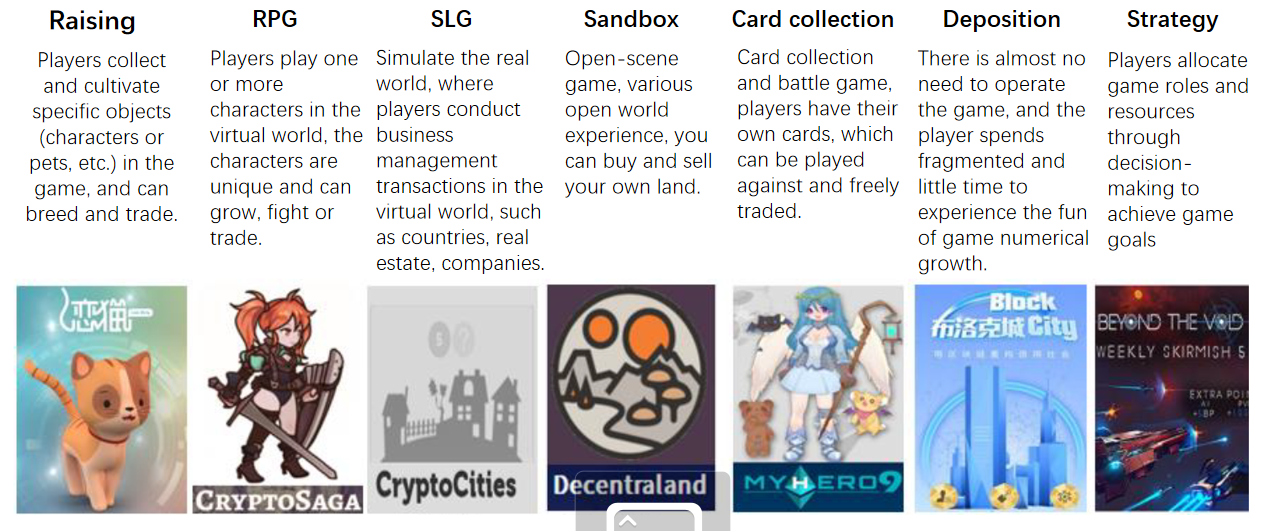
Figure 1. "Blockchain Game Fever" in 2017

Source: Huobi Research

However, early blockchain games suffered from defects such as singular models, simplistic entertainment and poor experiences in general. As the novelty of the games faded, the popularity of blockchain games dipped. CryptoKitties peaked at 140,000 daily active users and 180,000 daily transactions at the end of 2017. Within a few months, however, these two figures fell by over 90%.
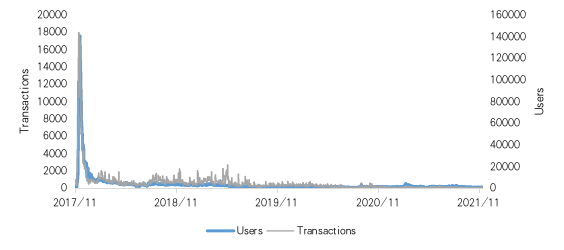
Figure 2. Changes in CryptoKitties daily active users and trading volume

Source: DappRadar, Huobi Research

Since June of this year, numerous blockchain games incorporating NFTs, DeFi, and other elements under the concept of "Play to Earn" have emerged. The most prominent example is Axie Infinity, a pet game whose single-day income of $9.72 million surpassed that of Tencent’s popular mobile game "Honor of Kings" within just a few short months. Its tokens AXS and SLP appreciated in value over three times over the course of just two months.

Figure 3: Axie Infinity User Numbers and Transaction Volumes
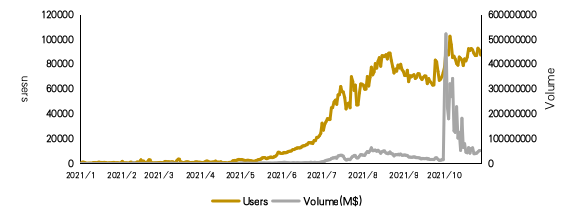
Source: Dappradar, Huobi Research

This new type of blockchain game, also known as GameFi, integrated finance and commerce with games. Judging from on-chain data, the number of GameFi games has skyrocketed since this past summer. DApp rankings show that five of the top nine apps are GameFi apps. Since this summer, GameFi's number of unique users has surpassed that of DeFi’s, becoming the main contributor to the total number of Dapp users. As of early December, GameFi's weekly active users have reached 9.21 million, a record high.
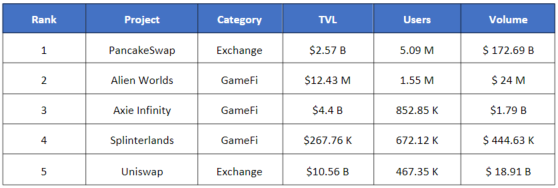
Table 2: Dapp Ranking List, December 2021

Source: DappRadar, Huobi Research
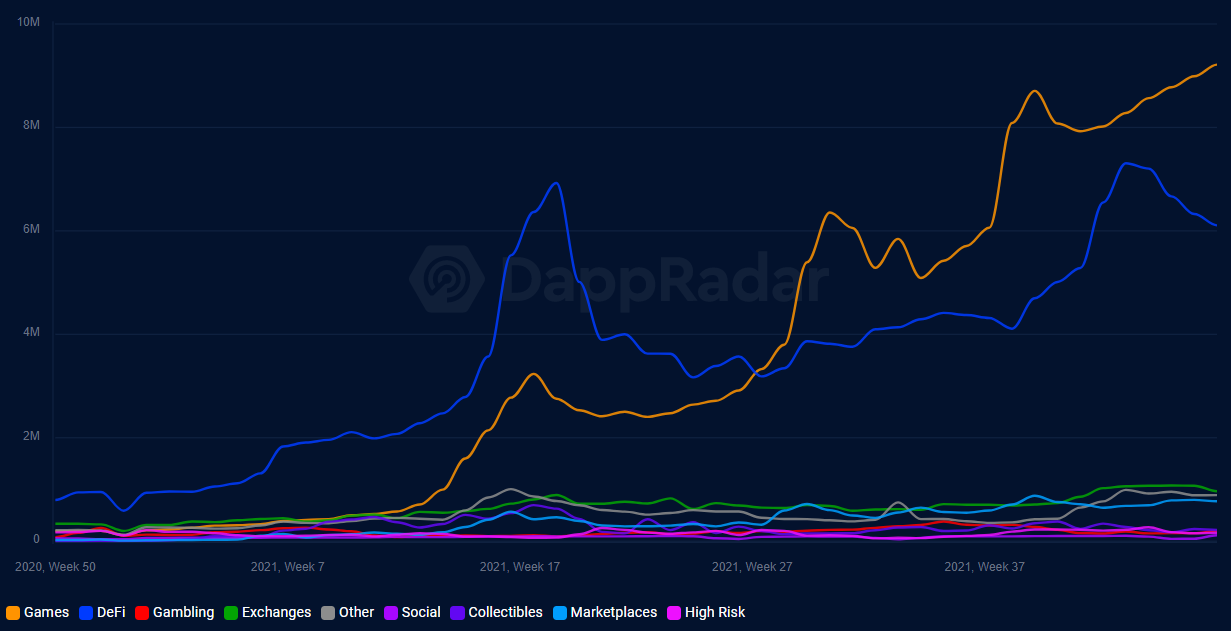
Figure 4: Change in the number of active independent wallet addresses on Dapps over the last year.

Source: DappRadar, Huobi Research

2. What are the reasons behind the rise of GameFi?

Many credit GameFi's success to its "Play To Earn" model, where players make money as they progress throughout the game. However, the "Play To Earn" concept has long been incorporated into the gaming industry - from acquiring equipment by killing monsters in World of Warcraft to playing games to acquire skin fragments or blue essence in League of Legends. So what is the real reason for GameFi's success?

The success of GameFi can be summed up in a simple equation: GameFi = Game + DeFi.

Transaction costs are an important concept in new institutional economics. In a broad sense, transaction costs refers to any costs generated by the existence of an economic system. The Coase Theorem elaborates that when there are transaction costs, the definition of property rights and the organizational form of the economy will impact resource allocation efficiency.

As a result, if all macro transaction costs are zero, the expectations of gamers can be met at no cost, thus game developers can collect and disseminate all information about development and consumption for free. Even without fair market pricing, users could be satisfied with the optimal outcome from the revenue model, which could be produced free of charge according to the user's time consumption, energy input and other measurements of input. However, the existence of transaction costs has become a determining factor for the choice of economic system-the society tends to choose the system with the lowest transaction costs to operate.

However, with special DeFi mechanisms, GameFi has enormously reduced transaction costs and improved user experience through the following two aspects:

Figure 5. Ways that GameFi Reduces Transaction Fees
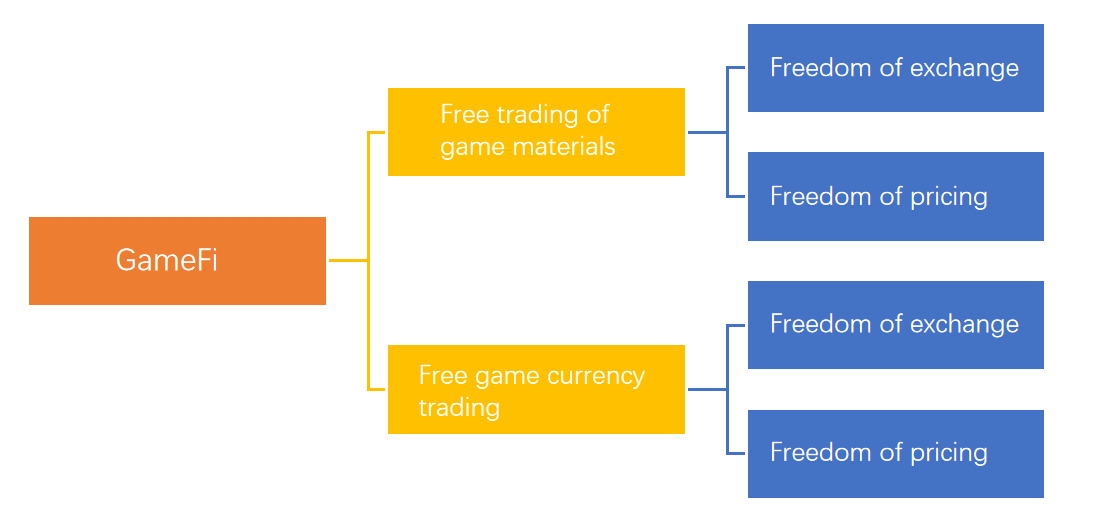
Source: Huobi Research

The first is the free trading of game materials, which is not only reflected by the freedom of exchange in trading objects, but also by the freedom of transaction prices. Transactions in traditional gaming models is similar to those of planned economies to a certain extent. For example, in terms of the object being transacted, it can only be exchanged with official channels; pricing is fixed at a uniform price by authorities, which severely limits the type and quantity of goods users can choose when making decisions.

As generally accepted in economics, when making production decisions, the wider range of available technologies and methods, the lower the transaction costs. GameFi further reduces transaction costs and improves the user experience by elevating the degree of freedom to trade.

The second factor is the free trading and pricing of game currencies. It has been overlooked by many analysts because, for traditional games, it is possible to make real money from game currency by selling in-game items or props for cash on underground black markets, even though game currencies cannot be directly monetized through official channels. However, this incurs large transaction costs: as we have seen in reality, no one buys apples with fiat currency and then exchanges apples for pears; they’d rather directly buy pears with money on hand. Because in each transaction, huge counterparty costs will emerge through the process of contracting, negotiating, and supervising transactions.

Therefore, the popularity of GameFi should not solely be credited to the "Play To Earn" model, especially given that gold farming has been present in the gaming industry for quite some time already. But rather, it is GameFi's ability to significantly reduce transaction fees for "gold farming" that enables users to make enormous profits at lower costs that makes it more appealing than other games.

Finally, GameFi's success cannot be achieved without the protection of property rights. Here’s a quote from the founder of Ethereum, Vitalik:

“From 2007 to 2010, I was obsessed with playing "World of Warcraft" till one day, blizzard removed the damage from my favorite warlock's Siphon Life ability. I cried myself to sleep. From that day on, I realized the terrible consequences of centralized servers. I quickly decided to quit the whole thing...”

Vitalik attributes the failure of traditional games to "centralized servers", but in fact, it is the absence of private property rights protection in traditional games that he is referring to. Vitalik would not be so desperate if game developers showed him respect and embraced his private property rights; this has nothing to do with "centralization" or "decentralization". For most traditional games, assets, such as characters and game props, don't really belong to the user unless the following three conditions are met:

1) Right to use: only the owner has the right to decide how to use these resources, and has the right to stop others from using them;

2) Right to earn, or the right to utilize assets to earn private income;

3) Right to transfer, or the right to transfer or sell resources to any person.

The above three properties are integral and form the private property rights framework. For most traditional games, revenue and transfer rights are not guaranteed. However, recall that the Coase theorem indicates that when there is a transaction cost, the definition of property rights and the choice of economic form will impact resource allocation efficiency.

Therefore, in order to optimize the allocation of resources, the arrangement of a property rights system is crucial. According to Steven N.S. Cheung, only a property rights system can (1) utilize the choice of multiple business models to save transaction costs; (2) facilitate transfer or sale for promotion of competition, thereby saving transaction costs.

Why has GameFi come so far? Because it effectively secured users' private property rights. In GameFi, the owners have the right to decide whether to sell certain resources or not, which lifts the degree of user independence and stimulates market competition, thus saving transaction costs. However, in traditional games, people's options are severely limited, resulting in high transaction costs. In some traditional games, there is no official platform where players can trade game props, but there is huge demand, which leads to a thriving underground market characterized by high transaction costs: high prices, fraud, and queuing, etc..

Since the arrangement of a property rights system is so vital to resource allocation efficiency and lowering transaction costs, why didn't traditional game companies institute such private property rights beforehand? The reason is that there are also transaction costs in switching the economic system. Before that, the costs of establishing a system of property rights was so high that game developers did not want to do it, so there were no incentives to update the property rights system.

However, with the development of blockchain technology and the diffusion of NFT technology, GameFi is now capable of deploying a nearly perfect private property rights system on the public chain with rather low costs. This not only is a comparative advantage that traditional game developers never had, but also reflects the intrinsic value of blockchain technology in the gaming industry.

Then, how should we evaluate the investment value of a GameFi game? For GameFi, it consists of two parts: traditional games and cutting-edge DeFi. GameFi first exists as a game, so we have to analyze its game characteristics. The value of a game can be assessed from two dimensions: product (content) and operations. Secondly, the significance of DeFi in GameFi games lies in the reduction of transaction costs and the protection of property rights. Therefore, a GameFi valuation model can be constructed based on the above two dimensions. We may elaborate more on GameFi valuation models in a future report, please stay tuned.


Трендовые криптовалюты

Похожее

После трёх кварталов падения: получится ли у крипторынка стабилизироваться в третьем квартале?

Криптовалютный рынок пережил худший квартал с 2022 года, общая капитализация упала на 12,6% до $2,1 трлн, а дневные объемы торгов снизились на 20,9%. Впервые за три года сократилась и капитализация стейблкоинов. Основные факторы спада — отток средств из биткоин-ETF, распродажа биткоинов корпоративным казначейством Strategy и ужесточение монетарной политики ФРС. Второй квартал завершился чистым оттоком $46,7 млрд из ETF, при этом в июне отток достиг рекордных $45 млрд. Ключевым событием третьего квартала станет заседание ФРС 28–29 июля. Мягкий сигнал может поддержать биткоин в диапазоне $68 000–84 000 и вернуть приток в ETF, тогда как жесткая риторика способна сместить торговый диапазон к $50 000–56 000. Законодательная неопределенность также давит на рынок: прогресс по закону CLARITY Act, определяющему регуляторные границы, замедлился, и вероятность его принятия в 2026 году упала до 40–45%. Несмотря на общий спад, два сегмента показали рост: объемы на рынках предсказаний выросли на 48,7%, а торговля токенизированными коллекционными предметами увеличилась на 143%. Сектор RWA продолжает стабильно развиваться, достигнув $28,1 млрд. Рынок, вероятно, миновал фазу острой распродажи, но для устойчивого восстановления необходимы ясность от ФРС и регуляторный прогресс.

marsbitВчера 08:38

После трёх кварталов падения: получится ли у крипторынка стабилизироваться в третьем квартале?

marsbitВчера 08:38

BIT Торговые часы: BTC по-прежнему под давлением 200 EMA на недельном графике, после отскока возможен перезапуск нисходящего движения; секторы хранения данных и полупроводников, выросшие ночью, начали падение в вечерней сессии

**Краткий обзор рынка: BTC под давлением, коррекция на рынке акций, внимание к данным и событиям** Рынок криптовалют демонстрирует осторожное восстановление. Bitcoin торгуется около $66 000, сталкиваясь со значительным сопротивлением в районе $68 000, где сосредоточены объемные "застрявшие" позиции. Ключевые технические уровни — 200-недельная скользящая средняя (~$63 333) и 200-недельная EMA (~$68 328). Аналитики отмечают низкую ликвидность, характерную для летнего периода. На фондовом рынке после сильного роста во вторник наблюдается коррекция. Фьючерсы на основные индексы США снижаются. Акции полупроводниковой и памяти, которые резко выросли накануне, падают в ночных торгах. Исключением стал SMCI, который вырос более чем на 15% после оптимистичного прогноза. На общий настрой негативно влияют рост цен на нефть (более $91 за баррель Brent) и доходности государственных облигаций США (10-летние — около 4,64%), что возрождает инфляционные опасения. Азиатские рынки показали нестабильную динамику. Индекс KOSPI в Корее вырос на 0,74%, а японский Nikkei 225 снизился на 0,18%. Основной риск для региона — ослабление японской иены до минимумов с 1986 года, что повышает вероятность вмешательства властей. **Ключевые события для наблюдения:** * **24 июля:** Финансовые отчеты Alphabet (Google), Tesla, IBM. Событие AMD, посвященное ИИ. * **25 июля:** Решение по процентной ставке ЕЦБ и пресс-конференция Кристин Лагард. Финансовые отчеты Intel, American Airlines, Honeywell и других. Данные по числу первичных заявок на пособие по безработице в США.

marsbitВчера 08:30

BIT Торговые часы: BTC по-прежнему под давлением 200 EMA на недельном графике, после отскока возможен перезапуск нисходящего движения; секторы хранения данных и полупроводников, выросшие ночью, начали падение в вечерней сессии

marsbitВчера 08:30

Бывший глава CFTC и президент Circle Тарберт: призывает к долгосрочной стратегии, но сам выводит $30 млн

Бывший председатель CFTC и президент Circle Хит Тарберт, публично пропагандируя долгосрочное видение компании для инвесторов на фоне падения акций на 70% с пиковых значений, сам активно распродавал свои акции CRCL. С момента IPO Circle он по плану 10b5-1 продал более 360 тысяч акций, выручив около 30 миллионов долларов, и при этом ни разу не докупал акции на открытом рынке. Эта разница между его публичными заявлениями и личными действиями вызвала критику. Карьера Тарберта демонстрирует классическое использование «вращающейся двери» между регулирующими органами и частным сектором. Уйдя с поста председателя CFTC в 2021 году, через 27 дней он занял должность главного юрисконсульта в маркет-мейкере Citadel Securities, который в тот момент находился под пристальным вниманием из-за скандала с акциями GameStop. Позже, уже работая в Citadel, Тарберт выступал за расширение полномочий CFTC на крипторынок, в то время как его работодатель планировал выход на этот рынок. В 2023 году Тарберт присоединился к Circle, где его опыт и связи сыграли ключевую роль в успешном проведении IPO компании в 2025 году. Однако его последующие массовые продажи акций, совпавшие с падением котировок и его же призывами к долгосрочным инвестициям, ставят под сомнение искренность его уверенности в будущем компании. Критики видят в его карьере образец превращения регуляторного опыта и политических связей в личную выгоду, в то время как риски несут обычные инвесторы, верящие его нарративам.

marsbitВчера 08:07

Бывший глава CFTC и президент Circle Тарберт: призывает к долгосрочной стратегии, но сам выводит $30 млн

marsbitВчера 08:07

Gate Research: Взлет «уолл-стритизации» криптофинансовых продуктов — это конкуренция или интеграция?

**Аналитический обзор Gate Research Institute: Волна "уолл-стритизации" криптофинансовых продуктов — конкуренция или интеграция?** Создание биткоина в 2009 году было ответом на финансовый кризис и стремлением построить децентрализованную систему без доверенных посредников. Однако к 2026 году значительная часть биткоинов (около 7,14%) хранится через ETF таких гигантов, как BlackRock. Это символизирует глубокую интеграцию традиционных финансов (TradFi) и крипторынка. С появлением биткоин-ETF, фьючерсов, RWA (токенизированных реальных активов) и государственных облигаций на блокчейне, традиционные институты получают всё больше влияния на выпуск, ценообразование, кастодию и дистрибуцию криптоактивов. Однако это не одностороннее поглощение, а взаимодополняющая конвергенция. Криптосфера приносит TradFi глобальную 24/7 ликвидность и программируемость, а TradFi предоставляет криптосфере регулируемые каналы, институциональное доверие и массовый доступ. Яркий пример — две противоположные, но ведущие к одной цели траектории: * **Путь А:** Криптобиржи, такие как Gate, начинают с токенизированных акций и CFD, а затем напрямую подключаются к инфраструктуре традиционных брокеров, предлагая реальную торговлю акциями США, Гонконга и Кореи за стейблкоины. * **Путь Б:** Традиционные брокеры, такие как Robinhood, интегрируют криптоактивы, а затем создают собственные Layer 2 для токенизации своих акций, стремясь к круглосуточной торговле. Обе стратегии нацелены на создание **универсального финансового аккаунта будущего** — единой точки доступа к акциям, криптовалютам, ETF, токенизированным облигациям и другим активам. Ключевой конкурентной борьбой становится не между CEX и брокерами, а между этими "супераккаунтами". Параллельно, слой RWA и токенизированных гособлигаций растёт даже на медвежьем рынке, становясь "прослойкой" для объединения капиталов. Хотя этот рынок (около $150 млрд токенизированных казначейских облигаций) ещё мал по сравнению с традиционным ($30 трлн), он демонстрирует устойчивый структурный тренд, привлекающий крупнейшие финансовые институты (JPMorgan, DTCC и др.). **Вывод:** "Уолл-стритизация" — это не поражение идеалов децентрализации, а формирование новой гибридной модели. Децентрализованные протоколы продолжают работать на базовом уровне, в то время как на уровне приложений и пользовательского опыта формируется более эффективный, глобальный и свободный объединённый рынок капитала, где активы TradFi и DeFi торгуются бок о бок в одном интерфейсе. Уолл-стрит не завоевала криптосферу, а криптосфера не обошла Уолл-стрит — они совместно строят новые финансовые рельсы.

marsbitВчера 08:04

Gate Research: Взлет «уолл-стритизации» криптофинансовых продуктов — это конкуренция или интеграция?

marsbitВчера 08:04

S&P Dow Jones и Pantera выпускают криптоиндекс, биткоин оставлен за бортом из-за «отсутствия прибыли»

Стандард энд Пурс (S&P Dow Jones Indices) совместно с Pantera Capital запускает индекс S&P Pantera Digital Asset Index. Новый индекс включает 18 токенов, но исключает биткоин, XRP и мем-токены. Критерием отбора послужила «финансовая жизнеспособность», по аналогии с S&P 500: протокол должен демонстрировать положительный доход в течение нескольких кварталов и распределять стоимость среди держателей токенов. Это первое применение фундаментального подхода к оценке криптоактивов со стороны крупнейшего в мире провайдера индексов. В первую пятерку активов вошли Ethereum (ETH), BNB, Solana (SOL), TRON (TRX) и Hyperliquid (HYPE). Pantera отмечает, что совокупный годовой доход всех протоколов индекса превышает $30 млрд. Биткоин был исключен по трем причинам: он рассматривается как монетарный актив, доступный через отдельные ETF; он не генерирует доход протокола; а смешивание его в индексе с доходными активами затрудняет фундаментальный анализ для институциональных инвесторов. Пока индекс является эталонным, но Pantera ведет переговоры о создании на его основе ETF и других инвестиционных продуктов. Компания также отмечает значительный разрыв на рынке: многие институциональные инвесторы готовы к аллокации в криптоактивы, но им не хватает структурированных продуктов, фокусирующихся на активах с реальной экономической деятельностью.

marsbitВчера 08:02

S&P Dow Jones и Pantera выпускают криптоиндекс, биткоин оставлен за бортом из-за «отсутствия прибыли»

marsbitВчера 08:02

Торговля

Спот

Популярные статьи

Manyu: восходящая мем-звезда на Ethereum, готовая открыть новую эру культуры Shiba

Manyu - это мемтокен на Ethereum, который приносит децентрализованную культурную и развлекательную ценность через вирусное влияние в соцсетях и вовлечённость сообщества.

2.0k просмотров всегоОпубликовано 2025.11.27Обновлено 2025.11.27

Manyu: восходящая мем-звезда на Ethereum, готовая открыть новую эру культуры Shiba

Неделя обучения по популярным токенам 14: Glamsterdam — самое ожидаемое обновление Ethereum в 2026 году

Ordinals/Runes по-прежнему стимулируют доходы от комиссий за блоки и активность разработчиков, рассматриваются как отправная точка «нативной эмиссии активов» в сети.

1.6k просмотров всегоОпубликовано 2026.04.29Обновлено 2026.04.29

Неделя обучения по популярным токенам 14: Glamsterdam — самое ожидаемое обновление Ethereum в 2026 году

Обсуждения

Добро пожаловать в Сообщество HTX. Здесь вы сможете быть в курсе последних новостей о развитии платформы и получить доступ к профессиональной аналитической информации о рынке. Мнения пользователей о цене на ETH (ETH) представлены ниже.

活动图片