# Tokenomics Related Articles

HTX News Center provides the latest articles and in-depth analysis on "Tokenomics", covering market trends, project updates, tech developments, and regulatory policies in the crypto industry.

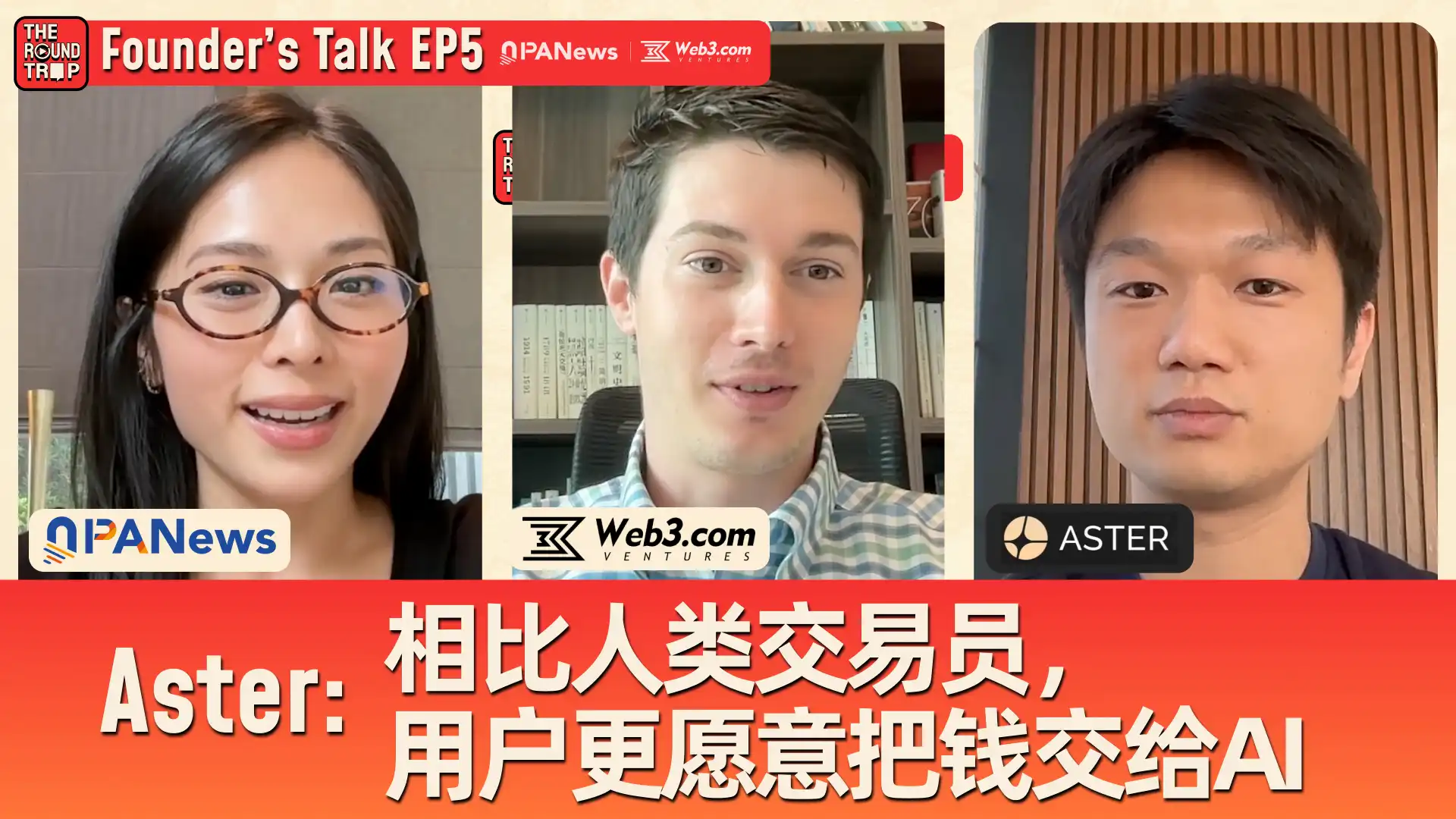
Dialogue with Aster CEO: When CZ Knocks with 'Overwhelming Traffic', How Are We Preparing to Respond

Aster CEO Leonard discusses the project's explosive growth, challenges, and future vision in an exclusive interview. The conversation covers the recent "Human vs. AI" trading competition, where a key insight was that users inherently trust AI agents more for decentralized, trustless asset management due to their predictable, incentive-agnostic nature—a major focus for Aster's next development phase. The discussion then addresses the immense, sudden attention from CZ (Changpeng Zhao), who publicly disclosed holding over $2 million in Aster tokens. Leonard describes this a positive validation that brought both "sweet pressure" and a crash course in scaling under intense demand, ultimately forcing rapid improvements in UX and system stability. In the highly competitive Perp DEX arena, Leonard emphasizes that sustainable growth hinges on product excellence and building a closed-loop value flywheel: creating real value, having users pay for it, and effectively returning that value to token holders. Aster is also pioneering privacy with features like "Shield Mode," which offers private trading, extreme leverage, and a profit-sharing fee model. Its upcoming Aster Chain is framed not as a general-purpose ecosystem but as an "app-chain" meticulously built to optimize its core trading product's performance, transparency, and privacy features. Looking ahead to 2026, Leonard's key expectations are: greater adoption of on-chain privacy features, breakthroughs in AI-powered trustless asset management, and the expansion of perpetual contracts ("perps") to a much wider range of quantifiable assets, including prediction markets and novel indexes.

marsbit01/14 09:26
Dialogue with Aster CEO: When CZ Knocks with 'Overwhelming Traffic', How Are We Preparing to Respond

marsbit01/14 09:26

The Key Value of Munger and Buffett's Long-Term Thinking Model for Web3

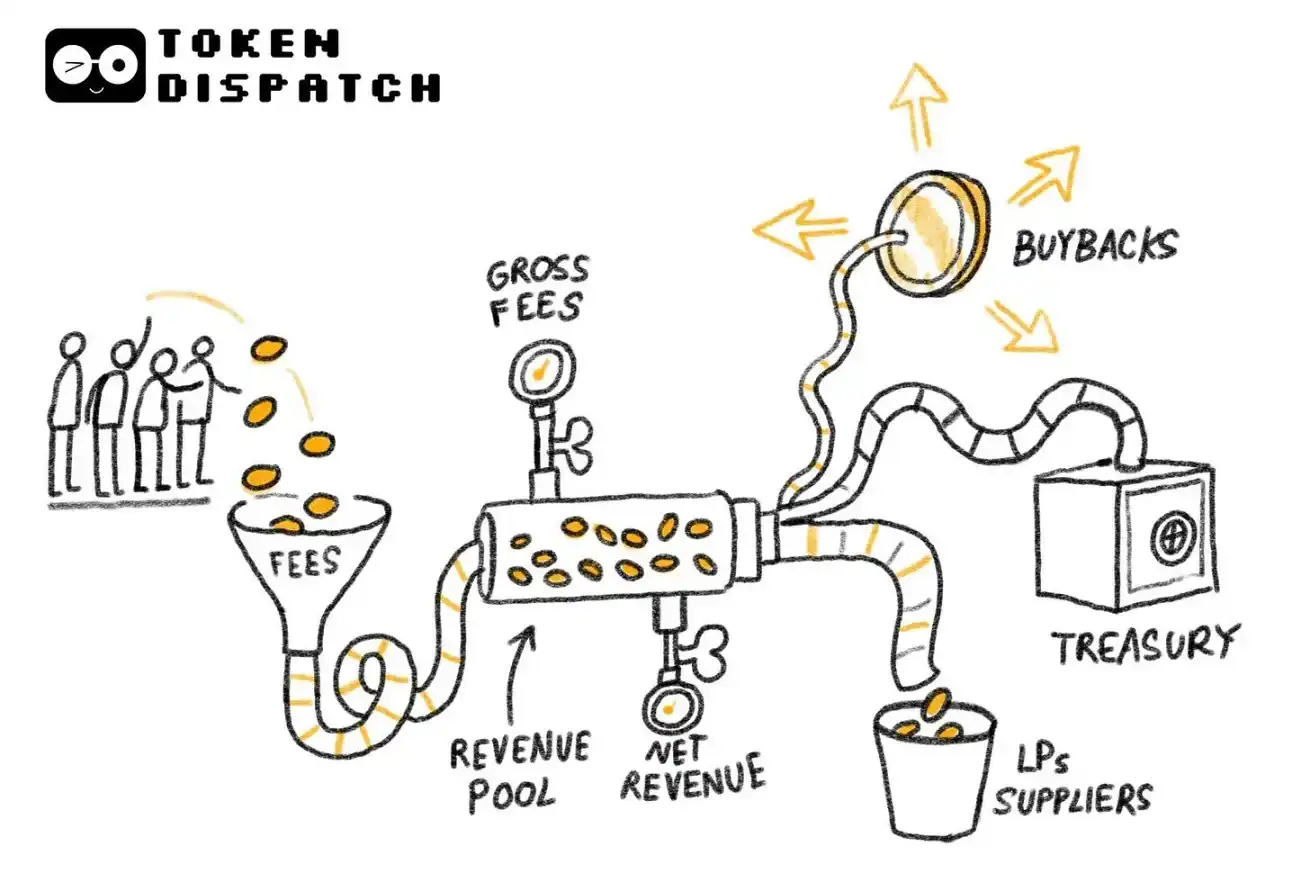
The article explores how Charlie Munger and Warren Buffett's long-term investment philosophy can provide critical insights for the Web3 industry. Despite their historical skepticism toward cryptocurrencies, their principles—focusing on intrinsic value, durable business models, and rational risk assessment—are highly relevant to blockchain’s development. The author identifies three key criteria for evaluating Web3 projects: 1. **Real Demand**: Projects should demonstrate genuine utility and organic usage—like Ethereum’s gas fees or user-paid transactions—rather than rely on short-term incentives or artificial metrics. 2. **Sustainable Business Models**: Successful projects exhibit network effects, scalability, and economic moats that allow them to thrive across market conditions, aligning with the concept of compounding value. 3. **Sound Tokenomics**: Tokens should have clear value-accrual mechanisms, such as fee distribution or buybacks, and avoid structural dilution or over-centralization. Additionally, Munger’s emphasis on multidisciplinary thinking and operating within one’s “circle of competence” is crucial for navigating Web3’s complexities. Understanding protocol risks—like governance failures, death spirals, or technical flaws—can prevent significant losses. Ultimately, the piece argues that long-term value creation in Web3 depends on applying time-tested investment principles to filter out speculative noise and identify projects with enduring worth.

marsbit01/14 07:26

The Key Value of Munger and Buffett's Long-Term Thinking Model for Web3

marsbit01/14 07:26

A Game with No Winners: How to Break the Deadlock in the Altcoin Market?

The altcoin market is currently trapped in a "four-lose dilemma" due to flawed token distribution models. The prevalent low initial circulation strategy, designed to artificially maintain high fully diluted valuations (FDV), has backfired. It creates a scenario where centralized exchanges, token holders, project teams, and venture capitalists all ultimately suffer. Exchanges face community backlash from poor token performance, holders experience price collapse as supply unlocks, projects damage the industry's fundraising capacity, and VCs see their long-term investment channels deteriorate. Market responses, such as the 100% initial circulation of meme coins and the community-centric MetaDAO model, have failed to provide sustainable solutions, often creating new problems like extreme volatility or alienating talented founders. A potential path forward requires rebalancing interests: exchanges should shift from arbitrary lockups to KPI-based unlocks; holders should demand transparency and control over major decisions without micromanaging; projects must only issue tokens with clear utility and product-market fit; and VCs should stop forcing token launches on every project. The next 12 months will be challenging as the market absorbs the last wave of excess supply from the 2021-2022 funding boom. However, this digestion period, coupled with more selective token launches and evolving standards, could lead to a healthier market. The long-term viability of the altcoin model depends on avoiding a "lemon market" where only failing projects issue tokens, while successful ones opt for traditional equity. Despite current hardships, tokens retain unique advantages for driving growth and building loyal communities when implemented correctly.

marsbit01/12 03:38

A Game with No Winners: How to Break the Deadlock in the Altcoin Market?

marsbit01/12 03:38

活动图片