# Musk Related Articles

HTX News Center provides the latest articles and in-depth analysis on "Musk", covering market trends, project updates, tech developments, and regulatory policies in the crypto industry.

Elon Musk's 'Granny Drain'

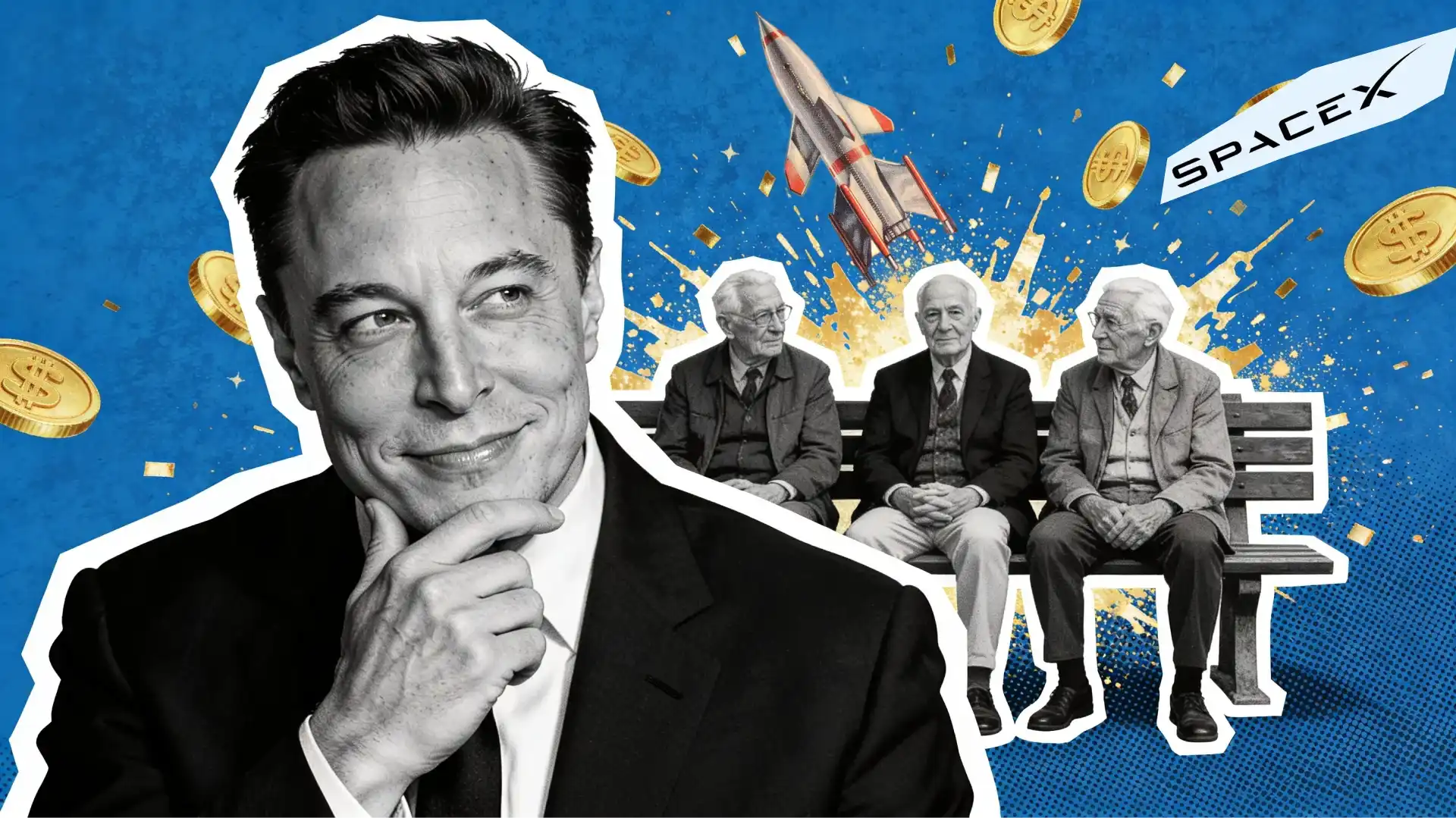
Title: Musk "Milking the Old Folks" Author: Nancy, PANews As the memory sector surges with Micron and SK Hynix each surpassing a trillion-dollar market cap, Elon Musk is accelerating his own myth of becoming the world's first trillionaire. SpaceX, with its astronomical valuation, is speeding toward the capital markets. This potentially wealth-history-rewriting super IPO is pushing Musk toward that unprecedented personal fortune and delivering hundredfold or even thousandfold returns to early backers like Google, Valor Equity Partners, Founders Fund, and others. However, to sustain this most expensive space narrative in human history, new buyers are ultimately needed. As massive pension funds are set to be "forced to buy," the retirement savings of Americans are becoming the fuel for Musk's space dreams. Wall Street has begun paving a fast track for such super IPOs. Major indices like Nasdaq and S&P have recently eased rules, allowing mega-companies like SpaceX to be incorporated into key benchmarks like the Nasdaq 100 much faster post-listing. This matters because a vast portion of the U.S. retirement system—trillions in 401(k)s and pension funds—relies on passive index investing. Once a company enters a major index, all funds tracking it are compelled to buy its shares automatically, regardless of valuation, profitability, or risk. This has sparked significant backlash. Teacher unions and major public pension funds (collectively managing trillions) have warned the SEC and written to Musk, opposing SpaceX's extreme governance structure where Musk holds 85% voting control. They argue workers' lifelong savings could be tied to a company resembling a Musk family office more than a transparent public entity. In essence, after early investors reap immense rewards, the potential "bag-holding" cost is being transferred onto passive investors—the ordinary American retirees—through the mechanism of index inclusion.

marsbit05/28 07:07

Elon Musk's 'Granny Drain'

marsbit05/28 07:07

Musk's 'One-Man Dynasty' Set to Ring the Bell on June 12th

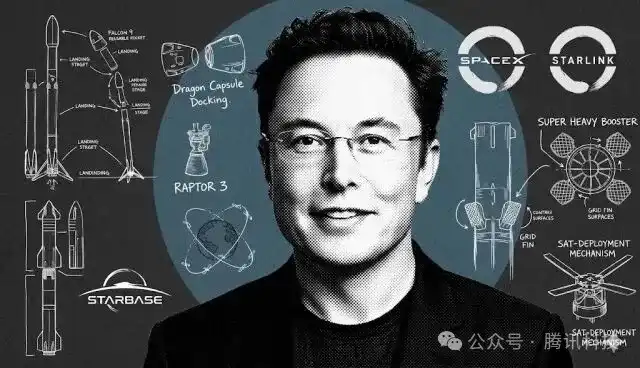
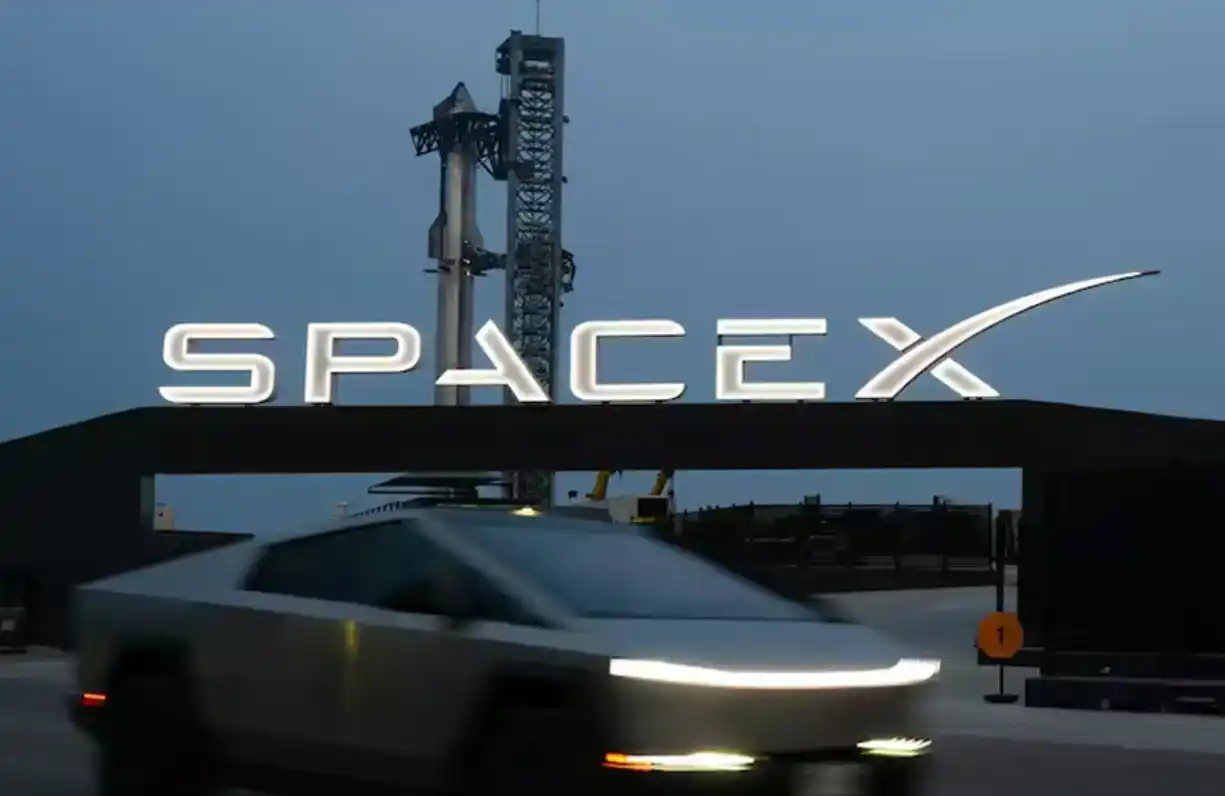
SpaceX Files for IPO, Targets Up to $2 Trillion Valuation SpaceX has officially filed for an initial public offering (IPO) with the U.S. SEC, planning to list on Nasdaq under the ticker "SPCX" on June 12. The company aims to raise $70-$80 billion, targeting a historic valuation between $1.75 and $2 trillion. Despite going public, founder Elon Musk will retain approximately 85% of the voting power through a dual-class share structure, maintaining absolute control. The S-1 filing reveals a company with sharply contrasting financial segments. In 2025, SpaceX reported $18.67 billion in revenue but a net loss of $4.94 billion. The loss was primarily driven by its AI unit, xAI, which burned $6.4 billion. In contrast, the Starlink satellite internet business was highly profitable, generating $11.4 billion in revenue and $4.4 billion in operating profit with an impressive 63% EBITDA margin. Starlink's user base grew to 10.3 million by Q1 2026, though average revenue per user has been declining. A key driver of the sky-high valuation is the recent $1.25 trillion merger with xAI, which added an AI narrative to the core aerospace business. SpaceX plans futuristic ventures like orbital AI data centers and space mining, though these are not yet revenue-generating. The company's capital expenditures are massive, exceeding $20.7 billion in 2025, with AI spending surpassing that of space operations. The IPO, led by Goldman Sachs, has drawn both enthusiasm and skepticism from Wall Street. While some hail it as a generational investment opportunity, others question the steep valuation multiples and the sustainability of funding xAI's significant losses with Starlink's profits. The listing represents a major test of market faith in Musk's long-term vision and his unique model of centralized control.

marsbit05/22 01:56

Musk's 'One-Man Dynasty' Set to Ring the Bell on June 12th

marsbit05/22 01:56

Altman Drops Bombshell While Musk is Away: He Once Wanted His Children to Inherit OpenAI

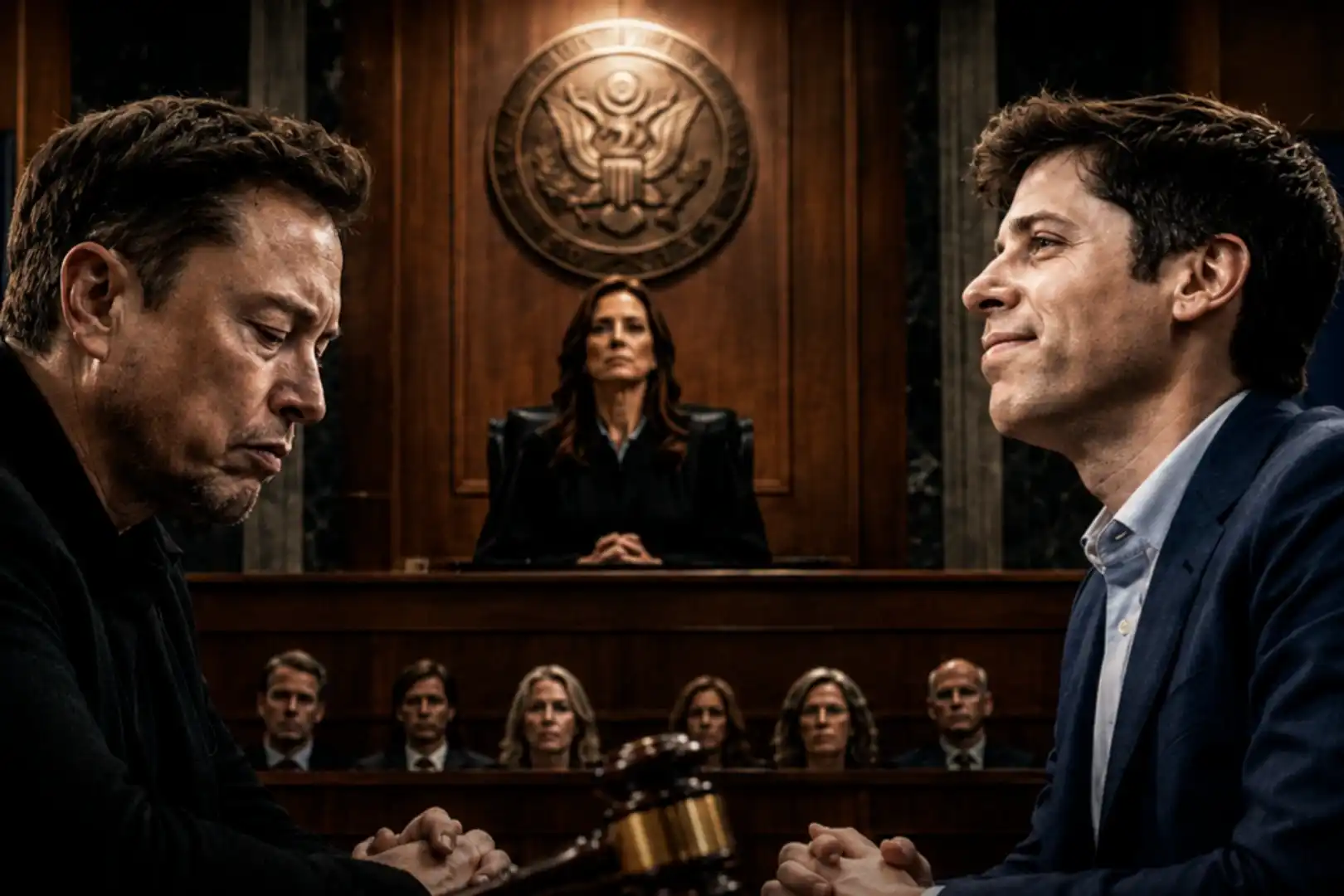
In a California court, Sam Altman testified for the first time in the ongoing legal battle between Elon Musk and OpenAI. Altman made a striking claim: Musk once suggested that control of OpenAI could one day be passed down to his children. This statement reframes the long-standing conflict not as a simple governance dispute but as a foundational power struggle. Altman sought to counter the narrative that OpenAI betrayed its original non-profit, idealistic mission. He argued that from the beginning, it was Musk who sought increasing control over the organization, including a larger equity stake and ultimate decision-making authority. Altman opposed this, citing OpenAI's core principle that AGI should not be controlled by any single individual. He also addressed the key point of contention about OpenAI's shift to a for-profit structure, claiming Musk was aware of and initially supportive of exploring such a model to secure the massive funding needed for advanced AI research. Altman framed the change as a practical necessity, not a betrayal. Further testimony revealed internal concerns after Musk left OpenAI's board, with worries he might take retaliatory action. Altman critiqued Musk's management style as unsuitable for a research lab, damaging morale and culture. Throughout his testimony, Altman's focus appeared to shift from technological idealism to the realities of organizational governance and resource requirements. Regarding his brief ouster in 2023, Altman stated he seriously considered joining Microsoft but ultimately returned because OpenAI was too important to abandon.

marsbit05/13 04:11

Altman Drops Bombshell While Musk is Away: He Once Wanted His Children to Inherit OpenAI

marsbit05/13 04:11

活动图片