# Mining Related Articles

HTX News Center provides the latest articles and in-depth analysis on "Mining", covering market trends, project updates, tech developments, and regulatory policies in the crypto industry.

Trust Collapse: How an Insider Took Away a Hong Kong Teenager's $160 Million in BTC

In a high-profile case currently being heard in the UK High Court, Hong Kong-based financial influencer and former "stock prodigy" Yuen Bing-fai, also known as "Fire Fat Sam," has accused his estranged wife, Li Wun-yung, of stealing 2,323 BTC (worth approximately $162 million at the time of writing) from his cold wallet. Yuen alleges that Li, with the help of her sister, installed hidden cameras in their Brighton home to record him entering his PIN and seed phrase for his Trezor hardware wallet. The theft came to light after their daughter warned Yuen that her mother might be planning to take the Bitcoin. Secretly recorded conversations between Li and her sister, submitted as evidence, reportedly include discussions about transferring the BTC, laundering the funds, and avoiding police detection. The BTC was moved to 71 different addresses and has remained there since. Yuen, who gained fame through stock and crypto investments, claims to have acquired the Bitcoin between 2010 and 2013. The court has issued a global freezing order on the assets due to crypto's volatility. While Li denies the allegations, the judge noted the evidence appears "devastating" and allowed the civil case to proceed. The case has drawn significant media coverage and public attention, also reviving discussions about Yuen's controversial past, including his promotion of a failed cloud mining scheme in Hong Kong that led to investor losses and police investigations.

比推03/20 06:36

Trust Collapse: How an Insider Took Away a Hong Kong Teenager's $160 Million in BTC

比推03/20 06:36

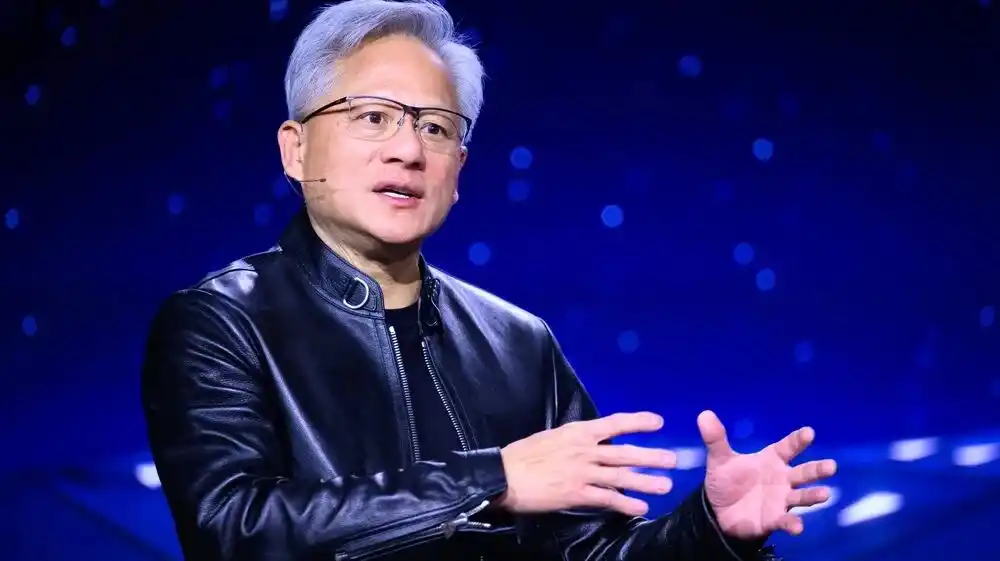
Jensen Huang is Satoshi Nakamoto

Summary: The article draws a compelling parallel between Jensen Huang, CEO of NVIDIA, and Satoshi Nakamoto, the pseudonymous creator of Bitcoin. It argues that both figures, though operating in different eras, fundamentally architected new "token economies" based on a core conversion rule: inputting computational power (electricity) to output a valuable token. Nakamoto's 2008 whitepaper defined a system where Proof-of-Work mining produces scarce cryptographic tokens, creating a decentralized "faith economy" based on speculative value. In 2026, Huang is portrayed as performing a structurally identical act at GTC. Instead of merely selling GPUs, he presented a complete "token economics" framework, segmenting the market into tiers (Free, Medium, High, Premium, Ultra) based on inference speed, model type, and price per million tokens. He defined valuable computation for the AI age. The key distinction lies in the tokens' purpose and resulting scarcity. Crypto tokens derive value from artificial, code-enforced scarcity (e.g., Bitcoin's 21 million cap) and are meant to be held. AI tokens derive value from their immediate consumption for productive tasks (coding, decision-making) and face a natural, physical scarcity governed by the laws of thermodynamics, land, and power grids, which Huang's hardware is designed to maximize. Ultimately, while Nakamoto created a speculative asset, Huang is building an indispensable utility. The AI token economy, powered by NVIDIA ecosystem, is argued to be more resilient and fundamental, as the author concludes, "You don't need to believe the token has value—your credit card bill has already proven it." Huang is presented as the visible, commercial architect of a tangible token future, the successor to Satoshi's anonymous, ideological blueprint.

marsbit03/19 01:31
Jensen Huang is Satoshi Nakamoto

marsbit03/19 01:31

活动图片