# Crypto Related Articles

HTX News Center provides the latest articles and in-depth analysis on "Crypto", covering market trends, project updates, tech developments, and regulatory policies in the crypto industry.

Robinhood CEO named three benefits of tokenized stocks for American investors

Robinhood CEO Vlad Tenev advocates for the U.S. to allow trading of tokenized stocks domestically. He argues this model could modernize the financial system through three key benefits: **faster, near real-time settlements** reducing counterparty risk and broker capital requirements; **24/7 trading** enabling reaction to market events anytime; and **greater asset portability**, allowing tokens to be moved between platforms and held in self-custody wallets, increasing competition among services. Tenev emphasized tokenization is about rebuilding asset ownership infrastructure for freer movement, similar to information online. He highlighted potential integration with DeFi, where tokenized stocks could be used for lending or as collateral. Currently, Robinhood's stock tokens are not direct ownership of the underlying securities but are backed by them and provide access to economic value like dividends; their structure may evolve with future regulations. Tenev identified outdated securities laws and market infrastructure, developed over a century, as the main U.S. obstacle, urging regulators to adapt rules for blockchain while preserving investor protections. He warned it would be strange if the rest of the world could build the future of ownership around U.S. assets while Americans are left behind, suggesting tokenization could later expand to private company shares and other illiquid assets.

cryptonews.ru08/19 08:50

Robinhood CEO named three benefits of tokenized stocks for American investors

cryptonews.ru08/19 08:50

Bitwise CIO: Three Major Cognitive Errors Common Among Crypto Investors Today

Bitwise CIO Matt Hougan highlights three key misconceptions he believes many crypto investors currently hold, presenting them as opportunities for those who see beyond them. First, investors significantly underestimate the total addressable market for crypto applications. While many view platforms like Uniswap only as tools for trading crypto assets (a ~$2 trillion market), their true potential lies in tokenizing and trading *all* asset classes—such as stocks and bonds—which represent markets hundreds of trillions of dollars in size. Second, there's a persistent overestimation of traditional financial institutions' ability to dominate crypto-native sectors. Examples like PayPal's stable币 (with ~1% market share vs. Tether/Circle's 88%) and Fidelity's custody business (trailing Coinbase) show that crypto-native firms often win due to faster iteration, focused expertise, and established user trust within the crypto ecosystem. Third, investors linearly extrapolate future on-chain transaction volumes from today's data, severely underestimating potential growth. The shift to 24/7 trading for tokenized assets could multiply trading hours by 5x. When combined with AI agents that may execute trades far more frequently than humans, transaction volumes could grow by 10x to 100x, massively boosting revenue for underlying blockchains and applications. Hougan concludes that the gap between the rapid pace of industry change and slower mainstream perception updates creates significant investment opportunities.

marsbit08/19 08:07

Bitwise CIO: Three Major Cognitive Errors Common Among Crypto Investors Today

marsbit08/19 08:07

SEC Chairman Promotes Measures to Exempt Cryptocurrencies from Regulation to Bring Issuers Back to the US

On August 18, SEC Chairman Paul Atkins introduced the "Crypto Asset Regulation" as a capital formation policy aimed at reversing what he described as the SEC's previous resistance to crypto capital formation. The proposal includes offering mechanisms, disclosure obligations, and "safe harbor" conditions. Atkins argued that past SEC practices forced issuers offering non-security crypto assets through investment contracts to apply securities rules designed for other markets, creating difficulties that drove activity overseas. He stated that specially crafted exemptions could bring entrepreneurs back to the U.S. while preserving core investor protections. Atkins supported using existing SEC authority but placed higher importance on Congressional legislation, such as the CLARITY Act, for a durable market framework. Commissioner Hester Peirce highlighted the proposal's development through public feedback and staff work, stating clear rules are necessary for building legal products and enabling consistent enforcement. She noted the safe harbor would not suit all business models. Commissioner Ueda emphasized the proposal's predictability, with fixed thresholds and disclosures allowing issuers to assess compliance beforehand. He contrasted this with past enforcement cases that left market participants guessing. Ueda criticized the old approach for depriving entrepreneurs of a viable path to register crypto offerings and sometimes resulting in good-faith actions being met with subpoenas. While investor protection remains part of the policy debate, Atkins, Ueda, and Peirce linked clearer rules to enhanced investor safeguards. The "Crypto Asset Regulation" is currently a proposal, not an active exemption.

cryptonews.ru08/19 07:51

SEC Chairman Promotes Measures to Exempt Cryptocurrencies from Regulation to Bring Issuers Back to the US

cryptonews.ru08/19 07:51

Arthur Hayes Makes a High-Profile Comeback, Flop Labs Aims to Become the "Fuel" for the Agent Economy

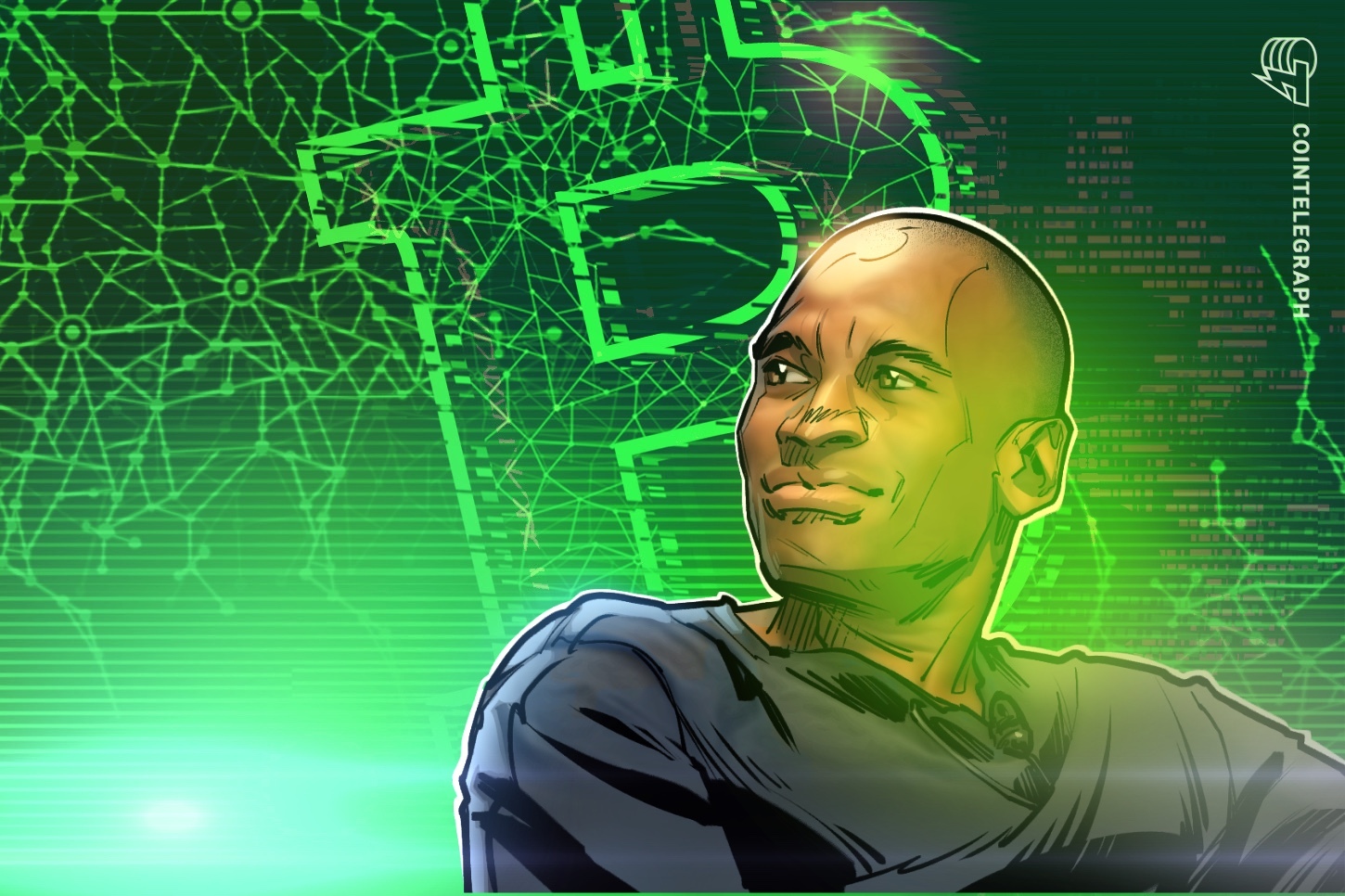
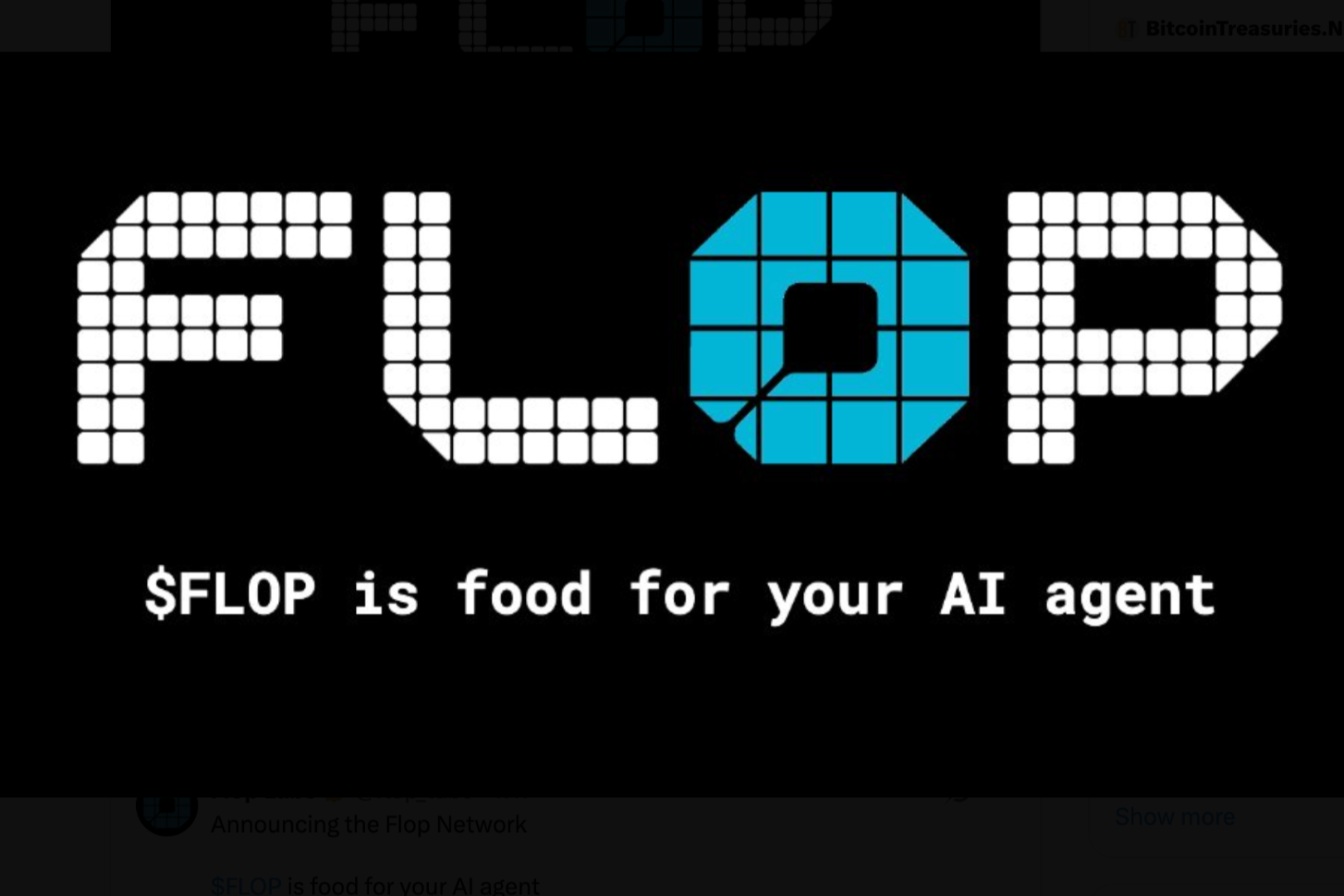
Arthur Hayes, co-founder of BitMEX, has announced his return as head of a new project called Flop Labs, declaring "FLOP is food for your AI agent." This marks his first high-profile return to a leadership role since stepping back from BitMEX. Flop Labs aims to be a native monetary network and verifiable computation settlement layer for the AI Agent economy, distinguishing itself from existing AI Agent projects. Its core concept is "Proof-of-Useful-Inference," which seeks to integrate useful AI inference tasks into the blockchain consensus mechanism, allowing FLOP tokens to serve as the native currency for Agents to purchase computing resources and store memory. The ecosystem involves four key roles: Miners (provide GPU compute), Validators (verify services), Agents (consume services), and KOLs/Partners (community growth). The project promises a 100% fair launch with no presale or VC involvement. A large airdrop is planned for Q4 2026, with the genesis block targeted for Q1 2027. While the announcement has generated community excitement, particularly around the airdrop, the project is in an early conceptual stage. It currently lacks a published whitepaper, detailed tokenomics, technical specifics on its consensus mechanism, or smart contract audits. Arthur Hayes has defended the venture, separating his belief in the potential of the Agentic Economy from concerns about an AI stock bubble. The success of Flop Labs will hinge on its ability to deliver substantive technical progress and ecosystem development in the coming months.

Odaily星球日报08/19 05:51

Arthur Hayes Makes a High-Profile Comeback, Flop Labs Aims to Become the "Fuel" for the Agent Economy

Odaily星球日报08/19 05:51

UAE Halts Trade with Iran Amidst Straits of Hormuz Crisis, Shaking Global Markets

U.S. stock market weakness persisted into Tuesday, hitting the tech sector hard. The Nasdaq fell over 1.2%, led by a ~5% drop in the semiconductor index as investors reassessed lofty AI valuations amid rising long-term Treasury yields. The 30-year yield briefly hit levels not seen since 2007, pressuring assets with distant cash flows. Oil prices remained high, with Brent crude above $90. Disruptions in the Strait of Hormuz, a vital oil chokepoint, continued to strain global energy supplies. The expired U.S.-Iran temporary understanding failed to bring a long-term shipping solution, keeping a geopolitical risk premium in the market. Diesel crack spreads hit record highs, signaling severe physical market tightness. Further escalating regional tensions, the UAE announced a suspension of all trade and financial transactions with Iran, citing threats to peace and security. This move could restrict Iran's access to hard currency and imports. Traditional safe havens like gold struggled as higher bond yields increased their opportunity cost. Bitcoin traded around $64-65K, failing to stage a sustained geopolitical rally and remaining well below its 2025 highs. Markets now face a complex mix of high oil prices, rising yields, and heightened Middle East tensions, moving beyond the "cheap money" narrative to confront the costs of concurrent financial and geopolitical stress.

cryptonews.ru08/19 05:16

UAE Halts Trade with Iran Amidst Straits of Hormuz Crisis, Shaking Global Markets

cryptonews.ru08/19 05:16

活动图片