# Blockchain Related Articles

HTX News Center provides the latest articles and in-depth analysis on "Blockchain", covering market trends, project updates, tech developments, and regulatory policies in the crypto industry.

Companies have begun tokenizing metals - even those not yet mined

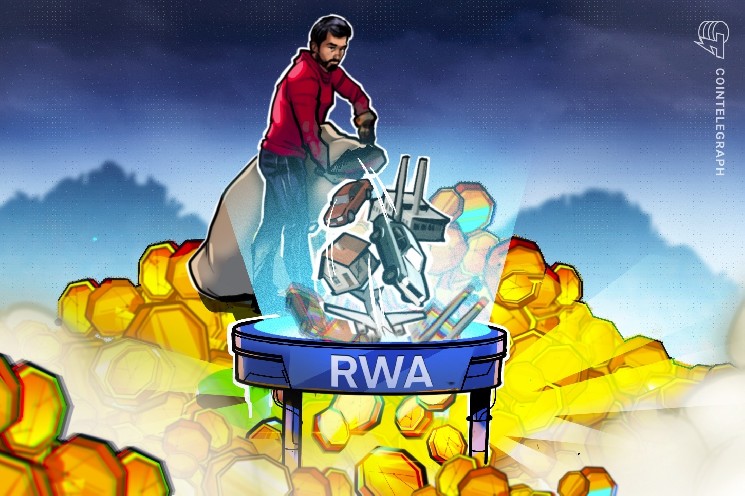
In 2026, mining and tech companies are increasingly launching tokens backed by metals like gold, copper, uranium, nickel, and cobalt to attract crypto investors to the commodities market, reports the FT. These tokenization projects aim to simplify retail investor access to physical metals, allow crypto capital to diversify through real-world assets (RWA), and create a new funding mechanism for mining projects. This trend aligns with the broader adoption of blockchain in traditional finance. However, the tokenized metals market is still nascent. For example, the total value of gold ETFs was around $530 billion last month, while the two largest gold-backed tokens had a combined market cap of only about $4.6 billion. Proponents argue blockchain simplifies access to commodities. Platform Metals.io has issued tokens for uranium, nickel, and cobalt, which can be exchanged for physical metal under certain conditions. Some firms, like Datavault AI, are even tokenizing metals not yet mined, using a model compared to futures contracts. The growth occurs alongside a general RWA expansion, with the total market cap exceeding $43 billion. Yet, risks persist. Challenges include investors needing to understand the origin and quality of physical metals, market fragmentation with tokens traded on different platforms, and a lack of interoperability. Experts warn the market is in early stages but believe blockchain's ability to record information will drive eventual widespread adoption.

cryptonews.ru2 days ago 16:16

Companies have begun tokenizing metals - even those not yet mined

cryptonews.ru2 days ago 16:16

Asia is Becoming a Testing Ground for Stablecoin-Based Payment Systems

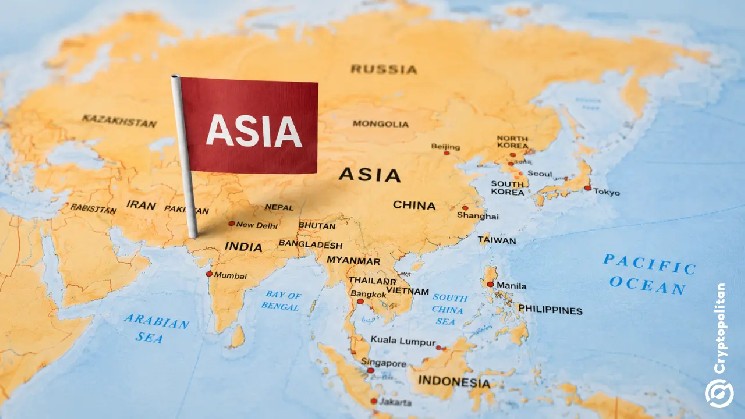
Asia is emerging as the primary testing ground for stablecoin-based payment systems, with Singapore, Hong Kong, and Japan leading the regulatory charge. These jurisdictions are moving from policy consultation to practical implementation, establishing legal frameworks that permit licensed stablecoins for payments and settlements. In 2026, Singapore has authorized major firms like Circle and Coinbase under its digital payment token regime. Hong Kong enacted its Stablecoin Law in 2025, issuing its first two licenses in April 2026. Japan has amended its rules to enhance transaction transparency for crypto exchanges. This regulatory push follows significant existing activity. Hong Kong-based Reap processes about $6 billion annually, with Asia's inter-enterprise stablecoin flows surging from under $100 million monthly in early 2023 to over $3 billion by 2025. The region accounted for $12.5 trillion in stablecoin volume in 2025, with the Singapore-China corridor being the most active. A key insight from a BIS study is that stablecoin transactions are complex; about 60% involve multi-step operations like trading and borrowing, not simple peer-to-peer transfers. This challenges regulators to view stablecoins as programmable settlement tools rather than just digital cash. While progress is uneven—South Korea's legislation is delayed due to debates over issuer eligibility—Asia's advanced banking infrastructure and experience with cross-border finance position it as the natural leader in building the global infrastructure for dollar-denominated stablecoins.

cryptonews.ru2 days ago 12:06

Asia is Becoming a Testing Ground for Stablecoin-Based Payment Systems

cryptonews.ru2 days ago 12:06

活动图片