Industry News

Tracks company news, strategic changes, funding activities, and personnel adjustments across the blockchain and crypto industries, delivering a full-spectrum industry overview for our users.

Token Packages Are Here, Are Telecom Operators in a Hurry?

Major Chinese telecom operators are launching token-based AI computing packages, sparking public debate and highlighting a strategic shift amid slowing traditional revenue growth. In May, Shanghai Telecom introduced token plans (e.g., 9.9 RMB for 10 million tokens), quickly followed by nationwide offerings from China Telecom, China Mobile, and China Unicom. While priced higher than major AI firms like DeepSeek, these packages allow users to access multiple AI models via API using their phone bills, similar to purchasing universal mobile data. The move reflects operators' anxiety as traditional voice, SMS, and data services stagnate. With revenue growth hitting multi-year lows in 2025, AI and computing power represent a critical new frontier. However, current C端 offerings, such as AI photo editing or virtual pets, are seen as non-essential and highlight operators' role as "pipes" or integrators rather than creators of compelling AI products. Beyond consumer packages, operators aim to become key infrastructure players in China’s national computing power network. They position themselves as the "power grid" delivering AI算力, leveraging their vast network of base stations to ensure low-latency, reliable coverage, especially for applications like autonomous driving. This infrastructure role, coupled with unified national调度, could make算力 a ubiquitous utility, driving new consumption scenarios even if mass adoption of token packages remains uncertain.

marsbit05/22 10:15

Token Packages Are Here, Are Telecom Operators in a Hurry?

marsbit05/22 10:15

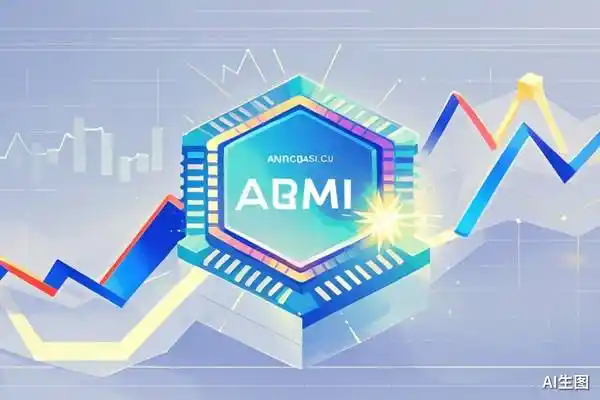
ARM's Stock Price Soars 30% Against the Trend, Is ARM, Now Making AI Chips, Winning Big?

ARM's stock surged over 15% on May 21, 2026, reaching a record high of $259, driven by its strategic pivot beyond its traditional IP licensing business. For over three decades, ARM has profited by licensing chip designs to companies like Apple and Qualcomm, earning mere cents per chip. However, with the mobile market maturing, growth stalled. In March 2026, ARM announced a historic shift: it would design and sell its own finished chips for the first time. Its "AGI CPU," built for AI data centers, targets the growing computational needs of AI Agents—tasks like workflow orchestration and data preprocessing where CPUs are crucial. This move positions ARM directly in the high-value server CPU market, competing with some of its own licensees. Analysts believe the rise of Agentic AI will dramatically increase demand for data center CPUs. Bernstein set a $300 price target, forecasting ARM's annual revenue could reach $26 billion by 2030 as the server CPU market expands. Major customers like Meta and OpenAI have already signed on for the AGI CPU, with committed demand reportedly doubling to over $2 billion within six weeks of launch. While this transformation offers massive upside, risks remain. ARM's valuation is extremely high (P/E ~300), pricing in future success. The company must also navigate potential conflicts with existing partners and execute flawless chip manufacturing. Nevertheless, Wall Street is betting that ARM's move from a "tax collector" to an AI infrastructure provider could redefine its growth trajectory for the AI era.

marsbit05/22 04:08

ARM's Stock Price Soars 30% Against the Trend, Is ARM, Now Making AI Chips, Winning Big?

marsbit05/22 04:08

An 80s-Born from Tianjin, Set to Become the First Human on a Journey to Mars

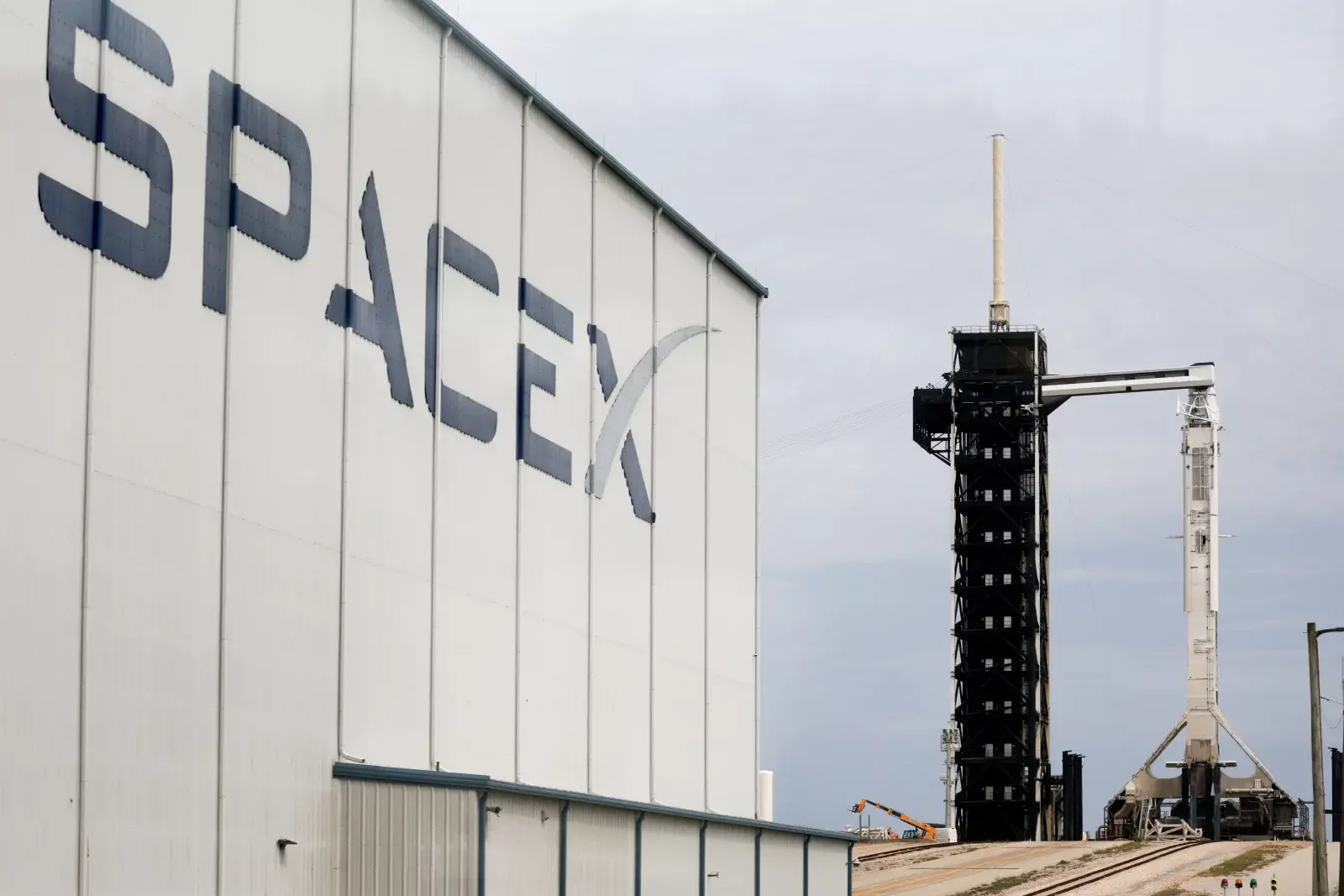
Chun Wang, an 80s-born native of Tianjin, is set to become the first person to journey to Mars. SpaceX recently announced that Wang, co-founder of F2Pool and commander of the Fram2 mission, will travel on Starship for a historic two-year deep-space mission to fly by Mars (without landing) and return to Earth. Prior to this, he will also participate in a week-long commercial crewed mission around the Moon. Wang's passion for exploration began in childhood. After university, he embarked on extensive travels, eventually visiting every province in China by train and earning the nickname "Thousand High-Speed Rail Man." His interest in technology led him to programming and, in 2011, to Bitcoin. He purchased his first bitcoin at $8.70 and later co-founded F2Pool, one of the world's largest mining pools, in 2013. The success of his cryptocurrency ventures provided the wealth that later funded his ambitious projects. Having reached both the South and North Poles, Wang sought new frontiers. Inspired by SpaceX's advancements, he conceived and funded the private Fram2 mission in 2025. As mission commander, he led an all-civilian, non-American crew on a unique polar orbit flight aboard a Crew Dragon spacecraft, conducting scientific experiments and capturing unprecedented views of Earth's poles. Now, his journey continues toward the ultimate destination. From his current location on the remote Bouvet Island near Antarctica, Wang prepares for the next steps: a lunar flyby and humanity's first crewed mission to the vicinity of Mars.

Odaily星球日报05/22 03:58

An 80s-Born from Tianjin, Set to Become the First Human on a Journey to Mars

Odaily星球日报05/22 03:58

Insider: DeepSeek Is Forming a Harness Team to Benchmark Against Claude Code

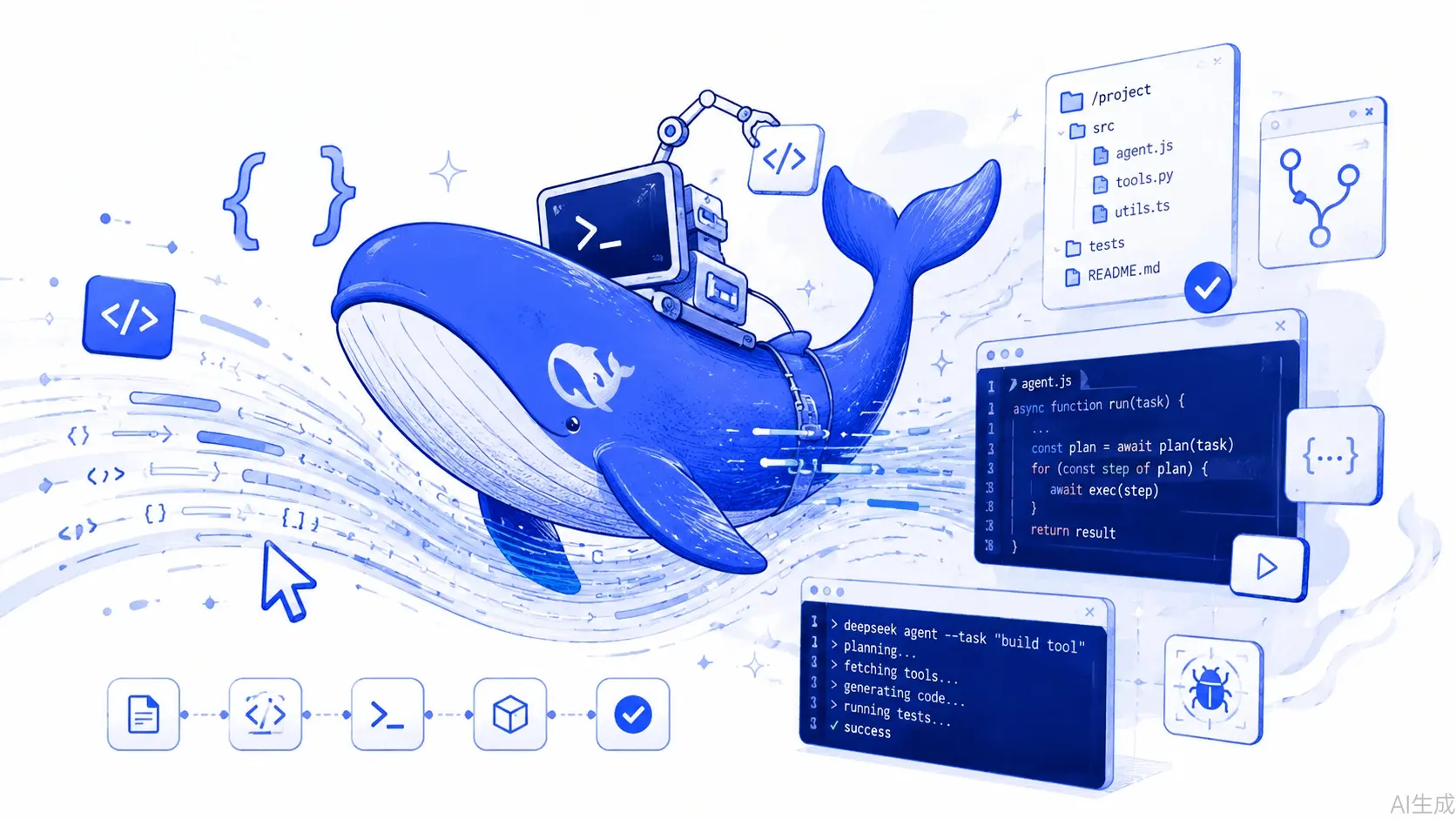
DeepSeek is reportedly forming a dedicated "Harness" team to develop a code agent product, directly targeting Anthropic's Claude Code. According to internal sources and a social media post by DeepSeek senior researcher Chen Deli, the team will focus on building "DeepSeek Code Harness." The initiative involves recruiting for key roles like Harness Product Manager and Harness R&D Engineer in Beijing. DeepSeek defines its approach with the core formula: Model + Harness = Agent. This signifies a strategic shift from merely offering a powerful coding model to creating the essential middleware that connects the model to real-world developer workflows. The Harness will handle context management, tool calls, task planning, file operations, code editing, terminal execution, and feedback loops. The move highlights that competition in AI-assisted coding is evolving from pure model capability to ownership of the developer workflow entry point. While DeepSeek has strong foundational models (e.g., DeepSeek-Coder series), it has lacked an integrated, productized agent experience. The popularity of a community-built project, DeepSeek-TUI, demonstrated developer demand for a Claude Code-like tool using DeepSeek's models, but also revealed the limitations of unofficial solutions. By building its official Code Harness, DeepSeek aims to leverage its unique advantages: direct collaboration with its model training team, control over APIs and design, the ability to create a data feedback loop for model improvement, and access to real internal task scenarios. This step is seen as crucial for DeepSeek to transform its advanced models into a leading agent product that can deeply integrate into and enhance the actual software development process.

链捕手05/22 02:14

Insider: DeepSeek Is Forming a Harness Team to Benchmark Against Claude Code

链捕手05/22 02:14

AI Server Power Supply Undergoes Major Transformation, ADI Bets Big with a $1.5 Billion Investment

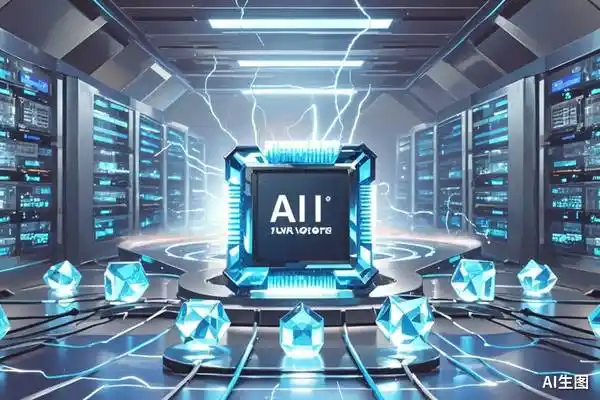
**Title: AI Server Power Supply Undergoes Major Shift as ADI Makes $1.5 Billion Bet** **Summary:** Analog Devices Inc. (ADI) has announced a definitive agreement to acquire Empower Semiconductor in an all-cash transaction valued at approximately $1.5 billion. This move highlights the critical and growing importance of advanced power delivery technologies in the era of data-intensive AI computing. The acquisition targets Empower's key technologies that address fundamental power challenges in high-performance AI data centers: **Integrated Voltage Regulators (IVR)**, which integrate dozens of discrete components into a single IC for high density and nanosecond transient response; **ECAP Silicon Capacitors (SiCaps)**, offering ultra-low ESL/ESR for high-frequency filtering; **Vertical Power Delivery (VPD)** architecture, which reduces transmission distance and losses; and the overarching **FinFast** technology platform. ADI's strategy aims to fill the "last millimeter" gap in power delivery from the board level to directly beneath the processor die. The deal follows ADI's recent product launches and strategy focused on AI data center power, including µModule solutions, SiC switches, and 800V high-voltage DC systems. The article details the industry-wide trend towards higher integration and VPD to manage soaring GPU/accelerator power demands, now reaching kilowatt levels per card. It examines the three evolutionary stages of AI power: traditional lateral power delivery, VPD, and ultimately substrate-integrated voltage regulators (SIVR). Competitors like Infineon, MPS, Vicor, and TDK are also advancing VPD solutions, while companies like Murata, Samsung Electro-Mechanics, and Rohm are leading in silicon capacitor development. In conclusion, as AI server power consumption escalates dramatically, technologies like IVR, SiCaps, and VPD are becoming essential for efficient power delivery within constrained spaces. ADI's significant investment signals an urgent industry need for innovation in this domain.

marsbit05/22 00:38

AI Server Power Supply Undergoes Major Transformation, ADI Bets Big with a $1.5 Billion Investment

marsbit05/22 00:38

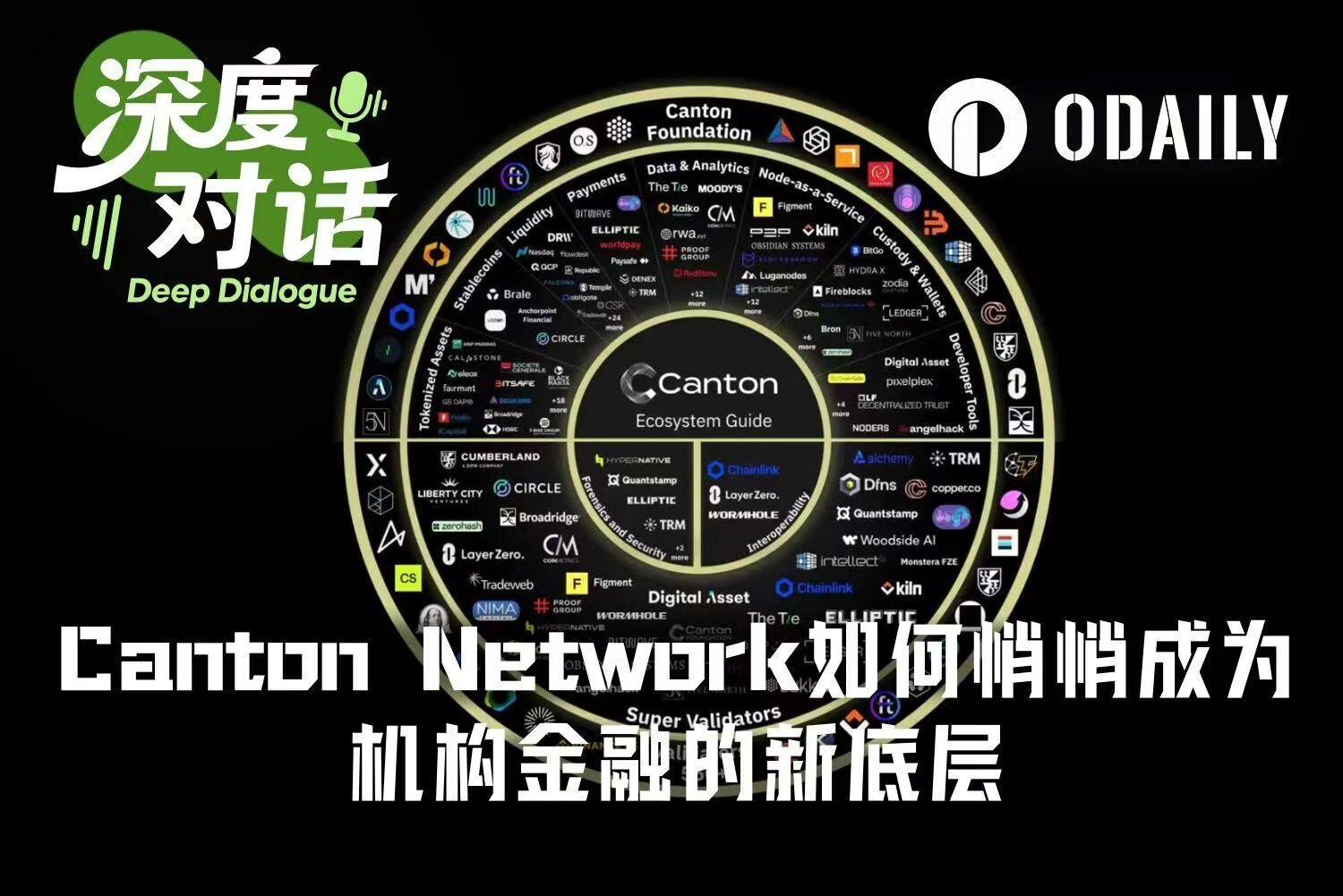
Putting Markets On-Chain: Canton Network Quietly Becoming the New Backbone for Institutional Finance

Canton Network: A New Institutional Financial Infrastructure Emerges Visa's rapid three-day approval as a super-validator on Canton Network in March 2026 marks a significant institutional endorsement. Unlike public blockchains like Ethereum, which prioritize transparency, Canton is designed for regulated financial institutions. Its core innovation is built-in data visibility control, where transaction details are only visible to direct participants. This enables institutions like Goldman Sachs, JPMorgan, and DTCC to conduct private, secure business on-chain without exposing sensitive strategies or positions. Canton, developed by Wall Street-focused Digital Asset, emphasizes slow, methodical development to meet stringent institutional requirements. Current on-chain activity, exceeding $9 trillion monthly, involves real balance-sheet operations like tokenized repos, treasury settlements, and collateral movement—not retail speculation. Key applications include JPMorgan's deposit token (JPM Coin), DTCC's U.S. Treasury tokenization, and Visa-enabled atomic settlement, aiming to synchronize asset delivery and payment instantly. The network's CC token is a utility asset, with value tied to real financial activity volume. It features no pre-mine or VC allocations, aligning with institutional preferences for transparency. Canton's 3–5 year vision is to become an "invisible" foundational layer for global finance—facilitating real-time cross-border capital flows, institutional stablecoin settlement, and native on-chain operations for major asset classes. While regulatory harmonization and legacy system integration remain challenges, Canton represents a pragmatic shift towards embedding markets themselves into blockchain infrastructure.

Odaily星球日报05/21 17:50

Putting Markets On-Chain: Canton Network Quietly Becoming the New Backbone for Institutional Finance

Odaily星球日报05/21 17:50

USDC Begins Nested Issuance, Coinbase Launches Custom Stablecoin Branding Service

Coinbase has launched its "Custom Stablecoins" platform, enabling businesses to offer branded stablecoins. The first client is Flipcash, a social payments app, which has introduced USDF. USDF is a Solana-based stablecoin, pegged 1:1 to USDC, and is designed to serve as a stable pricing and settlement unit for Flipcash's user-created community currencies. This move shifts the focus of stablecoins from being standalone assets or investment products to becoming embedded payment and settlement components within broader applications. For businesses like Flipcash, the core need is not to become a stablecoin issuer, but to integrate stable, reliable digital cash functionality—handling pricing, payments, and settlements—without managing the complex underlying infrastructure of issuance, reserves, on-chain contracts, fiat on-ramps, and compliance. Coinbase's platform provides this infrastructure as a service, positioning the exchange as a stablecoin infrastructure provider. While USDC remains the foundational reserve asset, the branded token (e.g., USDF) offers applications a tailored, user-facing financial tool. This development highlights a potential path for stablecoins to become ubiquitous backend utilities in social, gaming, and e-commerce applications, though it also brings significant regulatory and operational complexities associated with handling real user funds.

链捕手05/21 15:07

USDC Begins Nested Issuance, Coinbase Launches Custom Stablecoin Branding Service

链捕手05/21 15:07

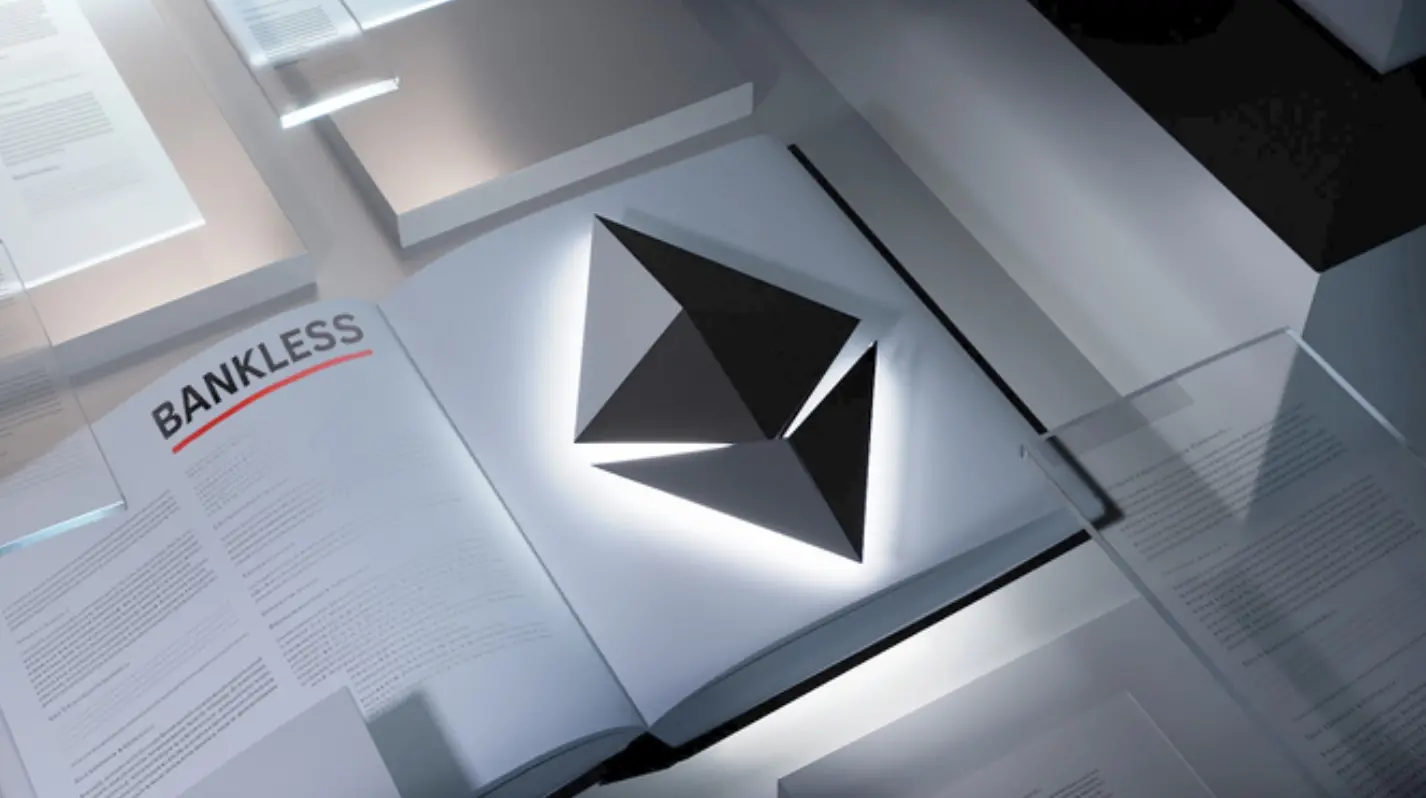
It's Bankless That Needs Ethereum, Not Ethereum That Needs Bankless

Titled "Bankless Needs Ethereum, Not the Other Way Around," this article analyzes the significant recent news involving Bankless, a prominent crypto media outlet. Bankless co-founder David Hoffman announced the sale of all his ETH holdings, while the company also reportedly underwent major layoffs, with its founders parting ways. The news, likened to a high-profile defection, initially sent shockwaves through the Ethereum community, given Bankless's historical role as a key evangelist and "semi-official" narrative builder for Ethereum. For years, through its podcasts and writings, Bankless championed core Ethereum ideas like "ultrasound money" and the blockchain's role as a new financial settlement layer, acting as a crucial community hub and belief system during its growth phase. However, the article argues this development is not necessarily negative for Ethereum. It suggests Bankless's "first mission"—serving as Ethereum's passionate, inward-facing "propaganda department"—has largely been completed. As Ethereum matures and moves towards mainstream, institutional adoption, the narrative baton has shifted. Today, the value propositions of ETH are increasingly communicated to traditional finance by asset managers like BlackRock and VanEck, public companies adding ETH to their treasuries, and established financial figures. This represents a natural evolution towards a more decentralized, professional, and institutionally-focused narrative network. Therefore, while Bankless's retreat marks the end of an era, it signifies Ethereum's growing resilience and its reduced reliance on any single entity for belief, as its story is now carried forward by a broader and more mature ecosystem of advocates.

链捕手05/21 13:59

It's Bankless That Needs Ethereum, Not Ethereum That Needs Bankless

链捕手05/21 13:59

活动图片