After Senate Delay, Crypto Bill Faces Narrow Window for Passage

cryptonews.ruPublished on 2026-08-11Last updated on 2026-08-11

Abstract

The crypto market structure bill, CLARITY, faces a narrow path to passage after Senate delays. A key procedural vote is expected when the U.S. Senate returns in September, but lawmakers have only 36 scheduled working days left before the end of the year to resolve contentious issues. These include ethics provisions related to Donald Trump's digital asset ties and staking rewards rules. The bill, passed by the House over a year ago, has faced government shutdowns and opposition from Democrats concerned about "crypto corruption." Even if the procedural hurdle is cleared, limited time remains for final negotiations before the election recess. Post-election turnover could further complicate its passage. Amidst the legislative uncertainty, regulatory agencies like the SEC and CFTC have signaled they are prepared to establish crypto rules if Congress fails to act, with both agencies taking steps to coordinate oversight.

Following the U.S. Senate's return in September, a vote is expected to end debate on the Cryptocurrency and Digital Asset Market Structure Act (CLARITY), but it still faces significant hurdles on the path to passage.

Shortly before the Senate adjourned for a month-long recess last week, Majority Leader John Thune filed a cloture motion on the market structure bill to bring it to the floor for consideration. Lawmakers will return from recess on September 14th, but they have only 14 scheduled session days before the next break for the November elections, and another 22 days before the end of the year.

Within this 36-day window for passing CLARITY, many crypto industry advocates have publicly expressed optimism about the bill's prospects in Congress, but lawmakers have yet to announce agreement on many provisions that remain contentious. These include ethics provisions addressing U.S. President Donald Trump's ties to digital assets, as well as additional restrictions for crypto companies offering staking rewards in stablecoins.

The Senate has had 13 months to consider CLARITY since the House passed it last year. During that time, the Senate has faced several government shutdown threats, opposition from industry leaders, and pushback from many Democrats who argued the then-version of the bill enabled what they called Trump's "crypto corruption."

Related: Crypto Industry Will Be 'Just Fine' If CLARITY Fails: Chris Perkins

If the Senate holds a cloture vote in September, lawmakers will still have only a few days to resolve issues related to the bill before a potential floor vote and the pre-election recess. After November, when 33 Senate seats and all 435 House seats are up for grabs, the midterm election results could complicate the bill's discussion, as many members of Congress may leave their posts in 2027.

Will U.S. Regulators Act Amid Legislative Uncertainty?

With the market structure bill once again in limbo for at least a month, many experts are looking to financial agencies like the Commodity Futures Trading Commission (CFTC) and the Securities and Exchange Commission (SEC) for regulatory clarity. The bill is expected to grant the CFTC greater authority to oversee digital assets and enforce relevant rules, but while it remains under consideration, the agencies have indicated they will act if Congress does not.

In a July interview, SEC Chair Paul Atkins stated that the agency "stands ready, willing, and able to write rules" to regulate cryptocurrencies if Congress does not pass CLARITY. Similarly, CFTC Chairman Michael Selig said in April that the commission "stands ready to take on the responsibility" of overseeing crypto markets, though his comments were contingent on lawmakers passing the market structure bill. Both agencies have taken steps to coordinate oversight of financial markets.

Magazine: BIP-110 Ended with a Whimper, CLARITY Vote Delayed: Hodler's Digest, Aug. 9

end-content

Trending Cryptos

Related Questions

QWhat is the main challenge facing the CLARITY Act in the U.S. Senate despite a planned cloture vote in September?

ADespite a planned cloture vote in September, the CLARITY Act faces significant hurdles. Legislators have only a narrow 36-day legislative window before the end of the year to resolve several contentious issues, including ethics provisions related to former President Trump's digital asset dealings and new restrictions on stablecoin reward programs. Furthermore, significant Democratic opposition remains, arguing the bill facilitates what they call Trump's 'crypto-corruption.'

QHow much legislative time does Congress have left to pass the CLARITY Act before the end of the year after the summer recess?

AAfter returning from recess on September 14, Congress has only 14 scheduled workdays before the pre-election break in November. Combined with the 22 scheduled workdays left for the remainder of the year after that, lawmakers have a total of approximately 36 days within the legislative calendar to advance and potentially pass the CLARITY Act before the year ends.

QWhy did some Democrats oppose earlier versions of the CLARITY Act?

AMany Democrats opposed earlier versions of the CLARITY Act because they argued it created conditions for what they termed the 'crypto-corruption' of former President Donald Trump. The bill's ethics provisions, which relate to Trump's connections with digital assets, were a point of significant controversy.

QWhat are U.S. financial regulators prepared to do if Congress fails to pass the CLARITY Act?

AIf Congress fails to pass the CLARITY Act, U.S. financial regulators like the SEC and CFTC have indicated they are prepared to step in. SEC Chairman Paul Atkins stated the agency is 'ready, willing, and able to craft rules' for crypto regulation, while CFTC Chairman Michael Selig said the commission is 'ready to take on the responsibility' of overseeing crypto markets. Both agencies have taken steps to coordinate their oversight efforts in the absence of legislation.

QHow could the upcoming November midterm elections impact the future of the CLARITY Act debate?

AThe November midterm elections could complicate the CLARITY Act debate. With 33 Senate seats and all 435 House seats up for election, the political composition of the next Congress may change. Furthermore, many current members of Congress may be leaving their seats, potentially resetting the legislative process and making it more difficult to reach an agreement on the bill in the new session starting in 2027.

Related Reads

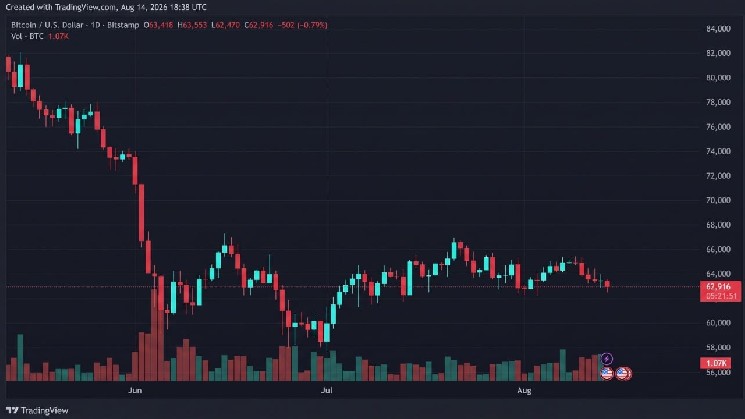
Bitcoin Price Drops to $62,470 as Sellers Retest $63,000 Support Level

Bitcoin's price fell below $63,000 for a second consecutive day on Friday, hitting an intraday low of $62,470. The cryptocurrency later recovered to trade just above $63,000, leaving it nearly flat for the past 24 hours and for August overall, with a weekly loss of 2.6%. The volatility triggered significant liquidations, with $26 million of leveraged long Bitcoin positions liquidated over 24 hours. Market sentiment was further dampened by data showing over $131 million in outflows from spot Bitcoin ETFs for a second straight day, signaling a potential pullback by institutional investors. Adding to the negative pressure, index provider MSCI has proposed new criteria for "non-operating companies" in its global indexes, which could lead to the exclusion of firms holding significant digital assets like Bitcoin on their balance sheets. Companies such as Strategy and Metaplanet could be affected, potentially forcing index-tracking funds to sell their shares. Strategy publicly criticized the proposal, arguing digital assets are legitimate assets and index providers should not dictate what companies can own. Public consultations on MSCI's proposal end September 30, with a final decision expected by October 16. If approved, exclusions could begin in November, potentially triggering sustained institutional selling and damaging a key bridge for Bitcoin adoption in the corporate sector.

cryptonews.ru58m ago

Bitcoin Price Drops to $62,470 as Sellers Retest $63,000 Support Level

cryptonews.ru58m ago

Trading

Spot

Hot Articles

How to Buy BILL

Welcome to HTX.com! We've made purchasing Billions Network (BILL) simple and convenient. Follow our step-by-step guide to embark on your crypto journey.Step 1: Create Your HTX AccountUse your email or phone number to sign up for a free account on HTX. Experience a hassle-free registration journey and unlock all features.Get My AccountStep 2: Go to Buy Crypto and Choose Your Payment MethodCredit/Debit Card: Use your Visa or Mastercard to buy Billions Network (BILL) instantly.Balance: Use funds from your HTX account balance to trade seamlessly.Third Parties: We've added popular payment methods such as Google Pay and Apple Pay to enhance convenience.P2P: Trade directly with other users on HTX.Over-the-Counter (OTC): We offer tailor-made services and competitive exchange rates for traders.Step 3: Store Your Billions Network (BILL)After purchasing your Billions Network (BILL), store it in your HTX account. Alternatively, you can send it elsewhere via blockchain transfer or use it to trade other cryptocurrencies.Step 4: Trade Billions Network (BILL)Easily trade Billions Network (BILL) on HTX's spot market. Simply access your account, select your trading pair, execute your trades, and monitor in real-time. We offer a user-friendly experience for both beginners and seasoned traders.

3.2k Total ViewsPublished 2026.05.07Updated 2026.06.02

How to Buy BILL

Discussions

Welcome to the HTX Community. Here, you can stay informed about the latest platform developments and gain access to professional market insights. Users' opinions on the price of BILL (BILL) are presented below.

活动图片