Tom Lee的ETH观点承压,以太坊能否在第三季度继续跑赢比特币?

ambcryptoPublished on 2026-07-08Last updated on 2026-07-08

Abstract

汤姆·李(Tom Lee)对以太坊(ETH)的看涨观点在第三季度初似乎时机得当。其主要依据是CLARITY法案通过概率升至约50%,可能为以太坊带来监管利好,推动ETH/BTC比率在连跌三季后反弹近5%。与此同时,BitMine持续增持ETH,而Michael Saylor的微策略(Strategy)则出售了部分比特币(BTC),引发了关于企业资产配置应偏向ETH还是BTC的讨论。 然而,以太坊的基本面仍显疲软:其DeFi总锁仓价值(TVL)远低于前期高点,稳定币供应量在第三季度初亦出现下降。另一方面,比特币获得了强劲的机构资金流入支撑,例如贝莱德(BlackRock)在连续卖出后重启大规模买入。这表明市场对ETH的定价已部分透支政策预期,而其链上活跃度尚未跟上。 当前局面微妙:ETH凭借政策乐观情绪上涨,而BTC则享有坚实的机构需求支撑。除非以太坊的链上活动显著复苏,否则ETH/BTC在第三季度余下时间要维持涨势可能面临挑战。总体而言,优势仍略微倾向于比特币一边。

Tom Lee进入第三季度时对以太坊的坚定信念,现在看来像是一次时机精准的操作。

就背景而言,BitMine Immersion最近又增持了42,197枚ETH,使其持有量超过574万枚ETH。

另一方面,Michael Saylor的MicroStrategy出售了3,588枚BTC,随着第三季度的展开,这为关于ETH与BTC作为国库储备资产的争论增添了一抹有趣的色彩。

值得注意的是,这场争论不仅仅在社交媒体上上演。

如下图所示,ETH/BTC比率在经历了连续三个季度的下跌后,于第三季度开局上涨近5%。这表明ETH相对于BTC正开始重新获得强势,支持了Tom Lee继续积累以太坊的决定。
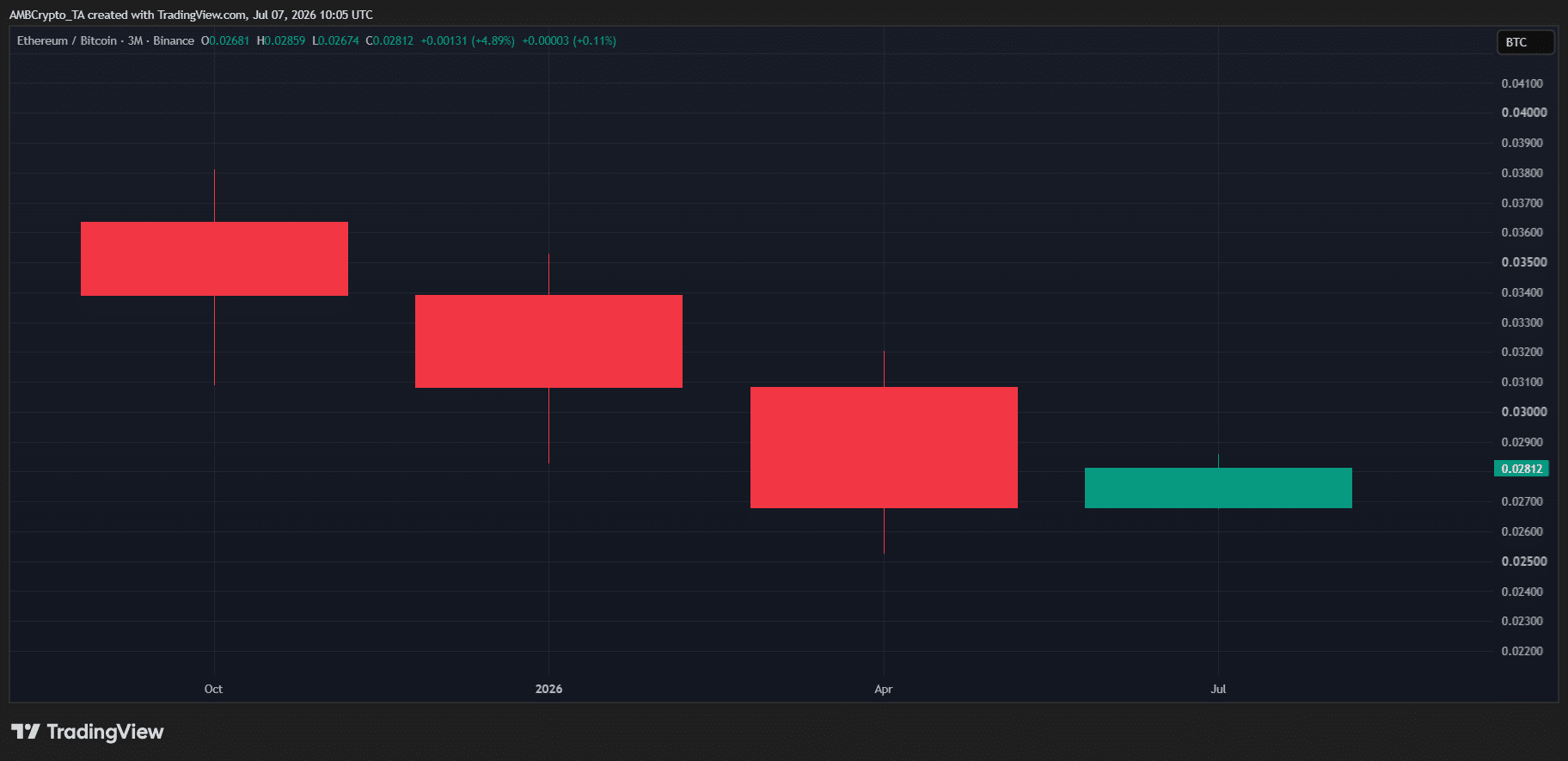
来源: TradingView (ETH/BTC)

然而,Tom Lee的信念并非仅仅基于期望。

BitMine最近在X上发帖称,《清晰度法案》通过几率上升是其不断增加ETH头寸的主要原因。

据该公司称,预测市场目前认为《清晰度法案》通过的概率约为50%,为两周来最高水平。BitMine认为,随着智能合约平台更深入地融入日常金融,监管的明确性将成为以太坊的一个重要催化剂。

因此,从BitMine的角度来看,近期ETH/BTC比率的上升只是反映了市场对《清晰度法案》成为法律的更高预期。

自然,现在更大的问题是,这种重新定价是否还有进一步的空间。ETH能否在整个第三季度继续跑赢BTC,还是BitMine看涨以太坊 [ETH] 的观点已经领先于基本面?

随着比特币重拾势头,以太坊能否保持领先?

BitMine对ETH的增持是基于以太坊长期的去中心化金融故事。

但链上数据显示,这一叙事尚未完全兑现。

根据DeFiLlama的数据,以太坊的DeFi活动仍远低于之前的高点。总锁仓价值(TVL)仍低于400亿美元,而去年十月回调前大约在890-900亿美元。

与此同时,以太坊在第三季度开始时,其稳定币供应量较6月底的约1,600亿美元减少了超过50亿美元。

换句话说,市场在以太坊链上基本面尚未跟上的情况下,就已经在对《清晰度法案》进行定价。

更添挑战的是,贝莱德已恢复购买比特币,在连续11天净流出后,录得超过2.09亿美元的净流入。此举表明在ETH链上基本面仍然滞后的情况下,市场对比特币的信心有所恢复。
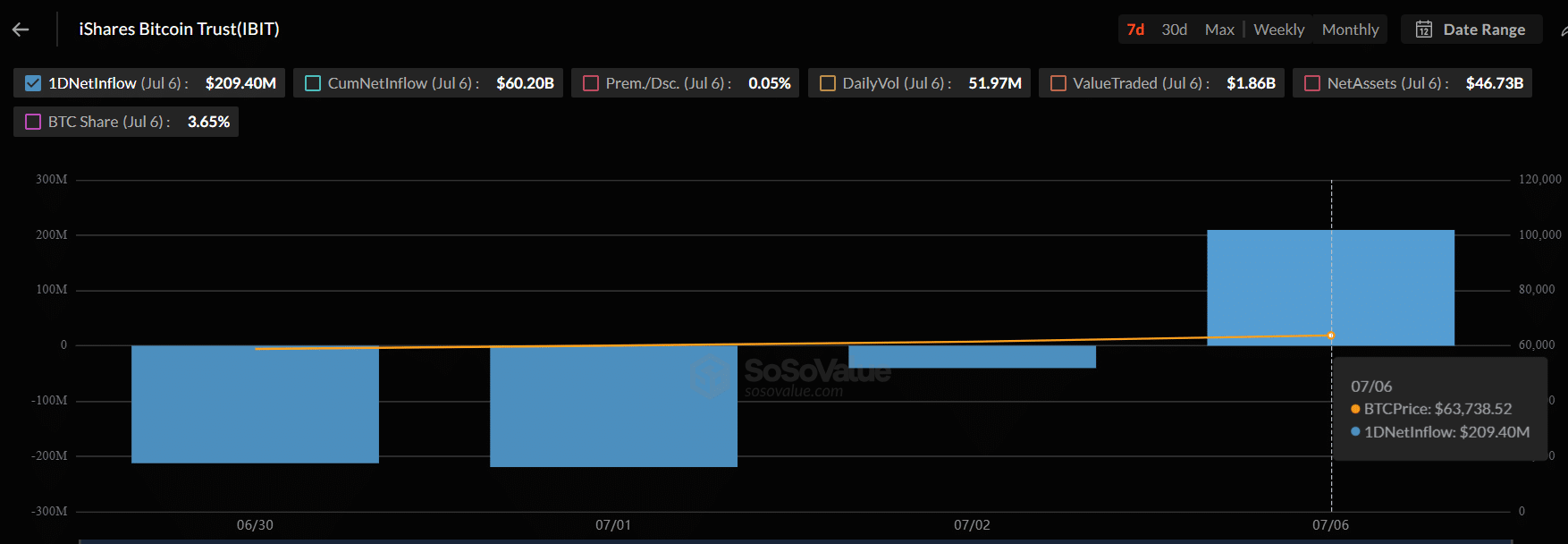
来源: SoSoValue

在此背景下,Tom Lee的ETH观点显得越来越雄心勃勃。

尽管MicroStrategy出售了BTC,比特币仍维持在约64,000美元附近,这表明贝莱德的买入足以吸收这些抛售供应。这使得ETH与BTC作为国库储备的争论势均力敌——以太坊有政策乐观情绪支撑,而比特币则继续受益于强劲的机构需求。

因此,天平仍然倾向于比特币一方。

ETH/BTC因《清晰度法案》的"预期"而上涨,但以太坊的链上活动并未跟上。与此同时,比特币正迎来新的机构资金流入。除非以太坊的DeFi指标开始复苏,否则维持ETH/BTC在第三季度初的势头可能会很困难。


最终总结

  • ETH/BTC因《清晰度法案》的乐观预期而上涨,但以太坊的DeFi活动尚未跟上。
  • 贝莱德正在重新购买BTC,这为比特币提供了更强的支撑,使得ETH/BTC在第三季度继续保持超额表现更加困难。

Trending Cryptos

Related Questions

Q根据文章,Tom Lee的以太坊投资论调在当前面临哪些主要压力?

A文章指出,Tom Lee的以太坊投资论调面临两个主要压力:一是尽管ETH/BTC汇率因CLARITY法案的乐观预期而上涨,但以太坊的链上DeFi活动(如总锁仓价值TVL低于400亿美元且稳定币供应量下降)尚未同步恢复,基本面未能跟上价格;二是比特币正获得BlackRock等机构的重新买入,其强劲的机构需求为比特币提供了更强支撑,这使得ETH想在第三季度持续跑赢BTC变得困难。

Q文章中提到的BitMine Immersion增持ETH和Strategy出售BTC,对ETH与BTC的辩论有何影响?

ABitMine Immersion增持了42,197枚ETH,使其持有量超过574万枚,这体现了其看好以太坊长期发展的信心。而Michael Saylor的Strategy公司则出售了3,588枚BTC。这两项行动引发并加剧了关于企业国库应选择ETH还是BTC的辩论。文章指出,这使得ETH(基于政策乐观)与BTC(基于持续的机构需求)之间的辩论更加势均力敌。

QCLARITY法案对以太坊(ETH)的市场预期产生了什么影响?

ACLARITY法案通过的可能性(预测市场显示约50%)被视为以太坊的主要催化剂。BitMine认为,该法案若能通过,将为以太坊等智能合约平台提供监管清晰度,从而更深入地融入日常金融。市场正基于这种政策乐观预期对ETH进行重新定价,这也是近期ETH/BTC汇率上涨约5%的主要原因。

Q与以太坊相比,比特币(BTC)在第三季度初展现出哪些优势?

A比特币在第三季度初展现出以下优势:1. 尽管有策略公司出售BTC,但价格仍稳定在约64,000美元,显示出强劲的买方承接力。2. BlackRock在连续11天卖出后恢复买入比特币,录得超过2.09亿美元的净流入,这表明机构对比特币的信心重燃。3. 文章认为,在以太坊链上基本面滞后的背景下,这种持续的机构需求使天平更倾向于比特币。

Q文章总结部分认为,ETH/BTC汇率在第三季度能否持续上涨的关键是什么?

A文章在总结部分指出,ETH/BTC汇率能否在第三季度持续上涨的关键在于:以太坊的DeFi链上基本面(如总锁仓价值TVL和稳定币供应量)能否开始复苏。目前,ETH/BTC的上涨主要依赖于对CLARITY法案的“预期”,而比特币则拥有机构资金流入的实际支撑。如果以太坊的链上活动不能跟上,其相对比特币的强势表现将难以维持。

Related Reads

Collateral Dollars: How Does a 'Second-Layer Dollar' Above Stablecoins Form?

Collateral Dollars: How Does a "Second Layer of Dollars" Form on Top of Stablecoins? Most assume stablecoins replicate Eurodollar functions, expanding the offshore dollar system. However, stablecoins primarily replace specific functions like operational dollar balances for settlement. They do not inherently create new dollar credit; they substitute existing claims. The key question is: what happens when financial intermediaries use stablecoins as collateral to create a new layer of dollar-denominated claims? This "collateral dollar" channel operates through secured lending, not direct money creation. A money-like event only occurs when a liability issued against the controlled stablecoin is funded, rolled over, or accepted at near-par value by another balance sheet. The discount (haircut) prices the gap between "effective control over the token" and "reliable convertibility to bank dollars." Elasticity stems not from the stablecoin itself but from the liability issued against it and the willingness of third-party balance sheets to treat that liability as a near-par asset. Compared to the traditional Eurodollar system—where elasticity originates from bank deposit creation—the stablecoin collateral chain is structurally different. Eurodollar deposits are credit-expansive from inception. Stablecoins are initially substitutive; elasticity emerges later if an intermediary's liability against them gains monetary acceptance. Stablecoins disrupt specific tiers of the offshore dollar system, mainly replacing operational settlement balances. They do not replace the need for full dollar balance-sheet capacity (credit lines, hedging, maturity transformation). For systemic impact, the second-layer liability must pass three tests: transferability, funding capacity, and monetary acceptance (being fundable or held at par by others). Pressure transmission also differs. In the Eurodollar system, stress moves up a hierarchy of claims. In a stablecoin collateral chain, the second-layer liability can lose its money-like status well before the underlying stablecoin faces a run, often triggered by haircut increases and margin calls that create a dynamic spiral of falling token prices and rising discounts. In conclusion, the "collateral dollar" is not the stablecoin itself. It is the second-layer liability issued against a controlled token balance that is willing to be funded and maintained at near-par value. Its existence depends on that liability surviving the leap from "token liquidity" to "bank dollar liquidity."

marsbit1h ago

Collateral Dollars: How Does a 'Second-Layer Dollar' Above Stablecoins Form?

marsbit1h ago

Trading

Spot

Hot Articles

Discussions

Welcome to the HTX Community. Here, you can stay informed about the latest platform developments and gain access to professional market insights. Users' opinions on the price of S (S) are presented below.

活动图片