值 BTC 新高,祭铭文时代之终结

深潮Published on 2025-07-14Last updated on 2025-07-14

本文将从串联多个铭文协议的创新与局限,探讨为何这个曾经风光无两的赛道,颇为快速的走向了如今的终点。

撰文:十四君

「The Times 03/Jan/2009 Chancellor on brink of second bailout for banks.」 ——这句刻在比特币创世区块中的话,见证了一个时代的开始。

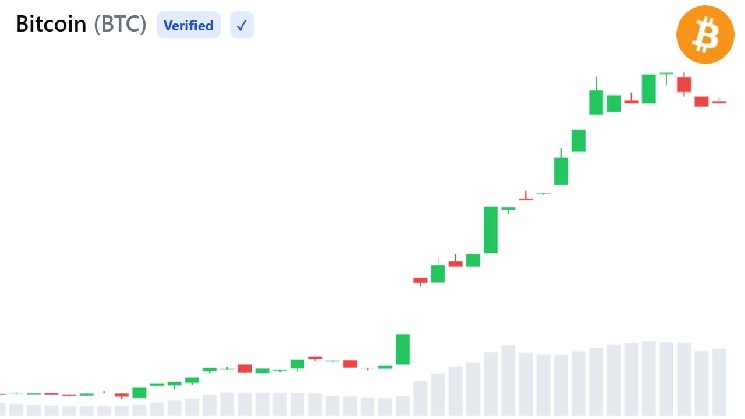
而如今,当比特币屡创新高之际,我们也正在见证另一个曾经辉煌时代的终结——铭文与符文

从 2023 年初 Ordinals 协议的横空出世,到 BRC20 的疯狂炒作,再到 Runes、Atomical、CAT20、RGB++、Alkanes 等协议的轮番登场,比特币生态经历了一场史无前例的「铭文革命」。

它们都在试图让比特币从单纯的价值存储工具,成为能够承载各种资产协议的底层平台。

然而,当狂欢散去底色渐现,我们不得不面对一个残酷的现实:铭文协议的根本性局限,注定了这场美丽的郁金香泡沫。

作为一个从技术角度深度参与铭文协议开发的实践者,手搓过每个协议的底层实现,笔者见证了这个生态从萌芽到爆发,再到如今的理性回归。

本文将从串联多个铭文协议的创新与局限,探讨为何这个曾经风光无两的赛道,颇为快速的走向了如今的终点。

1、铭文协议的演进链条

1.1、Ordinals 协议:铭文时代的开端

开启了比特币「铭文时代」的第一把钥匙。通过对每个聪进行编号,并利用提交揭示技术原理,实现了任意数据的链上存储。

UTXO 模型与 NFT 概念的结合,用聪诞生的序号作为定位标识,让每个聪都能承载独特的内容。

从技术角度看,Ordinals 的设计比较优雅,与比特币原生模型完美兼容,实现了数据的永久存储。

然而,只是写数据这点也是其局限,无法满足当时市场对 BTC+ 其他资产「发行」这一核心需求的强烈渴望。

1.2、BRC20 协议:商业突破与共识陷阱

在 Ordinals 奠定的技术基础上,BRC20 通过标准化的内容格式,为链上数据注入了灵魂——让原本静态的铭文「活了起来」。

它定义了 deploy-mint-transfer 的完整资产生命周期,将抽象的数据转化为可交易的资产,首次实现了比特币上的同质化代币发行,满足了市场对「发行」的刚需,引爆了整个铭文生态。

但其账户模型与比特币的 UTXO 模型存在根本性冲突,用户必须先铭刻 transfer 铭文,再进行实际转账,造成多笔交易才能完成一次转移。

更重要的是,BRC20 的根本性缺陷在于它只是将「某些数据」绑定,却完全无法共享其共识力量。一旦链下索引器停止支持,所有的所谓「资产」都会瞬间变成无意义的垃圾数据。

这种脆弱性在重复聪事件中暴露无遗——当同一个聪上出现多个资产时,协议方集体修改了标准,意味着整个生态的共识实际上被掌握在少数派手中。更令人困惑的是,相关机构后续推出的单步转移等「优化」,实际上并未触及市场的核心痛点,却带来了各平台迁移适应新版本的成本。

这反映了一个更深层的问题:两年以来,铭文协议的设计者们始终困在「发行」这一单一领域,对发行过后的应用场景缺乏深入思考。

1.3、Atomical 协议:UTXO 原生主义的修正与脱节

针对 BRC20 的 UTXO 兼容性问题,Atomical 提出了更为激进的解决方案:让资产数量直接对应 UTXO 中的聪数量,并引入工作量证明机制确保公平铸造。

实现了与比特币 UTXO 模型的原生兼容,资产转移即聪的转移,一定程度上解决了 BRC20 的成本和交互问题。

不过,技术的迭代也带来了复杂性的代价——转账规则变得极其复杂,需要精确计算 UTXO 的拆分和合并,动辄资产烧毁,让铭文玩家不敢轻易操作。

更致命的是,工作量证明机制在实际运行中暴露出严重的公平性问题,大户凭借算力优势率先完成铸造,与当时铭文生态「公平发射」的主流叙事完全背道而驰。

随后的产品迭代更是体现了开发团队对用户需求的理解偏差——半染色资产等复杂功能耗费大量人力物力,却对用户体验改善甚微,反而引发各大机构重构链上工具的高昂成本。

而翘首以待的 AVM 又姗姗来迟,整个市场行情早已转向,错失了最佳的发展窗口期。

1.4、Runes 协议:官方权威的优雅妥协与应用空白

作为 Ordinals 创始人 Casey 的「官方」发行协议,Runes 吸收了前述协议的经验教训。采用 OP_RETURN 数据存储避免了见证数据滥用,通过精巧的编码设计和 UTXO 模型,在技术复杂性和用户体验之间找到了相对平衡。

相比之前协议,Runes 的数据存储更加直接,编码更为高效,显著减少了交易成本。

然而,Runes 协议同样陷入了铭文生态的根本性困境——除了发币之外,这套系统并没有任何特别的设计。

市场为什么会需要一个毫无门槛就可以获得的 token?

获得之后,除了在二级市场卖掉之外,又有什么实际意义?这种纯粹的投机驱动模式注定了协议的生命力有限。

但是 opreturn 的应用打开了后续协议的思路。

1.5、CAT20 协议:链上验证的野心与现实妥协

他确实通过比特币脚本的确实现了真正的链上验证。链上只存储状态哈希,通过递归脚本确保所有交易都遵循相同的约束条件,从而声称「无需索引器」。这是铭文协议长期以来的圣杯

然而,CAT20 的「链上验证」。虽然验证逻辑确实在链上执行,但能验证他的状态数据是以哈希形式存储在 OP_RETURN 中,只有哈希则无法反解,所以实际运作,最终仍需要链下索引器来维护可读状态。

从设计上,协议允许代币名称符号不唯一,导致同名资产的混乱,而且早期发展时高并发场景下的 UTXO 争抢问题,使得用户最初铸造体验极其糟糕。

后来伴随发生黑客攻击事件,底层原理是内部数据在连接计算 2 个数值的时候,缺少分割符号,致使 1 与 234 和 12 与 34 两种数值,可以算出相同的哈希结果,攻击导致了不得不协议升级,然而迁延日久的升级方案却让市场遗忘了当初的热情。

CAT20 的案例说明,即使在技术层面实现了部分突破,但其实也不能太过于超前,如果完全突破用户理解,就难以获得市场认可。

并且黑客的威胁,始终是把达摩克利斯之剑,悬在项目方的头顶,告诉大家要敬畏。

1.6、RGB++ 协议:技术理想主义与生态困境

CKB 用同构绑定方案,试图通过双链架构解决比特币功能限制问题。利用 CKB 的图灵完备性验证比特币 UTXO 交易,技术上最为先进,实现了更丰富意义上的智能合约验证,技术架构最为完整,算是铭文协议中的「技术明珠」。

但理想与现实的差距在此体现得淋漓尽致——双链架构的复杂性、高昂的学习成本和机构接入门槛。

更关键的是,项目方本身实力相对薄弱,还得同时推进链(CKB)和新协议(RGB++)的双重挑战,无法拉动足够的市场注意力。

在这个高度依赖网络效应和社区共识的领域,成为了一个「叫好不叫座」的技术方案。

1.7、Alkanes 协议:最后的冲刺与资源匮乏

基于链下索引 + 的智能合约协议,融合了 Ordinals 和 Runes 的设计理念,试图在比特币上实现任意的智能合约功能。代表了铭文协议向传统智能合约平台的最后一次冲刺。

倒也确实理论上可实现任意复杂的合约逻辑。并且他还赶在 btc 升级解除 80 字节 opreturn 限制的契机下。

然而,现实的成本考量无情地打破了这一技术理想,且不说复杂合约链下运作,带来巨大的性能瓶颈,哪怕项目早期自建的索引器都被多次打爆,而且部署自定义合约需要近 100KB 数据上链,成本远超传统公链部署成本,另外合约运作并不受到控制,依旧依托于索引器共识,高成本注定只能服务于极少数高价值场景,高价值又不信任普索引器,即使有 unisat 强势站队,但是市场上并不埋单,如果 1 年前提出,天时地利之下或许截然不同。

2、根本性困境:比特币极简哲学与过度设计

技术债务的累积效应

这些协议的演进过程展现了一个清晰但矛盾的逻辑:每个新协议都试图解决前辈的问题,但在解决问题的同时又引入了新的复杂性。

从 Ordinals 的优雅简洁,到后续协议的技术堆砌,为了标新立异,都在不断增加复杂性,直到每个玩家都得学一堆名词,还得不断提防风险。

而且所有的注意力都只在发币平台这一个逻辑上,既然如此,那玩家为什么不选择成本更低、操控更容易、拉升更显著、平台机制更完善的地方呢?

长期咀嚼同一个话题,也带来了用户的审美疲劳。

资源匮乏的恶性循环

这些项目方资源匮乏的根本原因,或许就在于比特币系统运作的中心化和公平发射本身——缺乏激励的机构,对于拿不到优势的平台又怎会过度投入呢?

比起矿工出块收益,运作索引器更是纯纯的成本,少了「矿工」收益的分发,自然没有人来解决技术和运营的问题。

投机需求 vs 真实需求

在多次用户教育中发现,只要是链下协议,它们的安全性并不能等于比特币的共识。市场的冷却并非偶然,而是反映了铭文协议的根本性问题:它们解决的不是真实需求,而是投机需求。

相比之下,真正成功的区块链协议都是因为解决了实际问题:共识、功能、性能缺一不可,但铭文协议在这方面的贡献几乎为零,这也解释了为什么它们的热度无法持续。

3、RWA 之际的时代转换:从市梦率到市占率

市场认知的成熟

随着市场的成熟,用户经过几轮牛熊洗礼,已经懂得珍惜自己的注意力——这是何等宝贵的资源。

他们不再单纯听信被推特 KOL 和话语权社区垄断的信息源,不再是迷信白皮书的「共识炮灰」。

发行平台的门槛很低,在当前的市场环境中,这种「低垂的果实」已被摘完。行业正从单纯的代币发行转向更多实际应用场景。

但值得警醒的是,如果 RWA 领域同样只出现一堆发行平台,那么这波机会也将快来快走。

价值创造的回归

铭文协议时代的技术创新往往带有「炫技」色彩,追求的是技术上的巧妙而非实用性。新时代的发展逻辑已经从「市梦率」转向「市占率」,更注重通过用户口碑形成真正的网络效应。

真正的机遇属于那些追求 product-market fit 的团队——做出真正满足用户需求、有现金流、有商业模式的产品。

结语:理性与克制的回归

在早期,所有的事情一旦进入宏观视角,都终将是正确从而正义的。

冷静下来后,铭文时代的探索与挫折,同样为整个行业的健康发展提供了宝贵的经验教训。

当比特币价格创新高时,我们有理由为这个伟大的技术创新感到骄傲。但我们也应该认识到,技术的发展有其内在规律,不是所有的创新都会成功,也不是所有的泡沫都毫无价值。

铭文协议的兴衰,它告诉我们,技术创新必须建立在扎实的技术基础和真实的市场需求之上,投机热情和过度技术炫技,但凡不符合当前市场状况(机构的认知与玩家的理解),都会致使昙花一现,追热点的项目可能会有声量,但是造热点的项目才能活的长久。

在这个瞬息万变的行业中,作为 builder 保持理性和克制比追逐热点蹭个名头草率发布更为重要。

而且,市场其实没有那么多的耐心,等你打磨迭代,很多传统互联网小步快跑的策略其实行不通,首战即决战。

正如笔者在两年前的文章中写到的:

「BRC-20 及 Ordinals NFT,给比特币带来了很多争论...虽然新生事物在价格上爆火,但是其技术缺陷也十分显著:过于中心化、缺乏可信验证机制、比特币网络性能局限、缺乏基础设施、缺乏安全性。」

「虽然并不看好眼前的 Ordinals,毕竟他对区块链空间的应用还是太单调...但是作为一个有趣的尝试,如此破圈的创新也能重新引发大家的思考。」

历史证明证明了保持理性思考的重要性。铭文时代的终结,不是失败,而是成长。

它为我们指明了前进的方向,也为后来者提供了宝贵的经验教训。在这个意义上,铭文协议的历史价值将会长期存在,成为区块链技术发展史上的重要一页。

Trending Cryptos

Related Reads

U.S. Stocks Trend (June 24): Korean Stock Plunge Ripples Global Chip Sector, Micron Tumbles Over 10%, Long-Term Supply Certainty Faces a 'Hard Test'

US Stock Market Trend (June 24): South Korean Market Plunge Disrupts Global Chips, Micron Drops Over 10%, Long-Term Supply Certainty Faces Hard Test On Monday, the South Korean KOSPI index plunged 10%, with SK Hynix and Samsung dropping over 12%, triggered by rumors that SK Hynix might slow its HBM4 production expansion. This shock quickly spread to the U.S. semiconductor sector. Micron plummeted 13.18% to $1,051.77, SanDisk fell 13.64%, and Marvell declined 8%. The Philadelphia Semiconductor Index closed down 7.87%, while the Nasdaq fell 2.21% to 25,587.04 points. The sell-off particularly hit memory chip stocks. Defensive sectors showed relative resilience, with gains in stocks like IBM and Johnson & Johnson. Market volatility spiked, with the VIX index jumping 12.79%. Commodities weakened, with WTI crude oil hitting a near three-month low and gold falling below $4,100. The core issue is not a challenge to AI demand itself, but a market reassessment of overly optimistic capacity expectations for memory chips, especially HBM. The rumor about SK Hynix undermined perceived certainty in the AI infrastructure cycle. Key upcoming events include Thursday's PCE inflation data, which will influence Fed rate expectations, and Micron's earnings report. The market will focus on Micron's HBM gross margins and its long-term capacity guidance. The shift indicates the AI investment cycle is moving from euphoria to rational pricing. Large institutions are questioning the sustainability of AI-related capital expenditure growth. Micron's repricing from an "AI infrastructure staple" to a more cyclical stock highlights this change. Thursday's data and earnings represent a critical juncture for assessing long-term supply certainty, which has now significantly decreased.

marsbit5m ago

U.S. Stocks Trend (June 24): Korean Stock Plunge Ripples Global Chip Sector, Micron Tumbles Over 10%, Long-Term Supply Certainty Faces a 'Hard Test'

marsbit5m ago

Preferred Stock Is Not the Trigger for Corporate Bankruptcy, MicroStrategy's Dollar Reserves Can Cover Dividend and Interest Payments Until February 2027

Preferred Shares Are Not the Catalyst for Corporate Bankruptcy; MicroStrategy's Dollar Reserves Can Cover Dividend and Interest Payments Until February 2027. This article analyzes the nature of preferred shares used by MicroStrategy (MSTR). Legally equity but economically similar to debt, these shares, including its Bitcoin-linked STR convertible preferred notes (STRC), offer fixed or floating dividends. Crucially, MicroStrategy's preferred shares lack rigid redemption clauses, meaning they are not classified as traditional debt. This eliminates principal repayment pressure and means missed dividends do not constitute default or trigger bankruptcy, creating a "self-contradictory virtuous cycle." The article clarifies that if funds are short, MicroStrategy can defer or suspend preferred share dividends (except for non-cumulative types like STRD) without immediate risk. The real potential crisis point lies with its convertible bonds. If a prolonged bear market prevents conversion, MicroStrategy might need to sell Bitcoin to repay these bonds starting from the earliest maturity in September 2027, potentially creating a downward spiral. Preferred dividend suspensions would only exacerbate market panic in such a scenario. Recent financial activity shows MicroStrategy strengthened its position through four weeks of common stock (MSTR) issuances, raising over $851 million without issuing new preferred shares. It increased its dollar reserves to approximately $1.4 billion, which is sufficient to cover all preferred share dividends and interest until around March 2027. While Bitcoin purchases slowed recently, this prioritization of cash reserves enhances the company's near-term financial safety. The analysis concludes that if the Bitcoin bear market ends by early 2025 as anticipated, MicroStrategy can resume issuing MSTR stock in a rising market to replenish reserves and manage future dividend obligations, thereby reducing the long-term pressure from its preferred share structure.

marsbit1h ago

Preferred Stock Is Not the Trigger for Corporate Bankruptcy, MicroStrategy's Dollar Reserves Can Cover Dividend and Interest Payments Until February 2027

marsbit1h ago

Giants Wage the Context War, Reconstructing AI Moats

The article "Giants Launch the Context War, Reconstructing AI's Moat" discusses how leading AI companies—OpenAI, Anthropic, and Google—are shifting their competitive focus from model size to acquiring, managing, and utilizing user context (Context). Initially, Context referred to the length of text a model could process, leading to a "arms race" for longer context windows. However, the competition has evolved through three key phases: expanding text capacity (long context windows), enabling memory across sessions, and finally, integrating AI into real user environments like browsers and desktops to capture dynamic task states. Each company is pursuing a distinct strategy. OpenAI is building Context around the ChatGPT account, turning it into a central hub that accumulates user understanding across various integrated applications and tools. Anthropic, lacking a major user base, focuses on high-value verticals like coding, empowering its Claude model to actively gather Context through GUI interaction (Computer Use) and system connections (MCP protocol). Google, with vast existing user data from products like Search and Gmail, faces the challenge of restructuring this data into actionable, AI-understandable Context for its Gemini model within its ecosystem. The core argument is that the nature of competitive advantage in AI is changing. The internet era prized network effects—connecting more users. The AI era values "individual depth": the ability to build deep, task-specific understanding of a user. This creates a new moat through 1) the compounding value of accumulated Context, 2) deep integration with user tools and permissions, and 3) the establishment of trust for complex tasks. Therefore, the battle for Context is fundamentally about capturing "task entry points" and converting existing digital ecosystems into environments where AI can effectively understand and act, rather than merely scaling user numbers.

marsbit2h ago

Giants Wage the Context War, Reconstructing AI Moats

marsbit2h ago

Foundation Steps Back, Ethlabs Steps Forward: Ethereum Undergoes Its Largest Restructuring in History

On June 23rd, the Ethereum ecosystem witnessed two major shifts, signaling a significant governance realignment. First, former Ethereum Foundation researchers established Ethlabs, a new independent non-profit. Backed by major ETH holders like Bitmine and SharpLink, Ethlabs aims to address practical needs for institutional adoption, including faster settlement, native asset issuance, cross-chain transactions, and mainnet scaling. Secondly, the Ethereum Foundation announced a major restructuring, laying off 54 employees (20% of its staff) to become a leaner entity focused on protocol governance and maintenance rather than being the primary builder. This move represents a pivotal correction. Criticisms had mounted over the Foundation's perceived slowness, lack of clear strategy, and over-reliance on Vitalik Buterin's influence. Ethlabs emerges as a more execution-oriented, "industrialized" layer focused on market adoption—bridging the gap between research and real-world use. Notably, Vitalik Buterin is absent from its list of supporters, interpreted as an intentional step to avoid excessive personal endorsement and allow the organization to build independent credibility. The Ethereum Foundation's downsizing and redefinition mark a retreat from its former central coordinating role. It now aims to share the "privilege of stewarding Ethereum" with other emerging groups like Ethlabs, the Ethereum Applications Guild, and The Ethereum Economic Zone. Analysts frame this dual shift as the Foundation ensuring Ethereum remains "correct" (credibly neutral), while Ethlabs must prove it remains "effective" (competitive and attractive for capital and adoption). This addresses community "shareholder-like anxiety" about ETH's market performance. While risks exist—such as concerns over shifting from Foundation centrality to large-holder influence—the consensus is that the greater risk for Ethereum was inaction, caught between technical idealism and organizational inertia. These steps aim to create a more multi-stakeholder, execution-driven future for the network.

链捕手9h ago

Foundation Steps Back, Ethlabs Steps Forward: Ethereum Undergoes Its Largest Restructuring in History

链捕手9h ago

Trading

Spot
Futures

Hot Articles

What is $BITCOIN

DIGITAL GOLD ($BITCOIN): A Comprehensive Analysis Introduction to DIGITAL GOLD ($BITCOIN) DIGITAL GOLD ($BITCOIN) is a blockchain-based project operating on the Solana network, which aims to combine the characteristics of traditional precious metals with the innovation of decentralized technologies. While it shares a name with Bitcoin, often referred to as “digital gold” due to its perception as a store of value, DIGITAL GOLD is a separate token designed to create a unique ecosystem within the Web3 landscape. Its goal is to position itself as a viable alternative digital asset, although specifics regarding its applications and functionalities are still developing. What is DIGITAL GOLD ($BITCOIN)? DIGITAL GOLD ($BITCOIN) is a cryptocurrency token explicitly designed for use on the Solana blockchain. In contrast to Bitcoin, which provides a widely recognized value storage role, this token appears to focus on broader applications and characteristics. Notable aspects include: Blockchain Infrastructure: The token is built on the Solana blockchain, known for its capacity to handle high-speed and low-cost transactions. Supply Dynamics: DIGITAL GOLD has a maximum supply capped at 100 quadrillion tokens (100P $BITCOIN), although details regarding its circulating supply are currently undisclosed. Utility: While precise functionalities are not explicitly outlined, there are indications that the token could be utilized for various applications, potentially involving decentralized applications (dApps) or asset tokenization strategies. Who is the Creator of DIGITAL GOLD ($BITCOIN)? At present, the identity of the creators and development team behind DIGITAL GOLD ($BITCOIN) remains unknown. This situation is typical among many innovative projects within the blockchain space, particularly those aligning with decentralized finance and meme coin phenomena. While such anonymity may foster a community-driven culture, it intensifies concerns about governance and accountability. Who are the Investors of DIGITAL GOLD ($BITCOIN)? The available information indicates that DIGITAL GOLD ($BITCOIN) does not have any known institutional backers or prominent venture capital investments. The project seems to operate on a peer-to-peer model focused on community support and adoption rather than traditional funding routes. Its activity and liquidity are primarily situated on decentralized exchanges (DEXs), such as PumpSwap, rather than established centralized trading platforms, further highlighting its grassroots approach. How DIGITAL GOLD ($BITCOIN) Works The operational mechanics of DIGITAL GOLD ($BITCOIN) can be elaborated on based on its blockchain design and network attributes: Consensus Mechanism: By leveraging Solana’s unique proof-of-history (PoH) combined with a proof-of-stake (PoS) model, the project ensures efficient transaction validation contributing to the network's high performance. Tokenomics: While specific deflationary mechanisms have not been extensively detailed, the vast maximum token supply implies that it may cater to microtransactions or niche use cases that are still to be defined. Interoperability: There exists the potential for integration with Solana’s broader ecosystem, including various decentralized finance (DeFi) platforms. However, the details regarding specific integrations remain unspecified. Timeline of Key Events Here is a timeline that highlights significant milestones concerning DIGITAL GOLD ($BITCOIN): 2023: The initial deployment of the token occurs on the Solana blockchain, marked by its contract address. 2024: DIGITAL GOLD gains visibility as it becomes available for trading on decentralized exchanges like PumpSwap, allowing users to trade it against SOL. 2025: The project witnesses sporadic trading activity and potential interest in community-led engagements, although no noteworthy partnerships or technical advancements have been documented as of yet. Critical Analysis Strengths Scalability: The underlying Solana infrastructure supports high transaction volumes, which could enhance the utility of $BITCOIN in various transaction scenarios. Accessibility: The potential low trading price per token could attract retail investors, facilitating wider participation due to fractional ownership opportunities. Risks Lack of Transparency: The absence of publicly known backers, developers, or an audit process may yield skepticism regarding the project's sustainability and trustworthiness. Market Volatility: The trading activity is heavily reliant on speculative behavior, which can result in significant price volatility and uncertainty for investors. Conclusion DIGITAL GOLD ($BITCOIN) emerges as an intriguing yet ambiguous project within the rapidly evolving Solana ecosystem. While it attempts to leverage the “digital gold” narrative, its departure from Bitcoin's established role as a store of value underscores the need for a clearer differentiation of its intended utility and governance structure. Future acceptance and adoption will likely depend on addressing the current opacity and defining its operational and economic strategies more explicitly. Note: This report encompasses synthesised information available as of October 2023, and developments may have transpired beyond the research period.

436 Total ViewsPublished 2025.05.13Updated 2025.05.13

What is $BITCOIN

Discussions

Welcome to the HTX Community. Here, you can stay informed about the latest platform developments and gain access to professional market insights. Users' opinions on the price of BTC (BTC) are presented below.

活动图片