8 万枚 BTC 巨鲸沉睡 14 年后被激活,真身是谁?会抛售吗?

链捕手Published on 2025-07-05Last updated on 2025-07-05

作者 :Asher,Odaily星球日报

8万枚BTC沉睡14年后被激活,真身是谁?会抛售吗?

沉寂 14 年后,价值 86.9 亿美元的 8 万枚 BTC 被转移

链上数据监测显示,自昨日中午起,某沉寂长达 14 年 BTC 远古巨鲸的地址重新活跃,其关联的 8 个钱包地址被陆续激活。这 8 个地址可分为两批:其中 2 个地址早在 2011 年 4 月 2 日收到 20000 枚 BTC,当时比特币价格仅约为 0.78 美元;其余 6 个地址则在 2011 年 5 月 4 日收到的 60009 枚 BTC,当时比特币价格为 3.37 美元。

截至目前,这 8 个地址所持的全部 80009 枚 BTC 已被转移至 8 个新地址,每个新地址现分别持有约 10000 枚 BTC。按当前市价计算,这批资产总价值约为 86.9 亿美元,具体接收地址如下:

  • 1GcCK347TMbzHrRpDoVvJdR6eyECyqHCiU 

  • bc1qmnjn0l0kdf3m3d8khc6cukj8deakg8m588z24g 

  • bc1qymu2qf0d23qg38p9w7yxxt4yqjjg47rytxujl6 

  • bc1qnzy2rr7g3688x62f8vrhgeclvtcs5hr50wzu0w 

  • bc1q2lkyqvqqwus9pl96krgtk4rh0fqu8gtmpuwgmc 

  • bc1qhtawge4km6juhlkrnvt7qjahhsc96qdlgf3c8t 

  • bc1q84w6epn6uce9s85slt7q6emm3qfzz7ngq7ef6k 

  • bc1qwq5geath93h0lnfsrmnwnfuck2f9ypv4ewyl4j

这些 BTC 尚未转入任何交易所,却已搅动市场神经——全世界的加密 holder,屏息凝视着这“远古资金”的下一步棋。

潜在抛压到底有多大?

市场如此关注这位远古巨鲸的下一步动作,主要因为其持有的 8 万枚比特币数量巨大,约相当于微策略(MicroStrategy)持仓总量的 13.4%,以及已知中本聪地址持仓的 6.35%。这批 BTC 的成本价在 0.78 美元到 3.37 美元之间,迄今已实现超过十万倍的惊人盈利。按当前价格计算,这些比特币的总价值约 86.9 亿美元,远远超过币安近 24 小时内的现货交易额(仅约 10 亿美元)。

此外,从市场其他数据来看, 2025 年第二季度上市公司购买的比特币总量约为 13.1 万枚,比特币 ETF 同期净买入约为 11.1 万枚,而上周每日的净流入也仅有两千多枚。由此可见,一旦这位远古巨鲸开始分批抛售,其释放的抛压规模将远远超过近期任何机构的买卖活动,对市场造成的冲击不可小觑。

抛不抛,得看这位远古巨鲸究竟是谁

关于这位远古巨鲸真实身份的猜测在社群中引发猜测,且众说纷纭。

或是一位早期矿工,但无法确定身份

Coinbase 主管 Conor Grogan 在 X 平台发文表示,这位 BTC 远古巨鲸似乎是来自 2011 年的单个矿工。该矿工整合了 180 个挖矿奖励区块,其在 2011 年曾拥有一个包含 20 万枚比特币的钱包地址,按当前价值计算约合 220 亿美元,这将使其成为有史以来排名前五的比特币钱包。

CryptoQuant 分析师 Julio Moreno 也认为这位远古巨鲸是一个早期的矿工,因为这些交易可以追溯到早期的区块奖励且显示出是在整合不同的区块奖励,昨日的转账看起来像是在将多个较小的 UTXO 与一个较大的 UTXO(1 万枚 BTC)进行合并。

“华人币圈第一人”烤猫

其中华人圈一个猜测对象是币圈传奇人物“烤猫”,本名蒋信予,湖南邵阳人,少年天才, 15 岁考入中国科技大学少年班,后赴耶鲁访学。2011 年接触比特币, 2012 年以“friedcat”之名发帖发起众筹,成功创办 ASICMiner 公司,成为最早一批研发比特币专用矿机的创业者。其矿机曾占据全球 42% 的算力,公司一度风光无两,被誉为“矿圈一霸”。

然而,烤猫于 2014 年底神秘消失,至今未有公开消息,也未留下线索。他的传奇经历与突然失联,使得很多人怀疑这批比特币是否与他有关。不过,据反馈烤猫是在 2012 年才开始做矿机的,与此次被激活的钱包创建时间不符。此外,其公开地址的动态也仅从 2013 年开始(地址追踪信息:https://intel.arkm.com/explorer/address/1BnkEt2ceoVhnQVrqeAzigcroQ6MVyxFey)。

8万枚BTC沉睡14年后被激活,真身是谁?会抛售吗?

烤猫公开地址转账信息

比特币早期布道者 Roger Ver

在各大英文社区,大家普遍猜测这位远古巨鲸是比特币早期布道者 Roger Ver,绰号比特币耶稣。

8万枚BTC沉睡14年后被激活,真身是谁?会抛售吗?

英文区普遍猜测这位远古巨鲸是 Roger Ver

Roger Ver 是比特币早期最狂热的布道者之一, 2011 年开始投资比特币,并曾在比特币陷入危机时全力支持 MT.GOX 交易所,帮助其度过技术难关。他创办的公司 Memorydealers 最早接受比特币支付,还在硅谷投放比特币广告;随后又上线 bitcoinstore.com,实现数十万商品支持 BTC 购买。

2012 年起,Roger Ver 陆续投资了 BitPay、Coinbase、瑞波、Blockchain.info 等多个初创项目,几乎资助了整个第一代比特币创业公司。他的布道精神和投资行为,为比特币生态奠定了早期基础。

信仰与兑现之间,这枚“远古炸弹”悬而未决

这场风暴的核心,既在于“是谁”,又在于“会怎么做”。无论这位远古巨鲸的真实身份最终是否揭晓,有一点已毋庸置疑——一旦他开始抛售,这些沉睡 14 年的比特币所释放的抛压,势必超出牛市能承受的范围。

虽然我们无从得知,是什么让他长期守住这笔资产成为真正的 BTC “钻石手”,但在超过 10 万倍的账面收益面前,即便是最虔诚的比特币信仰者,也难免动摇。当前这 8 万枚 BTC 如同一枚随时可能引爆市场的“黑天鹅”炸弹,拖慢牛市步伐。

推荐阅读:

《美丽大法案》惊险通关,一览 869 页文本背后的权力角逐

OpenAI “打假” Robinhood:揭秘股票代币化背后的四大争议

 

Trending Cryptos

Related Reads

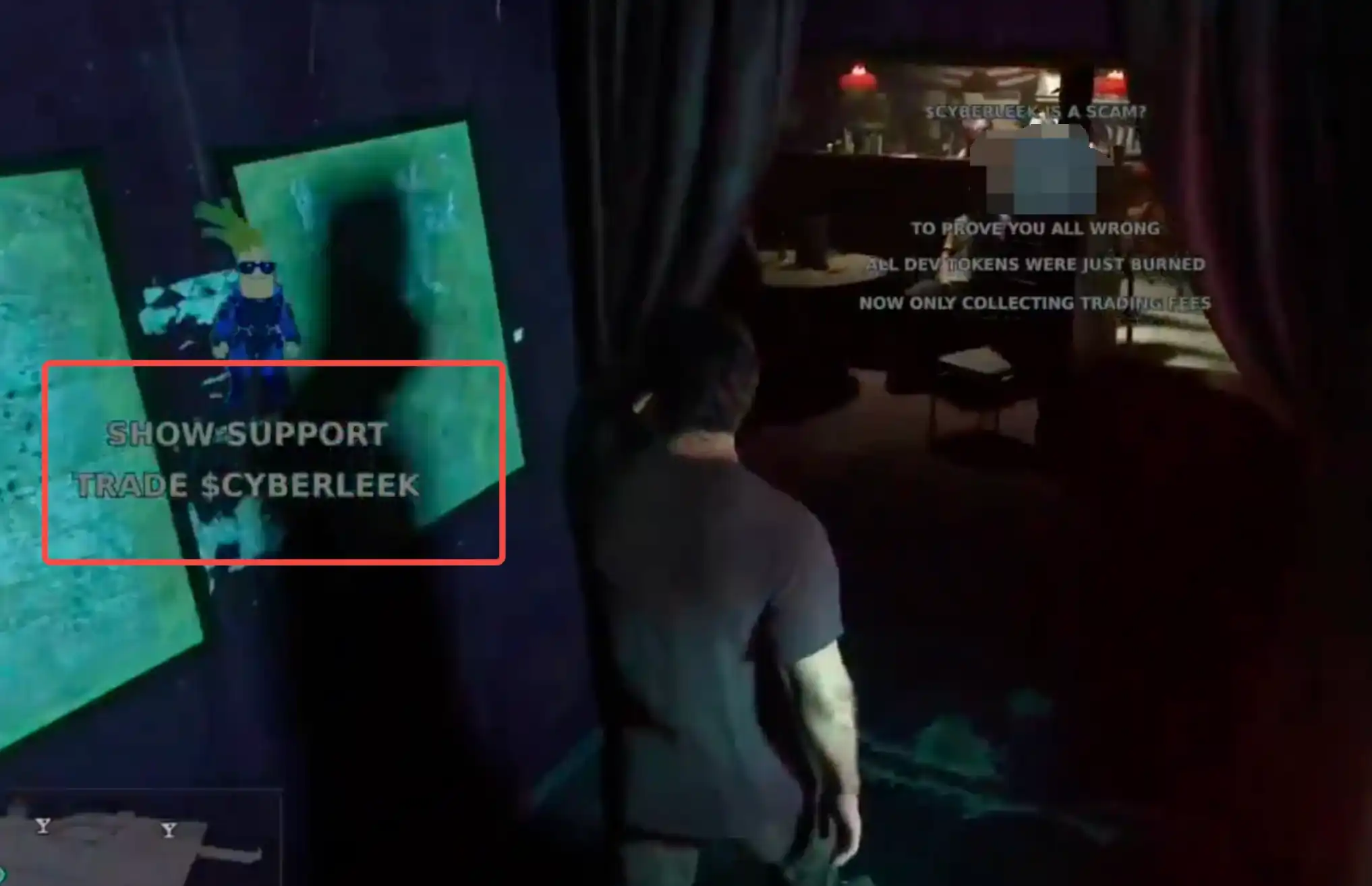
Hacker Leaks GTA6 and Launches a Token: Leaked Videos Become Ad Space for $CYBERLEEK, Must Buy Tokens to Vote for Next Clip

A hacker group called "CyberLeek" has leaked gameplay footage of the highly anticipated video game *GTA 6*, which is slated for release in 2026. Simultaneously, the group launched a meme token, $CYBERLEEK, on Solana. The leaks, which include maps and gameplay clips, are heavily watermarked with advertisements urging viewers to buy the token. Investigations of blockchain data reveal that the token was created and funded from a single wallet approximately eight hours before the first leak was released, suggesting a coordinated plan. The group has implemented a voting system where token holders can "vote" for the next type of content to be leaked by sending $CYBERLEEK tokens to a designated wallet—a process that permanently transfers the tokens to the hackers. This creates a self-sustaining cycle where interest in the leaks drives token purchases. Financially, the operation involved minimal upfront costs (less than $3,500 in out-of-pocket expenses) but generated significant revenue. On its first day, the token saw $15 million in trading volume, netting the creators an estimated $30,000 from transaction fees alone. While the group later burned a large portion of its developer-held tokens (worth over $1 million) to build trust, the fee-generating mechanism remains intact. The game's publisher, Take-Two Interactive, has initiated legal proceedings to identify the hackers. Despite this, the case demonstrates a new model where leaked intellectual property is used as leverage to promote and profit from a cryptocurrency, with meme token markets serving as an additional revenue stream.

marsbit12m ago

Hacker Leaks GTA6 and Launches a Token: Leaked Videos Become Ad Space for $CYBERLEEK, Must Buy Tokens to Vote for Next Clip

marsbit12m ago

Jensen Huang's Daughter: From Chef to an $8 Million Annual Salary

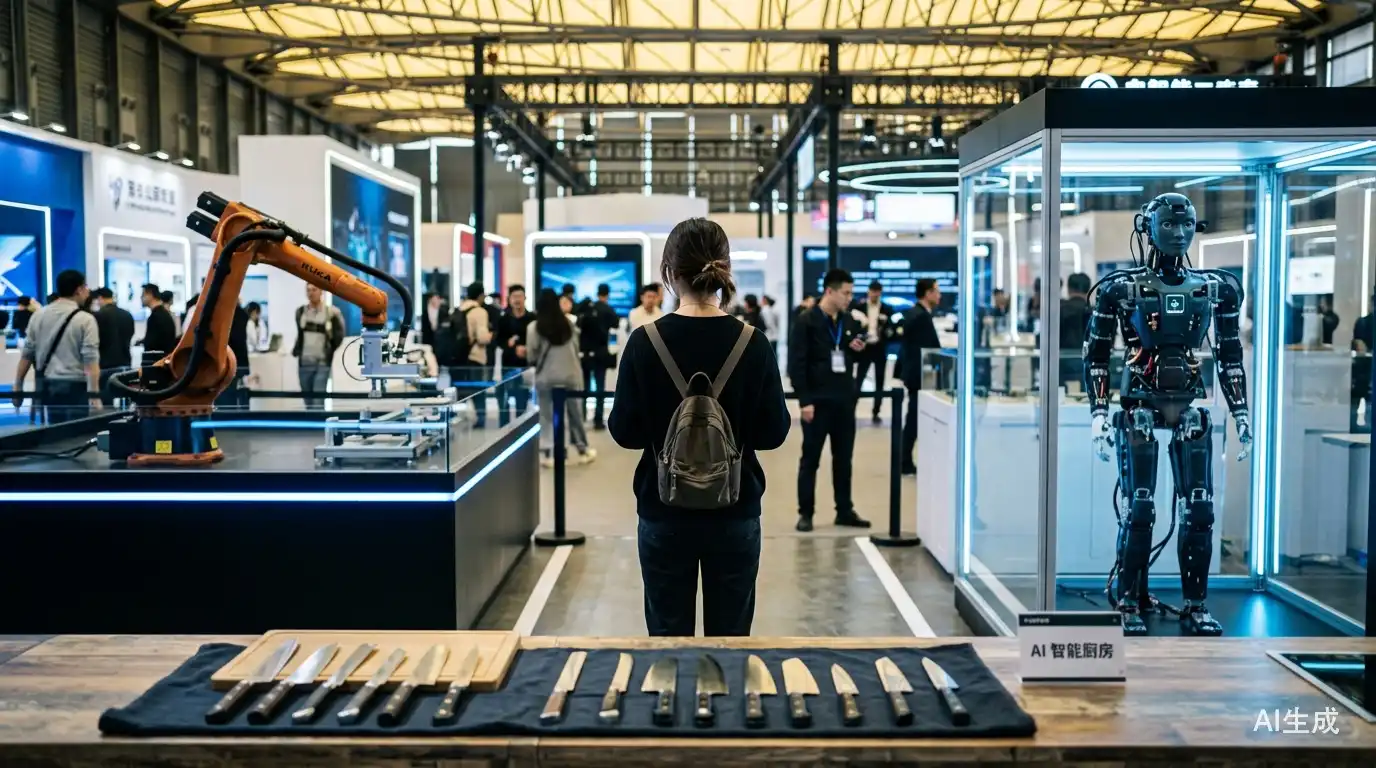
Madison Huang, daughter of NVIDIA founder Jensen Huang, recently made a rare public appearance in Beijing during the 2026 World Robot Conference. As the Senior Director of Product and Technology Marketing for NVIDIA's Physical AI Platform, with an annual salary of approximately $1.2 million, her visit focused on evaluating leading Chinese robotics companies like UBTech, Unitree, and others. This highlights NVIDIA's strategic interest in the burgeoning Chinese robotics ecosystem, a key battleground for the development of Physical AI—technology that enables machines to understand and interact with the physical world. Huang's career path is unconventional. Initially pursuing her passion, she studied culinary arts, worked as a chef, and later held a marketing role at LVMH. She joined NVIDIA as an intern in 2020 after completing an MBA, quickly rising through the ranks. Her brother, Spencer Huang, followed a similar path, closing a cocktail bar he co-founded to also join NVIDIA, where he now works on robotics software. Jensen Huang has publicly addressed nepotism concerns, humorously noting that some "second-generation" employees outperform their parents. The conference itself underscored China's vibrant robotics sector, marked by Unitree's recent blockbuster IPO and a pipeline of companies preparing to go public. While hardware development and manufacturing are advancing rapidly, industry leaders like Wang Xingxing of Unitree point to the next critical challenge: developing the "brain" or AI that allows robots to perform diverse, unseen tasks based on simple instructions. With massive manufacturing scale and diverse real-world testing scenarios, China is positioned as a central player in the global race to define the future of robotics.

marsbit2h ago

Jensen Huang's Daughter: From Chef to an $8 Million Annual Salary

marsbit2h ago

He Gave Wang Xingxing the First 2 Million, Now Serves as Chairman for the Next 'Unitree'

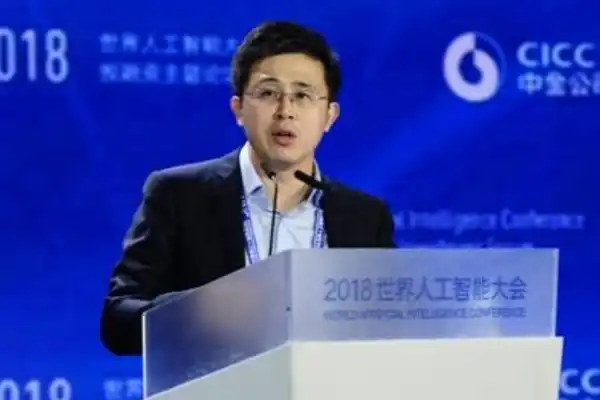
On August 19, 2024, Unitree Robotics, China's "first humanoid robotics stock," went public. Its founder, Wang Xingxing, started a decade ago with his self-developed XDog. In 2016, at a critical funding juncture, he received his first angel investment of 2 million RMB from Yin Fangming. This bet has since yielded a return of over 140 times. Yin Fangming is more than just a key investor. He was a co-founder of the AI robotics company ROOBO, whose own venture ultimately struggled. This firsthand experience with the hardware challenges in robotics gave him unique insight when backing Unitree, a company renowned for its hardware R&D and cost control. While his own company faltered, Yin continued investing shrewdly. He partially cashed out some Unitree shares early, reinvesting the proceeds into sectors like energy (e.g., solid-state battery firm TaiLan) and commercial aerospace (e.g., small launch vehicle developer XianDeng Aerospace). However, his most significant move after Unitree is his deep involvement with Galaxy General, a leading embodied AI unicorn. In July 2024, Yin stepped from behind the scenes to officially become its Chairman, indicating a role far beyond a typical investor. This comes as Galaxy General is viewed as preparing for future capital moves. Yin's career has consistently been ahead of the curve—from mobile internet to AI and robotics. Known for his foresight and low profile, he declined an interview for this story, offering only a statement encouraging support for visionary entrepreneurs like Wang Xingxing.

marsbit3h ago

He Gave Wang Xingxing the First 2 Million, Now Serves as Chairman for the Next 'Unitree'

marsbit3h ago

Coldcard Theft Reflection: Source Code Visibility Does Not Equal Security

The article examines the open-source vs. closed-source debate in crypto, prompted by a theft of over $100M in Bitcoin from Coldcard hardware wallets. It clarifies key terminology: true "Free and Open Source Software" (FOSS) grants four essential freedoms (use, study, share, modify), while "source available" code, like Coldcard's firmware, may have usage restrictions. The piece argues that visible source code alone does not guarantee security; actual safety depends on the economic incentives for thorough, ongoing review by skilled individuals. Using Bitcoin Core as a model, the article describes a successful, transparent open-source development culture built on public review and consensus. It contrasts this with the Coldcard case, where a critical bug in a lightly-reviewed, source-available library went undetected for years, highlighting a "tragedy of the commons" scenario where assumed but absent scrutiny creates vulnerability. The economics of licensing are crucial: restrictive licenses can limit the pool of motivated commercial reviewers. Finally, the article explores AI's impact. It cites the Bitcoin Red Team's use of AI to rapidly audit codebases and find vulnerabilities at scale, demonstrating a powerful new tool for security. However, AI also floods projects with low-quality code, straining maintainers. The piece concludes that in high-stakes crypto, only well-audited projects—whether open or closed-source—can withstand evolving threats, with AI both challenging and aiding security practices.

marsbit3h ago

Coldcard Theft Reflection: Source Code Visibility Does Not Equal Security

marsbit3h ago

Trading

Spot

Hot Articles

What is $BITCOIN

DIGITAL GOLD ($BITCOIN): A Comprehensive Analysis Introduction to DIGITAL GOLD ($BITCOIN) DIGITAL GOLD ($BITCOIN) is a blockchain-based project operating on the Solana network, which aims to combine the characteristics of traditional precious metals with the innovation of decentralized technologies. While it shares a name with Bitcoin, often referred to as “digital gold” due to its perception as a store of value, DIGITAL GOLD is a separate token designed to create a unique ecosystem within the Web3 landscape. Its goal is to position itself as a viable alternative digital asset, although specifics regarding its applications and functionalities are still developing. What is DIGITAL GOLD ($BITCOIN)? DIGITAL GOLD ($BITCOIN) is a cryptocurrency token explicitly designed for use on the Solana blockchain. In contrast to Bitcoin, which provides a widely recognized value storage role, this token appears to focus on broader applications and characteristics. Notable aspects include: Blockchain Infrastructure: The token is built on the Solana blockchain, known for its capacity to handle high-speed and low-cost transactions. Supply Dynamics: DIGITAL GOLD has a maximum supply capped at 100 quadrillion tokens (100P $BITCOIN), although details regarding its circulating supply are currently undisclosed. Utility: While precise functionalities are not explicitly outlined, there are indications that the token could be utilized for various applications, potentially involving decentralized applications (dApps) or asset tokenization strategies. Who is the Creator of DIGITAL GOLD ($BITCOIN)? At present, the identity of the creators and development team behind DIGITAL GOLD ($BITCOIN) remains unknown. This situation is typical among many innovative projects within the blockchain space, particularly those aligning with decentralized finance and meme coin phenomena. While such anonymity may foster a community-driven culture, it intensifies concerns about governance and accountability. Who are the Investors of DIGITAL GOLD ($BITCOIN)? The available information indicates that DIGITAL GOLD ($BITCOIN) does not have any known institutional backers or prominent venture capital investments. The project seems to operate on a peer-to-peer model focused on community support and adoption rather than traditional funding routes. Its activity and liquidity are primarily situated on decentralized exchanges (DEXs), such as PumpSwap, rather than established centralized trading platforms, further highlighting its grassroots approach. How DIGITAL GOLD ($BITCOIN) Works The operational mechanics of DIGITAL GOLD ($BITCOIN) can be elaborated on based on its blockchain design and network attributes: Consensus Mechanism: By leveraging Solana’s unique proof-of-history (PoH) combined with a proof-of-stake (PoS) model, the project ensures efficient transaction validation contributing to the network's high performance. Tokenomics: While specific deflationary mechanisms have not been extensively detailed, the vast maximum token supply implies that it may cater to microtransactions or niche use cases that are still to be defined. Interoperability: There exists the potential for integration with Solana’s broader ecosystem, including various decentralized finance (DeFi) platforms. However, the details regarding specific integrations remain unspecified. Timeline of Key Events Here is a timeline that highlights significant milestones concerning DIGITAL GOLD ($BITCOIN): 2023: The initial deployment of the token occurs on the Solana blockchain, marked by its contract address. 2024: DIGITAL GOLD gains visibility as it becomes available for trading on decentralized exchanges like PumpSwap, allowing users to trade it against SOL. 2025: The project witnesses sporadic trading activity and potential interest in community-led engagements, although no noteworthy partnerships or technical advancements have been documented as of yet. Critical Analysis Strengths Scalability: The underlying Solana infrastructure supports high transaction volumes, which could enhance the utility of $BITCOIN in various transaction scenarios. Accessibility: The potential low trading price per token could attract retail investors, facilitating wider participation due to fractional ownership opportunities. Risks Lack of Transparency: The absence of publicly known backers, developers, or an audit process may yield skepticism regarding the project's sustainability and trustworthiness. Market Volatility: The trading activity is heavily reliant on speculative behavior, which can result in significant price volatility and uncertainty for investors. Conclusion DIGITAL GOLD ($BITCOIN) emerges as an intriguing yet ambiguous project within the rapidly evolving Solana ecosystem. While it attempts to leverage the “digital gold” narrative, its departure from Bitcoin's established role as a store of value underscores the need for a clearer differentiation of its intended utility and governance structure. Future acceptance and adoption will likely depend on addressing the current opacity and defining its operational and economic strategies more explicitly. Note: This report encompasses synthesised information available as of October 2023, and developments may have transpired beyond the research period.

2.1k Total ViewsPublished 2025.05.13Updated 2025.05.13

What is $BITCOIN

Discussions

Welcome to the HTX Community. Here, you can stay informed about the latest platform developments and gain access to professional market insights. Users' opinions on the price of BTC (BTC) are presented below.

活动图片