Yen Stablecoins: Can Japan Leverage the Global $40 Trillion On-Chain Arbitrage Trade?

marsbitDipublikasikan tanggal 2026-03-05Terakhir diperbarui pada 2026-03-05

Abstrak

The Japanese government and major financial institutions, led by Prime Minister Fumio Kishida’s national Web3 strategy, are pushing to introduce a compliant yen-backed stablecoin to reclaim influence in the crypto space, currently dominated by dollar stablecoins like USDT and USDC. The strategy, spearheaded by financial giant SBI Group in partnership with Startale Labs, aims to replicate Japan’s traditional role in global "yen carry trades" — where investors borrow low-yield yen to invest in higher-yielding assets — on the blockchain. The planned stablecoin, JPYSC, would enable 24/7 leveraged trading in DeFi and serve as a settlement layer for tokenized assets like stocks and real-world assets (RWA). However, Japan faces significant hurdles: limited liquidity of existing yen stablecoins (only around $20M in circulation), unclear regulatory treatment of stablecoin reserves and capital requirements, and high crypto taxation (currently 55%) that stifles retail participation. Despite plans to reduce taxes and reclassify crypto as a financial product, progress has been slow. If successful, Japan could position the yen as a core non-dollar base asset in the growing $40 trillion on-chain credit and arbitrage market, competing with US dollar stablecoin dominance and other regions like Europe (under MiCA) and the UAE. The effort represents a strategic move to extend Japan’s monetary influence into the digital economy.

While the global stablecoin market is dominated by dollar-denominated assets (USDT, USDC), a heavyweight player from the traditional financial world is attempting to reclaim its voice on-chain.

Japan, an economy with the world's third-largest reserve currency (the Yen), is launching an ambitious on-chain movement led by its government and financial giants. The core weapon is the Yen stablecoin.

This is not just about payments; it's a deeper game that could reshape global on-chain capital movement: to fully replicate the "Yen carry trade," which has dominated the traditional foreign exchange market for decades, onto the blockchain.

"The Sleeping Giant" and Its Web3 Ambition

Japan is the world's fourth-largest economy, and the Yen accounts for 5.82% of global foreign exchange reserves, making it a systemically important currency second only to the US dollar and the Euro. Its long-maintained ultra-low interest rates have made the Yen one of the most trusted "funding currencies" for global investors: investors borrow low-cost Yen, convert it into higher-yielding currencies for investment, and profit from the interest rate differential.

However, in the blockchain economy, this core status of the Yen is almost invisible. This situation began to change rapidly after Sanae Takaichi became Prime Minister in 2025 and explicitly made "making Japan a Web3 hub" a national strategy.

One of the core policies is to promote the institutionalization of cryptocurrencies, with stablecoins and security tokens (RWA) listed as priority development items.

SBI's "National Strategy" Chess Game

SBI Group, one of Japan's largest financial groups, has become a key executor of this national strategy. Its founder, Yoshitaka Kitao, a legendary figure who co-founded SoftBank's financial business with Masayoshi Son, is transforming SBI into an infrastructure provider for Japan's on-chain finance.

The Strium blockchain, developed by SBI in collaboration with the Startale Group, targets the institutional market: to become the settlement layer for tokenized stocks and RWA. However, to achieve true on-chain stocks (including dividends and voting rights), a key prerequisite is needed: a compliant Yen stablecoin for paying on-chain dividends and settlements.

This is the strategic significance of the Yen stablecoin. It is not just for domestic payments but to enable a massive global strategy: the on-chain Yen carry trade.

In the traditional world, this process is time-consuming and limited by business hours. On-chain, it can theoretically be completed 24/7, almost instantly: investors collateralize assets to borrow Yen stablecoins, convert them into US dollar stablecoins, and then invest in DeFi protocols to earn higher yields. This would introduce the vast global institutional demand for Yen borrowing into the decentralized financial system.

The Startale Group has announced that it will launch JPYSC, a Yen stablecoin specifically designed for this purpose, in the second quarter of 2026. Its founder, Sota Watanabe, revealed that they have been in talks with several top US financial institutions, which have shown strong interest in using on-chain Yen for arbitrage and swap trades.

Triple Challenges: Liquidity, Regulation, and Retail Investors

Despite the grand blueprint, Japan's path to becoming an on-chain financial center still faces three major obstacles:

  • Liquidity Dilemma: The market capitalization of existing Yen stablecoins (like JPYC) is only about $20 million, insufficient to support large-scale arbitrage trading. The participation of giants like SBI or a joint issuance by the three megabanks—MUFG, Mizuho, and SMBC—is needed to provide sufficient depth.
  • Regulatory Clarity Pending: How stablecoins are accounted for on bank balance sheets and the capital requirements are still being refined in Japan and globally. The US SEC recently significantly reduced the capital discount rate for broker-dealers holding stablecoins from 100% to 2%, providing an important reference for the industry.
  • Retail Absence: A high cryptocurrency gains tax rate of 55% severely dampens the vitality of Japan's domestic retail market. Although the government plans to reduce the tax rate to 20% and reclassify cryptocurrencies as financial products, the process is slow. Sota Watanabe stated bluntly: "The Japanese government is moving very slowly... To catch up, implementing tax reductions by 2027 is necessary."
A Race for Financial Sovereignty and Efficiency

Japan's Yen stablecoin strategy is essentially a race for financial sovereignty and efficiency. As the US quietly expands its on-chain territory through dollar stablecoins, Europe builds a unified market through MiCA, and the UAE positions Abu Dhabi as a core "compliant settlement layer," Japan must find its place.

The path it has chosen heavily relies on its traditional financial strengths: leveraging its massive international Yen reserves and mature financial institutions as a pivot, and targeting RWA and institutional arbitrage trading as entry points, attempting to rebuild a parallel capital market on-chain with the Yen as a key funding currency.

The outcome of this race depends not only on technology or the success of a single stablecoin but also on the speed of regulatory innovation, the determination of traditional giants, and the ability to awaken the "sleeping" domestic retail force. If successful, the on-chain version of the global $40 trillion credit and arbitrage market will, for the first time, welcome a powerful non-dollar cornerstone asset.

Japan's Web3 ambition now hinges on this small, Yen-pegged digital token.

*This content is for reference only and does not constitute any investment advice. The market carries risks, and investment requires caution.


Pertanyaan Terkait

QWhat is the core strategic goal behind Japan's push for a yen-backed stablecoin?

AJapan's core strategic goal is to reclaim its role as a major global financial player in the blockchain economy by replicating the traditional 'yen carry trade' on-chain. This involves using a compliant yen stablecoin to facilitate 24/7, near-instantaneous borrowing of yen to exchange for higher-yielding assets (like USD stablecoins) in DeFi protocols, thereby channeling massive global institutional demand for yen lending into the decentralized financial system.

QWhich Japanese financial giant is a key player in executing this national Web3 strategy, and what infrastructure are they building?

ASBI Group, one of Japan's largest financial groups, is a key executor of this strategy. They are collaborating with Startale Group to develop the Strium blockchain, which is designed to be an institutional-grade settlement layer for tokenized stocks and Real World Assets (RWA).

QWhat are the three main challenges facing Japan's ambition to become a chain-based financial center?

AThe three main challenges are: 1) Liquidity: The current yen stablecoin market is too small (e.g., JPYC's ~$20M market cap) to support large-scale arbitrage; major banks need to issue their own. 2) Regulation: The regulatory framework for how stablecoins are treated on bank balance sheets and their capital requirements is still evolving. 3) Retail Participation: A high 55% cryptocurrency tax rate severely dampens domestic retail market activity, and proposed tax reductions are progressing slowly.

QHow does the traditional 'yen carry trade' work, and how would it be different on the blockchain?

AIn the traditional world, the yen carry trade involves investors borrowing low-cost yen, converting it into a higher-yielding currency, and investing it to profit from the interest rate differential. This process is time-consuming and limited by banking hours. On the blockchain, this process could be completed 24/7, almost instantly: investors would collateralize assets to borrow yen stablecoins, convert them to dollar stablecoins, and then deposit them into DeFi protocols to earn yield.

QBeyond payment convenience, what is the broader significance of a yen stablecoin for Japan's financial sovereignty?

AThe significance extends beyond payments to a competition for financial sovereignty and efficiency. As the US expands its on-chain influence via dollar stablecoins and Europe builds a unified market with MiCA, Japan is leveraging its traditional financial advantages—its status as a major reserve currency and its mature financial institutions—to build a parallel on-chain capital market where the yen is a key funding currency. This aims to secure Japan's position in the future of global finance.

Bacaan Terkait

Goldman Sachs: Juli Menghancurkan Perdagangan Padat, Pasar Bull AS Tak Terputus Tapi Lebih Sulit

Menurut analisis Goldman Sachs, pasar saham AS pada Juli mengalami koreksi yang lebih didorong oleh penyesuaian posisi (deleveraging) ketimbang keruntuhan indeks utama. Meskipun S&P 500 relatif stabil (hanya turun <2% dari puncak), terjadi gejolak besar di bawah permukaan. Transaksi yang sebelumnya padat dan digerakkan momentum—seperti saham AI, teknologi berkecepatan tinggi, dan strategi Asia—mengalami tekanan likuiditas dan penjualan besar-besaran. Leverage pada sektor teknologi global turun ke level terendah dalam lima tahun terakhir, dan eksposur terhadap momentum berada pada persentil ke-28 dalam satu tahun terakhir. Perdebatan utama pada saham AI bergeser dari narasi menuju keberlanjutan profitabilitas, dengan kinerja perusahaan cloud seperti Microsoft dan Amazon yang lebih baik meredam kekhawatiran. Komunikasi Federal Reserve yang lebih hati-hati dan tekanan pada imbal hasil obligasi jangka panjang menambah ketidakpastian. Secara keseluruhan, dasar fundamental pasar saham AS masih solid didukung ekonomi dan pengeluaran modal AI, namun elastisitas kenaikan telah melemah. Tren bull market belum berakhir, tetapi periode ke depan akan lebih fluktuatif dan menuntut selektivitas yang lebih tinggi, bukan sekadar "beli dan tahan". Juli menjadi pengingat bahwa pasar tidak memberi imbalan untuk posisi yang terlalu padat dan leverage berlebihan.

marsbit54m yang lalu

Goldman Sachs: Juli Menghancurkan Perdagangan Padat, Pasar Bull AS Tak Terputus Tapi Lebih Sulit

marsbit54m yang lalu

RUU Kripto yang Ditunggu-tunggu, Dikenal sebagai 'RUU Kejelasan', Berada di Tahap Kritis: Gedung Putih Akan Membahasnya Akhir Pekan Ini

Masa depan U.S. Crypto-Asset Regulatory Clarity Act atau "CLARITY Act" berada di titik kritis, dengan keputusan Gedung Putih Trump diharapkan pada akhir pekan ini terkait proposal etika baru dari kedua partai. Proposal alternatif oleh Senator Republik Tom Tillis dan Senator Demokrat Ruben Gallego ini bertujuan mengatasi kekhawatiran Demokrat dengan memberi wewenang kepada jaksa agung negara bagian untuk menuntut pejabat federal jika Departemen Kehakiman gagal menegakkan aturan etika. Versi sebelumnya didukung Gedung Putih namun dikritik karena penegakan tetap di Departemen Kehakiman dan batas waktu yang berakhir Januari 2029. Jika kesepakatan etika tercapai, Senat dapat melakukan pemungutan suara untuk CLARITY Act, meski memerlukan dukungan 60 senator. RUU yang telah disetujui Komite Perbankan Senat ini bertujuan memperjelas yurisdiksi SEC dan CFTC atas aset kripto, menciptakan kerangka pasar, mengatur imbal hasil stablecoin, dan memberikan perlindungan hukum tertentu bagi pengembang perangkat lunak. Kompromi pada aturan stablecoin membatasi pembayaran mirip bunga yang hanya berdasarkan kepemilikan token, tetapi mengizinkan imbalan terkait transaksi, pembayaran, program loyalitas, atau penggunaan platform. Kegagalan mencapai kesepakatan etika dapat kembali menghalangi kemajuan RUU ini di Senat, memperpanjang ketidakpastian regulasi untuk imbal hasil stablecoin dan implementasi ketentuan terkait dalam GENIUS Act.

cryptonews.ru1j yang lalu

RUU Kripto yang Ditunggu-tunggu, Dikenal sebagai 'RUU Kejelasan', Berada di Tahap Kritis: Gedung Putih Akan Membahasnya Akhir Pekan Ini

cryptonews.ru1j yang lalu

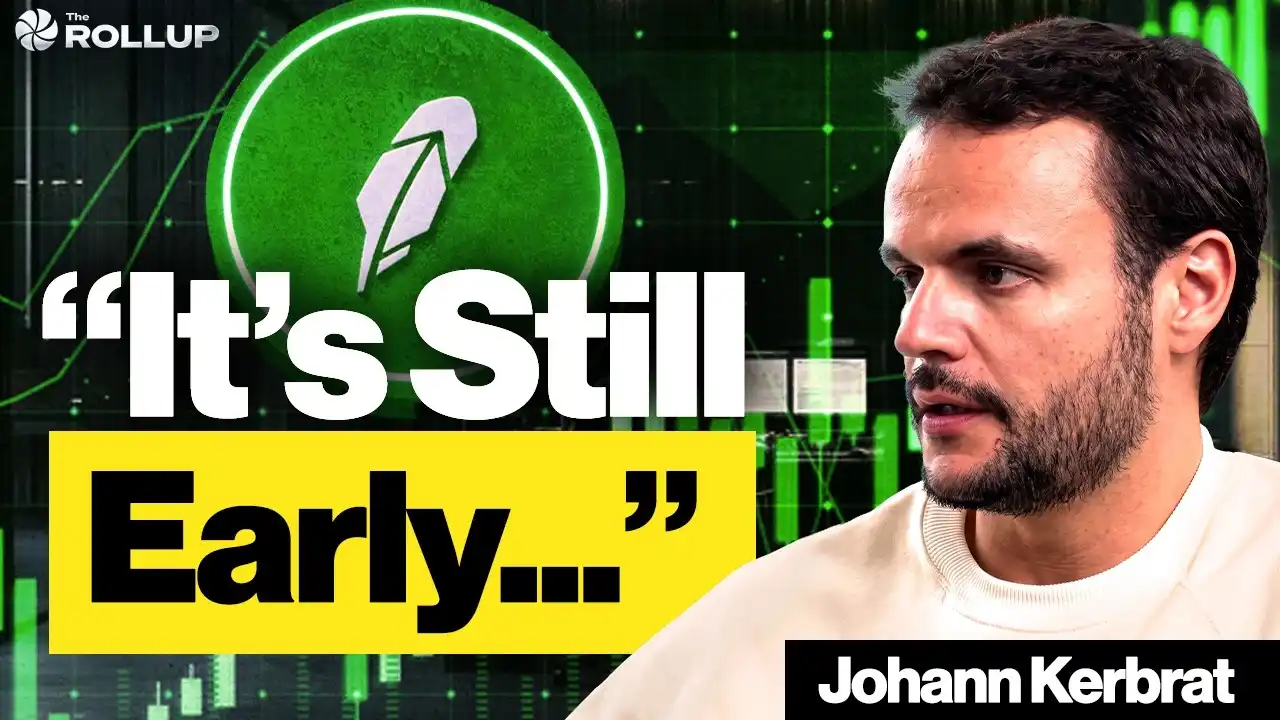
Wawancara dengan Eksekutif Robinhood: Strategi Akusisi 'Barbel' dengan Meme + Tokenisasi Saham AS, Semua Lini Bisnis Capai Pendapatan Ratusan Juta Dolar

Wawancara dengan Johann Kerbrat, Wakil Presiden Senior Robinhood, mengungkap strategi mereka untuk mendorong adopsi crypto melalui "strategi barbell": memadukan meme coin untuk menarik pengguna DeFi dengan tokenisasi saham AS (RWA) untuk menjangkau pengguna global yang kesulitan mengakses pasar modal tradisional. Robinhood Chain, yang baru diluncurkan tiga minggu, telah mencatat volume perdagangan mingguan lebih dari $30 miliar dan lebih dari 1,05 miliar transaksi. Strategi intinya adalah memindahkan 27 juta akun berdananya ke ekosistem blockchain dengan menyederhanakan pengalaman DeFi. Produk seperti Robinhood Earn memungkinkan pengguna mendapatkan yield aset kripto tanpa harus mengelola dompet atau private key. Tokenisasi saham, yang kini mencakup 90+ saham di 120+ negara, menawarkan solusi seperti perdagangan 24/7 dan akses internasional. Kerbrat menekankan bahwa mereka memilih stack teknologi Arbitrum daripada membangun L1 sendiri untuk memanfaatkan keamanan Ethereum dan likuiditas EVM. Fokus mereka adalah memperluas pasar secara keseluruhan, bukan bersaing langsung dengan platform seperti Base. Kemitraan dengan proyek DeFi dipilih berdasarkan kesesuaian regulasi, kemampuan membangun pengalaman unik, dan diferensiasi. Visi jangka panjang Robinhood adalah menjadi "aplikasi super" yang memenuhi semua kebutuhan keuangan pengguna, dengan semua lini bisnisnya telah menghasilkan pendapatan miliaran dolar.

marsbit3j yang lalu

Wawancara dengan Eksekutif Robinhood: Strategi Akusisi 'Barbel' dengan Meme + Tokenisasi Saham AS, Semua Lini Bisnis Capai Pendapatan Ratusan Juta Dolar

marsbit3j yang lalu

Laporan Fidelity Q3: BTC, ETH, dan SOL Terus Membentuk Dasar, Seberapa Jauh Lagi Bear Market Kripto Saat Ini?

Laporan Q3 Fidelity menilai bahwa pasar kripto masih dalam fase penurunan (bear market), dengan BTC, ETH, dan SOL terus membentuk dasar. Indikator seperti NUPL Tertimbang yang turun ke -0.01 dan dominasi BTC yang naik ke 68% menunjukkan sentimen pasar yang melemah dan modal cenderung berkonsentrasi pada aset terbesar. Untuk Bitcoin, NUPL di 0.09 dan indikator Yardstick yang mendekati level historis rendah memberikan sinyal positif untuk investor jangka panjang, meski momentum harga masih negatif. Penyesuaian telah berlangsung sekitar 203 hari, dan mengacu pada siklus sebelumnya, Fidelity mencatat bahwa Oktober 2026 bisa menjadi jendela waktu yang patut diamati, namun bukan prediksi pasti bahwa dasar telah tercapai. Ethereum dan Solana menunjukkan tekanan lebih dalam dengan NUPL masing-masing -0.43 dan -0.72, mengindikasikan kerugian belum terealisasi yang signifikan. Namun, tingkat NUPL yang rendah ini secara historis dikaitkan dengan imbal hasil yang kuat di masa depan. Aktivitas penggunaan dan volume transfer stablecoin di kedua jaringan tetap tangguh, menunjukkan bahwa utilitas dasar terus berlanjut terlepas dari penurunan harga. Secara keseluruhan, laporan ini menggambarkan pasar yang sedang konsolidasi dengan beberapa indikator mendekati zona keputusasaan sejarah. BTC bertindak sebagai penstabil relatif, sementara ETH dan SOL menunjukkan tanda-tanda tekanan jual yang lebih berat namun dengan fundamental jaringan yang masih sehat.

marsbit3j yang lalu

Laporan Fidelity Q3: BTC, ETH, dan SOL Terus Membentuk Dasar, Seberapa Jauh Lagi Bear Market Kripto Saat Ini?

marsbit3j yang lalu

Trading

Spot
活动图片