We've Hoarded Trillions in Bitcoin, But Never Use It? That's Changing Now

marsbitDipublikasikan tanggal 2025-12-09Terakhir diperbarui pada 2025-12-09

Abstrak

A significant portion of Bitcoin's trillion-dollar market cap remains dormant, with 61% of coins not moving in over a year and only 0.8% used in DeFi. While other ecosystems like Ethereum and L2s thrive with active use cases, Bitcoin has largely functioned as a passive store of value due to architectural and cultural constraints—prioritizing security over programmability, resisting upgrades, and lacking native interoperability. Previous solutions like wrapped BTC, federated systems, and bridges attempted to unlock Bitcoin’s liquidity but introduced new risks like custodial trust, security vulnerabilities, and reliance on external validators, contradicting Bitcoin’s trust-minimized ethos. However, this is changing with recent breakthroughs. Innovations like BitVM enable Bitcoin to verify external computations without executing them, allowing for Bitcoin-secured rollups and trust-minimized bridges. Upgrades like Taproot facilitate native assets and programmable vaults. New systems now support Bitcoin staking, restaking, and Lightning Network-based yield without requiring custodial wrapping or bridging. This emerging BTCFi ecosystem—comprising infrastructure, asset, and protocol layers—finally allows Bitcoin to participate in a functional economy while preserving its security model and self-custody principles. This could unlock a portion of the dormant capital, significantly impacting the broader crypto landscape.

Most people who buy Bitcoin today don't use it at all.

They hold it, call it digital gold, and proudly declare they are "in it for the long term." And that's fine—Bitcoin has earned that reputation.

But such massive holdings have created one of the largest pools of idle capital in the crypto ecosystem today. About 61% of Bitcoin hasn't moved in over a year, and nearly 14% hasn't moved in over a decade. Despite a market cap exceeding $2 trillion, only 0.8% of Bitcoin is currently participating in any form of decentralized finance (DeFi) activity.

In other words, Bitcoin is the most valuable asset in crypto, but also the least used.

Now, let's contrast this with other aspects of the crypto world:

  • Stablecoins settle payments globally at a massive scale.
  • Ethereum powers smart contracts, decentralized autonomous organizations (DAOs), wallets, and entire economies.
  • Layer 2s (L2s) run complete ecosystems with lending, trading, gaming, and thousands of applications.

Meanwhile, Bitcoin, the largest, most secure, and most widely held asset, can do none of the above.

Instead, it sits there with trillions in value, idle, generating no yield, creating no liquidity, and contributing nothing to the broader economy beyond security and price appreciation.

When people tried to solve this, the solutions created new problems. Wrapped BTC (WBTC) became popular but required trusting a custodian. Cross-chain bridges allowed you to move Bitcoin to another chain but introduced security risks. Bitcoin holders wanted to use their Bitcoin, but the infrastructure never provided a secure, native way to do so.

But that is finally changing. Over the past few years, a whole new ecosystem has been forming around Bitcoin, attempting to unlock all this "sleeping capital" without forcing people to wrap their Bitcoin, trust intermediaries, or move it into someone else's custody.

Why Bitcoin Ended Up Here

Bitcoin becoming a passive asset was no accident. Its entire architecture steered it in this direction. Long before DeFi emerged, Bitcoin made a clear trade-off: prioritize security above all else. This decision shaped its culture, developer environment, and ultimately, the type of economic activity that flourished around it.

The result is an extremely immutable blockchain, great for moving money but severely limiting for innovation. Most people only see the surface symptoms: low liquidity, high dormancy rates, and the dominance of wrapped Bitcoin, but the root of the problem goes much deeper.

The first limitation is Bitcoin's scripting model. It deliberately avoids complexity, keeping the base layer hard to exploit and predictable. This means no general computation, no native financial logic, no on-chain automation. Ethereum, Solana, and all modern L1s were built on the assumption that developers would build. Bitcoin was built on the assumption that they shouldn't.

The second limitation is Bitcoin's upgrade path. Any change, even a minor feature, requires coordination across the entire ecosystem. Hard forks are socially nearly impossible, and soft forks take years. So, while other cryptos iterated through entire design paradigms (e.g., AMMs, account abstraction, L2s, modular blockchains), Bitcoin remained largely stagnant. It became a settlement layer but never truly an execution layer.

The third limitation is cultural. Bitcoin's developer ecosystem is inherently conservative. This conservatism protects the network but also stifles experimentation. Any proposal introducing complexity is met with skepticism. This mindset safeguards the base layer but ensures new financial primitives can't emerge on Bitcoin like they do elsewhere.
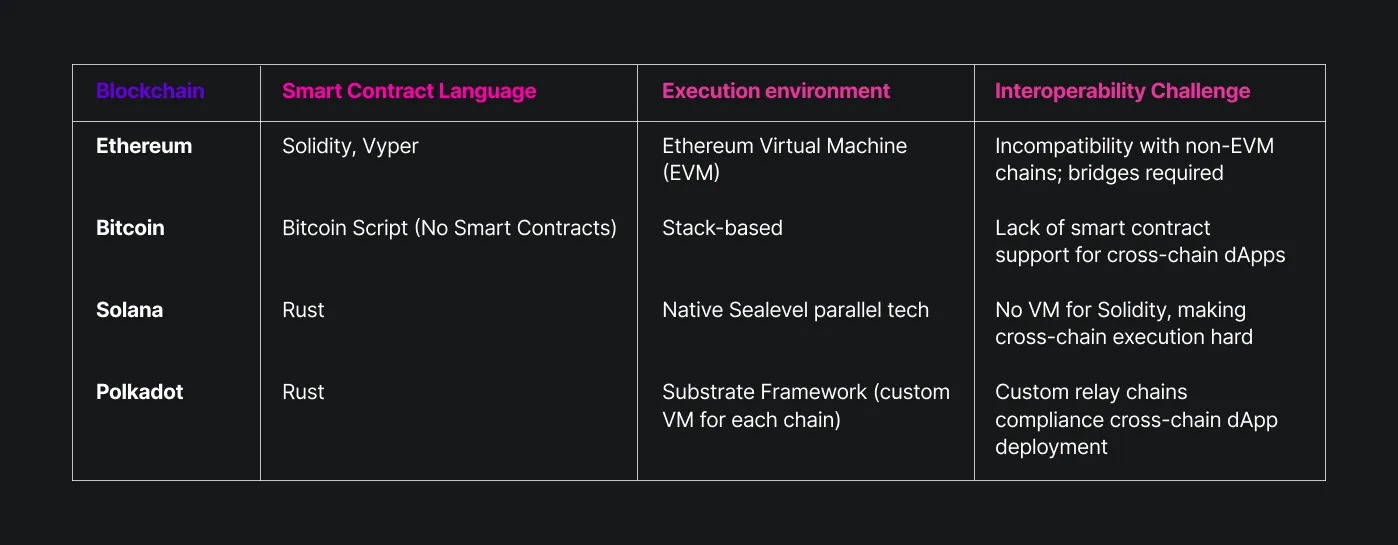
Furthermore, there's a structural limitation: Bitcoin's value grew faster than its surrounding infrastructure. Ethereum had smart contracts from the start; Solana adopted a high-throughput design from day one. Bitcoin's value ballooned into an asset class before its "range of usable applications" could expand. Thus, the entire ecosystem ended up with a paradox: you have trillions in capital with almost nowhere to deploy it.

The final limitation is interoperability. Bitcoin is uniquely isolated; it doesn't interoperate with other blockchains and has no native bridges. Until recently, there was no trust-minimized way to connect Bitcoin to external execution environments. So, any attempt to make Bitcoin usable required abandoning part of Bitcoin's security model—wrapping, bridging, custodial minting, multisigs, federations. For an asset built on distrust of intermediaries, this could never scale.

The First Workarounds: Wrappers, Sidechains, and Bridges

When it became clear that the Bitcoin base layer couldn't support meaningful activity, the industry did what it always does: developed workarounds. Initially, these seemed like progress, enabling Bitcoin to enter realms where DeFi activity thrived. But upon closer inspection, they all shared a common flaw: using them required giving up part of Bitcoin's trust model.

The most prominent example is Wrapped Bitcoin (WBTC). It became the default bridge between Bitcoin and Ethereum, and for a while, this model seemed to work. It unlocked liquidity, allowing Bitcoin to be used as collateral, traded on AMMs, used for margin loans, looped, restaked—basically everything Bitcoin itself couldn't do. But the cost was that WBTC existed only if real Bitcoin was held by someone else. This meant custody, reliance on external entities, operational risk, and a guarantee system divorced from Bitcoin's base security.
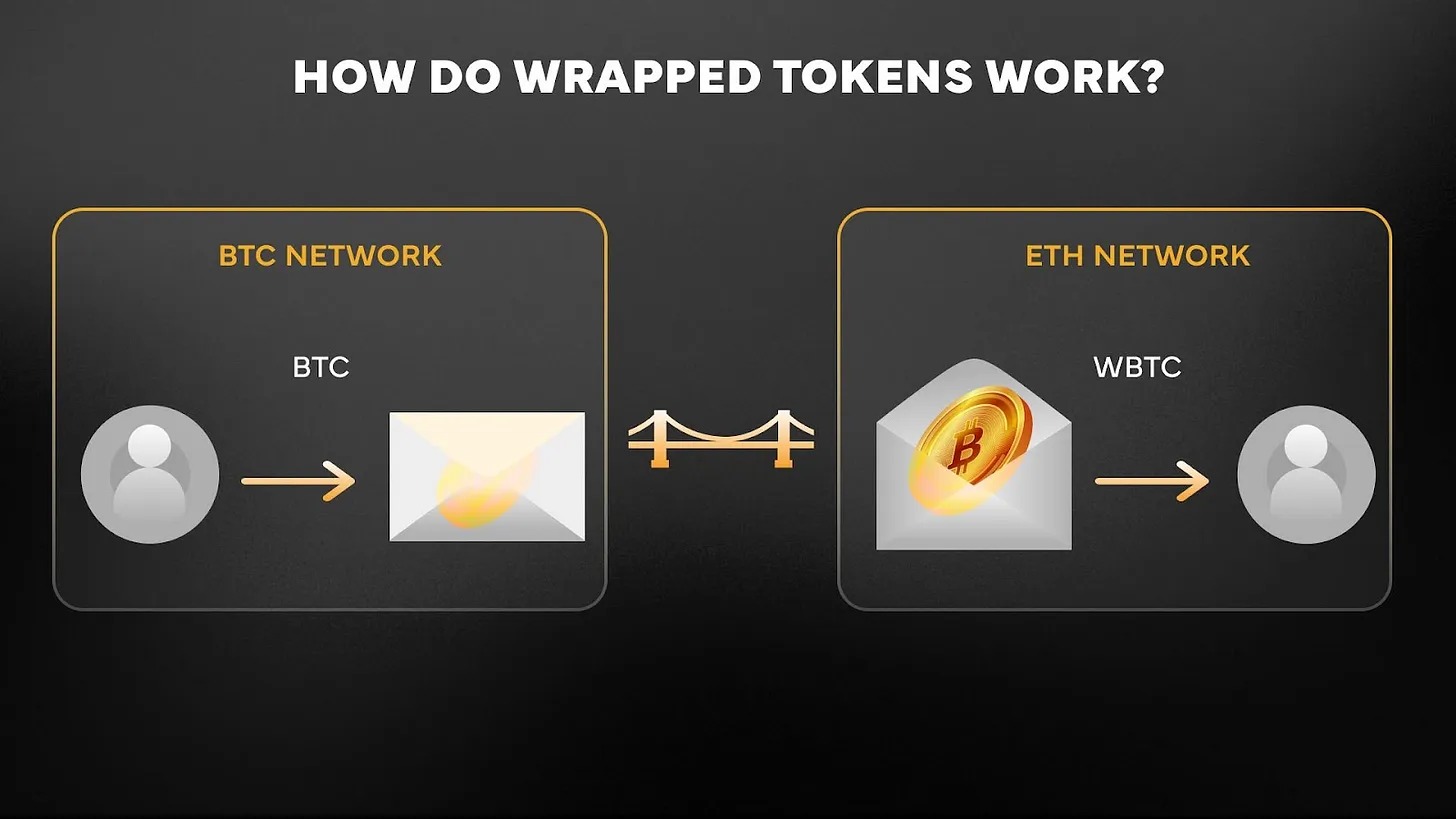
Federated systems tried to lessen this trust burden by dispersing control across multiple entities. Instead of a single custodian, a group collectively held the Bitcoin backing the wrapped asset. This was an improvement but far from trustless. Users still relied on a coordinated set of operators, and the strength of the peg depended solely on their incentives and integrity. For a community that prefers trustless systems, this wasn't ideal.

Bridge technology introduced a new set of problems. Instead of relying on custody, users relied on an external set of validators, whose security was often weaker than the chain they were leaving. Bridges enabled moving Bitcoin across chains but became one of the biggest security holes in crypto. Multiple analyses point to bridge exploits as one of the largest sources of fund loss in the space.
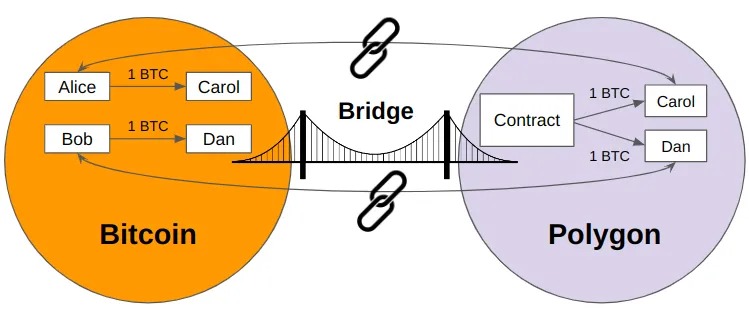
Sidechains added further complexity. They are chains separate from Bitcoin, connected via various peg mechanisms. Some use multisig control, others use Simplified Payment Verification (SPV) proofs. But none inherit Bitcoin's security. They run their own consensus mechanisms, validator sets, and risk assessments. The label "Bitcoin sidechain" is often more marketing than reality. Liquidity moved, but security guarantees didn't.
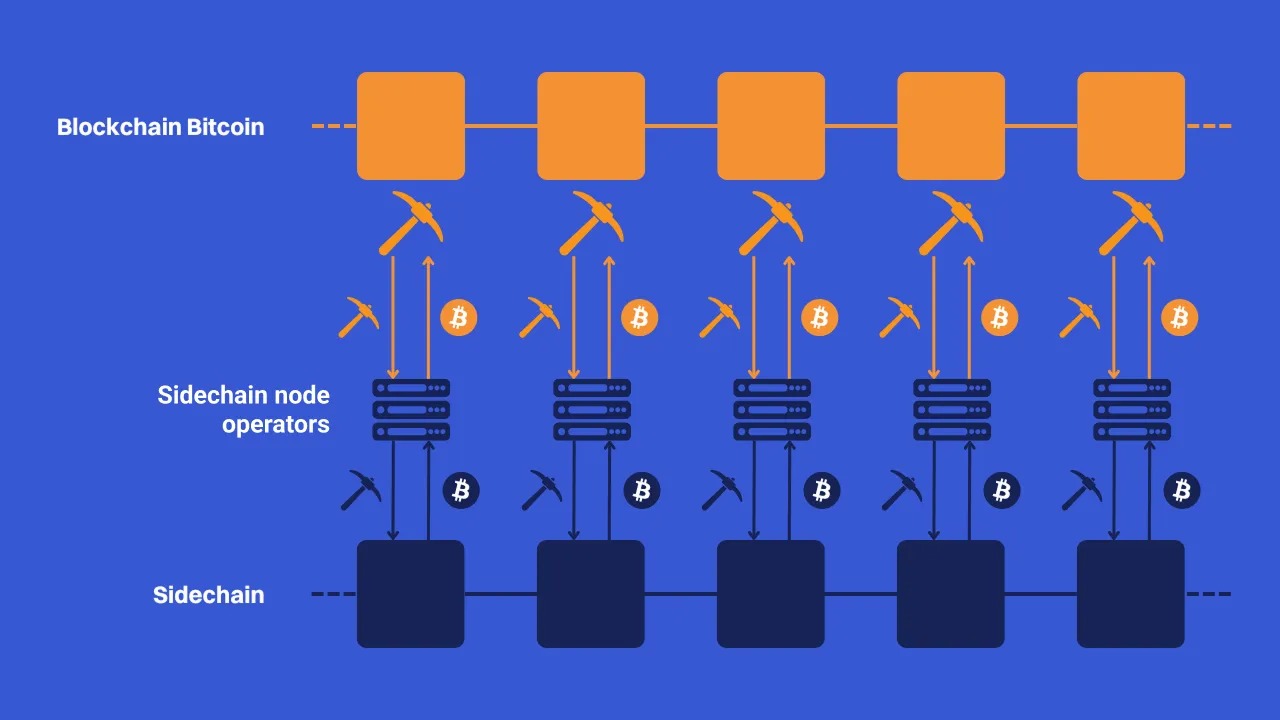
What all these methods had in common was that they pushed Bitcoin outward, off its base layer, into environments where others enforced the rules. This solved the usability problem short-term but created a bigger one: Bitcoin was operating under the very trust models it was designed to avoid.

The flaws were evident:

  • Wrapped BTC (WBTC) grew only because people tolerated custodians as a temporary fix.
  • Sidechains existed but remained niche due to failing to inherit Bitcoin's security.
  • Bridges connected Bitcoin to other chains but introduced entirely new attack vectors.

Each workaround solved one problem but created another.

The Breakthrough: Bitcoin Finally Gets New Primitives

For a long time, Bitcoin's limitations were seen as irreversible. The base layer wouldn't change, upgrades were slow, and any proposal to enhance its expressiveness was dismissed as unnecessary risk.

But in the past few years, that assumption began to crack.

1. Bitcoin gained a "verify, don't execute" capability: The most important breakthrough was the emergence of a new class of verification models enabling Bitcoin to check computations done elsewhere without running them itself.

This breakthrough made BitVM and later BitVM-like systems possible. These systems didn't change Bitcoin's functionality but leveraged its ability to enforce outcomes via fraud proofs.

This means you can build logic, applications, even full execution environments outside Bitcoin, and Bitcoin can still ensure their correctness. This is fundamentally different from Ethereum's "execute everything on L1" philosophy. Bitcoin can now act as a judge. This is what finally opened the door to:

  • Bitcoin-secured rollups
  • Trust-minimized bridges
  • Programmable Bitcoin vaults
  • Off-chain computation, on-chain verification

2. Upgrades like Taproot quietly expanded Bitcoin's range: Taproot wasn't initially promoted as a DeFi upgrade, but it provided the cryptographic foundation BTCFi needed: cheaper multisigs, more flexible key path spending, and better privacy. More importantly, it enabled architectures like Taproot Assets (for stablecoins) and more advanced vault systems.
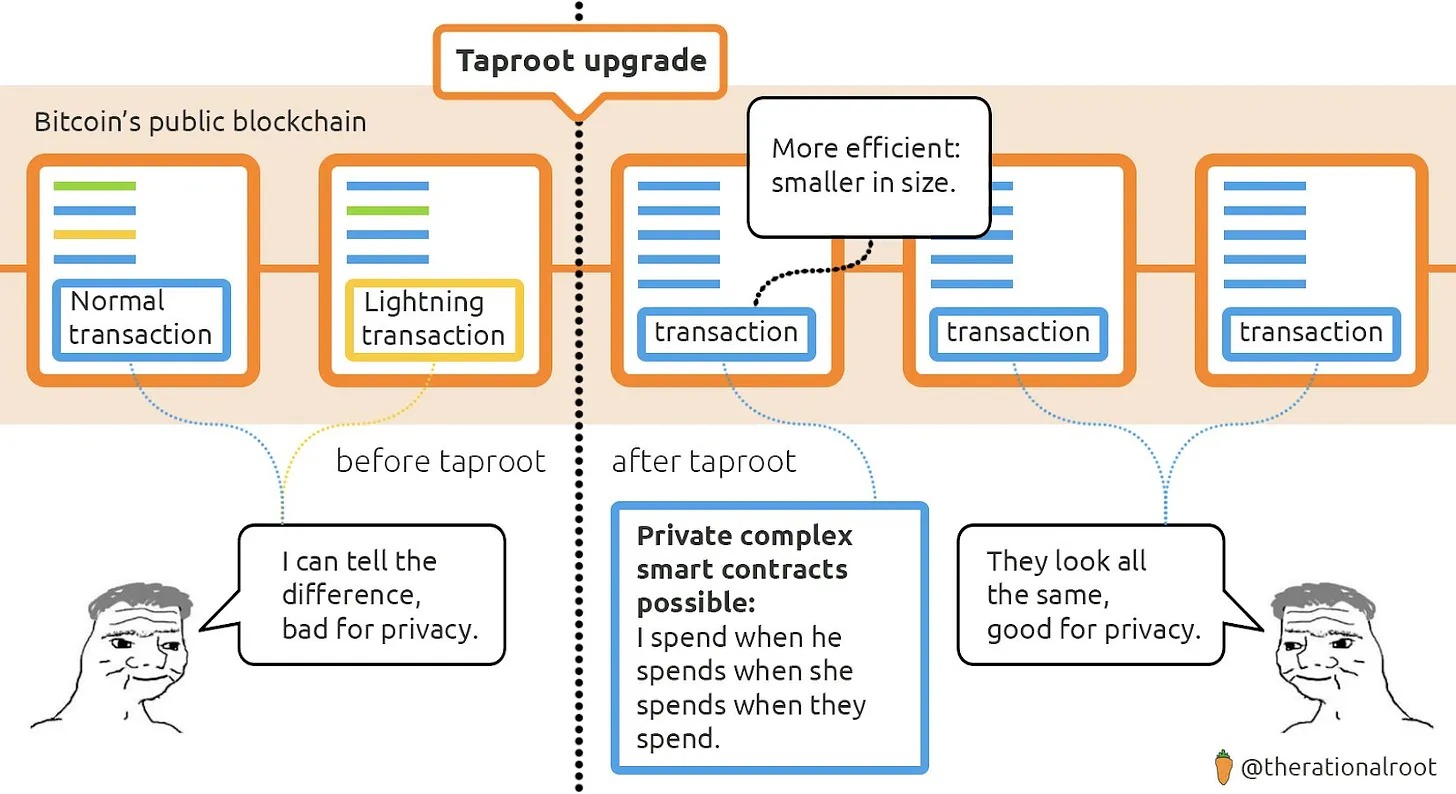
3. The emergence of Bitcoin-native assets: With Taproot and newer proof systems, projects began launching assets native to Bitcoin or secured by Bitcoin without wrapping BTC.

Combining Taproot, Schnorr signatures, and new off-chain verification techniques, developers can now build assets on Bitcoin itself or assets that directly inherit Bitcoin's security.
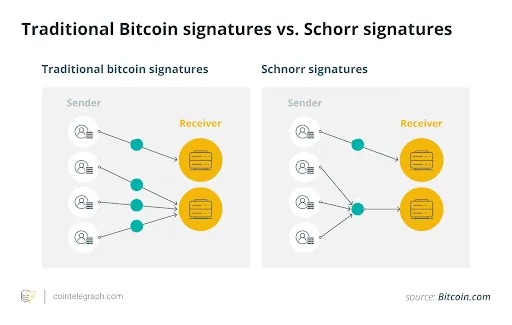
This includes:

  • Taproot Assets (Tether minting USDT directly on Bitcoin/Lightning stack)
  • Bitcoin-native stablecoins without relying on Ethereum, Solana, or Cosmos
  • BTC-backed synthetic assets without custodial pegs
  • Programmable vaults and multisig structures previously impossible

For the first time, assets issued on Bitcoin could be used without leaving Bitcoin. And assets issued by Bitcoin didn't require taking Bitcoin out of self-custody.

4. Bitcoin yield became possible: Bitcoin itself never had yield. Historically, the only way to "earn" yield on Bitcoin was to wrap it, send it to a custodian, lend it on a centralized platform, or bridge it to another blockchain. All these methods carried risk and completely departed from its security model.

BTCFi introduces a completely new way for Bitcoin to generate yield. How? By creating systems where Bitcoin contributes to network security. This leads to three types:

Bitcoin staking (for other networks): BTC can now secure PoS networks or appchains without leaving the Bitcoin chain.

Bitcoin restaking: Similar to how Ethereum can secure multiple protocols via shared security, Bitcoin can now be used as collateral to back external chains, oracles, DA layers, etc.

Lightning Network-based yield systems: Protocols like Stroom allow BTC used in Lightning channels to earn yield by providing liquidity, again without wrapping or relying on custodial bridges.

None of this was possible before BTCFi.

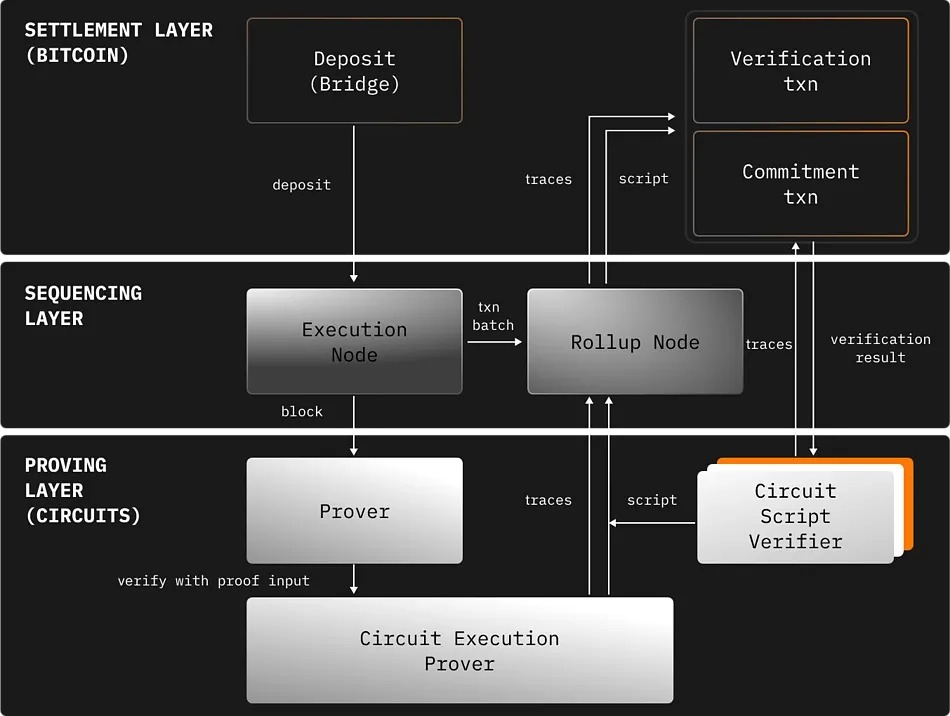
5. Bitcoin finally got an execution layer: Recent advances in off-chain verification allow Bitcoin to enforce the results of computations it doesn't perform itself. This lets developers build rollups, bridges, and contract systems around Bitcoin that rely on Bitcoin for verification, not computation. The base layer remains unchanged, but outer layers can now run logic and prove its correctness to Bitcoin when needed.

This gives Bitcoin unprecedented power: the ability to support applications, contract-like behavior, and new financial primitives without moving Bitcoin into custodial systems or rewriting the protocol. This isn't "smart contracts on Bitcoin" but a verification model that preserves Bitcoin's simplicity while allowing more complex systems to exist around it.
BTCFi Overview: What's Actually Being Built

As the underlying verification and portability tools matured, the Bitcoin ecosystem finally began expanding in ways that no longer rely on custodians or wrapped assets. What's emerging today isn't a single product or category but a series of interconnected layers that, for the first time, give Bitcoin a fully functional economy. The easiest way to understand this is to see how these components complement each other.
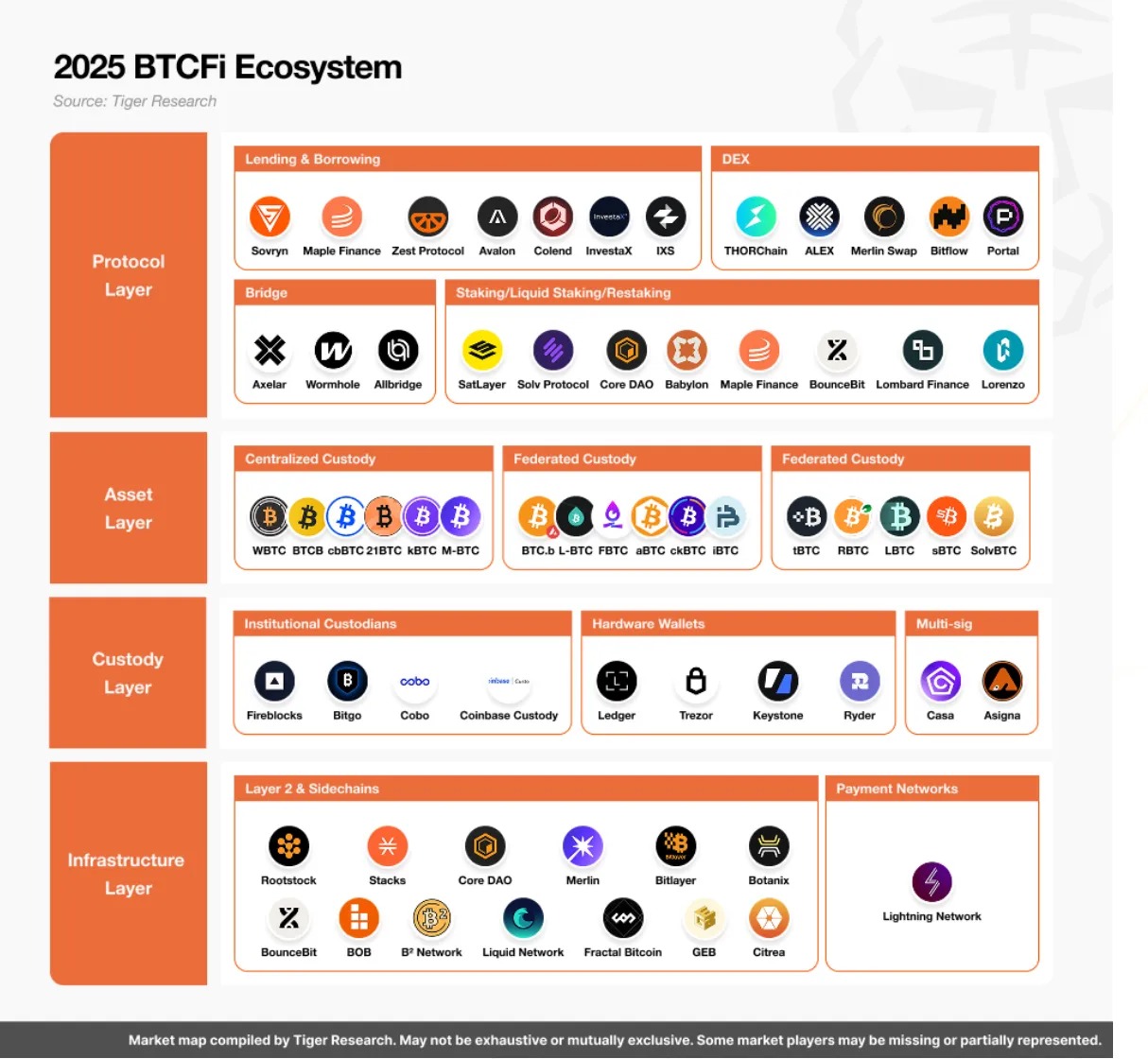
Infrastructure Layer: The first significant change is the emergence of Bitcoin-secured execution environments. These aren't L1 competitors or attempts to turn Bitcoin into a smart contract platform. They are external systems that handle computation, relying on Bitcoin only for verification. This separation is crucial. It creates a space where lending, trading, collateral management, and even more complex primitives can exist without any changes to Bitcoin's base layer. It also avoids the pitfalls of the old model, where using Bitcoin meant handing it to a custodian or trusting a multisig. Now, Bitcoin itself remains untouched; computation happens around it.

Assets & Custody Layer: Simultaneously, a new generation of Bitcoin bridges is forming, no longer the custodial, trust-heavy bridges of the last cycle, but bridges built around verifiable outcomes. Instead of requiring users to trust a set of operators, these systems use challenge mechanisms and fraud proofs to automatically reject incorrect state transitions. The result is a safer way to move Bitcoin to external environments without relying on the fragile trust assumptions of earlier designs. More importantly, this type of bridge aligns with Bitcoin holders' inherent sense of security: minimal trust, minimal dependency.

Protocol Layer: As asset movement becomes safer, the next wave of innovation focuses on what Bitcoin can do within these environments. Yield markets and security markets emerge here. For most of Bitcoin's history, earning any yield on Bitcoin meant sending it to an exchange or wrapping it onto another blockchain. Now, staking and restaking models allow Bitcoin to contribute to external network security without leaving its own custody. Yield doesn't come from credit risk or rehypothecation but from the economic value of maintaining consensus or verifying computation results.

Meanwhile, Bitcoin-native assets are starting to appear. Instead of wrapping Bitcoin or moving it to Ethereum, developers are beginning to use Taproot, Schnorr signatures, and off-chain verification to issue assets on Bitcoin or peg assets to Bitcoin's security. This includes stablecoins minted directly on Bitcoin infrastructure, synthetic assets without custodial dependencies, and vault structures allowing more flexible spending conditions. All this expands Bitcoin's utility without introducing it to different trust models.

These advances are interesting individually. Together, they mark the birth of the first coherent Bitcoin financial system. Computation can happen off-chain and be enforced on Bitcoin. Bitcoin can be moved securely without custody. It can earn yield without leaving self-custody. Assets can exist natively without relying on other ecosystems' security. Each advance solves a different part of the liquidity trap that has plagued Bitcoin for over a decade.

My Take?

I think the simplest way to view BTCFi is this: Bitcoin finally has an ecosystem that matches its scale. For years, people tried to build a Bitcoin ecosystem with tools that simply couldn't support trillion-dollar liquidity. No serious Bitcoin holder would stake their Bitcoin on custodial pegs, unverified bridges, or jury-rigged sidechains—and they didn't.

This wave is different because it meets Bitcoin entirely on its own terms. The security model remains intact, self-custody remains intact, and the surrounding systems are finally robust enough to carry meaningful capital. If even a small fraction of dormant BTC starts moving because the infrastructure is finally worthy of it, the impact will be profound.

This new wave is different because it approaches the challenge Bitcoin's way. The security model is preserved, self-custody mechanisms remain whole, and the systems around Bitcoin are finally strong enough to handle significant capital flows. Even if only a small portion of sleeping Bitcoin begins to move because the infrastructure has finally matured, the impact will be significant.


Pertanyaan Terkait

QWhat percentage of Bitcoin has not moved in over a year, and what does this indicate about its use?

AApproximately 61% of Bitcoin has not moved in over a year, and nearly 14% has been dormant for over a decade. This indicates that Bitcoin, despite its massive market cap, is largely used as a passive store of value ('digital gold') rather than for active transactions or economic activity, creating one of the largest pools of idle capital in the crypto ecosystem.

QWhat were the main limitations of Bitcoin's architecture that prevented it from being used in DeFi and other economic activities?

ABitcoin's main limitations were its script model (lacking general computation and on-chain automation), its slow and difficult upgrade path requiring ecosystem-wide coordination, its conservative developer culture that discouraged complexity, and its structural isolation with no native interoperability or bridging capabilities. These factors prioritized security and immutability over innovation and programmability.

QWhat were the problems with early workarounds like Wrapped BTC and cross-chain bridges?

AEarly workarounds like Wrapped BTC required trusting custodians or federations, introducing counterparty risk. Cross-chain bridges relied on external validator sets that were often less secure than Bitcoin itself, making them major attack vectors. These solutions moved Bitcoin into external trust models that contradicted its foundational principle of minimizing trust in intermediaries.

QWhat key technological breakthrough enabled Bitcoin to verify off-chain computations without executing them?

AThe key breakthrough was the development of verification models like BitVM, which utilize Bitcoin's ability to enforce outcomes through fraud proofs. This allows Bitcoin to check the correctness of computations performed elsewhere (off-chain) without having to perform the computations itself, enabling trust-minimized rollups, bridges, and programmable vaults.

QHow does BTCFi enable Bitcoin to earn yield without leaving its own security model?

ABTCFi enables yield generation by allowing Bitcoin to contribute to the security of other networks or protocols without being moved to custodians or wrapped. This includes Bitcoin staking (securing PoS networks), restaking (securing multiple external systems), and earning from Lightning Network liquidity provision—all while the Bitcoin remains natively on-chain under self-custody.

Bacaan Terkait

Trading

Spot
Futures

Artikel Populer

Apa Itu $S$

Memahami SPERO: Tinjauan Komprehensif Pengenalan SPERO Seiring dengan perkembangan lanskap inovasi, munculnya teknologi web3 dan proyek cryptocurrency memainkan peran penting dalam membentuk masa depan digital. Salah satu proyek yang telah menarik perhatian di bidang dinamis ini adalah SPERO, yang dilambangkan sebagai SPERO,$$s$. Artikel ini bertujuan untuk mengumpulkan dan menyajikan informasi terperinci tentang SPERO, untuk membantu para penggemar dan investor memahami dasar-dasar, tujuan, dan inovasi dalam domain web3 dan crypto. Apa itu SPERO,$$s$? SPERO,$$s$ adalah proyek unik dalam ruang crypto yang berusaha memanfaatkan prinsip desentralisasi dan teknologi blockchain untuk menciptakan ekosistem yang mendorong keterlibatan, utilitas, dan inklusi finansial. Proyek ini dirancang untuk memfasilitasi interaksi peer-to-peer dengan cara baru, memberikan pengguna solusi dan layanan keuangan yang inovatif. Pada intinya, SPERO,$$s$ bertujuan untuk memberdayakan individu dengan menyediakan alat dan platform yang meningkatkan pengalaman pengguna dalam ruang cryptocurrency. Ini termasuk memungkinkan metode transaksi yang lebih fleksibel, mendorong inisiatif yang dipimpin komunitas, dan menciptakan jalur untuk peluang finansial melalui aplikasi terdesentralisasi (dApps). Visi mendasar dari SPERO,$$s$ berputar di sekitar inklusivitas, bertujuan untuk menjembatani kesenjangan dalam keuangan tradisional sambil memanfaatkan manfaat teknologi blockchain. Siapa Pencipta SPERO,$$s$? Identitas pencipta SPERO,$$s$ tetap agak samar, karena ada sumber daya publik yang terbatas yang memberikan informasi latar belakang terperinci tentang pendiriannya. Kurangnya transparansi ini dapat berasal dari komitmen proyek terhadap desentralisasi—sebuah etos yang banyak proyek web3 bagi, memprioritaskan kontribusi kolektif di atas pengakuan individu. Dengan memusatkan diskusi di sekitar komunitas dan tujuan kolektifnya, SPERO,$$s$ mewujudkan esensi pemberdayaan tanpa menonjolkan individu tertentu. Dengan demikian, memahami etos dan misi SPERO tetap lebih penting daripada mengidentifikasi pencipta tunggal. Siapa Investor SPERO,$$s$? SPERO,$$s$ didukung oleh beragam investor mulai dari modal ventura hingga investor malaikat yang berdedikasi untuk mendorong inovasi di sektor crypto. Fokus investor ini umumnya sejalan dengan misi SPERO—memprioritaskan proyek yang menjanjikan kemajuan teknologi sosial, inklusivitas finansial, dan tata kelola terdesentralisasi. Fondasi investor ini biasanya tertarik pada proyek yang tidak hanya menawarkan produk inovatif tetapi juga memberikan kontribusi positif kepada komunitas blockchain dan ekosistemnya. Dukungan dari investor ini memperkuat SPERO,$$s$ sebagai pesaing yang patut diperhitungkan di domain proyek crypto yang berkembang pesat. Bagaimana SPERO,$$s$ Bekerja? SPERO,$$s$ menerapkan kerangka kerja multi-faceted yang membedakannya dari proyek cryptocurrency konvensional. Berikut adalah beberapa fitur kunci yang menekankan keunikan dan inovasinya: Tata Kelola Terdesentralisasi: SPERO,$$s$ mengintegrasikan model tata kelola terdesentralisasi, memberdayakan pengguna untuk berpartisipasi aktif dalam proses pengambilan keputusan mengenai masa depan proyek. Pendekatan ini mendorong rasa kepemilikan dan akuntabilitas di antara anggota komunitas. Utilitas Token: SPERO,$$s$ memanfaatkan token cryptocurrency-nya sendiri, yang dirancang untuk melayani berbagai fungsi dalam ekosistem. Token ini memungkinkan transaksi, hadiah, dan fasilitasi layanan yang ditawarkan di platform, meningkatkan keterlibatan dan utilitas secara keseluruhan. Arsitektur Berlapis: Arsitektur teknis SPERO,$$s$ mendukung modularitas dan skalabilitas, memungkinkan integrasi fitur dan aplikasi tambahan secara mulus seiring dengan perkembangan proyek. Kemampuan beradaptasi ini sangat penting untuk mempertahankan relevansi di lanskap crypto yang selalu berubah. Keterlibatan Komunitas: Proyek ini menekankan inisiatif yang dipimpin komunitas, menggunakan mekanisme yang memberikan insentif untuk kolaborasi dan umpan balik. Dengan memelihara komunitas yang kuat, SPERO,$$s$ dapat lebih baik memenuhi kebutuhan pengguna dan beradaptasi dengan tren pasar. Fokus pada Inklusi: Dengan menawarkan biaya transaksi yang rendah dan antarmuka yang ramah pengguna, SPERO,$$s$ bertujuan untuk menarik basis pengguna yang beragam, termasuk individu yang mungkin sebelumnya tidak terlibat dalam ruang crypto. Komitmen ini terhadap inklusi sejalan dengan misi utamanya untuk memberdayakan melalui aksesibilitas. Garis Waktu SPERO,$$s$ Memahami sejarah proyek memberikan wawasan penting tentang trajektori dan tonggak perkembangannya. Berikut adalah garis waktu yang disarankan yang memetakan peristiwa signifikan dalam evolusi SPERO,$$s$: Fase Konseptualisasi dan Ideasi: Ide awal yang membentuk dasar SPERO,$$s$ dikembangkan, sangat selaras dengan prinsip desentralisasi dan fokus komunitas dalam industri blockchain. Peluncuran Whitepaper Proyek: Setelah fase konseptual, whitepaper komprehensif yang merinci visi, tujuan, dan infrastruktur teknologi SPERO,$$s$ dirilis untuk menarik minat dan umpan balik komunitas. Pembangunan Komunitas dan Keterlibatan Awal: Upaya jangkauan aktif dilakukan untuk membangun komunitas pengguna awal dan investor potensial, memfasilitasi diskusi seputar tujuan proyek dan mendapatkan dukungan. Acara Generasi Token: SPERO,$$s$ melakukan acara generasi token (TGE) untuk mendistribusikan token asli kepada pendukung awal dan membangun likuiditas awal dalam ekosistem. Peluncuran dApp Awal: Aplikasi terdesentralisasi (dApp) pertama yang terkait dengan SPERO,$$s$ diluncurkan, memungkinkan pengguna untuk terlibat dengan fungsionalitas inti platform. Pengembangan Berkelanjutan dan Kemitraan: Pembaruan dan peningkatan berkelanjutan terhadap penawaran proyek, termasuk kemitraan strategis dengan pemain lain di ruang blockchain, telah membentuk SPERO,$$s$ menjadi pemain yang kompetitif dan berkembang di pasar crypto. Kesimpulan SPERO,$$s$ berdiri sebagai bukti potensi web3 dan cryptocurrency untuk merevolusi sistem keuangan dan memberdayakan individu. Dengan komitmen terhadap tata kelola terdesentralisasi, keterlibatan komunitas, dan fungsionalitas yang dirancang secara inovatif, ia membuka jalan menuju lanskap keuangan yang lebih inklusif. Seperti halnya investasi di ruang crypto yang berkembang pesat, calon investor dan pengguna dianjurkan untuk melakukan riset secara menyeluruh dan terlibat dengan perkembangan yang sedang berlangsung dalam SPERO,$$s$. Proyek ini menunjukkan semangat inovatif industri crypto, mengundang eksplorasi lebih lanjut ke dalam berbagai kemungkinan yang ada. Meskipun perjalanan SPERO,$$s$ masih berlangsung, prinsip-prinsip dasarnya mungkin benar-benar mempengaruhi masa depan cara kita berinteraksi dengan teknologi, keuangan, dan satu sama lain dalam ekosistem digital yang saling terhubung.

75 Total TayanganDipublikasikan pada 2024.12.17Diperbarui pada 2024.12.17

Apa Itu $S$

Apa Itu AGENT S

Agent S: Masa Depan Interaksi Otonom di Web3 Pendahuluan Dalam lanskap Web3 dan cryptocurrency yang terus berkembang, inovasi secara konstan mendefinisikan ulang cara individu berinteraksi dengan platform digital. Salah satu proyek perintis, Agent S, menjanjikan untuk merevolusi interaksi manusia-komputer melalui kerangka agen terbuka. Dengan membuka jalan untuk interaksi otonom, Agent S bertujuan untuk menyederhanakan tugas-tugas kompleks, menawarkan aplikasi transformasional dalam kecerdasan buatan (AI). Eksplorasi mendetail ini akan menyelami seluk-beluk proyek, fitur uniknya, dan implikasinya untuk domain cryptocurrency. Apa itu Agent S? Agent S berdiri sebagai kerangka agen terbuka yang inovatif, dirancang khusus untuk mengatasi tiga tantangan mendasar dalam otomatisasi tugas komputer: Memperoleh Pengetahuan Spesifik Domain: Kerangka ini secara cerdas belajar dari berbagai sumber pengetahuan eksternal dan pengalaman internal. Pendekatan ganda ini memberdayakannya untuk membangun repositori pengetahuan spesifik domain yang kaya, meningkatkan kinerjanya dalam pelaksanaan tugas. Perencanaan Selama Rentang Tugas yang Panjang: Agent S menggunakan perencanaan hierarkis yang ditingkatkan pengalaman, pendekatan strategis yang memfasilitasi pemecahan dan pelaksanaan tugas-tugas rumit dengan efisien. Fitur ini secara signifikan meningkatkan kemampuannya untuk mengelola beberapa subtugas dengan efisien dan efektif. Menangani Antarmuka Dinamis dan Tidak Seragam: Proyek ini memperkenalkan Antarmuka Agen-Komputer (ACI), solusi inovatif yang meningkatkan interaksi antara agen dan pengguna. Dengan memanfaatkan Model Bahasa Besar Multimodal (MLLM), Agent S dapat menavigasi dan memanipulasi berbagai antarmuka pengguna grafis dengan mulus. Melalui fitur-fitur perintis ini, Agent S menyediakan kerangka kerja yang kuat yang mengatasi kompleksitas yang terlibat dalam mengotomatisasi interaksi manusia dengan mesin, membuka jalan untuk berbagai aplikasi dalam AI dan seterusnya. Siapa Pencipta Agent S? Meskipun konsep Agent S secara fundamental inovatif, informasi spesifik tentang penciptanya tetap samar. Pencipta saat ini tidak diketahui, yang menyoroti baik tahap awal proyek atau pilihan strategis untuk menjaga anggota pendiri tetap tersembunyi. Terlepas dari anonimitas, fokus tetap pada kemampuan dan potensi kerangka kerja. Siapa Investor Agent S? Karena Agent S relatif baru dalam ekosistem kriptografi, informasi terperinci mengenai investor dan pendukung keuangannya tidak secara eksplisit didokumentasikan. Kurangnya wawasan yang tersedia untuk umum mengenai fondasi investasi atau organisasi yang mendukung proyek ini menimbulkan pertanyaan tentang struktur pendanaannya dan peta jalan pengembangannya. Memahami dukungan sangat penting untuk mengukur keberlanjutan proyek dan potensi dampak pasar. Bagaimana Cara Kerja Agent S? Di inti Agent S terletak teknologi mutakhir yang memungkinkannya berfungsi secara efektif dalam berbagai pengaturan. Model operasionalnya dibangun di sekitar beberapa fitur kunci: Interaksi Komputer yang Mirip Manusia: Kerangka ini menawarkan perencanaan AI yang canggih, berusaha untuk membuat interaksi dengan komputer lebih intuitif. Dengan meniru perilaku manusia dalam pelaksanaan tugas, ia menjanjikan untuk meningkatkan pengalaman pengguna. Memori Naratif: Digunakan untuk memanfaatkan pengalaman tingkat tinggi, Agent S memanfaatkan memori naratif untuk melacak sejarah tugas, sehingga meningkatkan proses pengambilan keputusannya. Memori Episodik: Fitur ini memberikan panduan langkah demi langkah kepada pengguna, memungkinkan kerangka untuk menawarkan dukungan kontekstual saat tugas berlangsung. Dukungan untuk OpenACI: Dengan kemampuan untuk berjalan secara lokal, Agent S memungkinkan pengguna untuk mempertahankan kontrol atas interaksi dan alur kerja mereka, sejalan dengan etos terdesentralisasi Web3. Integrasi Mudah dengan API Eksternal: Versatilitas dan kompatibilitasnya dengan berbagai platform AI memastikan bahwa Agent S dapat dengan mulus masuk ke dalam ekosistem teknologi yang ada, menjadikannya pilihan menarik bagi pengembang dan organisasi. Fungsionalitas ini secara kolektif berkontribusi pada posisi unik Agent S dalam ruang kripto, saat ia mengotomatisasi tugas-tugas kompleks yang melibatkan banyak langkah dengan intervensi manusia yang minimal. Seiring proyek ini berkembang, aplikasi potensialnya di Web3 dapat mendefinisikan ulang bagaimana interaksi digital berlangsung. Garis Waktu Agent S Pengembangan dan tonggak Agent S dapat dirangkum dalam garis waktu yang menyoroti peristiwa pentingnya: 27 September 2024: Konsep Agent S diluncurkan dalam sebuah makalah penelitian komprehensif berjudul “Sebuah Kerangka Agen Terbuka yang Menggunakan Komputer Seperti Manusia,” yang menunjukkan dasar untuk proyek ini. 10 Oktober 2024: Makalah penelitian tersebut dipublikasikan secara terbuka di arXiv, menawarkan eksplorasi mendalam tentang kerangka kerja dan evaluasi kinerjanya berdasarkan tolok ukur OSWorld. 12 Oktober 2024: Sebuah presentasi video dirilis, memberikan wawasan visual tentang kemampuan dan fitur Agent S, lebih lanjut melibatkan pengguna dan investor potensial. Tanda-tanda dalam garis waktu ini tidak hanya menggambarkan kemajuan Agent S tetapi juga menunjukkan komitmennya terhadap transparansi dan keterlibatan komunitas. Poin Kunci Tentang Agent S Seiring kerangka Agent S terus berkembang, beberapa atribut kunci menonjol, menekankan sifat inovatif dan potensinya: Kerangka Inovatif: Dirancang untuk memberikan penggunaan komputer yang intuitif seperti interaksi manusia, Agent S membawa pendekatan baru untuk otomatisasi tugas. Interaksi Otonom: Kemampuan untuk berinteraksi secara otonom dengan komputer melalui GUI menandakan lompatan menuju solusi komputasi yang lebih cerdas dan efisien. Otomatisasi Tugas Kompleks: Dengan metodologinya yang kuat, ia dapat mengotomatisasi tugas-tugas kompleks yang melibatkan banyak langkah, membuat proses lebih cepat dan kurang rentan terhadap kesalahan. Perbaikan Berkelanjutan: Mekanisme pembelajaran memungkinkan Agent S untuk belajar dari pengalaman masa lalu, terus meningkatkan kinerja dan efektivitasnya. Versatilitas: Adaptabilitasnya di berbagai lingkungan operasi seperti OSWorld dan WindowsAgentArena memastikan bahwa ia dapat melayani berbagai aplikasi. Saat Agent S memposisikan dirinya di lanskap Web3 dan kripto, potensinya untuk meningkatkan kemampuan interaksi dan mengotomatisasi proses menandakan kemajuan signifikan dalam teknologi AI. Melalui kerangka inovatifnya, Agent S mencerminkan masa depan interaksi digital, menjanjikan pengalaman yang lebih mulus dan efisien bagi pengguna di berbagai industri. Kesimpulan Agent S mewakili lompatan berani ke depan dalam pernikahan AI dan Web3, dengan kapasitas untuk mendefinisikan ulang cara kita berinteraksi dengan teknologi. Meskipun masih dalam tahap awal, kemungkinan aplikasinya sangat luas dan menarik. Melalui kerangka komprehensifnya yang mengatasi tantangan kritis, Agent S bertujuan untuk membawa interaksi otonom ke garis depan pengalaman digital. Saat kita melangkah lebih dalam ke dalam ranah cryptocurrency dan desentralisasi, proyek-proyek seperti Agent S pasti akan memainkan peran penting dalam membentuk masa depan teknologi dan kolaborasi manusia-komputer.

745 Total TayanganDipublikasikan pada 2025.01.14Diperbarui pada 2025.01.14

Apa Itu AGENT S

Cara Membeli S

Selamat datang di HTX.com! Kami telah membuat pembelian Sonic (S) menjadi mudah dan nyaman. Ikuti panduan langkah demi langkah kami untuk memulai perjalanan kripto Anda.Langkah 1: Buat Akun HTX AndaGunakan alamat email atau nomor ponsel Anda untuk mendaftar akun gratis di HTX. Rasakan perjalanan pendaftaran yang mudah dan buka semua fitur.Dapatkan Akun SayaLangkah 2: Buka Beli Kripto, lalu Pilih Metode Pembayaran AndaKartu Kredit/Debit: Gunakan Visa atau Mastercard Anda untuk membeli Sonic (S) secara instan.Saldo: Gunakan dana dari saldo akun HTX Anda untuk melakukan trading dengan lancar.Pihak Ketiga: Kami telah menambahkan metode pembayaran populer seperti Google Pay dan Apple Pay untuk meningkatkan kenyamanan.P2P: Lakukan trading langsung dengan pengguna lain di HTX.Over-the-Counter (OTC): Kami menawarkan layanan yang dibuat khusus dan kurs yang kompetitif bagi para trader.Langkah 3: Simpan Sonic (S) AndaSetelah melakukan pembelian, simpan Sonic (S) di akun HTX Anda. Selain itu, Anda dapat mengirimkannya ke tempat lain melalui transfer blockchain atau menggunakannya untuk memperdagangkan mata uang kripto lainnya.Langkah 4: Lakukan trading Sonic (S)Lakukan trading Sonic (S) dengan mudah di pasar spot HTX. Cukup akses akun Anda, pilih pasangan perdagangan, jalankan trading, lalu pantau secara real-time. Kami menawarkan pengalaman yang ramah pengguna baik untuk pemula maupun trader berpengalaman.

1.1k Total TayanganDipublikasikan pada 2025.01.15Diperbarui pada 2025.03.21

Cara Membeli S

Diskusi

Selamat datang di Komunitas HTX. Di sini, Anda bisa terus mendapatkan informasi terbaru tentang perkembangan platform terkini dan mendapatkan akses ke wawasan pasar profesional. Pendapat pengguna mengenai harga S (S) disajikan di bawah ini.

活动图片