Recent Mass Shutdowns of DeFi Protocols: They All Have One Thing in Common

marsbitDipublikasikan tanggal 2026-03-06Terakhir diperbarui pada 2026-03-06

Abstrak

In recent months, multiple DeFi protocols have announced shutdowns, not due to exit scams but because of a lack of users, funding, or both. Projects like Angle Protocol, Polynomial, MilkyWay, and Step Finance—despite having functional products and significant past traction—were unable to sustain operations. Common challenges included an inability to attract liquidity (especially critical in derivatives), failure to achieve product-market fit, and high costs of expanding to new chains or narratives. Many teams pivoted repeatedly to chase trends like restaking or real-world assets but ran out of capital before finding sustainable demand. Others, like ZeroLend, suffered from deploying on smaller blockchains that lost liquidity during market downturns. Despite these failures, the projects shut down responsibly, allowing users to withdraw funds and avoiding reckless token launches—a sign of industry maturation compared to the reckless exits of 2022.

Author: Ignas

Compiled by: Chopper, Foresight News

Over the past two months, at least 10 crypto protocols have announced their closure. Not rug pulls, but due to no users, no money, or both.
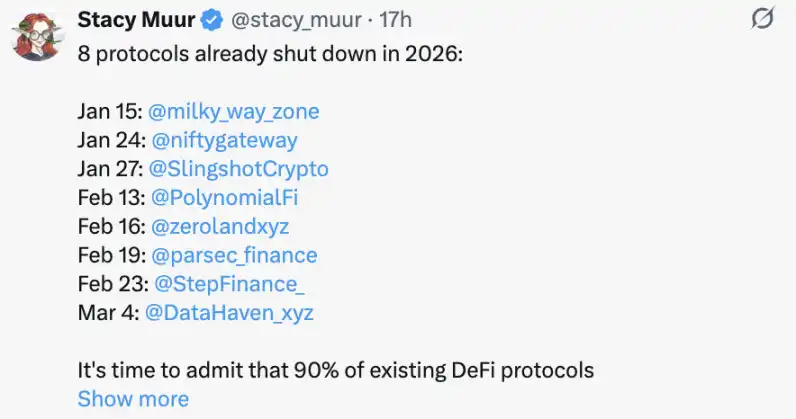
Not to mention mining companies like BlockFills and lending platforms freezing withdrawals. Just yesterday, Angle also announced (https://x.com/AngleProtocol/status/2029161525580112263) the gradual shutdown of its EURA and USDA stablecoins, despite having reached a Total Value Locked (TVL) of $250 million and having strong business partnerships.

Angle stated bluntly in the announcement, "The decentralized stablecoin landscape has completely changed. Yield-bearing stablecoins today are essentially just branded wrappers over existing vaults and lending protocols; there's no longer a need to maintain a separate, independent infrastructure."

These shuttered projects almost all had functional products:

  • Polynomial processed a cumulative trading volume of $4 billion across 70 markets
  • MilkyWay's TVL once reached $250 million
  • Step Finance had a peak of 300,000 monthly active users

I've used, or at least tried, these products. The technology wasn't the issue, but no one was willing to pay the fees needed for the projects to survive.

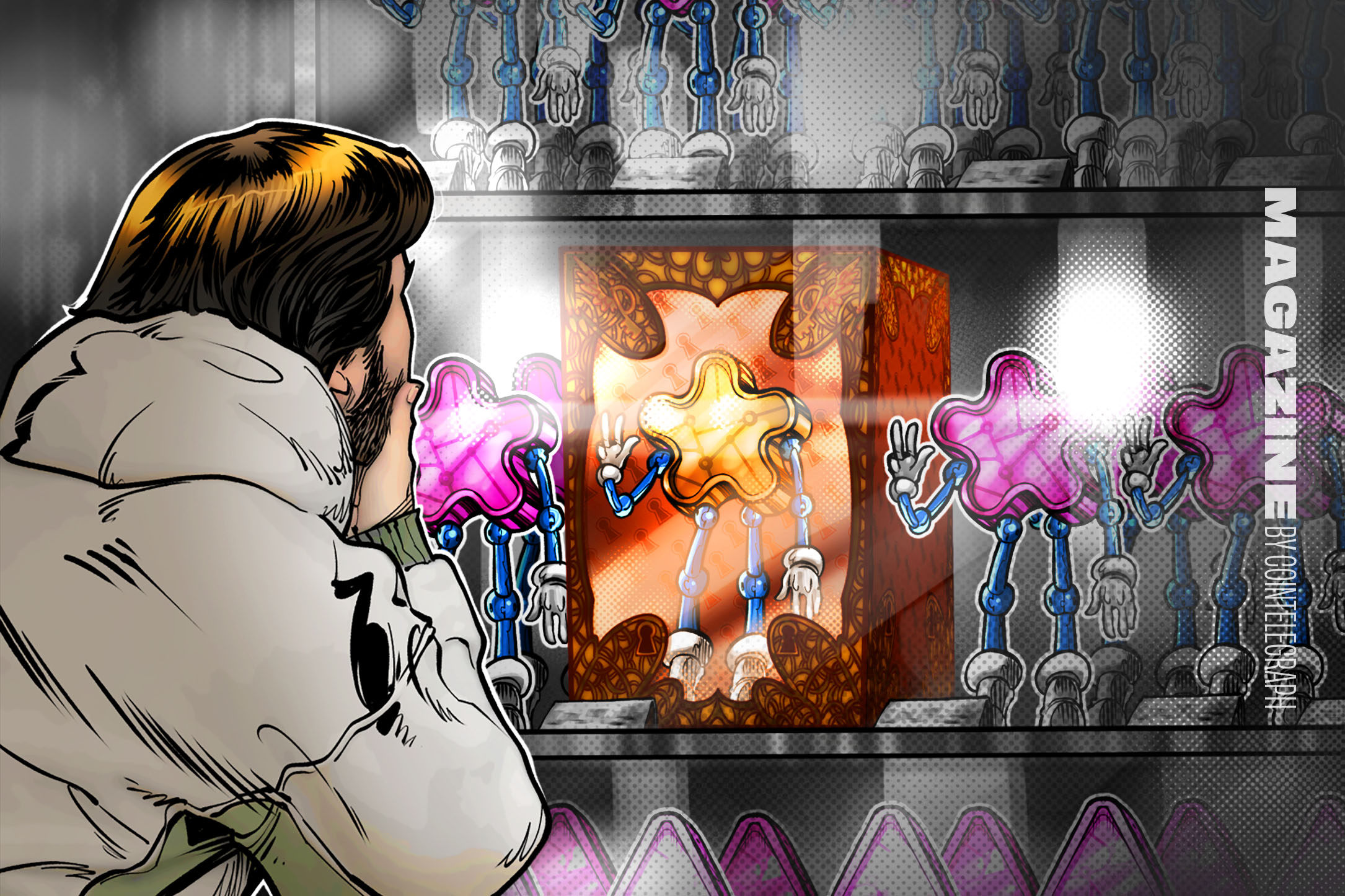
MilkyWay is a typical example: four pivots in less than two years. Starting with Celestia liquid staking, then moving to restaking, RWA tokenization, and crypto debit cards for rent payments... each pivot chased the hype of the moment.

Their description of the restaking pivot is poignant: "We identified the restaking opportunity early, designed the system, TVL to $250M, completed security audits, and were ready to launch. But the market moved on from restaking faster than anyone anticipated."

In the end, they had to admit the funding wouldn't last long enough to find product-market fit.

The Polynomial team was brutally honest about the reason for failure, offering a lesson for all perpetual contract projects: "In derivatives, good tech is useless. We improved execution speed, optimized UX, built innovative infrastructure, but none of it mattered. Traders go where the liquidity is. We didn't have it. Everything else is just a nice-to-have feature."

The conclusion is even harsher: "Liquidity is the only moat in derivatives. You can't beat liquidity with innovation, you can't beat it with marketing, you can't beat it with development."

ZeroLend's shutdown sounds a warning bell for dApps trying to launch on multiple blockchains. They bet on supporting projects on niche chains like Manta, Zircuit, and Xlayer, but when the market turned bearish, liquidity on these chains dried up, and oracle providers stopped their services.

Ultimately, operating at a long-term loss was unsustainable.

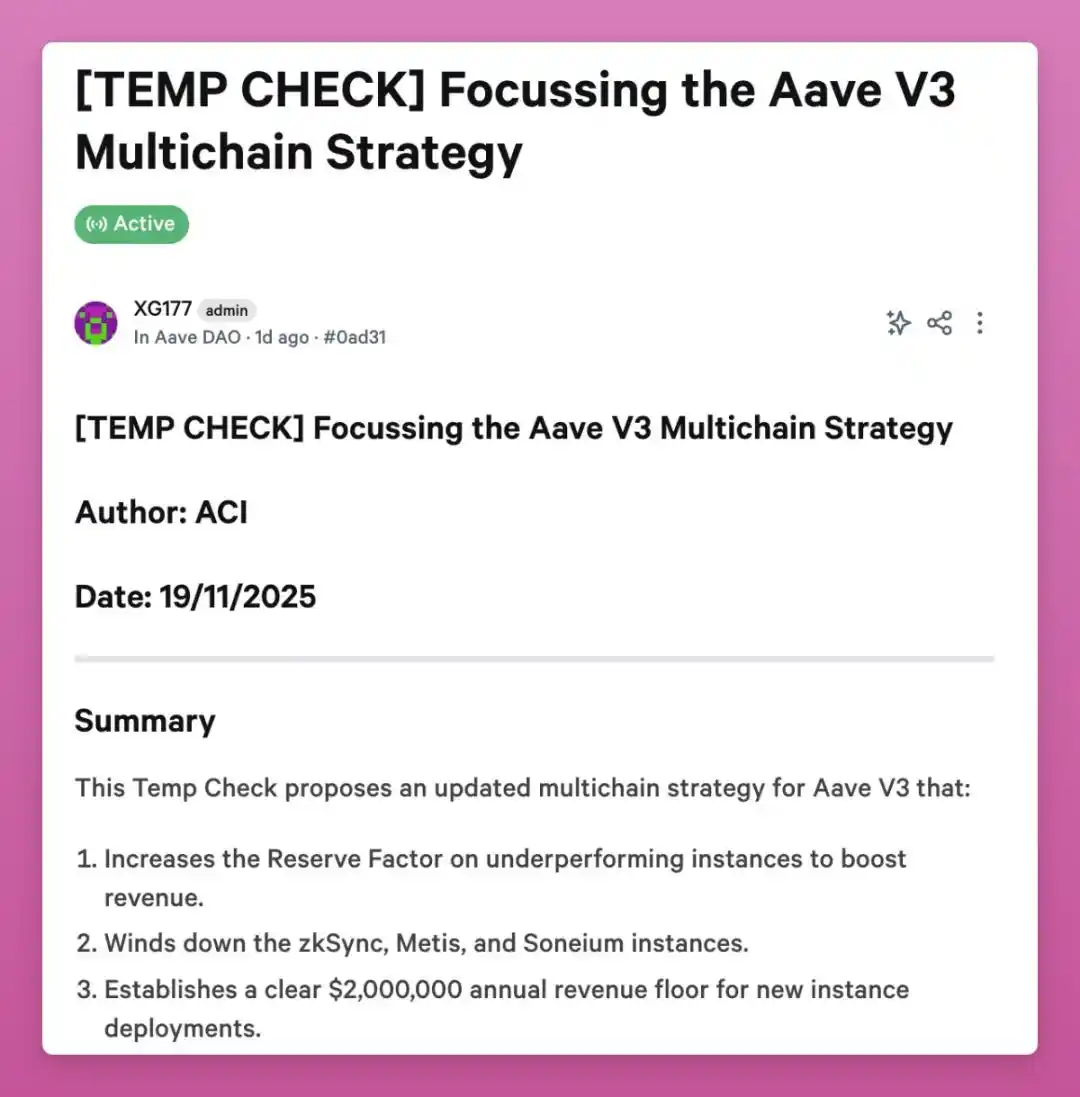
Aave recently also voted to shut down services on several chains, citing the same reason of unprofitable operation.
Then there's Parsec, once a legendary tool in the circle used to track Terra, 3AC, and the stETH depeg. But the team admitted, "After the FTX collapse, DeFi spot trading, lending, and leverage never returned to their former state. The market changed, on-chain behavior changed, and we didn't truly understand it."

Simply put, the market moved on, and we were left behind. The market is cruel.

Slingshot was acquired and completely shut down. Eden cut 80% of its unprofitable products, keeping only the core business.

As they said, "The 80/20 rule became a reality; the products that cost us 80% of our expenses brought in only 20% of the revenue."

Finally, Step Finance's case is more unique: it was hacked for $26 million on January 31st, which was a death sentence. "We tried fundraising, acquisition, nothing worked."

What's the common thread among these deceased projects? They failed to adapt to the ever-changing market and lacked sufficient capital to pivot again.

Each team bet on a particular ecosystem experiencing explosive growth, but the growth either wasn't fast enough or didn't happen at all. Celestia DeFi never truly took off, on-chain derivatives struggled to compete with Hyperliquid, and even established platforms like dYdX and GMX are having a hard time.

And expanding into new chains and narrative areas is costly.

For players like me, moving funds from one platform to another is effortless and cheap. But applications need to invest significant time and financial resources to prepare for potential new user bases.

The good news is, these were all "dignified deaths." All projects gave users time to withdraw funds; the teams didn't run away or issue tokens to cash out. Compared to the outright rug pulls of 2022, the industry has indeed learned to die responsibly.


Kripto yang Sedang Tren

Pertanyaan Terkait

QWhat is the common reason behind the recent shutdowns of multiple DeFi protocols?

AThe common reason is that these protocols failed to adapt to the rapidly changing market conditions and lacked sufficient funding to pivot or sustain operations, despite having functional products.

QAccording to Angle Protocol, why did they decide to shut down their stablecoin operations?

AAngle Protocol stated that the decentralized stablecoin landscape has fundamentally changed, and yield-bearing stablecoins are now essentially just branded wrappers over existing vaults and lending protocols, making it unnecessary to maintain independent infrastructure.

QWhat did Polynomial identify as the only moat in the derivatives space?

APolynomial identified liquidity as the only moat in the derivatives space, emphasizing that innovation, marketing, or development cannot overcome the advantage of liquidity.

QWhat lesson did ZeroLend's shutdown provide for decentralized applications?

AZeroLend's shutdown served as a warning for dApps launching on multiple blockchains, as betting on smaller chains like Manta and Xlayer led to liquidity drying up and oracle services halting when the bear market hit.

QHow did the shutdowns of these protocols demonstrate responsible behavior compared to past incidents?

AThese protocols allowed users time to withdraw funds, did not engage in exit scams, and avoided issuing worthless tokens, showing that the industry has learned to 'die responsibly' compared to the outright fraud seen in 2022.

Bacaan Terkait

Web3 yang Dulu Begitu Populer, Kini Masuki Gelombang PHK

Web3 yang pernah panas memasuki gelombang PHK besar-besaran. Di tengah klaim bahwa AI adalah alasan utama pengurangan tenaga kerja, banyak perusahaan sebenarnya menghadapi tekanan finansial. Industri Web3, sebagai persimpangan teknologi dan keuangan, terkena dampak parah. PHK terjadi dengan cepat dan tanpa peringatan. Banyak karyawan menerima notifikasi tiba-tiba, akses sistem langsung diputus, dan komunikasi terputus. Kompensasi sering kali tidak memadai, dengan perusahaan menggunakan alasan seperti "kinerja buruk" atau mengarahkan karyawan untuk memilih "mengundurkan diri secara sukarela" guna menghindari pembayaran kompensasi. Tempat kerja menjadi sangat beracun. Budaya "rapat berdiri" yang ekstrem, jam kerja yang panjang tanpa batas, pengawasan ketat, dan tekanan konstan merusak moral. Perebutan kekuasaan di antara manajemen menciptakan ketidakstabilan, di mana karyawan menjadi korban. Mereka yang bukan bagian dari "kelompok dalam" sering dikucilkan atau dialihkan ke posisi pinggiran sebelum akhirnya dipecat. Model bisnis inti Web3 — biaya perdagangan dan pencatatan koin — sedang runtuh. Biaya pencatatan yang tinggi membunuh inovasi, kualitas proyek menurun, dan investor ritel menjauh. Peristiwa likuidasi besar-besaran pada Oktober lalu semakin menguras kepercayaan. Peningkatan platform derivatif on-chain juga memberikan tekanan pada pertukaran terpusat. Banyak pekerja yang di-PHK beralih ke industri AI, yang dilihat lebih cerah. Namun, mereka yang tetap di Web3 menghadapi diskriminasi dari industri tradisional, yang memandang rendah latar belakang kripto. Sementara itu, di dalam industri, persaingan tidak sehat seperti saling merebut karyawan dan perang gosip terus berlanjut, menguras energi dalam pasar yang menyusut. Musim dingin ini berbeda. Bukan hanya siklus biasa, tetapi akibat dari model bisnis yang tidak berkelanjutan, praktik buruk, dan hilangnya kepercayaan. Pertanyaannya tetap: kemunduran industri Web3 ini adalah kesalahan siapa?

marsbit42m yang lalu

Web3 yang Dulu Begitu Populer, Kini Masuki Gelombang PHK

marsbit42m yang lalu

Penjualan Turun 26% Malah Naik Harga? Dilema Xiaomi

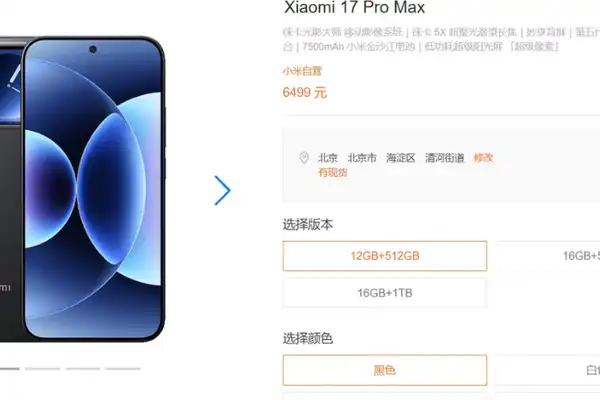
Industri ponsel menghadapi ujian berat dengan melonjaknya biaya komponen inti, khususnya chip penyimpanan. Pada 2 Agustus, Xiaomi melakukan penyesuaian harga ketiga kalinya tahun ini, menaikkan harga 9 model termasuk seri Xiaomi 17, REDMI K90, dan Turbo 5. Kenaikan mencapai 400-500 yuan untuk lini flagship, dengan Xiaomi 17 Pro Max kini mulai dari 6.499 yuan. Penyesuaian ini menyusul kenaikan bertahap sejak Maret, mencerminkan tekanan biaya yang merambat dari model entry-level hingga flagship. Lonjakan biaya terutama didorong oleh naiknya harga chip memori (DRAM dan NAND). Permintaan tinggi untuk HBM (High Bandwidth Memory) untuk AI telah mengalihkan kapasitas produksi, memangkas pasokan untuk perangkat konsumen. Presiden Grup Xiaomi, Lu Weibing, mengungkapkan harga memori untuk versi yang sama telah melonjak hampir 4 kali lipat dibandingkan kuartal pertama 2025, menambah biaya sekitar 1.500 yuan per unit untuk konfigurasi 12GB+512GB. Tren kenaikan diperkirakan berlanjut hingga akhir 2027 atau 2028. Sementara itu, Xiaomi juga mengalami tekanan penjualan. Data IDC kuartal II 2026 menunjukkan pengiriman ponsel global Xiaomi turun 26,3% year-on-year menjadi 31,2 juta unit, meski tetap menjadi produsen China teratas peringkat ketiga dunia. Di pasar domestik China, pangsa Xiaomi turun ke posisi kelima dengan penurunan 21%, di bawah Huawei, Apple, OPPO, dan vivo. Penurunan ini disebabkan kombinasi harga yang lebih tinggi yang menekan permintaan dan strategi Xiaomi mengurangi proporsi model entry-level untuk meningkatkan struktur produk. Untuk menghadapi tantangan ganda ini, Xiaomi berupaya mengurangi ketergantungan melalui penguatan chip in-house (seri Surge) dan mengoptimalkan konfigurasi serta proporsi model penyimpanan (SKU) di berbagai segmen harga. Xiaomi bukan satu-satunya. Sejak Maret, merek seperti OPPO, vivo, dan Honor juga telah menaikkan harga, dengan Apple menaikkan harga iPad dan MacBook pada Juni. Industri memprediksi gelombang penyesuaian harga kedua akan terjadi pada paruh kedua tahun ini. Siklus kenaikan harga industri yang luas telah dimulai, memaksa perusahaan dan konsumen untuk menyesuaikan strategi.

marsbit56m yang lalu

Penjualan Turun 26% Malah Naik Harga? Dilema Xiaomi

marsbit56m yang lalu

Trading

Spot

Artikel Populer

Cara Membeli ONE

Selamat datang di HTX.com! Kami telah membuat pembelian Harmony (ONE) menjadi mudah dan nyaman. Ikuti panduan langkah demi langkah kami untuk memulai perjalanan kripto Anda.Langkah 1: Buat Akun HTX AndaGunakan alamat email atau nomor ponsel Anda untuk mendaftar akun gratis di HTX. Rasakan perjalanan pendaftaran yang mudah dan buka semua fitur.Dapatkan Akun SayaLangkah 2: Buka Beli Kripto, lalu Pilih Metode Pembayaran AndaKartu Kredit/Debit: Gunakan Visa atau Mastercard Anda untuk membeli Harmony (ONE) secara instan.Saldo: Gunakan dana dari saldo akun HTX Anda untuk melakukan trading dengan lancar.Pihak Ketiga: Kami telah menambahkan metode pembayaran populer seperti Google Pay dan Apple Pay untuk meningkatkan kenyamanan.P2P: Lakukan trading langsung dengan pengguna lain di HTX.Over-the-Counter (OTC): Kami menawarkan layanan yang dibuat khusus dan kurs yang kompetitif bagi para trader.Langkah 3: Simpan Harmony (ONE) AndaSetelah melakukan pembelian, simpan Harmony (ONE) di akun HTX Anda. Selain itu, Anda dapat mengirimkannya ke tempat lain melalui transfer blockchain atau menggunakannya untuk memperdagangkan mata uang kripto lainnya.Langkah 4: Lakukan trading Harmony (ONE)Lakukan trading Harmony (ONE) dengan mudah di pasar spot HTX. Cukup akses akun Anda, pilih pasangan perdagangan, jalankan trading, lalu pantau secara real-time. Kami menawarkan pengalaman yang ramah pengguna baik untuk pemula maupun trader berpengalaman.

663 Total TayanganDipublikasikan pada 2024.12.12Diperbarui pada 2026.06.02

Cara Membeli ONE

Diskusi

Selamat datang di Komunitas HTX. Di sini, Anda bisa terus mendapatkan informasi terbaru tentang perkembangan platform terkini dan mendapatkan akses ke wawasan pasar profesional. Pendapat pengguna mengenai harga ONE (ONE) disajikan di bawah ini.

活动图片