Banks Won’t Trust Ripple And XRP, SWIFT CIO Says

bitcoinistDipublikasikan tanggal 2025-09-03Terakhir diperbarui pada 2025-09-03

Abstrak

Ripple and XRP were thrust into the spotlight after SWIFT chief innovation officer (CIO) Tom Zschach delivered a pointed critique...

Trusted Editorial content, reviewed by leading industry experts and seasoned editors. Ad Disclosure

Ripple and XRP were thrust into the spotlight after SWIFT chief innovation officer (CIO) Tom Zschach delivered a pointed critique on LinkedIn—widely read as a jab at the company and its XRP token—over what actually constitutes “resilience” for banks and how institutional trust is earned.

The exchange began under a comment praising Ripple’s regulatory endurance, where Zschach countered bluntly: “Surviving lawsuits isn’t resilience. Neutral, shared governance is. Institutions don’t want to live on a competitor’s rails.” He followed by rejecting the notion that a single firm’s rapport with watchdogs equals compliance, writing: “And compliance isn’t about one company convincing regulators it should be allowed to operate. It’s about an entire industry agreeing on shared standards that no single balance sheet controls.”

Ripple Vs. SWIFT

Zschach then broadened the frame in a longer post about how banks actually adopt technology. “Every major shift in finance begins the same way. Technology lays the foundation but trust decides when the building opens.”

He recalled that previous “next big things” in finance stalled not on throughput, but on the absence of compliance and security. The parallel he drew to public blockchains in 2025 was explicit: they are becoming too consequential to ignore—“Tokenized treasuries. Collateral on-chain. Cross-border payments that actually settle”—yet raw technical performance is not the finish line.

They think the public chain itself is the solution. It isn’t,” he argued, calling public networks “the base environment for execution,” powerful for deterministic, programmable settlement but insufficient without the “trust layer” of legal enforceability, compliance, and privacy. Without that layer, he warned, a public chain is “a fast engine with no cockpit.”

Crucially, Zschach’s critique drew a governance boundary that cuts to the heart of Ripple’s pitch to banks without naming the company. He re-centered the conversation on neutrality and shared control, rather than on the courtroom durability or regulatory narratives of any single firm. In his words, institutions want “shared standards that no single balance sheet controls,” and they will resist depending on “a competitor’s rails.”

He extended the caution to consortia as well: “If a bank joins a chain owned or controlled by another bank then they are accepting someone else’s governance, incentives and rules of the game. In today’s environment is that a form of dependency that banks will be comfortable with?” The throughline is that institutional adoption hinges less on whether one vendor has outlasted enforcement actions and more on whether the infrastructure is credibly neutral, co-governed, and enforceable in law.

Zschach’s taxonomy of public chains as “substrate” underscores how he expects the industry to evolve. In biology, computing, and construction, a substrate is foundational; what matters for banks is what gets layered above it. He urged builders not to “fight the public chains” but to harness them while solving for compliance from day one and for privacy “without killing transparency.”

That is where he believes the “opportunity lies,” with finance ultimately “absorbing the best of public chains on its own terms.” The open question he posed back to the market—“When will banks and financial institutions truly trust public blockchains and at what pace will that trust build?”—puts the burden of proof on governance design and standards alignment, not on marketing milestones.

For Ripple and XRP, the implication is clear even if Zschach never typed the name in his critique: the bar for bank adoption isn’t surviving litigation or securing green lights for a specific product stack; it is convincing the industry that the rails they ride are neutral, shared, and not controlled by any single company’s balance sheet (like Ripple’s escrow still controlling more than 35% of all XRP). In that lens, resilience is measured in how power is distributed, how rules are enforced, and how privacy and compliance are engineered—precisely the dimensions Zschach says decide “when the building opens.”

At press time, XRP traded at $2.77.
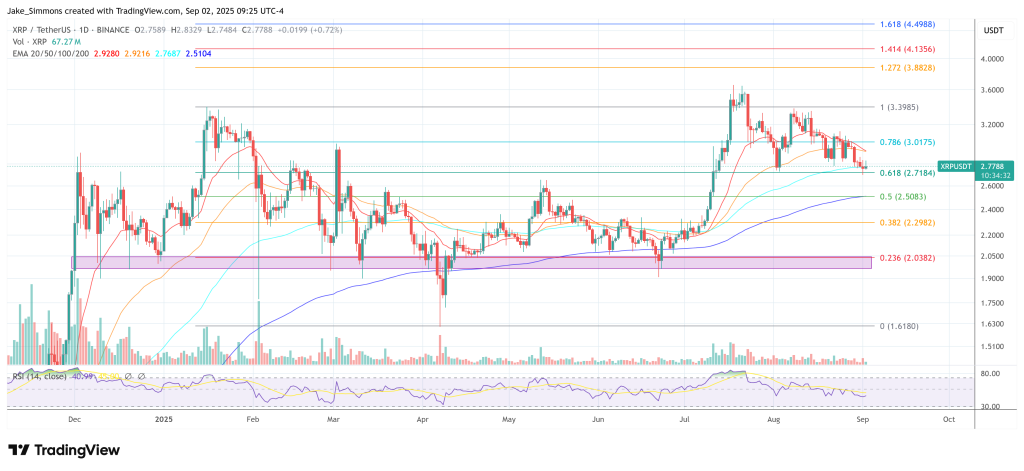
XRP price
XRP remains above the 0.618 Fib, 1-day chart | Source: XRPUSDT on TradingView.com
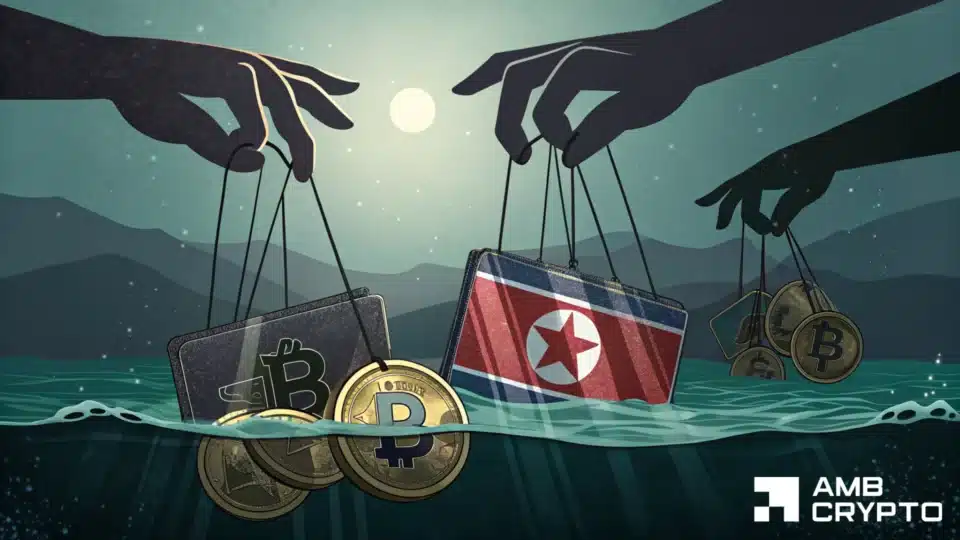
Featured image created with DALL.E, chart from TradingView.com
Editorial Process for bitcoinist is centered on delivering thoroughly researched, accurate, and unbiased content. We uphold strict sourcing standards, and each page undergoes diligent review by our team of top technology experts and seasoned editors. This process ensures the integrity, relevance, and value of our content for our readers.

Jake Simmons has been a Bitcoin enthusiast since 2016. Ever since he heard about Bitcoin, he has been studying the topic every day and trying to share his knowledge with others. His goal is to contribute to Bitcoin's financial revolution, which will replace the fiat money system. Besides BTC and crypto, Jake studied Business Informatics at a university. After graduation in 2017, he has been working in the blockchain and crypto sector. You can follow Jake on Twitter at @realJakeSimmons.

Kripto yang Sedang Tren

Bacaan Terkait

Model Dunia, Metaverse, Digital Twin, Fisika AI: Apakah Mereka Hal yang Sama?

Dalam beberapa tahun terakhir, konsep seperti metaverse, Web3.0, platform data simulasi, digital twin, dan Physical AI bermunculan, menciptakan kebingungan. Konsep-konsep ini bukanlah hal yang sama dengan Model Dunia (World Model), tetapi semuanya mengarah pada tren besar: kaburnya batas antara dunia digital dan fisik. Model Dunia berperan sebagai "lapisan kognitif" atau "sistem operasi dasar" yang bertanggung jawab agar AI dapat memahami dan mensimulasikan dunia. Analisis hubungannya dengan konsep lain adalah sebagai berikut: 1. **Metaverse**: Ini adalah tujuan atau "ruang pengalaman" imersif. Model Dunia berpotensi menjadi "mesin" atau alat pembuat konten otomatisnya, menghasilkan dunia 3D yang dapat diinteraksi dari teks, sehingga mengatasi hambatan pembuatan konten yang mahal. 2. **Web3.0**: Berfokus pada kepemilikan data, identitas, dan insentif ekonomi berbasis blockchain (masalah aturan/ekonomi). Ini berada di lapisan teknis yang berbeda dengan Model Dunia (masalah rekayasa pemahaman dunia). 3. **Platform Data Simulasi** (mis. untuk mobil otonom): Dapat dilihat sebagai versi 1.0 dari Model Dunia. Platform tradisional mengandalkan pembuatan skenario manual/berbasis aturan, sedangkan Model Dunia (versi 2.0) menggunakan AI untuk menghasilkan variasi skenario yang realistis secara otomatis dan masif. 4. **Digital Twin**: Adalah cermin real-time dari objek fisik (mis. pabrik, kota). Model Dunia melangkah lebih jauh dengan menambahkan kemampuan untuk **memprediksi masa depan** dan mensimulasikan hasil dari berbagai tindakan, bukan hanya mereplikasi keadaan saat ini. 5. **Physical AI** (AI fisik seperti robot, mobil otonom): Model Dunia adalah komponen intinya, khususnya untuk fungsi "memahami" hukum dunia dan memprediksi konsekuensi sebelum bertindak. Ini adalah "korteks otak" yang mensimulasikan sebelum eksekusi. Secara hierarki, Model Dunia berada di **Lapisan Kognitif**, yang mendukung lapisan aplikasi (simulasi, digital twin), lapisan aksi (Physical AI), dan lapisan pengalaman (metaverse). Ia bergantung pada infrastruktur dasar seperti komputasi dan data. Kesimpulannya, Model Dunia bukanlah konsep-konsep tersebut, tetapi ia berpotensi menjadi **sistem operasi** atau fondasi kognitif yang dibutuhkan banyak konsep itu untuk mewujudkan janji-janjinya dalam menghubungkan dan mengaburkan batas antara dunia digital dan fisik.

marsbit3j yang lalu

Model Dunia, Metaverse, Digital Twin, Fisika AI: Apakah Mereka Hal yang Sama?

marsbit3j yang lalu

Membuat CPO "Kaget dan Turun", Bagaimana Cara Kerja Glass Bridge? Penjelasan Resmi dari Corning Telah Tiba

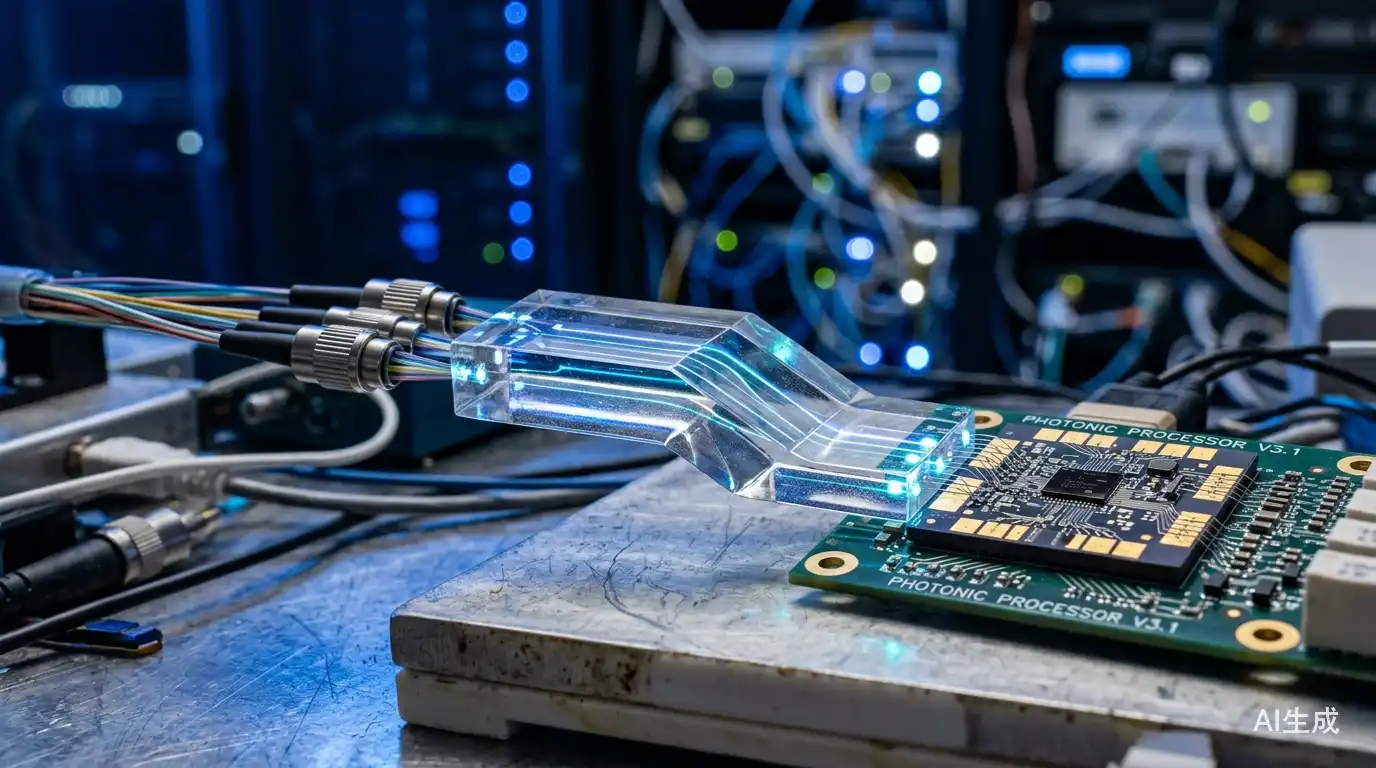
Pada 26 Juni, saham sektor CPO di A-Shares jatuh lebih dari 6%, dipicu oleh peluncuran platform interkoneksi optik "Glass Bridge" oleh raksasa serat optik AS, Corning. Teknologi ini menggunakan pandu gelombang kaca wafer-level untuk penyelarasan pasif antara serat optik dan chip fotonik, yang berpotensi menyederhanakan arsitektur CPO tradisional yang bergantung pada unit array serat (FAU) dan perangkat penyelarasan aktif presisi. Pasar khawatir hal ini akan mengurangi permintaan jangka panjang untuk komponen FAU tradisional. Inti Glass Bridge terletak pada tiga karakteristik: manufaktur wafer-level untuk konsistensi produksi massal, antarmuka koneksi fisik TMT yang terstandarisasi untuk integrasi yang mudah, dan arsitektur konektor densitas tinggi yang dapat dilepas untuk fleksibilitas. Corning menegaskan bahwa Glass Bridge melengkapi, bukan sepenuhnya menggantikan, solusi FAU yang ada, terutama dalam skenario kepadatan sangat tinggi. Reaksi pasar mencerminkan pergeseran nilai dalam industri interkoneksi optik AI. Dana mengalir keluar dari saham CPO dan PCB menengah, beralih ke saham terkait substrat kaca seperti Kaishan Tech dan Dier Laser. Analis melihat substrat kaca sebagai material inti kemasan generasi berikutnya, menawarkan peluang diferensiasi bagi industri domestik, terutama di tengah meningkatnya permintaan komputasi AI dan tantangan paten substrat silikon.

marsbit3j yang lalu

Membuat CPO "Kaget dan Turun", Bagaimana Cara Kerja Glass Bridge? Penjelasan Resmi dari Corning Telah Tiba

marsbit3j yang lalu

Trading

Spot

Artikel Populer

Cara Membeli T

Selamat datang di HTX.com! Kami telah membuat pembelian Threshold Network Token (T) menjadi mudah dan nyaman. Ikuti panduan langkah demi langkah kami untuk memulai perjalanan kripto Anda.Langkah 1: Buat Akun HTX AndaGunakan alamat email atau nomor ponsel Anda untuk mendaftar akun gratis di HTX. Rasakan perjalanan pendaftaran yang mudah dan buka semua fitur.Dapatkan Akun SayaLangkah 2: Buka Beli Kripto, lalu Pilih Metode Pembayaran AndaKartu Kredit/Debit: Gunakan Visa atau Mastercard Anda untuk membeli Threshold Network Token (T) secara instan.Saldo: Gunakan dana dari saldo akun HTX Anda untuk melakukan trading dengan lancar.Pihak Ketiga: Kami telah menambahkan metode pembayaran populer seperti Google Pay dan Apple Pay untuk meningkatkan kenyamanan.P2P: Lakukan trading langsung dengan pengguna lain di HTX.Over-the-Counter (OTC): Kami menawarkan layanan yang dibuat khusus dan kurs yang kompetitif bagi para trader.Langkah 3: Simpan Threshold Network Token (T) AndaSetelah melakukan pembelian, simpan Threshold Network Token (T) di akun HTX Anda. Selain itu, Anda dapat mengirimkannya ke tempat lain melalui transfer blockchain atau menggunakannya untuk memperdagangkan mata uang kripto lainnya.Langkah 4: Lakukan trading Threshold Network Token (T)Lakukan trading Threshold Network Token (T) dengan mudah di pasar spot HTX. Cukup akses akun Anda, pilih pasangan perdagangan, jalankan trading, lalu pantau secara real-time. Kami menawarkan pengalaman yang ramah pengguna baik untuk pemula maupun trader berpengalaman.

907 Total TayanganDipublikasikan pada 2024.12.10Diperbarui pada 2026.06.02

Cara Membeli T

Diskusi

Selamat datang di Komunitas HTX. Di sini, Anda bisa terus mendapatkan informasi terbaru tentang perkembangan platform terkini dan mendapatkan akses ke wawasan pasar profesional. Pendapat pengguna mengenai harga T (T) disajikan di bawah ini.

活动图片