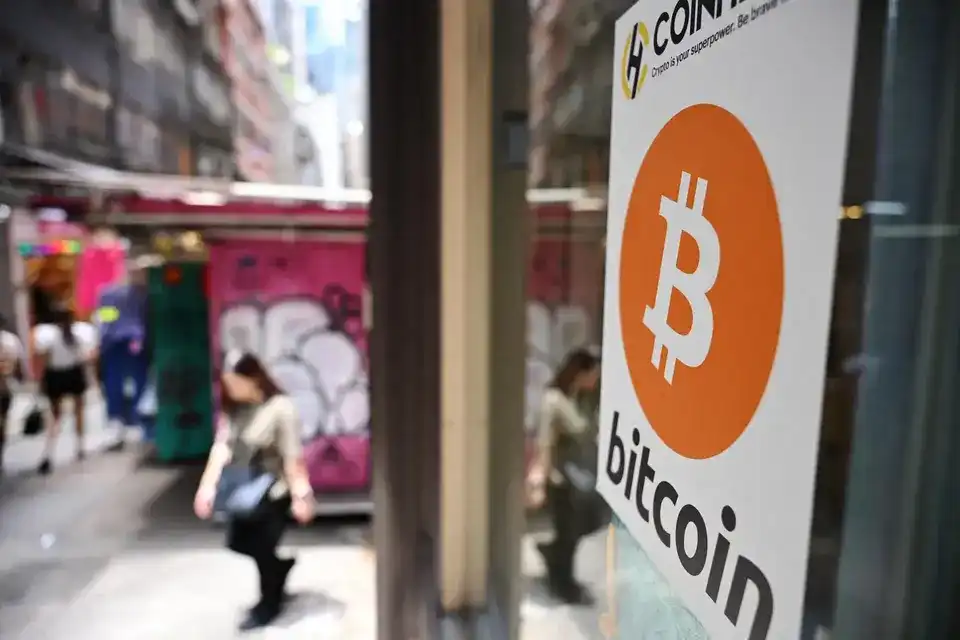
For Web3, This Time Cai Wensheng Is Determined to Get His Hands Dirty

marsbitPublicado a 2026-03-16Actualizado a 2026-03-16

Resumen

Cai Wenshou, a prominent Chinese internet entrepreneur and investor, is making a significant push into the Web3 space with a hands-on approach, moving beyond his previous role as a financial backer. Despite early successes in domains and internet companies like Meitu, his advocacy for Meitu's $100 million cryptocurrency investment in 2021 led to substantial paper losses and public criticism, eventually resulting in his departure as chairman. After stepping down, he reduced his stake in Meitu and invested personal funds into Web3 initiatives. He purchased a 25-story commercial building in Hong Kong, renamed it "CAI Tower" (representing Crypto and AI), offering free rent to Web3 and AI startups in exchange for first investment rights. He also acquired two Hong Kong-listed companies, rebranding them as CAI Holdings and LONG Investment Group, to build a Web3 and AI asset management platform. Additionally, he integrated a licensed virtual asset exchange, EXIO, into his ecosystem, creating a full-cycle support system from incubation to trading. Cai believes in the long-term potential of Web3, comparing its growth trajectory to AI's gradual rise. He remains optimistic about Bitcoin's future, predicting it could reach $1.1 million. Unlike some early crypto figures who have exited the industry, Cai is deepening his involvement, aiming to foster tangible projects and ecosystems. His commitment reflects a broader need for established leaders to drive real-world adoption and achieve a ...

Author:Zhou, ChainCatcher

If there are still any investors in the current crypto industry worth looking forward to, Cai Wensheng should be one of them.

Starting from the early domain name business, to the successive successes of 58.com, Storm Player, and Meitu, then to strongly advocating for Meitu to hoard cryptocurrencies, facing billions in floating losses and being criticized for speculative trading, stepping down as chairman, cashing out to buy buildings, and betting on Hong Kong Web3.

He is a person who has been repeatedly misunderstood by the times, yet repeatedly validated by the times.

Only this time, he decided to "get his hands dirty."

Last Time, Didn't Get a Good Result

2021 年, Cai Wensheng strongly advocated for Meitu to buy Bitcoin and Ethereum, with a total investment of about $100 million.

When buying, Cai Wensheng once said in his WeChat Moments: "Someone has to be the first to eat the crab. This should be the first Hong Kong-listed company to purchase BTC digital currency, and also the world's first listed company to use ETH Ethereum as a monetary value reserve."

However, as a Hong Kong-listed company, any major asset allocation by Meitu needed to be approved by the board of directors. Although he held over 25% of the shares at the time and, as chairman, could push for the purchase, he could not prevent the sale.

2022 年, the crypto market plummeted, and Meitu's paper losses exceeded 280 million RMB, with accusations of "speculative crypto trading" flooding in. The stock price of Meitu in Hong Kong also hit a historic low.
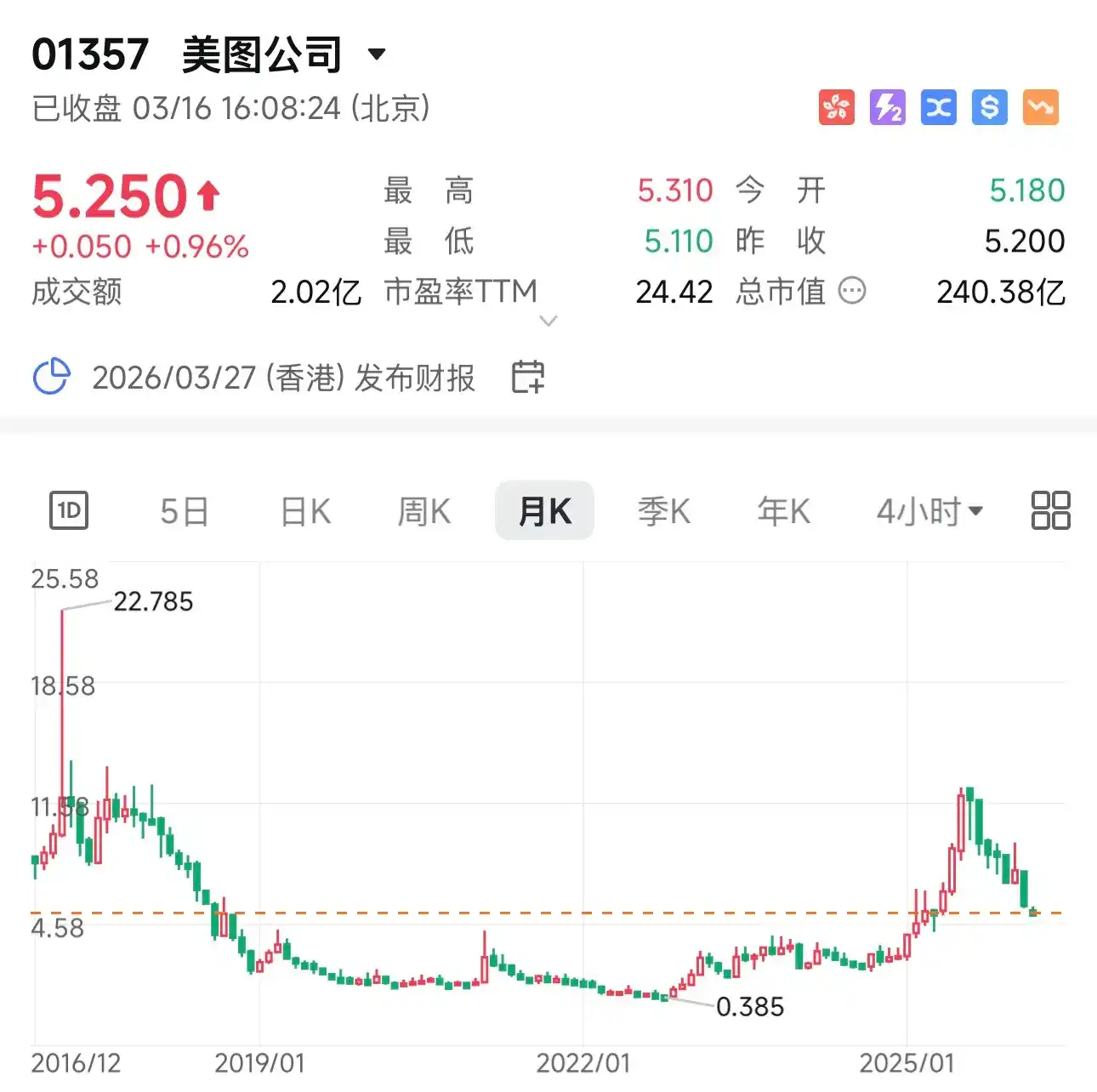

Publicly listed companies sometimes have less tolerance for floating losses than individual investors—stock price pressure, shareholder doubts, media siege—these were external pressures that anyone at the time could not withstand.

2023 年, he stepped down as chairman amid skepticism, and Wu Xinhong returned to take charge, immediately beginning to "tear off the Cai Wensheng label," with the strategic focus fully shifting to AI.

The ending of the story is quite ironic. Meitu issued an announcement in early December 2024, stating that as of that date, it had sold all its cryptocurrency, with a total cash consideration of approximately $180 million, realizing a gain of about $79.63 million, equivalent to approximately RMB 571 million.

If they had held on back then, Meitu would have been one of the first batch of DAT companies in Hong Kong.

The trend was validated, but it was no longer related to him.

Getting Involved, Getting Hands Dirty

From domain names, mobile internet, to Web3, people in each era said he was gambling.

He once said in an interview that what Web3 entrepreneurs do is often not understood, especially by traditional investors.

At the same time, he expressed firm belief in the explosion of Web3, though the timing is hard to predict, just like AI went through many years of dormancy before迎来 the ChatGPT explosion.

According to RootData显示, Cai Wensheng's Longling Capital早年 invested in the crypto exchange OKX (formerly OKCoin). In 2018, he revealed publicly that he had invested in over 10 blockchain projects, including Theta, Ontology, Zipper, etc.

<极好的, I will continue the translation from where it left off, ensuring all HTML tags are preserved and the structure is maintained.

img style="max-width:100%;overflow:hidden;" src="https://d1x7dwosqaosdj.cloudfront.net/images/2026-03/ba38047c3f24461f9b57e864d3fc5780.jpg" alt="">


This time, he simply increased his bet.

After stepping down, Cai Wensheng chose to reduce his stake in Meitu, with his shareholding比例 dropping from a peak of about 25% to less than 10%.

650 million Hong Kong dollars to buy a 25-story commercial building in Tin Hau, Hong Kong, renamed CAI Building. He specifically stated: "CAI is the abbreviation of Crypto and AI, not my surname."

It is reported that CAI Building does not charge rent, only asks for the优先 investment right in the first round of financing, no discount, no controlling stake. He publicly stated that the goal is to incubate 5 unicorns within three years.

Last November, Cai Wensheng said at Hong Kong Fintechweek that buying this building was to "set an example." Now this building is fully occupied by AI and Web3 companies.

Capital operations also followed. He successively acquired two Hong Kong-listed companies—China New Economy Investment and China Financial Leasing, renamed them CAI Holdings and LONG Investment Group respectively,打造 a Web3+AI asset management platform.

In early 2026, CAI Holdings又 acquired the equity of two early-stage projects, Forestheaven and EXIO, by issuing new shares. The seller was precisely Longling Capital, wholly owned by Cai Wensheng.

Among them, EXIO is a licensed virtual asset trading platform in Hong Kong, holding SFC Type 1 and Type 7 licenses. It is the first compliant exchange in Hong Kong with a securities background. Longling Capital was one of its early investors.

Incorporating this piece into CAI Holdings means his ecosystem extends from incubation to circulation—projects cultivated in the CAI Building can be directly listed for compliant trading on a licensed exchange.

Crypto OGs Need a Decent Victory

Among the crypto OGs we know, Cai Wensheng is not the one who has benefited the most.

The fates of early crypto OGs vary.

Some achieved financial freedom and completely faded out—Babbitt founder Chang Jia was once the most powerful spokesperson for long-termism in the crypto industry. Since 2023, he has turned to AI entrepreneurship.

Multicoin Capital co-founder Kyle Samani became famous for early bets on Solana. When leaving the圈, he publicly stated that "cryptocurrency is not as interesting as many people think."

Some stay in the圈, but their focus has shifted—Shenyu was a representative figure in the mining圈 early on. Now, content about AI tools占了大半 on his social accounts.

And those who, like Cai Wensheng, choose to stay include Xiao Feng and Feng Bo, etc.

Xiao Feng turned from traditional finance, leading HashKey on an institutionalized compliance path, operating with licenses, and connecting with traditional capital; Feng Bo布局 in a professional crypto VC manner, closer to the standard institutional investor approach.

They are同样 optimistic about this industry, but their paths are截然不同.

Cai Wensheng chose a "dirtier" path: not taking the institutional route, not making pure financial bets, personally putting down roots in Hong Kong, getting involved hands-on.

At the 2023 Hong Kong Web3 Carnival, Cai Wensheng said: "People who have worked from Web1 to Web3, this seems like a compliment, but it actually means that we have not been successful from Web1 to Web3, we have always been on the road. But many people from Web1 to Web3 are no longer here, but we are still here,说明 we are veterans. Old soldiers never die, they just fade away."

In early 2026, he predicted that Bitcoin would rise to $1.1 million, which means the total market capitalization of Bitcoin would be about $21 trillion. Previously, he publicly stated that he held about 10,000 Bitcoins. There is no news yet showing that he has exited.

Of course, the controversy has not disappeared. Continuously endorsing during a bear market, whether it is坚守 against the market or having to tell stories after being trapped, is still difficult for outsiders to distinguish.

But the ammunition from cashing out, the buildings bought, the companies acquired—these are all actions with real money.

This industry has experienced too many indecent endings. Project方 running away, whales dumping and fleeing, OGs quietly leaving the scene. What remains in the public eye are often only those news about changes in whale addresses.

This industry does not lack people who喊单, it lacks people who truly stay and get their hands dirty.

A bull market unlocking cannot solve the industry's root problems. In the end, it still relies on projects that truly succeed and ecosystems that truly land to win a decent victory for crypto OGs.


Preguntas relacionadas

QWhat was the outcome of Cai Wensheng's push for Meitu to invest in Bitcoin and Ethereum in 2021?

AMeitu invested approximately $100 million in Bitcoin and Ethereum in 2021, but faced a paper loss of over 280 million RMB in 2022 due to the crypto market crash. Cai Wensheng stepped down as chairman amid criticism, and Meitu later sold all its cryptocurrency holdings in 2024 for about $180 million, realizing a profit of approximately $79.63 million.

QWhat does 'CAI' stand for in the name of the building Cai Wensheng purchased in Hong Kong?

ACAI stands for 'Crypto and AI', not Cai Wensheng's surname. The building, named CAI Mansion, is intended to incubate AI and Web3 startups.

QHow is Cai Wensheng currently involved in the Web3 and crypto industry after leaving Meitu?

ACai Wensheng is deeply involved by purchasing a 25-story commercial building in Hong Kong (CAI Mansion) to incubate Web3 and AI startups, acquiring and renaming two Hong Kong-listed companies to create Web3+AI asset management platforms, and integrating a licensed virtual asset trading platform (EXIO) into his ecosystem.

QWhat is Cai Wensheng's prediction for the future price of Bitcoin?

ACai Wensheng predicted that Bitcoin would rise to $1.1 million, which would imply a total market capitalization of approximately $21 trillion.

QWhich early blockchain projects did Cai Wensheng's Longling Capital invest in?

ALongling Capital invested in early blockchain projects including Theta, Ontology, Zipper, and the crypto exchange OKX (formerly OKCoin).

Lecturas Relacionadas

La industria tecnológica china está cruzando masivamente la "línea de visibilidad"

Un fenómeno notable emerge en el sector tecnológico chino: múltiples industrias están superando de manera concentrada la "línea de visibilidad", pasando de acumular capacidades internas a ser reconocidas globalmente. Sectores como la inteligencia artificial, la robótica y los medicamentos innovadores ("los tres nuevos nuevos") se unen a los anteriores "tres nuevos" (vehículos eléctricos, baterías, fotovoltaica) en el radar mundial. ¿Qué define esta línea de visibilidad? Cuando una industria alcanza una escala significativa (cientos de miles de millones), demuestra ventajas claras en participación de mercado o rendimiento, acelera su crecimiento e impulsa cadenas de suministro completas. El cruce de esta línea marca la transición del desarrollo interno a influir en las elecciones del mercado global. Los ciclos se están acortando. Mientras que desde los textiles hasta los "tres nuevos" pasaron décadas, los "tres nuevos nuevos" han emergido en pocos años. Este ritmo refleja una capacidad de innovación china que evoluciona al unísono con la vanguardia global y una mayor capacidad para definir nuevos productos y mercados, no solo para ingresar en ellos existentes. ¿El motor interno? Un sistema industrial que ha pasado de ser "completo" a ser "denso": las capacidades acumuladas en una industria (p. ej., baterías y fabricación de precisión para coches eléctricos) se transfieren rápidamente a otras adyacentes (p. ej., robótica). La cercanía entre I+D y producción, la capacidad de organizar sistemas complejos (como los clústeres de computación) y las reformas regulatorias acortan el camino al mercado. La escala industrial se convierte en una infraestructura que genera continuamente nuevas industrias. El significado es profundo: la ventaja competitiva china se extiende de "fabricar productos" a establecer sistemas de conocimiento y organización que generan valor sostenible. Más allá del producto tangible, la clave reside en patentes, estándares y ecosistemas. China busca construir esta "zanja industrial" no mediante el cierre, sino a través de modelos abiertos (código abierto, interfaces API) que amplíen el ecosistema y fomenten la iteración tecnológica continua. Superar la "línea de visibilidad" es el comienzo de la validación del mercado. La aparición constante de nuevas industrias que la cruzan indica que China está desarrollando la capacidad sostenible de generarlas. Lo visible arriba son nuevos brotes industriales; debajo, persiste la continua acumulación y crecimiento de capacidades fundamentales a largo plazo.

marsbitHace 23 min(s)

La industria tecnológica china está cruzando masivamente la "línea de visibilidad"

marsbitHace 23 min(s)

Forbes: 7 millones de bitcoins expuestos al riesgo de la computación cuántica, ¿debe el BTC cambiar su 'cerradura'?

**Resumen: La carrera cuántica de los 470 mil millones de dólares y el futuro de Bitcoin** Un artículo de Forbes analiza la amenaza emergente que la computación cuántica supone para Bitcoin, estimando que unos 7 millones de BTC (valorados en ~470.000 millones de dólares) están en direcciones con claves públicas expuestas en la cadena. Esto incluye direcciones de la era de Satoshi y direcciones reutilizadas. Aunque la exposición no equivale a un robo inmediato, los avances son rápidos. Investigaciones recientes de Google han reducido significativamente la estimación de qubits necesarios para romper la criptografía de curva elíptica de Bitcoin. El investigador de Ethereum Foundation, Justin Drake, estima un 10% de probabilidad de que una computadora cuántica pueda descifrar claves privadas a partir de claves públicas expuestas para 2032. La comunidad de desarrolladores de Bitcoin está dividida sobre cómo responder. Las propuestas BIP-360 y BIP-361 ofrecen soluciones diferentes, siendo la última más radical al proponer la inutilización gradual de monedas en direcciones antiguas no migradas. Mientras tanto, varias startups están "adelantándose" al problema. **American Fortress** (antes MatterFi) afirma ofrecer resistencia cuántica sin necesidad de migrar direcciones, aunque su trabajo no ha sido publicado ni auditado públicamente. Otras, como BOLTS Technologies, abogan por dar a los usuarios la opción de elegir su criptografía ("trae tu propia cerradura"). El artículo concluye con un escepticismo cauteloso, comparando algunas afirmaciones con el "descubrimiento de la fusión fría" y subrayando que, aunque el riesgo es real, la máquina capaz de explotarlo aún no existe. La carrera para asegurar las cadenas de bloques contra este futuro posible ha comenzado.

marsbitHace 30 min(s)

Forbes: 7 millones de bitcoins expuestos al riesgo de la computación cuántica, ¿debe el BTC cambiar su 'cerradura'?

marsbitHace 30 min(s)

10.000 millones en recompra no logran frenar la caída de HYPE, ¿miembros clave y Multicoin venden en secreto?

Según un análisis de cadenas, el token HYPE ha experimentado una caída del precio de aproximadamente un 30% desde su máximo histórico de alrededor de 76 dólares en julio de 2026, cotizando actualmente a 52,4 dólares. A pesar de un programa de recompra de la Assistance Fund que ha superado los 10.200 millones de dólares—absorbiendo más del doble de la velocidad de venta del equipo—el sentimiento del mercado se ha visto presionado. Los datos muestran que desde diciembre de 2025, se asignaron aproximadamente 4,93 millones de HYPE (0,493% del suministro) a las carteras del equipo, con 1,19 millones vendidos en el mercado abierto y 3,14 millones transferidos a plataformas OTC. Sin embargo, las ventas reales del equipo son limitadas y controladas. La presión vendedora significativa proviene de otros actores. Fondos de capital de riesgo como Multicoin Capital y a16z han realizado importantes retiros de staking y transferencias a exchanges, aunque Multicoin citó razones de privacidad para la rotación de carteras. Simultáneamente, los ETF spot de HYPE han registrado salidas netas diarias sostenidas desde principios de julio, en contraste con las fuertes entradas de mayo y junio. En resumen, la corrección del precio de HYPE se atribuye a una combinación de ventas por parte de ballenas institucionales, salidas netas de ETF y una disminución en el ritmo de recompra del protocolo debido a un menor volumen de transacciones y ingresos, más que únicamente a las ventas del equipo central.

marsbitHace 47 min(s)

10.000 millones en recompra no logran frenar la caída de HYPE, ¿miembros clave y Multicoin venden en secreto?

marsbitHace 47 min(s)

WEEX API Fast Connect: Convierte Cada Inicio de Sesión en un Trader Activo en Menos de 10 Segundos

WEEX ha lanzado API Fast Connect, un sistema de autorización OAuth de un solo clic que permite a los usuarios vincular su cuenta de WEEX sin manejar manualmente una clave API. Diseñado específicamente para socios de WEEX Broker, reemplaza el proceso técnico tradicional de onboarding con una experiencia fluida, con el objetivo de impulsar conversiones más rápidas y una mayor retención a largo plazo. **Puntos clave:** * **Qué es:** Una autorización de un clic (similar a "Iniciar sesión con Google") para conectar la cuenta de WEEX a una plataforma asociada. * **Problema que resuelve:** Elimina el mayor punto de abandono: la configuración manual de claves API, que es compleja y propensa a errores. * **Beneficios:** Conversiones sin fricción, menor abandono, mayor retención. Los usuarios pasan de registrarse a operar en vivo en segundos. * **Para quién es:** Plataformas de señales de IA, herramientas de trading cuantitativo, bots de trading y cualquier socio de WEEX Broker que requiera acceso API. **Cómo funciona:** 1. El usuario hace clic en "Iniciar sesión con WEEX" en la plataforma asociada. 2. Es redirigido a una página de autorización oficial de WEEX para verificación. 3. Confirma el alcance de los permisos (operar y leer, pre-seleccionado). 4. El sistema genera y vincula automáticamente la clave API en el backend a través de un canal cifrado. El usuario nunca maneja la clave. **Ventajas clave:** * **Experiencia de usuario:** Proceso de un clic frente a un flujo manual y fragmentado. * **Seguridad:** Las claves se generan y transmiten cifradas en el backend, sin exponerse al usuario. * **Velocidad:** Vinculación instantánea tras la autorización. Fast Connect es parte del conjunto de herramientas para socios de WEEX Broker, que también incluye liquidez institucional, comisiones competitivas y acceso API completo. Su objetivo es convertir el interés del usuario en actividad comercial real de la manera más rápida y segura posible.

TheNewsCryptoHace 54 min(s)

WEEX API Fast Connect: Convierte Cada Inicio de Sesión en un Trader Activo en Menos de 10 Segundos

TheNewsCryptoHace 54 min(s)

Trading

Spot
活动图片