[Featured Research]Crypto 2023

ForbesPublicado a 2023-01-04Actualizado a 2023-01-04

Resumen

Risk in the crypto sector remains elevated.

While 2022 may have been a bad year for stocks, it’s been absolutely atrocious for cryptocurrency.

Stocks are on a big losing streak this year, with the S&P 500 on course to close the year with a 17% loss. The picture is even grimmer for Bitcoin and other leading cryptocurrencies.

As of writing, BTC is down 64% on the year and ETH is down 66%. Going further out on the risk curve, most other major altcoins are down more than 90%.

Remember when inflation was transitory and the Federal Reserve was holding rates at zero? What a difference a year makes. In January 2022, Ethereum (ETH) was worth more than $3,800 and Bitcoin (BTC) was almost $48,000—and the Fed’s war on inflation is the main reason both leading coins are down so sharply.

But not only. The last 12 months have been strewn with crypto meltdowns, bankruptcies and chaos, so the losses should not be surprising to anyone. Now the question is whether all this market chaos will continue in 2023, and how long the crypto winter might last.

How Long Will the Crypto Winter Last?

Cryptocurrency is no stranger to boom and bust cycles. A quick look at the price history of Bitcoin—the benchmark for the entire industry—illustrates the point:

In 2018, following a meteoric run-up to around $20,000, BTC fell 84% to $3,000.

BTC turned around and rallied to nearly $17,000 in November 2020, then spiked even higher.

In May 2021, BTC fell 50% before recovering to all-time highs of nearly $69,000 later that year.

Many analysts believe this pullback is different, thanks to the struggles of the wider economy.

“The ongoing crypto winter could last longer this time,” says David Kemmerer, CEO of CoinLedger. “That’s because of macroeconomic factors: 40-year highs in inflation, rising borrowing costs and political instability after Russia invaded Ukraine.”

Because of its brief history—Bitcoin has only been around since 2009, launched in the wake of the Great Recession—crypto market downturns have not coincided with a bear market in the wider financial space until very recently.

Financial markets enjoyed a long bull market from 2009 until the end of 2021, only briefly interrupted by the Covid-19 pandemic recession in early 2020. In fact, the stock market opened this year up more than a staggering seven times from the lows of March 2009, which was only two months after Bitcoin was launched.

But the dual headwinds of high inflation and Fed interest rate hikes have given both stock and crypto markets a one-two punch. Risk assets like stocks and crypto suffer when interest rates rise.

That’s because higher interest rates suck liquidity out of the economy, and assets furthest out on the risk spectrum get hit hardest. The same phenomenon that’s hurting crypto is depressing the value of tech stocks. Meta (-67%), Netflix (-52%) and even Apple (-22%) have also felt the brunt of the downturn.

To answer the question of how long the crypto winter will last means you need to understand how long elevated inflation will keep the Fed’s hawkish monetary policy stance in place. Easing inflation and falling rates are among the only things that can help crypto now.

“The last bear market was over two years long. We’re only a year into this one, and the macroeconomic climate is significantly worse,” says Nick Saporano, CEO of decentralized payments provider Divi Labs.

Bitcoin Forecast for 2023
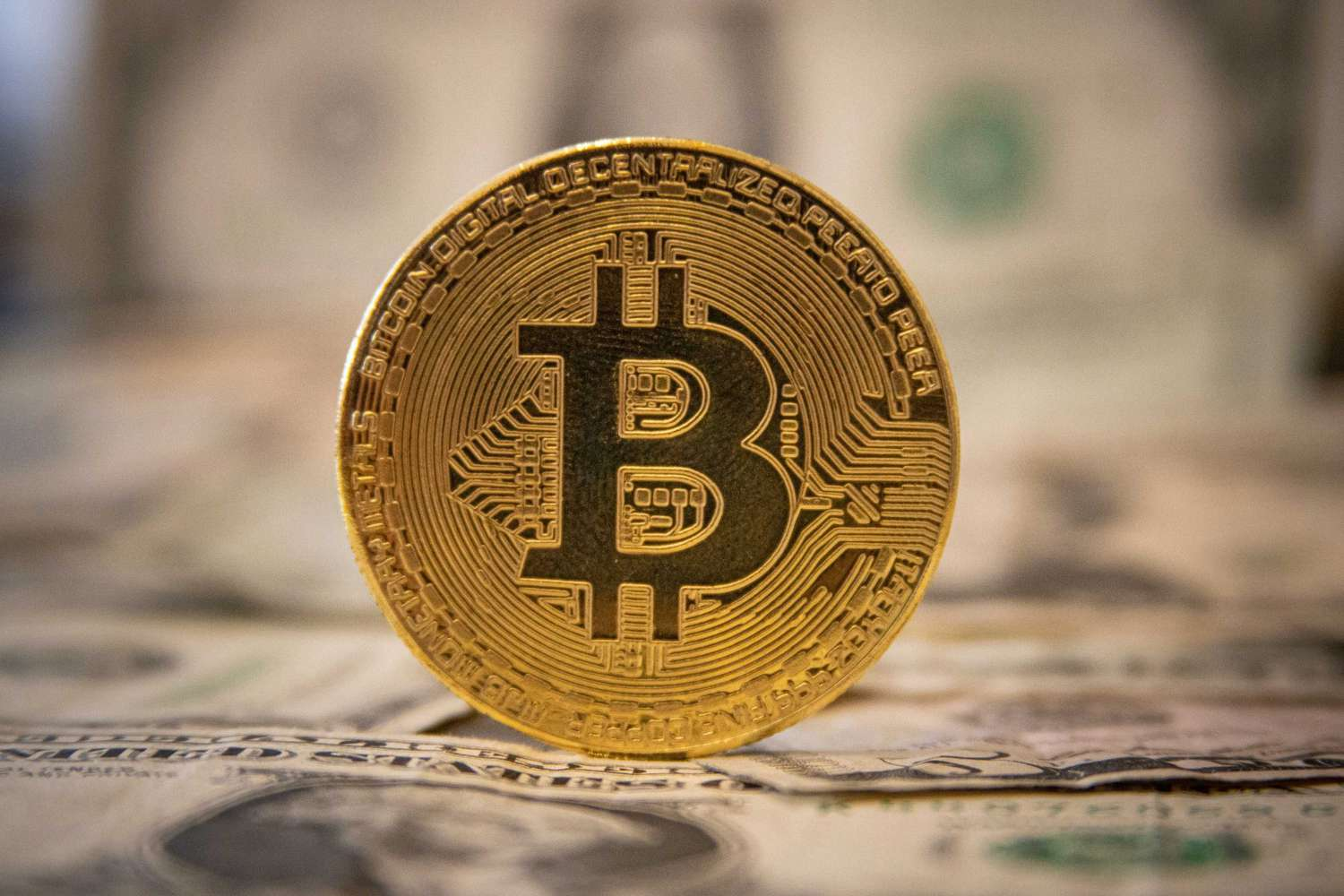
Bitcoin is ending the year at around $16,800, down from about $19,500 on the eve of the FTX crisis. If contagion continues to reverberate from FTX’s bankruptcy, BTC has more room to fall.

Even Cathie Wood, CEO of Ark Invest and a well-known Bitcoin advocate, acknowledges that large financial institutions may take a step back from crypto in the near term because of FTX.

Despite standing by her BTC prediction of $1 million by 2030 in a recent Bloomberg interview, Wood said, “The one thing that will be delayed is perhaps institutions stepping back and just saying, ‘OK, do we really understand this?’”

With crypto’s reputation badly dented by the crises and scandals of 2022 and wider markets hurting, another leg downward to the $10,000 mark may not be so far-fetched for BTC in 2023.

JPMorgan Chase & Co. analysts agree that the bottom is not in yet. The bank sees Bitcoin’s floor at around $13,000, with “a cascade of margin calls” across the market following recent events.

Strategists also use Bitcoin’s production cost to forecast how far prices could fall. “At the moment, this production cost stands at $15,000, but it is likely to revisit the $13,000 low seen over the summer months,” the JPMorgan team stated in a note.

Ethereum Forecast for 2023

Where Bitcoin goes, Ethereum typically follows—or at least that has been the case so far.

After the Ethereum merge in September 2022, a major network overhaul for the second-largest crypto by market capitalization, some analysts are speculating that the price action of the pair could soon decouple.

“ETH is yet to benefit in terms of value from the recently launched proof-of-stake merge,” Kemmerer says. “Part of the reason is because of the crypto winter.”

Kemmerer believes the crypto could rise as high as $2,500 in the next six months. While this is an aggressive bull case, the fact remains that the same developments driving Bitcoin’s price are impacting ETH. The macroeconomic climate must cooperate for upside gains to return.

If it doesn’t, Ethereum will likely fall further. Having dropped below $1,000 in June, it would not be surprising to see a three-digit price for ETH again in the next six months, should more negative catalysts crop up.

Other Cryptos to Watch in 2023

As bad as it’s been for Bitcoin and Ethereum in 2022, the situation has been significantly worse for other speculative altcoins.

While the bear market is raging, altcoins are not where investors probably want to be, and that predicament won’t change anytime soon. Many altcoins are facing an uphill battle to establish legitimacy during the bull market, a task that has proved harder now with less liquidity in the market.

Until Bitcoin and Ethereum recover, altcoins will continue their downward trend. And much like bear cycles of days gone by, many will cease to exist entirely.

Stablecoins represent an even more interesting case for 2023.

Crypto exchange Binance delisted several stablecoins in September, including USD Coin (USDC), the fifth biggest cryptocurrency at a market cap of $43 billion. Circle, creator of USDC, announced shortly after that they would launch a euro-backed stablecoin on Solana (SOL) in the first half of 2023.

Some analysts are predicting that competition could promptly pick up even more. This is due to the growing number of state-sponsored stablecoin projects, known as central bank digital currencies (CBDCs).

The Bank of Japan is piloting a rollout with major banks in early 2023. Turkey even announced it would launch a stablecoin next year, and many more countries are slated to do the same. One of them is far beyond the rest: China.

So far, China’s CBDC development has been limited to local areas, but next year could change that with wider adaption.

For current stablecoin issuers such as Tether (USDT), Circle and Binance, that means competition is heating up.

“Stablecoins are really in a tough spot because there’s little question that the advent of CBDCs is going to eat away at their market,” says Richard Gardner, CEO of fintech company Modulus Global.

The market for stablecoins is as difficult to forecast as the price forecasts of Bitcoin. Ethereum, or any other cryptocurrency.

One thing is certain: Risk in the crypto sector remains elevated.

Lecturas Relacionadas

a16z: En la era de la IA, la lucha por el talento comienza con la denominación de puestos

El concepto de "ingeniero desplegado en campo" (FDE) demuestra cómo el nombre de un puesto puede redefinir y elevar el valor de un rol tradicionalmente subestimado, como la implementación técnica en el sitio del cliente. Palantir popularizó este término, transformando la percepción de un trabajo de soporte en una capacidad estratégica clave. Esto ejemplifica el "arbitraje de títulos": crear nuevas denominaciones cuando una habilidad gana importancia, pero la terminología organizacional aún no refleja su valor. Un título no es solo una etiqueta, sino un lenguaje organizacional que otorga legitimidad, atrae talento y señala un cambio en la importancia estratégica del trabajo. En la era de la IA, este enfoque es crucial. La transformación con IA no solo se trata de herramientas más inteligentes, sino de crear nuevos roles de alto impacto, como el "ingeniero legal" o el "ingeniero de estrategia comercial". Para las empresas de IA que venden a otras empresas, nombrar estos nuevos puestos dentro de las organizaciones cliente es una estrategia que facilita la adopción, construye identidad y, en última instancia, crea ventajas competitivas. El resurgimiento del debate sobre el FDE refleja la naturaleza difusa de los productos de IA empresarial, donde los límites entre producto, servicio e implementación se desdibujan. El reto no es eliminar los servicios, sino identificar y renombrar las partes más valiosas y cercanas al cliente para integrarlas en el núcleo del aprendizaje y desarrollo del producto. Quien logre definir y organizar primero estas nuevas capacidades ganará una ventaja decisiva.

marsbitHace 36 min(s)

a16z: En la era de la IA, la lucha por el talento comienza con la denominación de puestos

marsbitHace 36 min(s)

CBRS: Ingresos duplican en primer informe tras salida a bolsa, pero pronóstico de margen bruto cae drásticamente; ruta de ejecución del gran contrato de OpenAI es demasiado larga

Cerebras (CBRS) presentó sus primeros resultados trimestrales tras su OPI, con ingresos centrales del Q1 de 1.913 millones de dólares, un aumento interanual del 92%, superando las expectativas. Sin embargo, la guía de margen bruto para el Q2 cayó bruscamente del 46,5% a un rango del 36-38%, lo que hizo que las acciones cayeran más de un 10% en operaciones extrabursátiles. La compañía, que fabrica chips a partir de obleas de silicio completas y apuesta por la IA para inferencia, tiene un contrato de más de 20.000 millones de dólares con OpenAI y un marco de colaboración con AWS. Su guía de ingresos anuales es de 855-865 millones de dólares. El informe revela una transición en su modelo de negocio: de vender hardware a vender potencia de cálculo en la nube. Esto explica en parte la presión sobre los márgenes, atribuida a la escasez temporal de capacidad en centros de datos. Aunque los ingresos superaron las expectativas, la concentración de clientes sigue siendo alta (dos entidades relacionadas de Emiratos Árabes Unidos representaron el 86% de los ingresos en el año fiscal 2025). Los grandes contratos con OpenAI (que comenzará a contribuir en 2026) y AWS (previsto para 2027) son prometedores pero de ejecución larga. Los analistas son mayoritariamente optimistas, con un precio objetivo medio de 300 dólares, apostando por la ventaja de velocidad de Cerebras en la inferencia de IA y el potencial de sus grandes acuerdos. Los escépticos señalan los desafíos en los márgenes, la intensa competencia (especialmente de NVIDIA) y la dependencia continua de pocos clientes. La valoración actual, cercana a los 50.000 millones de dólares, anticipa un crecimiento significativo que depende de la ejecución exitosa de estos contratos a largo plazo.

marsbitHace 37 min(s)

CBRS: Ingresos duplican en primer informe tras salida a bolsa, pero pronóstico de margen bruto cae drásticamente; ruta de ejecución del gran contrato de OpenAI es demasiado larga

marsbitHace 37 min(s)

Entrevista al CEO de Strategy: Después de vender Bitcoin, ¿puede STRC recuperarse?

Entrevista con Phong Le, CEO de MicroStrategy: Tras la venta de 32 bitcoins, ¿puede recuperarse el STRC? La venta de 32 bitcoins (unos 2,5 millones de dólares) por parte de MicroStrategy generó una amplia reacción en el mercado. El CEO Phong Le explica que la decisión, tomada con transparencia y disciplina, tenía dos objetivos principales: demostrar a los tenedores de deuda la capacidad de liquidez de los activos en Bitcoin y probar los procesos internos de venta. Asegura que la medida no fue una respuesta a los temores de un "espiral de muerte" relacionado con el producto de acciones preferentes STRC, ya que menos del 10% de este está en protocolos DeFi. Le destaca que MicroStrategy, el mayor tenedor corporativo de Bitcoin, opera con un riguroso proceso de decisión que involucra a la junta directiva y análisis de datos, lejos de ser una decisión unilateral. Reitera la estrategia a largo plazo de la compañía y su firme creencia en el valor subyacente de Bitcoin. Frente a la volatilidad, enfatiza la opción estratégica de "no hacer nada", como se hizo durante el mercado bajista de 2022. Sobre el STRC, un producto con apenas 10 meses, Le confía en que recuperará su valor nominal de 100 dólares, respaldado por el mecanismo de pago de dividendos que comienza el 30 de junio y la sólida sobrecolateralización del producto. Finalmente, aclara que la venta de Bitcoin sí ocurrió en la semana previa al 31 de mayo, tal como se reportó en los documentos oficiales 8-K de la compañía.

marsbitHace 1 hora(s)

Entrevista al CEO de Strategy: Después de vender Bitcoin, ¿puede STRC recuperarse?

marsbitHace 1 hora(s)

Fundador de IOSG: Ethereum no necesita otra fe tecnológica, necesita un compromiso al estilo de Musk

**Autora: Jocy, fundadora de IOSG** **Ethereum no necesita otra fe tecnológica, necesita un compromiso al estilo Musk.** El reciente lanzamiento de ETHLabs no es una bifurcación de la Fundación Ethereum (EF), sino que llena un vacío intencional dejado por ella. Financiado por grandes tenedores de ETH, este movimiento representa un voto de desconfianza del mercado hacia el modelo de gobernanza "pequeño y descentralizado" de la EF, mostrando que el ecosistema está actuando donde el liderazgo central es percibido como pasivo. La comparación clave es entre Vitalik Buterin (V) y Elon Musk. Mientras que Musk domina la realidad comercial y adapta la tecnología a ella, V parte de ideales técnicos puros esperando que la realidad emerja por sí misma. Esta aproximación funcionó en el pasado, pero hoy, con muchas alternativas, Ethereum carece de una narrativa comercial clara y aplicaciones del mundo real convincentes. El ecosistema debate si la falta es de una "killer app" o de esfuerzos comerciales (BD). En realidad, son dos caras de la misma moneda: Ethereum necesita que su liderazgo se sumerja y lidere la creación de aplicaciones prácticas con impacto tangible, no solo roadmaps técnicos. La crítica interna más severa señala que el problema de la EF es de gestión, no de estrategia. La fuga de talento es una gran amenaza. La nueva estructura propuesta, con múltiples nodos independientes como ETHLabs, busca descentralizar la responsabilidad pero enfrenta el desafío de mantener la cohesión y una dirección unificada sin fragmentarse. La cohesión futura no puede depender de una organización, sino del valor de ETH como activo de referencia común. Sin embargo, esto solo será posible si existe una narrativa sobre utilidad en el mundo real que una a todos los actores. Además, la verdadera independencia de estos nuevos nodos debe ganarse con transparencia y tiempo, no solo declaraciones. La amenaza más profunda no es Solana, sino la migración de la atención y el talento hacia la IA. Ethereum tiene una ventana de 12 a 18 meses. La infraestructura técnica por sí sola no recuperará esa atención. Se necesita una narrativa a una década que atraiga al mejor talento y un fundador dispuesto, como Musk, a ensuciarse las manos para construir aplicaciones reales. La luz del ideal de V no se ha apagado, pero para iluminar la realidad, necesita bajar del pedestal y sumergirse en la lucha. Y el tiempo para este giro se agota rápidamente.

marsbitHace 2 hora(s)

Fundador de IOSG: Ethereum no necesita otra fe tecnológica, necesita un compromiso al estilo de Musk

marsbitHace 2 hora(s)

Trading

Spot
Futuros
活动图片