Despite Recent Bitcoin Rise, One Analyst Remains Cautious: 'I Haven't Seen What I Wanted Yet'

cryptonews.ruPublicado a 2026-08-29Actualizado a 2026-08-29

Resumen

Despite Bitcoin's recent rally reigniting bullish sentiment, Alphractal founder Joao Wedson advises caution based on blockchain data analysis. He highlights the MVRV Z-Score indicator, used to measure investor behavior and market value cycles, suggesting Bitcoin's cycle low may not be in yet. Drawing parallels to the 2017-2018 cycle, Wedson notes that after its 2017 peak, Bitcoin experienced another sharp drop in November 2018. Similarly, in the current 2024-2025 period, the MVRV Z-Score has formed three peaks but has recently risen again alongside price. The key risk, according to Wedson, is that the indicator has not yet entered negative territory, historically associated with major cycle bottoms. He states that purely from on-chain data, there isn't enough evidence to confirm the recent low as the final bottom. If historical patterns repeat, Bitcoin could potentially fall to at least $53,000 or lower. Wedson clarifies this is data analysis, not financial advice, and emphasizes that on-chain metrics currently indicate downside risks remain, rather than conclusively signaling a market bottom.

Although Bitcoin's recent recovery on the cryptocurrency market has once again fueled bullish expectations, Alphractal founder João Wedson stated that blockchain data paints a more cautious picture. According to Wedson, the final cycle price low for Bitcoin may not yet have been reached, and if certain historical metrics repeat, the price of BTC could fall to $53,000 or even lower.

In his analysis, Wedson particularly highlighted the MVRV Z-Score indicator, used to measure investor behavior and the market's realized value. The analyst stated that on-chain metrics reflect investor behavior, arguing that this behavior is directly linked to periods of euphoria and fear in market cycles.

Wedson Draws Attention to Bitcoin's 2018 Crash.

Wedson compared the current market structure to the 2017-2018 cycle. According to the analyst, the MVRV Z-Score formed three significant peaks before Bitcoin reached its all-time high during the 2017 bull market.

Wedson noted that after Bitcoin peaked and then declined, the indicator formed a base roughly between 0.25 and 1.16, recalling that at that time, most of the market did not expect another sharp drop. However, in November 2018, Bitcoin experienced another steep decline, falling to approximately $3,180.

According to Wedson's data, in the 2024-2025 period, the MVRV Z-Score has reached three separate peaks. However, the analyst noted that the enthusiasm at these peaks has been more limited compared to 2017, as the market has become more complex than in previous cycles.

Wedson pointed out that after Bitcoin's recent drop from its peak, the MVRV Z-Score formed a base in an area similar to that observed in 2018, but recently this indicator has risen again, and Bitcoin's price has followed it.

"The MVRV Z-Score Has Not Yet Fallen into Negative Territory".

The key risk highlighted by the analyst is that the indicator has not yet reached negative territory, which in the past has been associated with major cyclical lows for Bitcoin.

Wedson stated that, based on the available data, he consistently asks himself the same question: if the MVRV Z-Score is meant to decline, will Bitcoin's price follow this indicator?

According to the Alphractal founder, when looking only at blockchain data, there are not enough signals to confidently assert that the current decline is Bitcoin's final low.

Wedson stated that to meet the conditions he is tracking, Bitcoin may need to fall to at least $53,000 or even lower.

The analyst specifically emphasized that this assessment is not financial advice, stating that it directly questions the data, not the current bullish market sentiment.

Wedson, recalling that in 2018 most market participants also did not expect another sharp downturn, stated that the key question is whether the current cycle will conclude similarly to previous ones.

In the analyst's view, at this stage, on-chain indicators suggest that the downside risks have not yet fully dissipated, rather than clearly indicating that the "bottom is in" for Bitcoin.

*This is not investment advice.

end-content
Criptos en tendencia

Preguntas relacionadas

QWhat indicator does founder Joao Wedson of Alphractal primarily focus on to express caution about Bitcoin's price bottom?

AJoao Wedson primarily focuses on the MVRV Z-Score indicator, used to measure investor behavior and the realized value of the market.

QAccording to Wedson's comparison with the 2017-2018 cycle, what specific pattern in the MVRV Z-Score preceded Bitcoin's historical peak?

AAccording to Wedson, the MVRV Z-Score formed three significant peaks before Bitcoin reached its all-time high during the 2017 bull market.

QWhat is the main risk Wedson identifies regarding the current MVRV Z-Score reading?

AThe main risk Wedson identifies is that the MVRV Z-Score indicator has not yet entered negative territory, which in the past has been associated with major cyclical lows for Bitcoin.

QTo what price level does Wedson suggest Bitcoin might potentially fall based on his blockchain data analysis?

ABased on his blockchain data analysis, Wedson suggests Bitcoin might need to fall to at least $53,000 or even lower to meet the conditions he is tracking.

QWhat is Wedson's overall conclusion about whether the current market decline represents the final bottom for Bitcoin?

AWedson concludes that based solely on blockchain data, there are insufficient signals to confidently state that the current decline is the final bottom for Bitcoin, and downside risks are not yet fully eliminated.

Lecturas Relacionadas

El secreto de Starlink: por qué China, Amazon, Europa y Rusia pierden la batalla por la órbita baja

El secreto del éxito de Starlink no reside únicamente en su gran cantidad de satélites en órbita, sino en su combinación de cuatro elementos clave: producción en serie, cohetes reutilizables, una gran base de suscriptores que paga y una rápida velocidad de actualización de la red. Competidores como China, Amazon, la UE y Rusia están desarrollando sus propias constelaciones, pero cada uno aborda solo una parte del problema, no los cuatro aspectos simultáneamente. Para agosto de 2026, Starlink tenía unos 11.087 satélites operativos, superando ampliamente a OneWeb (654), los proyectos chinos (433), Amazon Leo (400), el plan IRIS2 de la UE (348 previstos) y la constelación rusa "Rassvet" (32). La ventaja de SpaceX se forja en tierra: su fábrica produce unos 70 satélites a la semana y sus cohetes Falcon 9 reutilizables actúan como una cinta transportadora, lanzando más del 80% de la carga útil mundial en 2025. Sus más de 12 millones de suscriptores financian un ciclo cerrado de producción y mejora. China, aunque tecnológicamente cercana, retrasa sus calendarios. Amazon ha contratado más de 100 lanzamientos con varios proveedores, pero su velocidad depende de ellos. La UE y Rusia priorizan redes soberanas, más pequeñas y costosas, para defensa y necesidades estatales. La carrera se impulsa por la importancia militar de estas redes. Incluso el Pentágono depende de la infraestructura privada de SpaceX, un hecho que motiva a otros a buscar independencia. Mientras los competidores copian partes del modelo, ninguno ha logrado integrar los cuatro elementos como SpaceX. Un análisis financiero señala que el ingreso promedio por usuario de Starlink está disminuyendo, planteando dudas sobre la sostenibilidad del modelo al expandirse a mercados menos solventes.

cryptonews.ruHace 2 hora(s)

El secreto de Starlink: por qué China, Amazon, Europa y Rusia pierden la batalla por la órbita baja

cryptonews.ruHace 2 hora(s)

Diálogo con el fundador de Epoch Ventures: Se ha iniciado una rotación de capital a gran escala y el ciclo de cuatro años ha llegado a su fin

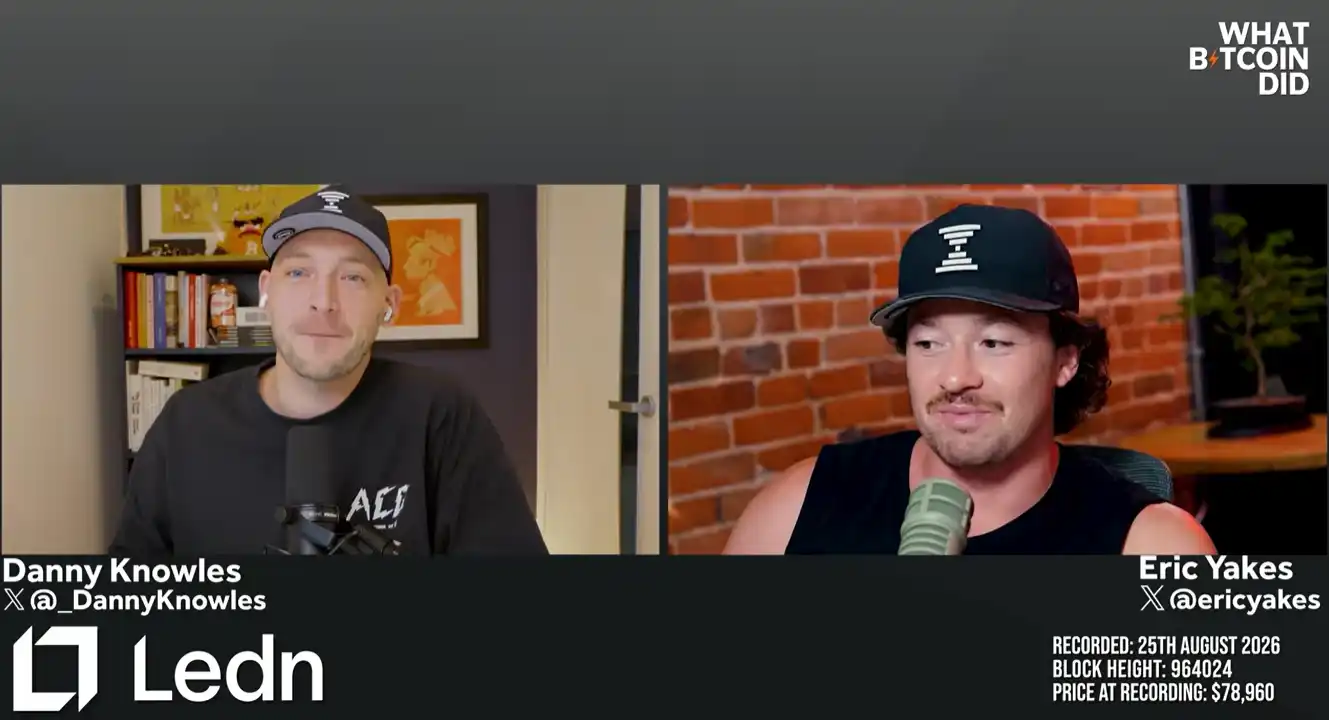
Fuente: "What Bitcoin Did". Felix, PANews. Publicado: 28 de agosto. En el podcast, Eric Yakes, fundador de Epoch Ventures, argumenta que Bitcoin podría no volver a experimentar caídas del 80%, y que la reciente corrección del 50% podría marcar el fin del llamado "ciclo de cuatro años". Yakes destaca dos eventos clave como puntos de inflexión: la auditoría de Tether por una firma Big Four, que valida sus reservas, y el anuncio del Tesoro de EE.UU. sobre medidas que equivalen a un control de la curva de rendimientos, lo que se percibió como un debilitamiento de la moneda fíat y provocó un repunte inmediato de Bitcoin y el oro. Sostiene que la percepción del activo está cambiando: de ser un activo de alto riesgo a una herramienta de cobertura contra la devaluación monetaria. Esto podría reducir su volatilidad (con posibles máximos de corrección del 30-50%), permitiendo una mayor asignación institucional (10-20% de carteras). Explica que la adopción de Bitcoin seguirá tres curvas S, correspondientes a sus funciones monetarias: primero como reserva de valor, luego como medio de intercambio y finalmente como unidad de cuenta. Para que ocurra una gran rotación de capital desde el oro, Bitcoin necesita alcanzar una capitalización de mercado de 5-10 billones de dólares para ofrecer suficiente liquidez. Presenta una tesis sobre la "hiperbitcoinización" en seis pasos: 1) El Tesoro fomenta las stablecoins para vender más deuda. 2) Las stablecoins expanden el dominio del dólar. 3) Las monedas fíat débiles se "dolarizan". 4) Bitcoin se convierte en activo de reserva para las stablecoins. 5) Las stablecoins se "bitcoinizan". 6) La moneda fíat se rinde. Responde a preocupaciones sobre la centralización, argumentando que la facilidad para la auto-custodia en Bitcoin actúa como un poderoso mecanismo de disuasión contra acciones abusivas por parte de custodios. Sobre la concentración de riqueza, señala que es normal en economías emergentes y que se irá diluyendo con el tiempo. Finalmente, explica que su firma de capital de riesgo invierte para hacer que la infraestructura financiera tradicional sea compatible con Bitcoin, centrándose en áreas como los préstamos con garantía de Bitcoin, que ofrecen márgenes netos muy atractivos para los bancos.

marsbitHace 3 hora(s)

Diálogo con el fundador de Epoch Ventures: Se ha iniciado una rotación de capital a gran escala y el ciclo de cuatro años ha llegado a su fin

marsbitHace 3 hora(s)

Trading

Spot

Artículos destacados

Cómo comprar ONE

¡Bienvenido a HTX.com! Hemos hecho que comprar Harmony (ONE) sea simple y conveniente. Sigue nuestra guía paso a paso para iniciar tu viaje de criptos.Paso 1: crea tu cuenta HTXUtiliza tu correo electrónico o número de teléfono para registrarte y obtener una cuenta gratuita en HTX. Experimenta un proceso de registro sin complicaciones y desbloquea todas las funciones.Obtener mi cuentaPaso 2: ve a Comprar cripto y elige tu método de pagoTarjeta de crédito/débito: usa tu Visa o Mastercard para comprar Harmony (ONE) al instante.Saldo: utiliza fondos del saldo de tu cuenta HTX para tradear sin problemas.Terceros: hemos agregado métodos de pago populares como Google Pay y Apple Pay para mejorar la comodidad.P2P: tradear directamente con otros usuarios en HTX.Over-the-Counter (OTC): ofrecemos servicios personalizados y tipos de cambio competitivos para los traders.Paso 3: guarda tu Harmony (ONE)Después de comprar tu Harmony (ONE), guárdalo en tu cuenta HTX. Alternativamente, puedes enviarlo a otro lugar mediante transferencia blockchain o utilizarlo para tradear otras criptomonedas.Paso 4: tradear Harmony (ONE)Tradear fácilmente con Harmony (ONE) en HTX's mercado spot. Simplemente accede a tu cuenta, selecciona tu par de trading, ejecuta tus trades y monitorea en tiempo real. Ofrecemos una experiencia fácil de usar tanto para principiantes como para traders experimentados.

897 Vistas totalesPublicado en 2024.12.12Actualizado en 2026.06.02

Cómo comprar ONE

Discusiones

Bienvenido a la comunidad de HTX. Aquí puedes mantenerte informado sobre los últimos desarrollos de la plataforma y acceder a análisis profesionales del mercado. A continuación se presentan las opiniones de los usuarios sobre el precio de ONE (ONE).

活动图片