Author: Mankun
Introduction: A Systemic Conflict Triggered by "Proxy Operations"
Recently, a low-key user experience has sparked high tension between the AI industry and internet platforms—some AI-powered phones, when attempting to automatically perform operations like sending WeChat red envelopes or placing e-commerce orders via voice commands, were identified by platform systems as "suspected of using plug-ins," triggering risk warnings or even account restrictions.
On the surface, this appears to be a technical compatibility issue; but in the broader industry context, it essentially unveils a structural conflict around "who has the right to operate the phone and who controls the user entry point."
On one side are smartphone manufacturers and large model teams hoping to deeply embed AI into the operating system to achieve "seamless interaction"; on the other are internet platforms that have long relied on App entry points, user pathways, and data closed loops to build their commercial ecosystems.
When a "universal assistant" starts "taking action" on behalf of users, is it an efficiency tool or a rule-breaker? This question is being pushed before the law by reality.
"The future has arrived" or "risk warning"—a "code war" happening on the other side of the smartphone screen.
Recently, users who got their hands on the latest AI phones may have experienced a dramatic scenario of "one second into the future, one second into a warning": just as they marvel at its convenience, they receive risk alerts from platforms like WeChat.
This all started with the deep cooperation between ByteDance's "Doubao" large model and some smartphone manufacturers. Today's voice assistants are no longer just for checking the weather; they are super butlers that can "see the screen and simulate operations."
Imagine this scenario: just say to your phone "send a red envelope in the Qing Fei football team group" or "help me buy the most cost-effective new Adidas football shoes," and the phone will automatically jump to the APP, compare prices, and pay—all without you lifting a finger.
This technology, based on "simulated clicks" and "screen semantic understanding," allows AI to truly take over the phone for the first time. However, this "smoothness" soon hit the "iron wall" of internet platforms.
Many users found that when using Doubao AI to operate WeChat, it would trigger account restrictions or even warnings of "suspected use of plug-ins." E-commerce platforms like Taobao are also highly vigilant about such automated access. Some bloggers比喻: AI is like a butler running errands for you, but stopped by mall security: "We don't serve robots."
-
Users are puzzled: It's my phone, my authorized AI, why can't it act on my behalf?
-
Platforms maintain: My ecosystem, my security, does not allow external "proxy operations."
This seemingly minor technical compatibility friction is actually another milestone game in the history of the Chinese internet. It is no longer a simple battle for traffic but a direct collision over "digital sovereignty" between the operating system (OS) and super Apps.
Business Logic Dimensionality Reduction—When "Walled Gardens" Meet "Wall Breakers"
Why are the reactions of big companies like Tencent and Alibaba so intense? This starts with the core business model of the mobile internet—the "walled garden."
The commercial foundation of social, e-commerce, and content platforms lies in exclusive entry points and user time. Every click, every step of browsing is key to advertising monetization and data accumulation. The emergence of "system-level AI assistants" like Doubao is a direct challenge to this model.
This is a profound game about "entry points" and "data." AI phones have touched the core commercial lifeblood of internet giants, mainly in three aspects:
1. The "de-icon click" crisis:
When users only need to speak, and AI directly completes tasks, the App itself may be bypassed. Users no longer need to open the App to browse products or watch ads, meaning the ad exposure and user attention economy on which platforms rely for survival will be significantly weakened.
2. "Parasitic" acquisition of data assets:
AI operates and reads information by "seeing" the screen, without the platform opening an interface. This is equivalent to bypassing traditional cooperation rules and directly obtaining the content, products, and data that the platform has heavily invested in. From the platform's perspective, this is a "free-riding" behavior and may use this data to train the AI model itself.
3. The "gatekeeper" of traffic distribution changes hands:
In the past, the power of traffic distribution was held by super Apps. Now, system-level AI is becoming the new "master switch." When users ask "what to recommend," the AI's answer will directly determine where commercial traffic flows, enough to reshape the competitive landscape.
Therefore, the platform's warnings and protections are not simple technical rejection but a fundamental defense of their own commercial ecosystem. This reveals the deep-seated矛盾 between technological innovation and platform rules that has not yet been reconciled.
Preparation Before the Storm—In-Depth Analysis of the Four Legal Risks of AI Phones
As legal practitioners, looking through this dispute between AI phones and big companies, we can see four unavoidable core legal risks:
I. Competition boundaries: Technological neutrality does not mean irresponsible intervention
The current focus of controversy is whether AI operations constitute unfair competition. According to the Anti-Unfair Competition Law, using technical means to hinder the normal services of others' network products may constitute infringement.
"Plug-in" risk: In the "Tencent v. 360 case" and several recent "automatic red envelope grabbing plug-in cases," judicial practice has established a principle:未经许可,擅自修改、干扰其他软件的运行逻辑,或通过自动化手段增加服务器负担,均可能构成不正当竞争 (Unauthorized modification or interference with the operational logic of other software, or increasing server burden through automated means, may constitute unfair competition). If AI's "simulated clicks" skip ads, bypass interaction, affect platform services or business logic, it may同样面临侵权认定 (同样 face infringement认定).
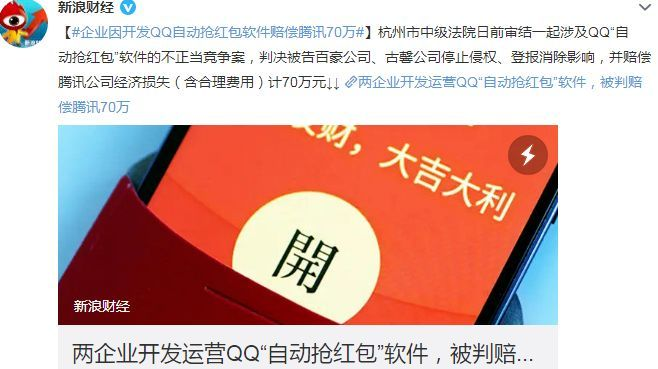
Traffic and compatibility issues: If AI guides users away from the original platform to use its recommended services, it may involve "traffic hijacking." Conversely, if the platform blanket bans all AI operations, it may also need to demonstrate whether the ban is reasonable and necessary self-protection.
II. Data security: Screen information belongs to sensitive personal information
AI needs to "see" the screen content to execute commands, which directly touches the strict norms of the Personal Information Protection Law.
-
Sensitive information processing: Screen content often contains sensitive personal information such as chat records, account information, travel轨迹, which legally require obtaining users' "separate consent." The common "blanket authorization" in current AI phones is questionable in validity. If AI, while executing a booking command, "sees" and processes private chat information, it may violate the "minimum necessity" principle.
-
Blurred responsibility主体: Does data processing occur locally on the phone or in the cloud? In case of leakage, how is responsibility divided between the phone manufacturer and the AI service provider? Current user agreements often do not clearly define this, creating compliance risks.
III. Antitrust controversy: Does the platform have the right to refuse AI access?
Future litigation may revolve around "essential facilities" and "refusal to deal."
The AI phone side may argue: WeChat and Taobao already have public infrastructure attributes, and refusing AI access without justifiable reasons涉嫌滥用市场支配地位 (suspected of abusing market dominance), hindering technological innovation.
The platform side may counter: Data opening must be premised on security and产权保护 (property rights protection). Allowing AI to read data without authorization may break through technical protection measures and harm user and platform rights.
IV. User responsibility: When AI makes a mistake, who pays?
AI changing from a tool to an "agent" brings a series of civil liability issues.
-
Validity of agency行为: If AI buys the wrong product due to understanding偏差 (e.g., executing "cheap phone" as a山寨机 (knockoff phone)), does it constitute a major misunderstanding or improper agency? Can users claim a refund on the grounds of "not my own operation"?
-
Account ban losses: Users whose third-party accounts are banned due to using AI functions may claim compensation from the phone manufacturer. The key lies in whether the risk was clearly提示 (提示 warned) at the time of sale. If disclosure is insufficient, manufacturers may face group维权 (维权 rights protection).
This game is not only a technical competition but also a practical redrawing of the legal boundaries of data产权 (property rights), platform responsibility, and user authorization. Both AI manufacturers and platforms need to find a clear balance between innovation and compliance.
Conclusion: Boundary of Rights and Spirit of Contract
The friction between Doubao and big companies表面上是产品冲突 (superficially is a product conflict), but actually reveals the fault line between the old and new orders: the past App-centric era is encountering the impact of the AI-centric interconnected experience.
As legal practitioners, we clearly see that the existing legal system is already inadequate when faced with the intervention of general artificial intelligence. Simple "bans" or "bypasses" cannot become sustainable solutions. The future way out may not lie in continuing to rely on technical规避 (规避 evasion) like "simulated clicks," but in promoting the establishment of a set of standardized AI interaction interface protocols.
While the rules are not yet clear, we pay tribute to those pioneers on the AI frontier who persist in exploration and uphold technology for good. At the same time, we must also be清醒认识到 (清醒认识到清醒认识到清醒认识到清醒认识到清醒认识到清醒认识到清醒认识到清醒认识到清醒认识到清醒认识到清醒认识到清醒认识到清醒认识到清醒认识到清醒认识到清醒认识到清醒认识到清醒认识到清醒认识到清醒认识到清醒认识到清醒认识到清醒认识到清醒认识到清醒认识到清醒认识到清醒认识到清醒认识到清醒认识到清醒认识到清醒认识到清醒认识到清醒认识到清醒认识到清醒认识到清醒认识到清醒认识到清醒认识到清醒认识到清醒认识到清醒认识到清醒认识到清醒认识到清醒认识到清醒认识到清醒认识到清醒认识到清醒认识到清醒认识到清醒认识到清醒认识到清醒认识到清醒认识到清醒认识到清醒认识到清醒认识到清醒认识到清醒认识到清醒认识到清醒认识到清醒认识到清醒认识到清醒认识到清醒认识到清醒认识到清醒认识到清醒认识到清醒认识到清醒认识到清醒认识到清醒认识到清醒认识到清醒认识到清醒认识到清醒认识到清醒认识到清醒认识到清醒认识到清醒认识到清醒认识到清醒认识到清醒认识到清醒认识到清醒认识到清醒认识到清醒认识到清醒认识到清醒认识到清醒认识到清醒认识到清醒认识到清醒认识到清醒认识到清醒认识到清醒认识到清醒认识到清醒认识到清醒认识到清醒认识到清醒认识到清醒认识到清醒认识到清醒认识到清醒认识到清醒认识到清醒认识到清醒认识到清醒认识到清醒认识到清醒认识到清醒认识到清醒认识到清醒认识到清醒认识到清醒认识到清醒认识到清醒认识到清醒认识到清醒认识到清醒认识到清醒认识到清醒认识到清醒认识到清醒认识到清醒认识到清醒认识到清醒认识到清醒认识到清醒认识到清醒认识到清醒认识到清醒认识到清醒认识到清醒认识到清醒认识到清醒认识到清醒认识到清醒认识到清醒认识到清醒认识到清醒认识到清醒认识到清醒认识到清醒认识到清醒认识到清醒认识到清醒认识到清醒认识到清醒认识到清醒认识到清醒认识到清醒认识到清醒认识到清醒认识到清醒认识到清醒认识到清醒认识到清醒认识到清醒认识到清醒认识到清醒认识到清醒认识到清醒认识到清醒认识到清醒认识到清醒认识到清醒认识到清醒认识到清醒认识到清醒认识到清醒认识到清醒认识到清醒认识到清醒认识到清醒认识到清醒认识到清醒认识到清醒认识到清醒认识到清醒认识到清醒认识到清醒认识到清醒认识到清醒认识到清醒认识到清醒认识到清醒认识到清醒认识到清醒认识到清醒认识到清醒认识到清醒认识到清醒认识到清醒认识到清醒认识到清醒认识到清醒认识到清醒认识到清醒认识到清醒认识到清醒认识到清醒认识到清醒认识到清醒认识到清醒认识到清醒认识到清醒认识到清醒认识到清醒认识到清醒认识到清醒认识到清醒认识到清醒认识到清醒认识到清醒认识到清醒认识到清醒认识到清醒认识到清醒认识到清醒认识到清醒认识到清醒认识到清醒认识到清醒认识到清醒认识到清醒认识到清醒认识到清醒认识到清醒认识到清醒认识到清醒认识到清醒认识到清醒认识到清醒认识到清醒认识到清醒认识到清醒认识到清醒认识到清醒认识到清醒认识到清醒认识到清醒认识到清醒认识到清醒认识到清醒认识到清醒认识到清醒认识到清醒认识到清醒认识到清醒认识到清醒认识到清醒认识到清醒认识到清醒认识到清醒认识到清醒认识到清醒认识到清醒认识到清醒认识到清醒认识到清醒认识到清醒认识到清醒认识到清醒认识到清醒认识到清醒认识到清醒认识到清醒认识到清醒认识到清醒认识到清醒认识到清醒认识到清醒认识到清醒认识到清醒认识到清醒认识到清醒认识到清醒认识到清醒认识到清醒认识到清醒认识到清醒认识到清醒认识到清醒认识到清醒认识到清醒认识到清醒认识到清醒认识到清醒认识到清醒认识到清醒认识到清醒认识到清醒认识到清醒认识到清醒认识到清醒认识到清醒认识到清醒认识到清醒认识到清醒认识到清醒认识到清醒认识到清醒认识到清醒认识到清醒认识到清醒认识到清醒认识到清醒认识到清醒认识到清醒认识到清醒认识到清醒认识到清醒认识到清醒认识到清醒认识到清醒认识到清醒认识到清醒认识到清醒认识到清醒认识到清醒认识到清醒认识到清醒认识到清醒认识到清醒认识到清醒认识到清醒认识到清醒认识到清醒认识到清醒认识到清醒认识到清醒认识到清醒认识到清醒认识到清醒认识到清醒认识到清醒认识到清醒认识到清醒认识到清醒认识到清醒认识到清醒认识到清醒认识到清醒认识到清醒认识到清醒认识到清醒认识到清醒认识到清醒认识到清醒认识到清醒认识到清醒认识到清醒认识到清醒认识到清醒认识到清醒认识到清醒认识到清醒认识到清醒认识到清醒认识到清醒认识到清醒认识到清醒认识到清醒认识到清醒认识到清醒认识到清醒认识到清醒认识到清醒认识到清醒认识到清醒认识到清醒认识到清醒认识到清醒认识到清醒认识到清醒认识到清醒认识到清醒认识到清醒认识到清醒认识到清醒认识到清醒认识到清醒认识到清醒认识到清醒认识到清醒认识到清醒认识到清醒认识到清醒认识到清醒认识到清醒认识到清醒认识到清醒认识到清醒认识到清醒认识到清醒认识到清醒认识到清醒认识到清醒认识到清醒认识到清醒认识到清醒认识到清醒认识到清醒认识到清醒认识到清醒认识到清醒认识到清醒认识到清醒认识到清醒认识到清醒认识到清醒认识到清醒认识到清醒认识到清醒认识到清醒认识到清醒认识到清醒认识到清醒认识到清醒认识到清醒认识到清醒认识到清醒认识到清醒认识到清醒认识到清醒认识到清醒认识到清醒认识到清醒认识到清醒认识到清醒认识到清醒认识到清醒认识到清醒认识到清醒认识到清醒认识到清醒认识到清醒认识到清醒认识到清醒认识到清醒认识到清醒认识到清醒认识到清醒认识到清醒认识到清醒认识到清醒认识到清醒认识到清醒认识到清醒认识到清醒认识到清醒认识到清醒认识到清醒认识到清醒认识到清醒认识到清醒认识到清醒认识到清醒认识到清醒认识到清醒认识到清醒认识到清醒认识到清醒认识到清醒认识到清醒认识到清醒认识到清醒认识到清醒认识到清醒认识到清醒认识到清醒认识到清醒认识到清醒认识到清醒认识到清醒认识到清醒认识到清醒认识到清醒认识到清醒认识到清醒认识到清醒认识到清醒认识到清醒认识到清醒认识到清醒认识到清醒认识到清醒认识到清醒认识到清醒认识到清醒认识到清醒认识到清醒认识到清醒认识到清醒认识到清醒认识到清醒认识到清醒认识到清醒认识到清醒认识到清醒认识到清醒认识到清醒认识到清醒认识到清醒认识到清醒认识到清醒认识到清醒认识到清醒认识到清醒认识到清醒认识到清醒认识到清醒认识到清醒认识到清醒认识到清醒认识到清醒认识到清醒认识到清醒认识到清醒认识到清醒认识到清醒认识到清醒认识到清醒认识到清醒认识到清醒认识到清醒认识到清醒认识到清醒认识到清醒认识到清醒认识到清醒认识到清醒认识到清醒认识到清醒认识到清醒认识到清醒认识到清醒认识到清醒认识到清醒认识到清醒认识到清醒认识到清醒认识到清醒认识到清醒认识到清醒认识到清醒认识到清醒认识到清醒认识到清醒认识到清醒认识到清醒认识到清醒认识到清醒认识到清醒认识到清醒认识到清醒认识到清醒认识到清醒认识到清醒认识到清醒认识到清醒认识到清醒认识到清醒认识到清醒认识到清醒认识到清醒认识到清醒认识到清醒认识到清醒认识到清醒认识到清醒认识到清醒认识到清醒认识到清醒认识到清醒认识到清醒认识到清醒认识到清醒认识到清醒认识到清醒认识到清醒认识到清醒认识到清醒认识到清醒认识到清醒认识到清醒认识到清醒认识到清醒认识到清醒认识到清醒认识到清醒认识到清醒认识到清醒认识到清醒认识到清醒认识到清醒认识到清醒认识到清醒认识到清醒认识到清醒认识到清醒认识到清醒认识到清醒认识到清醒认识到清醒认识到清醒认识到清醒认识到清醒认识到清醒认识到清醒认识到清醒认识到清醒认识到清醒认识到清醒认识到清醒认识到清醒认识到清醒认识到清醒认识到清醒认识到清醒认识到清醒认识到清醒认识到清醒认识到清醒认识到清醒认识到清醒认识到清醒认识到清醒认识到清醒认识到清醒认识到清醒认识到清醒认识到清醒认识到清醒认识到清醒认识到清醒认识到清醒认识到清醒认识到清醒认识到清醒认识到清醒认识到清醒认识到清醒认识到清醒认识到清醒认识到清醒认识到清醒认识到清醒认识到清醒认识到清醒认识到清醒认识到清醒认识到清醒认识到清醒认识到清醒认识到清醒认识到清醒认识到清醒认识到清醒认识到清醒认识到清醒认识到清醒认识到清醒认识到清醒认识到清醒认识到清醒认识到清醒认识到清醒认识到清醒认识到清醒认识到清醒认识到清醒认识到清醒认识到清醒认识到清醒认识到清醒认识到清醒认识到清醒认识到清醒认识到清醒认识到清醒认识到清醒认识到清醒认识到清醒认识到清醒认识到清醒认识到清醒认识到清醒认识到清醒认识到清醒认识到清醒认识到清醒认识到清醒认识到清醒认识到清醒认识到清醒认识到清醒认识到清醒认识到清醒认识到清醒认识到清醒认识到清醒认识到清醒认识到清醒认识到清醒认识到清醒认识到清醒认识到清醒认识到清醒认识到清醒认识到清醒认识到清醒认识到清醒认识到清醒认识到清醒认识到清醒认识到清醒认识到清醒认识到清醒认识到清醒认识到清醒认识到清醒认识到清醒认识到清醒认识到清醒认识到清醒认识到清醒认识到清醒认识到清醒认识到清醒认识到清醒认识到清醒认识到清醒认识到清醒认识到清醒认识到清醒认识到清醒认识到清醒认识到清醒认识到清醒认识到清醒认识到清醒认识到清醒认识到清醒认识到清醒认识到清醒认识到清醒认识到清醒认识到清醒认识到清醒认识到清醒认识到清醒认识到清醒认识到清醒认识到清醒认识到清醒认识到清醒认识到清醒认识到清醒认识到清醒认识到清醒认识到清醒认识到清醒认识到清醒认识到清醒认识到清醒认识到清醒认识到清醒认识到清醒认识到清醒认识到清醒认识到清醒认识到清醒认识到清醒认识到清醒认识到清醒认识到清醒认识到清醒认识到清醒认识到清醒认识到清醒认识到清醒认识到清醒认识到清醒认识到清醒认识到清醒认识到清醒认识到清醒认识到清醒认识到清醒认识到清醒认识到清醒认识到清醒认识到清醒认识到清醒认识到清醒认识到清醒认识到清醒认识到清醒认识到清醒认识到清醒认识到清醒认识到清醒认识到清醒认识到清醒认识到清醒认识到清醒认识到清醒认识到清醒认识到清醒认识到清醒认识到清醒认识到清醒认识到清醒认识到清醒认识到清醒认识到清醒认识到清醒认识到清醒认识到清醒认识到清醒认识到清醒认识到清醒认识到清醒认识到清醒认识到清醒认识到清醒认识到清醒认识到清醒认识到清醒认识到清醒认识到清醒认识到清醒认识到清醒认识到清醒认识到清醒认识到清醒认识到清醒认识到清醒认识到清醒认识到清醒认识到清醒认识到清醒认识到清醒认识到清醒认识到清醒认识到清醒认识到清醒认识到清醒认识到清醒认识到清醒认识到清醒认识到清醒认识到清醒认识到清醒认识到清醒认识到清醒认识到清醒认识到清醒认识到清醒认识到清醒认识到清醒认识到清醒认识到清醒认识到清醒认识到清醒认识到清醒认识到清醒认识到清醒认识到清醒认识到清醒认识到清醒认识到清醒认识到清醒认识到清醒认识到清醒认识到清醒认识到清醒认识到清醒认识到清醒认识到清醒认识到清醒认识到清醒认识到清醒认识到清醒认识到清醒认识到清醒认识到清醒认识到清醒认识到清醒认识到清醒认识到清醒认识到清醒认识到清醒认识到清醒认识到清醒认识到清醒认识到清醒认识到清醒认识到清醒认识到清醒认识到清醒认识到清醒认识到清醒认识到清醒认识到清醒认识到清醒认识到清醒认识到清醒认识到清醒认识到清醒认识到清醒认识到清醒认识到清醒认识到清醒认识到清醒认识到清醒认识到清醒认识到清醒认识到清醒认识到清醒认识到清醒认识到清醒认识到清醒认识到清醒认识到清醒认识到清醒认识到清醒认识到清醒认识到清醒认识到清醒认识到清醒认识到清醒认识到清醒认识到清醒认识到清醒认识到清醒认识到清醒认识到清醒认识到清醒认识到清醒认识到清醒认识到清醒认识到清醒认识到清醒认识到清醒认识到清醒认识到清醒认识到清醒认识到清醒认识到清醒认识到清醒认识到清醒认识到清醒认识到清醒认识到清醒认识到清醒认识到清醒认识到清醒认识到清醒认识到清醒认识到清醒认识到清醒认识到清醒认识到清醒认识到清醒认识到清醒认识到清醒认识到清醒认识到清醒认识到清醒认识到清醒认识到清醒认识到清醒认识到清醒认识到清醒认识到清醒认识到清醒认识到清醒认识到清醒认识到清醒认识到清醒认识到清醒认识到清醒认识到清醒认识到清醒认识到清醒认识到清醒认识到清醒认识到清醒认识到清醒认识到清醒认识到清醒认识到清醒认识到清醒认识到清醒认识到清醒认识到清醒认识到清醒认识到清醒认识到清醒认识到清醒认识到清醒认识到清醒认识到清醒认识到清醒认识到清醒认识到清醒认识到清醒认识到清醒认识到清醒认识到清醒认识到清醒认识到清醒认识到清醒认识到清醒认识到清醒认识到清醒认识到清醒认识到清醒认识到清醒认识到清醒认识到清醒认识到清醒认识到清醒认识到清醒认识到清醒认识到清醒认识到清醒认识到清醒认识到清醒认识到清醒认识到清醒认识到清醒认识到清醒认识到清醒认识到清醒认识到清醒认识到清醒认识到清醒认识到清醒认识到清醒认识到清醒认识到清醒认识到清醒认识到清醒认识到清醒认识到清醒认识到清醒认识到清醒认识到清醒认识到清醒认识到清醒认识到清醒认识到清醒认识到清醒认识到清醒认识到清醒认识到清醒认识到清醒认识到清醒认识到清醒认识到清醒认识到清醒认识到清醒认识到清醒认识到清醒认识到清醒认识到清醒认识到清醒认识到清醒认识到清醒认识到清醒认识到清醒认识到清醒认识到清醒认识到清醒认识到清醒认识到清醒认识到清醒认识到清醒认识到清醒认识到清醒认识到清醒认识到清醒认识到清醒认识到清醒认识到清醒认识到清醒认识到清醒认识到清醒认识到清醒认识到清醒认识到清醒认识到清醒认识到清醒认识到清醒认识到清醒认识到清醒认识到清醒认识到清醒认识到清醒认识到清醒认识到清醒认识到清醒认识到清醒认识到清醒认识到清醒认识到清醒认识到清醒认识到清醒认识到清醒认识到清醒认识到清醒认识到清醒认识到清醒认识到清醒认识到清醒认识到清醒认识到清醒认识到清醒认识到清醒认识到清醒认识到清醒认识到清醒认识到清醒认识到清醒认识到清醒认识到清醒认识到清醒认识到清醒认识到清醒认识到清醒认识到清醒认识到清醒认识到清醒认识到清醒认识到清醒认识到清醒认识到清醒认识到清醒认识到清醒认识到清醒认识到清醒认识到清醒认识到清醒认识到清醒认识到清醒认识到清醒认识到清醒认识到清醒认识到清醒认识到清醒认识到清醒认识到清醒认识到清醒认识到清醒认识到清醒认识到清醒认识到清醒认识到清醒认识到清醒认识到清醒认识到清醒认识到清醒认识到清醒认识到清醒认识到清醒认识到清醒认识到清醒认识到清醒认识到清醒认识到清醒认识到清醒认识到清醒认识到清醒认识到清醒认识到清醒认识到清醒认识到清醒认识到清醒认识到清醒认识到清醒认识到清醒认识到清醒认识到清醒认识到清醒认识到清醒认识到清醒认识到清醒认识到清醒认识到清醒认识到清醒认识到清醒认识到清醒认识到清醒认识到清醒认识到清醒认识到清醒认识到清醒认识到清醒认识到清醒认识到清醒认识到清醒认识到清醒认识到清醒认识到清醒认识到清醒认识到清醒认识到清醒认识到清醒认识到清醒认识到清醒认识到清醒认识到清醒认识到清醒认识到清醒认识到清醒认识到清醒认识到清醒认识到清醒认识到清醒认识到清醒认识到清醒认识到清醒认识到清醒认识到清醒认识到清醒认识到清醒认识到清醒认识到清醒认识到清醒认识到清醒认识到清醒认识到清醒认识到清醒认识到清醒认识到清醒认识到清醒认识到清醒认识到清醒认识到清醒认识到清醒认识到清醒认识到清醒认识到清醒认识到清醒认识到清醒认识到清醒认识到清醒认识到清醒认识到清醒认识到清醒认识到清醒认识到清醒认识到清醒认识到清醒认识到清醒认识到清醒认识到清醒认识到清醒认识到清醒认识到清醒认识到清醒认识到清醒认识到清醒认识到清醒认识到清醒认识到清醒认识到清醒认识到清醒认识到清醒认识到清醒认识到清醒认识到清醒认识到清醒认识到清醒认识到清醒认识到清醒认识到清醒认识到清醒认识到清醒认识到清醒认识到清醒认识到清醒认识到清醒认识到清醒认识到清醒认识到清醒认识到清醒认识到清醒认识到清醒认识到清醒认识到清醒认识到清醒认识到清醒认识到清醒认识到清醒认识到清醒认识到清醒认识到清醒认识到清醒认识到清醒认识到清醒认识到清醒认识到清醒认识到清醒认识到清醒认识到清醒认识到清醒认识到清醒认识到清醒认识到清醒认识到清醒认识到清醒认识到清醒认识到清醒认识到清醒认识到清醒认识到清醒认识到清醒认识到清醒认识到清醒认识到清醒认识到清醒认识到清醒认识到清醒认识到清醒认识到清醒认识到清醒认识到清醒认识到清醒认识到清醒认识到清醒认识到清醒认识到清醒认识到清醒认识到清醒认识到清醒认识到清醒认识到清醒认识到清醒认识到清醒认识到清醒认识到清醒认识到清醒认识到清醒认识到清醒认识到清醒认识到清醒认识到清醒认识到清醒认识到清醒认识到清醒认识到清醒认识到清醒认识到清醒认识到清醒认识到清醒认识到清醒认识到清醒认识到清醒认识到清醒认识到清醒认识到清醒认识到清醒认识到清醒认识到清醒认识到清醒认识到清醒认识到清醒认识到清醒认识到清醒认识到清醒认识到清醒认识到清醒认识到清醒认识到清醒认识到清醒认识到清醒认识到清醒认识到清醒认识到清醒认识到清醒认识到清醒认识到清醒认识到清醒认识到清醒认识到清醒认识到清醒认识到清醒认识到清醒认识到清醒认识到清醒认识到清醒认识到清醒认识到清醒认识到清醒认识到清醒认识到清醒认识到清醒认识到清醒认识到清醒认识到清醒认识到清醒认识到清醒认识到清醒认识到清醒认识到清醒认识到清醒认识到清醒认识到清醒认识到清醒认识到清醒认识到清醒认识到清醒认识到清醒认识到清醒认识到清醒认识到清醒认识到清醒认识到清醒认识到清醒认识到清醒认识到清醒认识到清醒认识到清醒认识到清醒认识到清醒认识到清醒认识到清醒认识到清醒认识到清醒认识到清醒认识到清醒认识到清醒认识到清醒认识到清醒认识到清醒认识到清醒认识到清醒认识到清醒认识到清醒认识到清醒认识到清醒认识到清醒认识到清醒认识到清醒认识到清醒认识到清醒认识到清醒认识到清醒认识到清醒认识到清醒认识到清醒认识到清醒认识到清醒认识到清醒认识到清醒认识到清醒认识到清醒认识到清醒认识到清醒认识到清醒认识到清醒认识到清醒认识到清醒认识到清醒认识到清醒认识到清醒认识到清醒认识到清醒认识到清醒认识到清醒认识到清醒认识到清醒认识到清醒认识到清醒认识到清醒认识到清醒认识到清醒认识到清醒认识到清醒认识到清醒认识到清醒认识到清醒认识到清醒认识到清醒认识到清醒认识到清醒认识到清醒认识到清醒认识到清醒认识到清醒认识到清醒认识到清醒认识到清醒认识到清醒认识到清醒认识到清醒认识到清醒认识到清醒认识到清醒认识到清醒认识到清醒认识到清醒认识到清醒认识到清醒认识到清醒认识到清醒认识到清醒认识到清醒认识到清醒认识到清醒认识到清醒认识到清醒认识到清醒认识到清醒认识到清醒认识到清醒认识到清醒认识到清醒认识到清醒认识到清醒认识到清醒认识到清醒认识到清醒认识到清醒认识到清醒认识到清醒认识到清醒认识到清醒认识到清醒认识到清醒认识到清醒认识到清醒认识到清醒认识到清醒认识到清醒认识到清醒认识到清醒认识到清醒认识到清醒认识到清醒认识到清醒认识到清醒认识到清醒认识到清醒认识到清醒认识到清醒认识到清醒认识到清醒认识到清醒认识到清醒认识到清醒认识到清醒认识到清醒认识到清醒认识到清醒认识到清醒认识到清醒认识到清醒认识到清醒认识到清醒认识到清醒认识到清醒认识到清醒认识到清醒认识到清醒认识到清醒认识到清醒认识到清醒认识到清醒认识到清醒认识到清醒认识到清醒认识到清醒认识到清醒认识到清醒认识到清醒认识到清醒认识到清醒认识到清醒认识到清醒认识到清醒认识到清醒认识到清醒认识到清醒认识到清醒认识到清醒认识到清醒认识到清醒认识到清醒认识到清醒认识到清醒认识到清醒认识到清醒认识到清醒认识到清醒认识到清醒认识到清醒认识到清醒认识到清醒认识到清醒认识到清醒认识到清醒认识到清醒认识到清醒认识到清醒认识到清醒认识到清醒认识到清醒认识到清醒认识到清醒认识到清醒认识到清醒认识到清醒认识到清醒认识到清醒认识到清醒认识到清醒认识到清醒认识到清醒认识到清醒认识到清醒认识到清醒认识到清醒认识到清醒认识到清醒认识到清醒认识到清醒认识到清醒认识到清醒认识到清醒认识到清醒认识到清醒认识到清醒认识到清醒认识到清醒认识到清醒认识到清醒认识到清醒认识到清醒认识到清醒认识到清醒认识到清醒认识到清醒认识到清醒认识到清醒认识到清醒认识到清醒认识到清醒认识到清醒认识到清醒认识到清醒认识到清醒认识到清醒认识到清醒认识到清醒认识到清醒认识到清醒认识到清醒认识到清醒认识到清醒认识到清醒认识到清醒认识到清醒认识到清醒认识到清醒认识到清醒认识到清醒认识到清醒认识到清醒认识到清醒认识到清醒认识到清醒认识到清醒认识到清醒认识到清醒认识到清醒认识到清醒认识到清醒认识到清醒认识到清醒认识到清醒认识到清醒认识到清醒认识到清醒认识到清醒认识到清醒认识到清醒认识到清醒认识到清醒认识到清醒认识到清醒认识到清醒认识到清醒认识到清醒认识到清醒认识到清醒认识到清醒认识到清醒认识到清醒认识到清醒认识到清醒认识到清醒认识到清醒认识到清醒认识到清醒认识到清醒认识到清醒认识到清醒认识到清醒认识到清醒认识到清醒认识到清醒认识到清醒认识到清醒认识到清醒认识到清醒认识到清醒认识到清醒认识到清醒认识到清醒认识到清醒认识到清醒认识到清醒认识到清醒认识到清醒认识到清醒认识到清醒认识到清醒认识到清醒认识到清醒认识到清醒认识到清醒认识到清醒认识到清醒认识到清醒认识到清醒认识到清醒认识到清醒认识到清醒认识到清醒认识到清醒认识到清醒认识到清醒认识到清醒认识到清醒认识到清醒认识到清醒认识到清醒认识到清醒认识到清醒认识到清醒认识到清醒认识到清醒认识到清醒认识到清醒认识到清醒认识到清醒认识到清醒认识到清醒认识到清醒认识到清醒认识到清醒认识到清醒认识到清醒认识到清醒认识到清醒认识到清醒认识到清醒认识到清醒认识到清醒认识到清醒认识到清醒认识到清醒认识到清醒认识到清醒认识到清醒认识到清醒认识到清醒认识到清醒认识到清醒认识到清醒认识到清醒认识到清醒认识到清醒认识到清醒认识到清醒认识到清醒认识到清醒认识到清醒认识到清醒认识到清醒认识到清醒认识到清醒认识到清醒认识到清醒认识到清醒认识到清醒认识到清醒认识到清醒认识到清醒认识到清醒认识到清醒认识到清醒认识到清醒认识到清醒认识到清醒认识到清醒认识到清醒认识到清醒认识到清醒认识到清醒认识到清醒认识到清醒认识到清醒认识到清醒认识到清醒认识到清醒认识到清醒认识到清醒认识到清醒认识到清醒认识到清醒认识到清醒认识到清醒认识到清醒认识到清醒认识到清醒认识到清醒认识到清醒认识到清醒认识到清醒认识到清醒认识到清醒认识到清醒认识到清醒认识到清醒认识到清醒认识到清醒认识到清醒认识到清醒认识到清醒认识到清醒认识到清醒认识到清醒认识到清醒认识到清醒认识到清醒认识到清醒认识到清醒认识到清醒认识到清醒认识到清醒认识到清醒认识到清醒认识到清醒认识到清醒认识到清醒认识到清醒认识到清醒认识到清醒认识到清醒认识到清醒认识到清醒认识到清醒认识到清醒认识到清醒认识到清醒认识到清醒认识到清醒认识到清醒认识到清醒认识到清醒认识到清醒认识到清醒认识到清醒认识到清醒认识到清醒认识到清醒认识到清醒认识到清醒认识到清醒认识到清醒认识到清醒认识到清醒认识到清醒认识到清醒认识到清醒认识到清醒认识到清醒认识到清醒认识到清醒认识到清醒认识到清醒认识到清醒认识到清醒认识到清醒认识到清醒认识到清醒认识到清醒认识到清醒认识到清醒认识到清醒认识到清醒认识到清醒认识到清醒认识到清醒认识到清醒认识到清醒认识到清醒认识到清醒认识到清醒认识到清醒认识到清醒认识到清醒认识到清醒认识到清醒认识到清醒认识到清醒认识到清醒认识到清醒认识到清醒认识到清醒认识到清醒认识到清醒认识到清醒认识到清醒认识到清醒认识到清醒认识到清醒认识到清醒认识到清醒认识到清醒认识到清醒认识到清醒认识到清醒认识到清醒认识到清醒认识到清醒认识到清醒认识到清醒认识到清醒认识到清醒认识到清醒认识到清醒认识到清醒认识到清醒认识到清醒认识到清醒认识到清醒认识到清醒认识到清醒认识到清醒认识到清醒认识到清醒认识到清醒认识到清醒认识到清醒认识到清醒认识到清醒认识到清醒认识到清醒认识到清醒认识到清醒认识到清醒认识到清醒认识到清醒认识到清醒认识到清醒认识到清醒认识到清醒认识到清醒认识到清醒认识到清醒认识到清醒认识到清醒认识到清醒认识到清醒认识到清醒认识到清醒认识到清醒认识到清醒认识到清醒认识到清醒认识到清醒认识到清醒认识到清醒认识到清醒认识到清醒认识到清醒认识到清醒认识到清醒认识到清醒认识到清醒认识到清醒认识到清醒认识到清醒认识到清醒认识到清醒认识到清醒认识到清醒认识到清醒认识到清醒认识到清醒认识到清醒认识到清醒认识到清醒认识到清醒认识到清醒认识到清醒认识到清醒认识到清醒认识到清醒认识到清醒认识到清醒认识到清醒认识到清醒认识到清醒认识到清醒认识到清醒认识到清醒认识到清醒认识到清醒认识到清醒认识到清醒认识到清醒认识到清醒认识到清醒认识到清醒认识到清醒认识到清醒认识到清醒认识到清醒认识到清醒认识到清醒认识到清醒认识到清醒认识到清醒认识到清醒认识到清醒认识到清醒认识到清醒认识到清醒认识到清醒认识到清醒认识到清醒认识到清醒认识到清醒认识到清醒认识到清醒认识到清醒认识到清醒认识到清醒认识到清醒认识到清醒认识到清醒认识到清醒认识到清醒认识到清醒认识到清醒认识到清醒认识到清醒认识到清醒认识到清醒认识到清醒认识到清醒认识到清醒认识到清醒认识到清醒认识到清醒认识到清醒认识到清醒认识到清醒认识到清醒认识到清醒认识到清醒认识到清醒认识到清醒认识到清醒认识到清醒认识到清醒认识到清醒认识到清醒认识到清醒认识到清醒认识到清醒认识到清醒认识到清醒认识到清醒认识到清醒认识到清醒认识到清醒认识到清醒认识到清醒认识到清醒认识到清醒认识到清醒认识到清醒认识到清醒认识到清醒认识到清醒认识到清醒认识到清醒认识到清醒认识到清醒认识到清醒认识到清醒认识到清醒认识到清醒认识到清醒认识到清醒认识到清醒认识到清醒认识到清醒认识到清醒认识到清醒认识到清醒认识到清醒认识到清醒认识到清醒认识到清醒认识到清醒认识到清醒认识到清醒认识到清醒认识到清醒认识到清醒认识到清醒认识到清醒认识到清醒认识到清醒认识到清醒认识到清醒认识到清醒认识到清醒认识到清醒认识到清醒认识到清醒认识到清醒认识到清醒认识到清醒认识到清醒认识到清醒认识到清醒认识到清醒认识到清醒认识到清醒认识到清醒认识到清醒认识到清醒认识到清醒认识到清醒认识到清醒认识到清醒认识到清醒认识到清醒认识到清醒认识到清醒认识到清醒认识到清醒认识到清醒认识到清醒认识到清醒认识到清醒认识到清醒认识到清醒认识到清醒认识到清醒认识到清醒认识到清醒认识到清醒认识到清醒认识到清醒认识到清醒认识到清醒认识到清醒认识到清醒认识到清醒认识到清醒认识到清醒认识到清醒认识到清醒认识到清醒认识到清醒认识到清醒认识到清醒认识到清醒认识到清醒认识到清醒认识到清醒认识到清醒认识到清醒认识到清醒认识到清醒认识到清醒认识到清醒认识到清醒认识到清醒认识到清醒认识到清醒认识到清醒认识到清醒认识到清醒认识到清醒认识到清醒认识到清醒认识到清醒认识到清醒认识到清醒认识到清醒认识到清醒认识到清醒认识到清醒认识到清醒认识到清醒认识到清醒认识到清醒认识到清醒认识到清醒认识到清醒认识到清醒认识到清醒认识到清醒认识到清醒认识到清醒认识到清醒认识到清醒认识到清醒认识到清醒认识到清醒认识到清醒认识到清醒认识到清醒认识到清醒认识到清醒认识到清醒认识到清醒认识到清醒认识到清醒认识到清醒认识到清醒认识到清醒认识到清醒认识到清醒认识到清醒认识到清醒认识到清醒认识到清醒认识到清醒认识到清醒认识到清醒认识到清醒认识到清醒认识到清醒认识到清醒认识到清醒认识到清醒认识到清醒认识到清醒认识到清醒认识到清醒认识到清醒认识到清醒认识到清醒认识到清醒认识到清醒认识到清醒认识到清醒认识到清醒认识到清醒认识到清醒认识到清醒认识到清醒认识到清醒认识到清醒认识到清醒认识到清醒认识到清醒认识到清醒认识到清醒认识到清醒认识到清醒认识到清醒认识到清醒认识到清醒认识到清醒认识到清醒认识到清醒认识到清醒认识到清醒认识到清醒认识到清醒认识到清醒认识到清醒认识到清醒认识到清醒认识到清醒认识到清醒认识到清醒认识到清醒认识到清醒认识到清醒认识到清醒认识到清醒认识到清醒认识到清醒认识到清醒认识到清醒认识到极:敬畏边界,往往比颠覆本身更能走得长远 (Revering boundaries often allows one to go further than颠覆 itself).




















