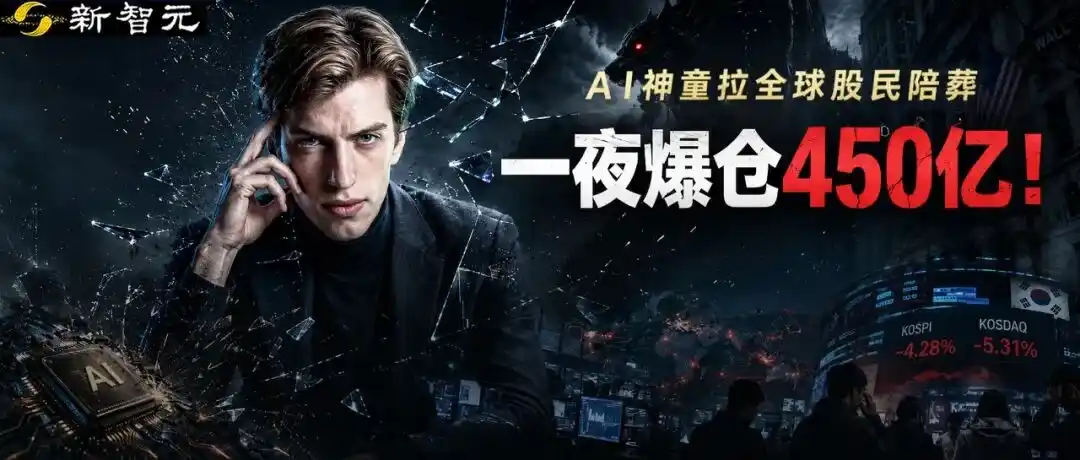
Today, the story of this 25-year-old 'AI Prophet' is flooding the internet.
Just now, Wall Street witnessed a textbook-level liquidation.
The central figure in this storm of blood and tears is Leopold Aschenbrenner, hailed by Silicon Valley as an 'AI prophet', and his hedge fund, Situational Awareness, which boasted an astronomical 439% return.
By accurately betting on the AI wave, he was once elevated to god-like status, managing a colossal empire exceeding $20 billion.
But a sudden, sharp decline in AI tech stocks caused this legendary fund—which had skyrocketed from $200 million to $45 billion—to vanish into thin air within a single month.
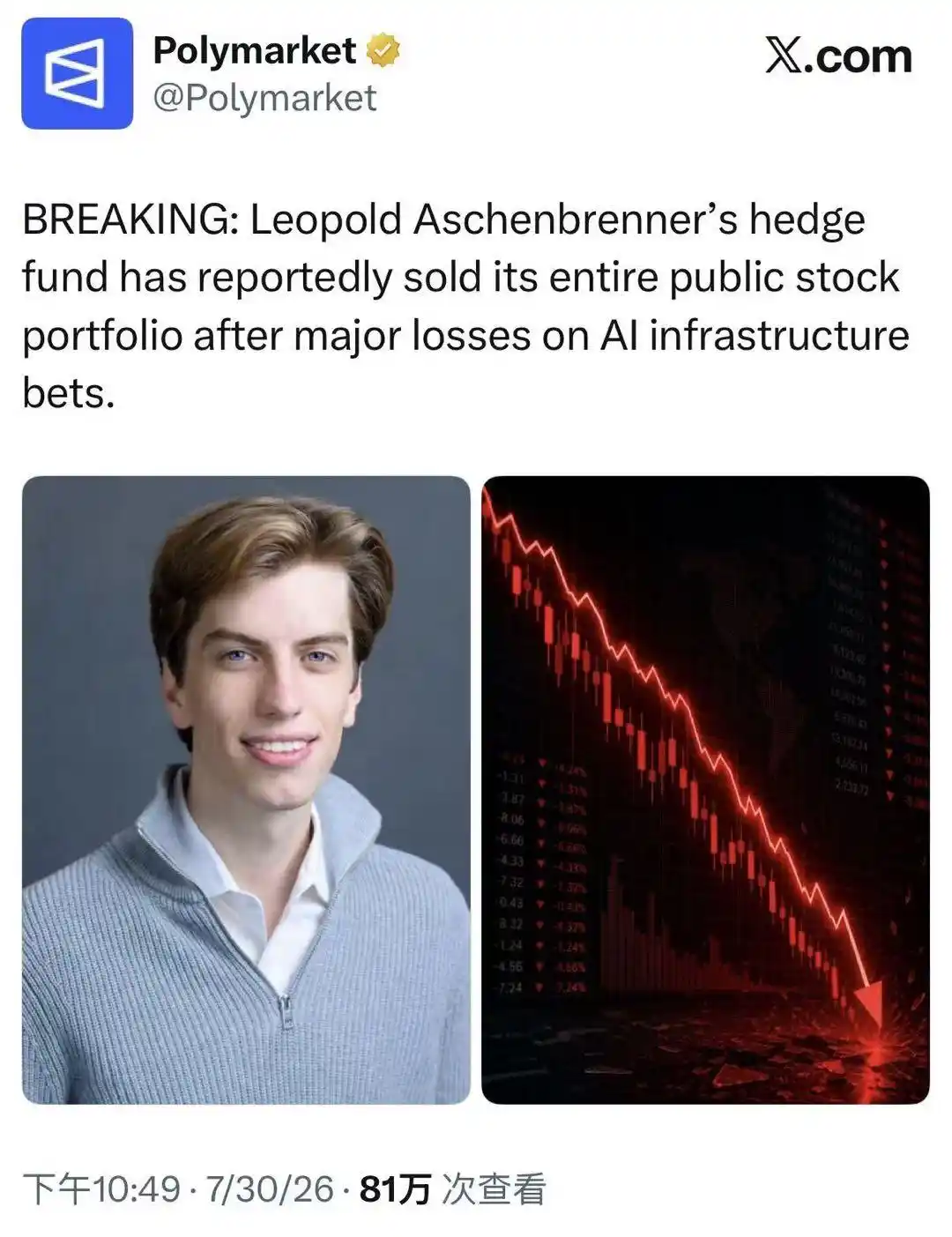
Why did this $45 billion empire collapse overnight?
The reason: the AI hardware stocks (SK Hynix, Micron, CoreWeave, etc.) that the 'Prophet' was heavily long on plummeted more than 35% this month; meanwhile, the software stocks he was shorting (like Adobe) rallied against the trend.
Ironically, the day after being forced to liquidate, the AI stocks he was heavily invested in staged a powerful rebound—
He died just before the great AI stock counteroffensive.
And the worst hit in this entire event were actually retail investors halfway across the world in South Korea—they went all-in with AI faith, only to step into an abyss.
It's lamentable that this 'Prophet' correctly predicted the trend but perished five minutes before dawn, dragging half the world's investors down with him.
The AI 'Prodigy',
and His Fiancée Form Silicon Valley's Most Powerful Couple
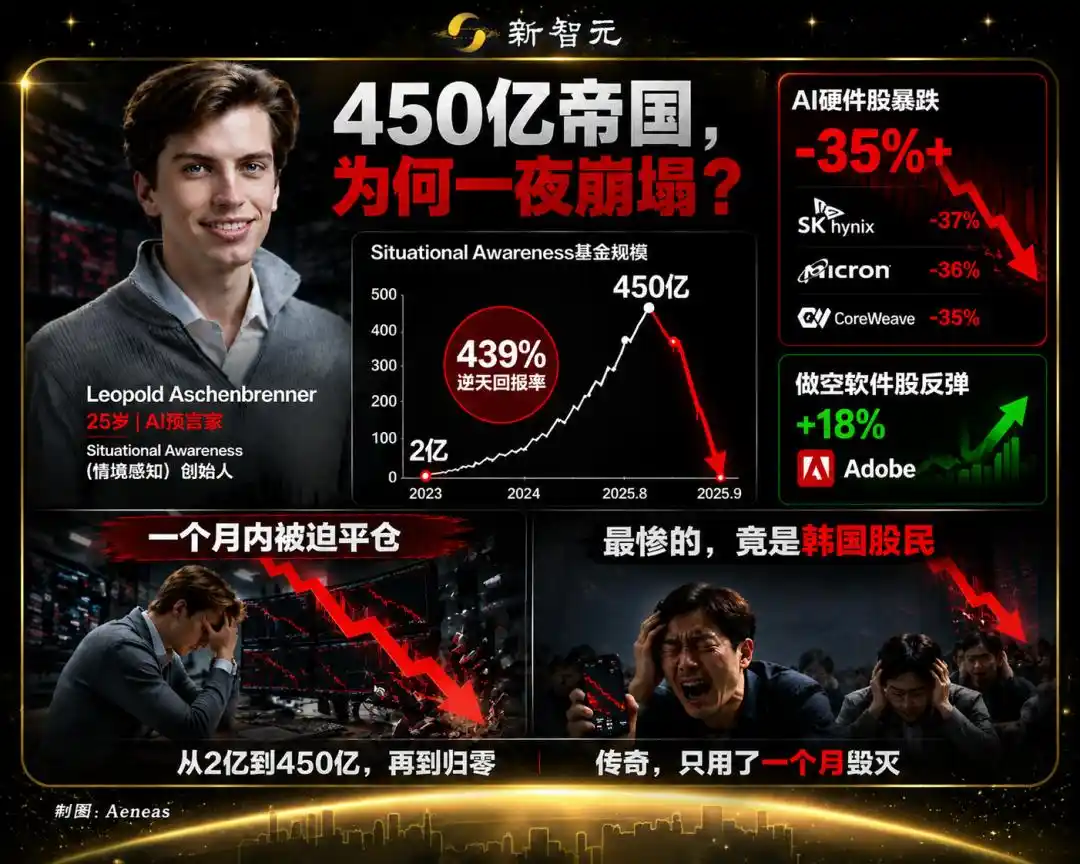
The male lead of this 'epic blow-up'—Leopold Aschenbrenner—had lived a life straight out of legend for his first 25 years.
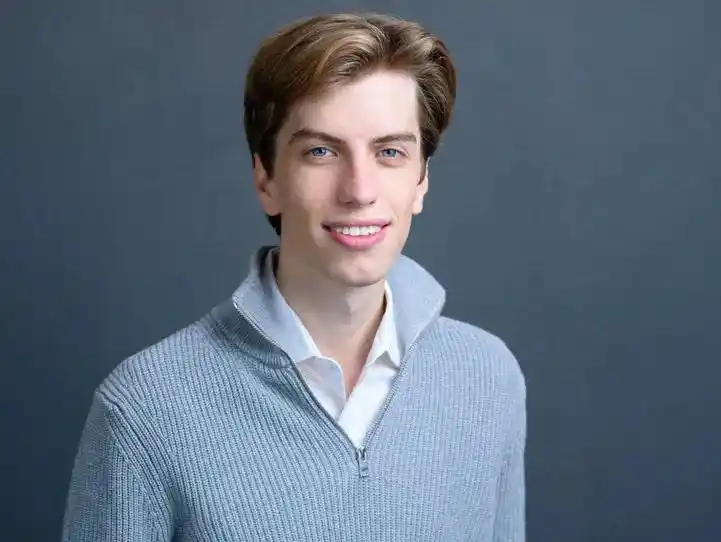
He is a Gen Z'er, of German descent, started at Columbia University at 15, and graduated as the top of his class at 19.
His post-graduation path was the stuff of 'wish-fulfillment novels': he first worked at SBF's FTX Future Fund, then seamlessly transitioned into OpenAI, joining the 'Superalignment Team' led personally by Ilya Sutskever—the core of the core at OpenAI.
But what really got Silicon Valley's gossip circles buzzing was the 'AI Power Couple' he formed with his fiancée, Avital Balwit.
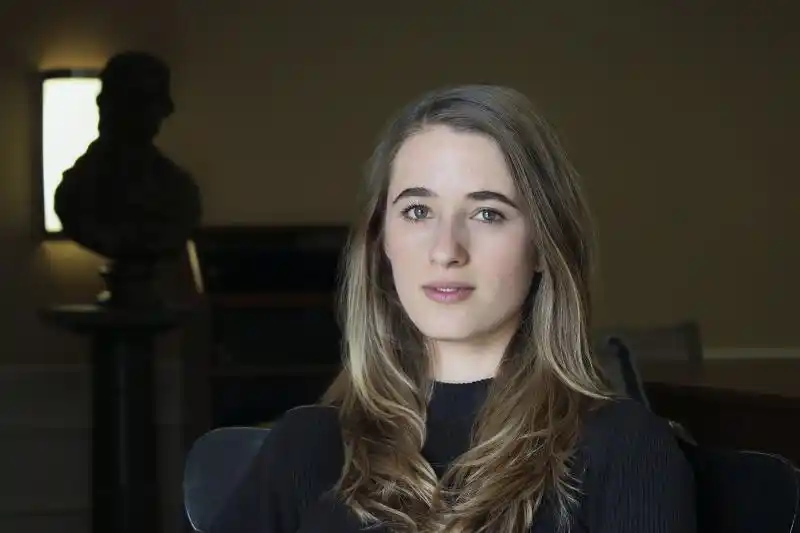
She is also remarkable: a Rhodes Scholar, Oxford FHI alumna, now serving as Chief of Staff to the Anthropic CEO.
This couple's combined influence is akin to Mr. & Mrs. Smith: one ex-OpenAI, the other an Anthropic executive. A casual chat over dinner could be an exchange of the AI world's highest-level secrets.
Later, Leopold was fired from OpenAI for 'whistleblowing'. In a fit of anger, he wrote a 165-page 'AI Bible' that immediately shook the entire Silicon Valley.
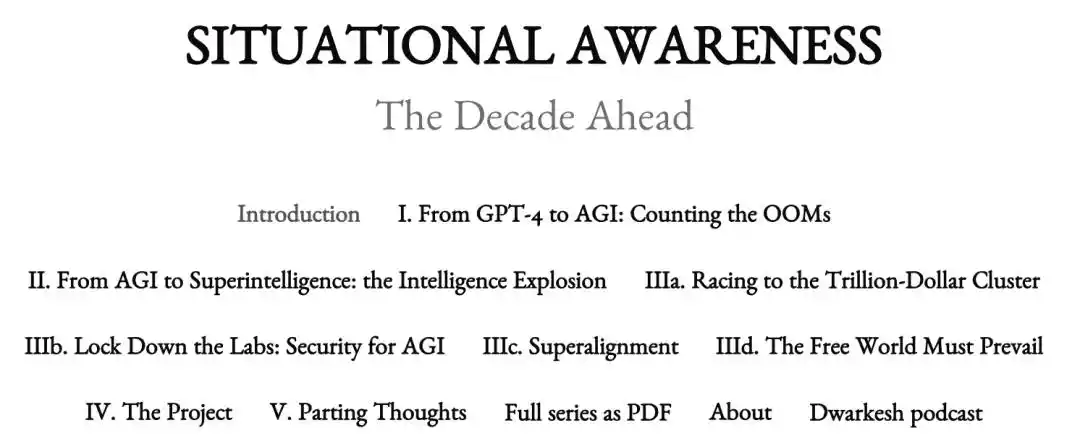
Leopold Aschenbrenner released a lengthy essay in June 2024, projecting forward from 'computing power and data multiplying by tenfold each cycle' to the 'intelligence explosion' and trillion-dollar cluster race ignited by AGI and agents in 2027.
This long-form article, 'Situational Awareness: The Next Decade,' predicted that AGI would upend the world by 2027. The article went viral in Silicon Valley, and he capitalized on it, charging into Wall Street with his 'AI Bible' in hand.
Raking in 439% in Half a Year,
A $20 Billion Empire Nearly Achieved Godhood
Next, this young man with zero professional investment experience founded the hedge fund Situational Awareness LP.
The name itself is quite pretentious.
The lineup of early investors was nothing short of a Silicon Valley all-star cast: Stripe co-founders the Collison brothers, Meta AI head Daniel Gross, quant giant Jane Street... all forked over money.
Starting with about $225 million at the end of 2024, the fund ballooned to over $20 billion by mid-2026, peaking near $45 billion.
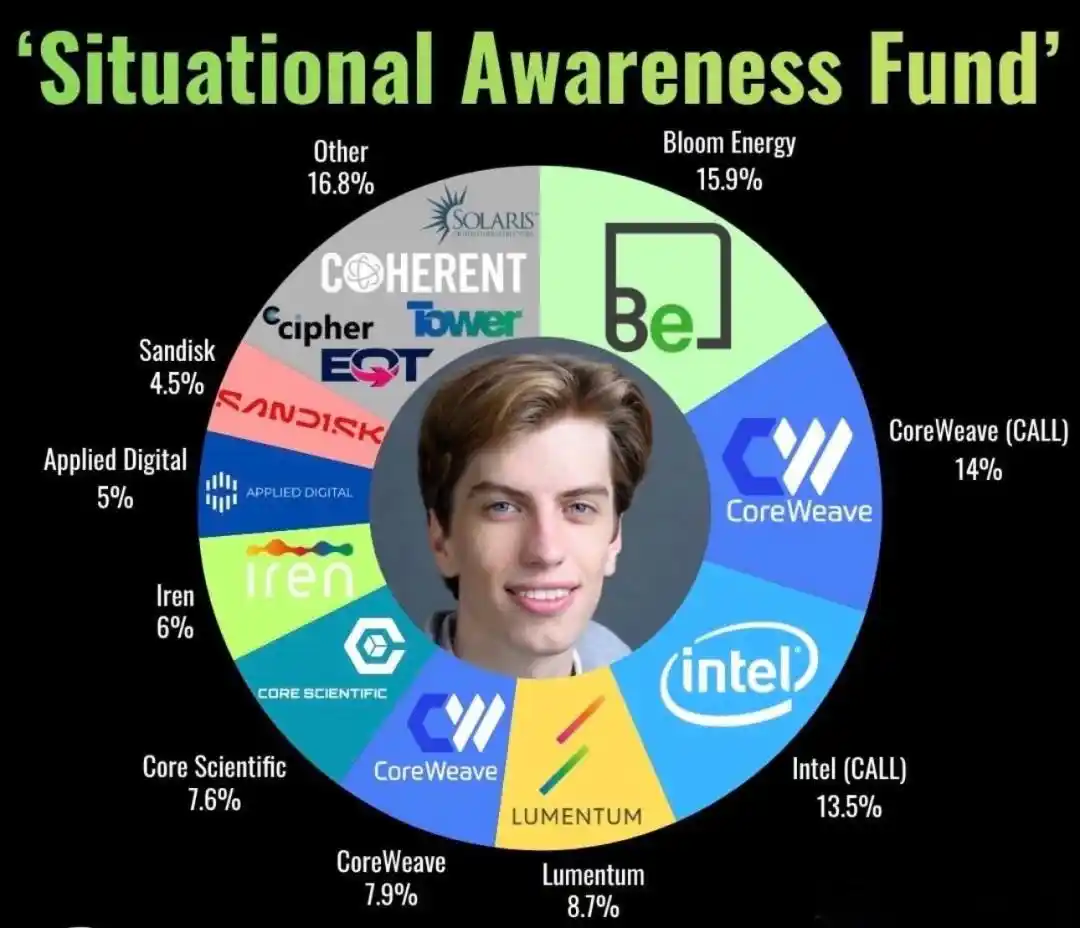
Their performance was simply blinding: eight people managing $45 billion, raking in a staggering 439% in half a year! A number that would make even Warren Buffett consider a career change.
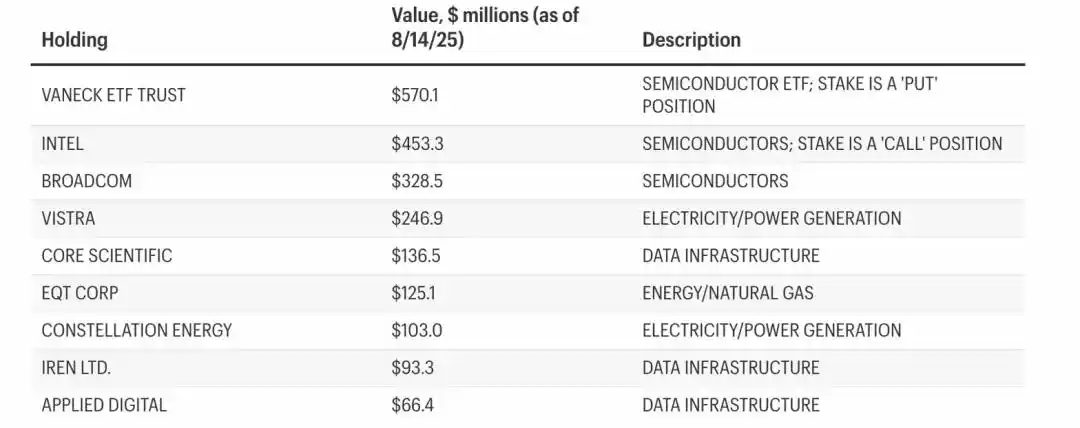
Situational Awareness LP's early portfolio: Chips + Power + Data Centers, all 'pick-and-shovel' AI infrastructure plays (Source: Fortune)
The fund's strategy was brutally simple: max out leverage on the AI supply chain and go all-in.
He not only heavily invested in SK Hynix, Sandisk, Nebius Group, but also had a significant private market position in Anthropic, where his fiancée works.
In the first half of 2026, AI stocks continued their frenzied rise, and Leopold's strategy triumphed.
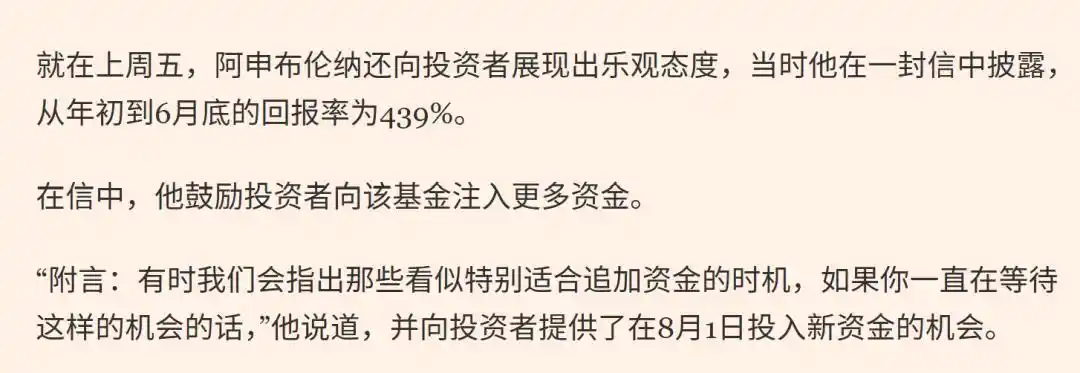
At the end of July, Leopold wrote a letter to investors, the gist of which was: 'Those of you who didn't add more capital earlier, regretting it now? It's okay, you can still wire money.'
—This letter was later dubbed by the market as the 'death flag'.
Death Arrives: The Korean Retail Investor Stampede
Come July, AI stocks suddenly turned. The market began to worry: these tech companies are burning cash like crazy, where are the returns? A sell-off began.
The first wave of the avalanche, surprisingly, started in South Korea.
Korean retail investors are notorious 'borrow-to-trade fanatics'. When AI concept stocks fell, it immediately triggered brokerage margin calls: deposit more money quickly, or face forced liquidation; no money to deposit, then forced selling.
Korean investors were forced into a frenzy of selling, driving prices down further, triggering more margin calls for others... This death spiral sucked in all assets with the 'AI' label globally.
And Leopold's fund happened to be right at the center of the spiral.
If it were merely a buy-and-hold strategy, the losses would only be paper numbers.
But Leopold committed Wall Street's deadliest sin—excessive use of leverage.
In the upswing, he borrowed money from Goldman Sachs and J.P. Morgan to amplify his positions, creating the 439% myth; but in the downturn, leverage devoured everything.
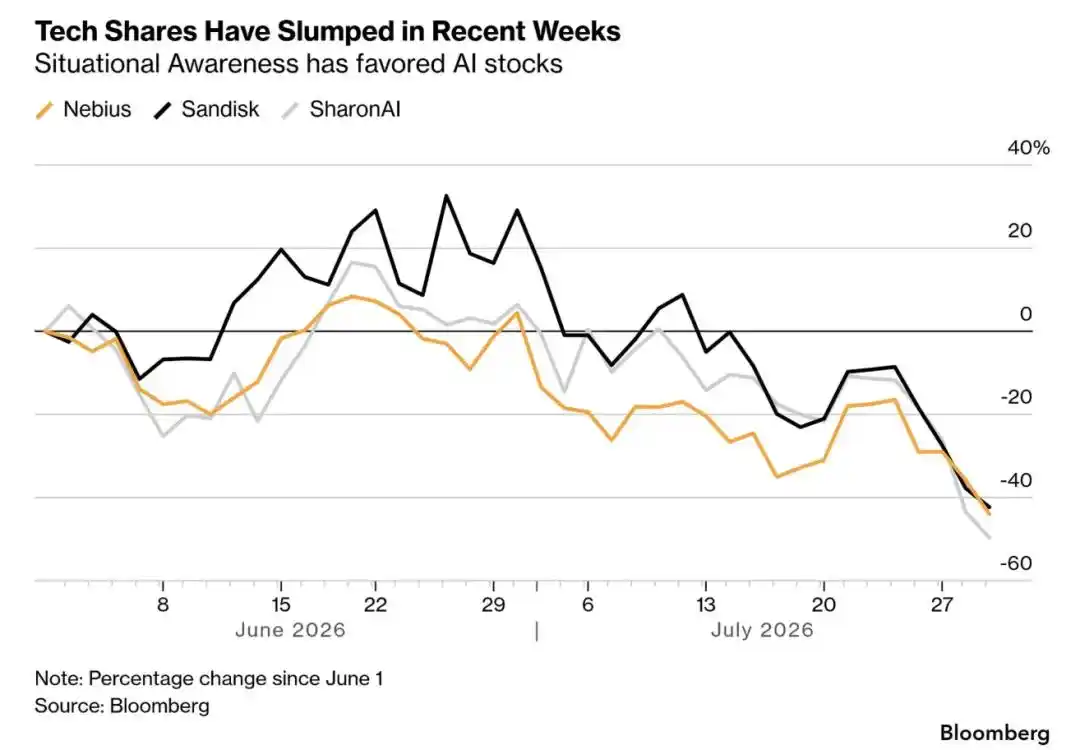
The AI stocks heavily weighted in Situational Awareness LP's portfolio peaked in June and collectively halved in July, with drops generally exceeding 40%, directly triggering its forced liquidation (Source: Bloomberg)
Wall Street bankers turned ruthless, hitting him with astronomical margin calls.
In less than 24 hours, Leopold frantically appealed to investors, trying to offload assets and find new money. But when the wall collapses, everyone pushes. His conviction, his top-tier Silicon Valley connections, meant nothing in this moment.
Ultimately, traders were forced to sell according to a brutal schedule, executing forced liquidations.
Not only did he blow up himself, but he also dragged down global AI concept stocks, with countless retail investors going down with him.
'Face Ripped Off': Citadel Behemoth Gobbles Up $16 Billion
For top-tier hedge funds, someone else's blow-up is their carnival.
Ken Griffin, founder of Citadel, known as Wall Street's premier 'scavenger'. He excels at scooping up assets at fire-sale prices when others blow up.
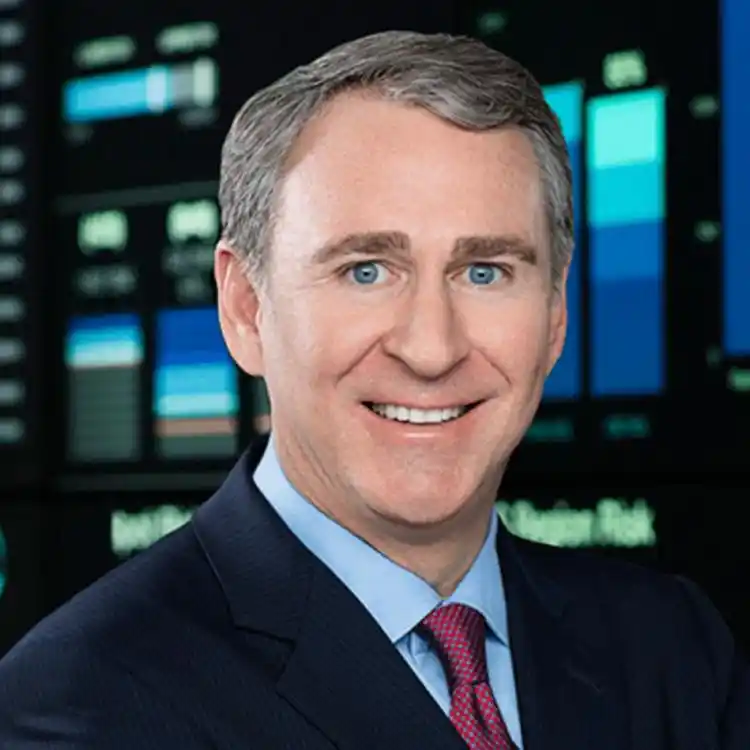
Brokered by investment banks, Citadel swallowed up approximately $16 billion of Situational Awareness's leveraged positions in one bite.
Leopold barely managed to retain the portion bought with clients' own capital, plus about $5 billion worth of Anthropic private equity—his fiancée's turf and his last remaining ace in the hole.
The process of transferring these assets was enough to break a person.
Bloomberg's original words put it this way: 'Traders call it "getting your face ripped off." This time it was Ken Griffin doing the ripping. I would absolutely not want to take that handover call. Too painful.'
The 25-year-old genius elevated to godhood had to bow his head and personally sell the 'golden assets' he so fervently believed in, at a discount, to the old foxes of Wall Street.
Adding Insult to Injury: The Bull Market Returns Right After You Blow Up
If the blow-up was merely physical destruction, the following plot twist was spiritual torture.
Right after the Citadel takeover was officially announced—the very AI stocks Leopold was heavily invested in suddenly staged a powerful rally! The Nasdaq 100 index surged over 3% in a single day.
Why?
Because Wall Street's wolves had long been eyeing Leopold's predicament. Everyone was shorting, waiting for him to blow up.
When news of Citadel taking over broke, it meant the biggest source of 'forced selling' in the market had finally disappeared.
Thus, short covering, long buying—the bull market was back.
You saw the era correctly, you had top-tier industry connections, but you used leverage, and the market pushed you to the brink.
The market doesn't judge whether your idea is right or wrong; it only judges whether you can 'survive.'
A Century-Old Wall Street Law: Right on the Trend, Wrong on the Timing
Leopold Aschenbrenner's tragedy is not an isolated case.

The first example is Long-Term Capital Management (LTCM) in 1998. They had two Nobel laureates on board, their mathematical models were flawless.
Result: the Russian debt default that year triggered irrational market panic, and their high leverage blew them up.
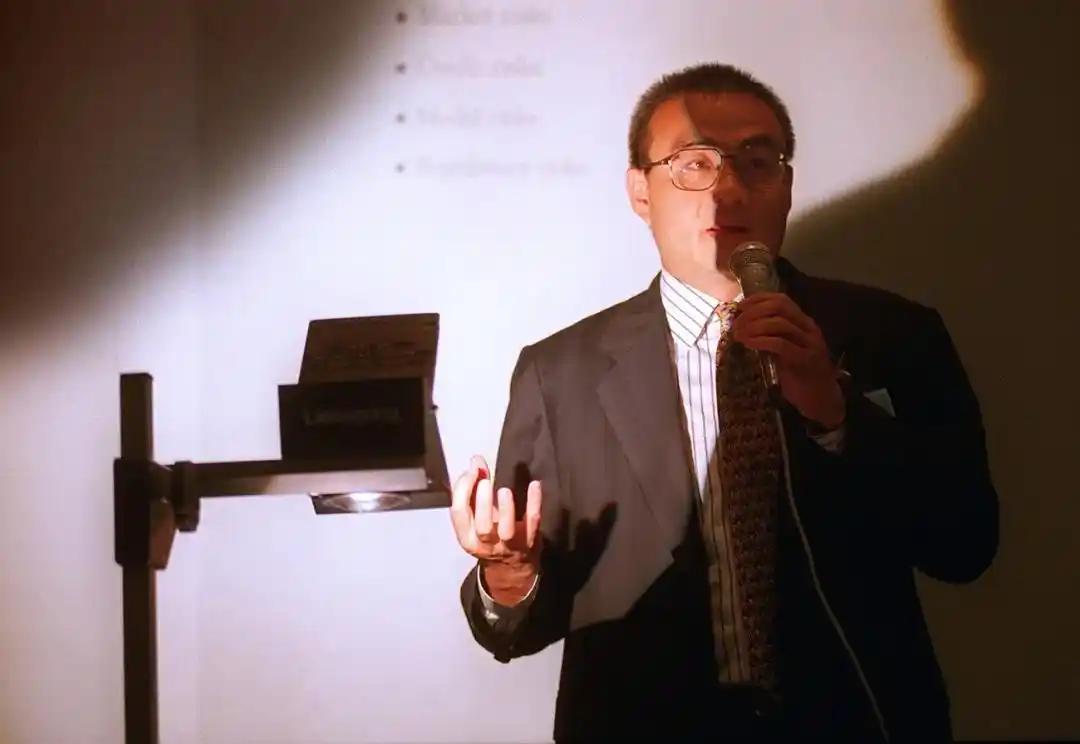
The second example is Peter Thiel's Clarium Capital.
The guru firmly believed oil prices would rise and went heavy. Result: a short-term reversal, and leverage inflicted massive losses. A correct logic does not equal a profitable trade.

Today, this Silicon Valley prodigy, who plotted the AI future with his fiancée, has also joined this 'list of smart people's deaths'.
In the end, Leopold and his fiancée remain among the world's most knowledgeable people regarding AI.
He still holds $5 billion worth of Anthropic equity. If AGI truly arrives, he could very well make a comeback.
But this time, Wall Street taught him, and all AI enthusiasts, a lesson: In capital markets, being the smartest person in the room won't stop you from falling to pieces.
Sometimes, overestimating yourself only hastens your destruction.
References:
https://x.com/CharlesRollet1/status/2082924907344933072
https://www.businessinsider.com/leopold-aschenbrenner-situational-awareness-wall-street-lesson-ai-stocks-2026-7
https://www.wsj.com/finance/citadel-buys-situational-awarenesss-stock-portfolio-after-big-losses-in-ai-5117159b
Editor: Aeneas Yuanyu
This article is from the WeChat public account 'XinZhiYuan', author: ASI Revelation