Experts Named Reasons for Bitcoin's Decline After US Inflation Drop
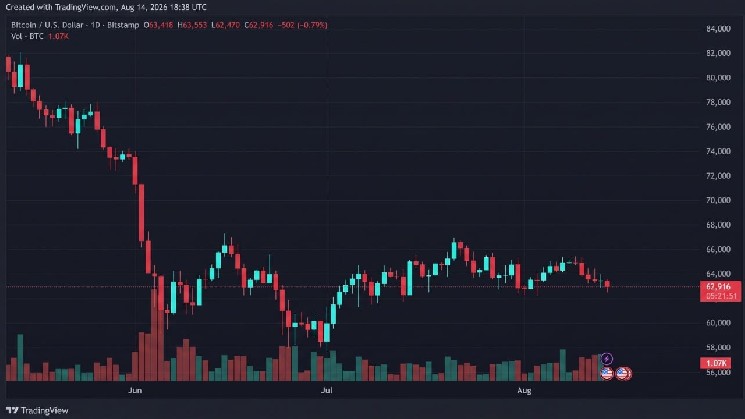
Despite favorable U.S. inflation data in July, Bitcoin failed to rally and instead declined. Analysts from CryptoQuant identify weak spot market demand as the primary cause. After the data release, Bitcoin briefly dropped from around $64,500 to $63,000. While the Producer Price Index (PPI) was better than expected, and U.S. stock indices rose, Bitcoin remained stuck in a range.
Key indicators point to subdued demand: capital inflows into U.S. spot Bitcoin ETFs remain low, and the Coinbase Premium Index has been negative since May, indicating limited buying pressure from American investors. In contrast, positioning in the futures market remains relatively high, creating an imbalance of weak spot demand, low liquidity, and significant leveraged positions.
Analysts warn that under these conditions, even positive macroeconomic news may not spur growth. If the price doesn't react to a favorable backdrop, traders might start closing margin longs, adding further downward pressure. A key resistance level is identified at $68,700, the approximate cost basis for short-term holders, which could trigger selling.
For a sustained rally to resume, CryptoQuant states the market needs: renewed capital inflows into U.S. Bitcoin ETFs, the Coinbase Premium Index turning positive, an increase in spot trading volumes, and a decisive break above $68,700.
cryptonews.ru2h ago