$100M Annual Revenue, Two Berkeley Roommates in Their 20s Build the Most Profitable AI Business

marsbitPublished on 2026-07-06Last updated on 2026-07-06

Abstract

Arena, the AI model ranking platform, has become a $100 million annual revenue business just eight months after launching its commercial service. Originally a UC Berkeley open-source research project called Chatbot Arena, it created a "battle arena" where users blind-test and vote on anonymous AI model responses. This has generated a highly trusted, community-driven leaderboard based on over 10 million user evaluations and 82 million votes. Major AI companies like OpenAI, Google, and Anthropic submit their flagship models to be ranked. The core monetization strategy is its AI Evaluations service, where model developers and large enterprises pay for in-depth performance analysis from Arena's massive user community. This provides real-world feedback on model strengths, weaknesses, and hallucinations—a critical service as models become more complex. The company, spun out from Berkeley in early 2025, quickly raised $100 million in seed funding at a $600 million valuation and later secured a $150 million Series A at a $1.7 billion valuation. The founding team includes CEO Anastasios Angelopoulos, a mathematician focused on rigorous model evaluation; CTO Wei-Lin Chiang, creator of the popular Vicuna chatbot; and co-founder Ion Stoica, a renowned Berkeley professor. Arena is now expanding beyond chat benchmarks into "Agent Mode," evaluating AI agents on complex, multi-step tasks like coding and research. The company's success illustrates the growing value and cost of independent, ...

A company that doesn't build AI is earning $100 million a year!

The creator of this business miracle is 'Arena', the 'large model battleground' that major Silicon Valley AI giants are vying for.

Its predecessor was called Chatbot Arena, initially just an open-source research project launched by a UC Berkeley team in 2023.
Who would have thought that in such a short time, it would become the core arena holding the fate of large models.

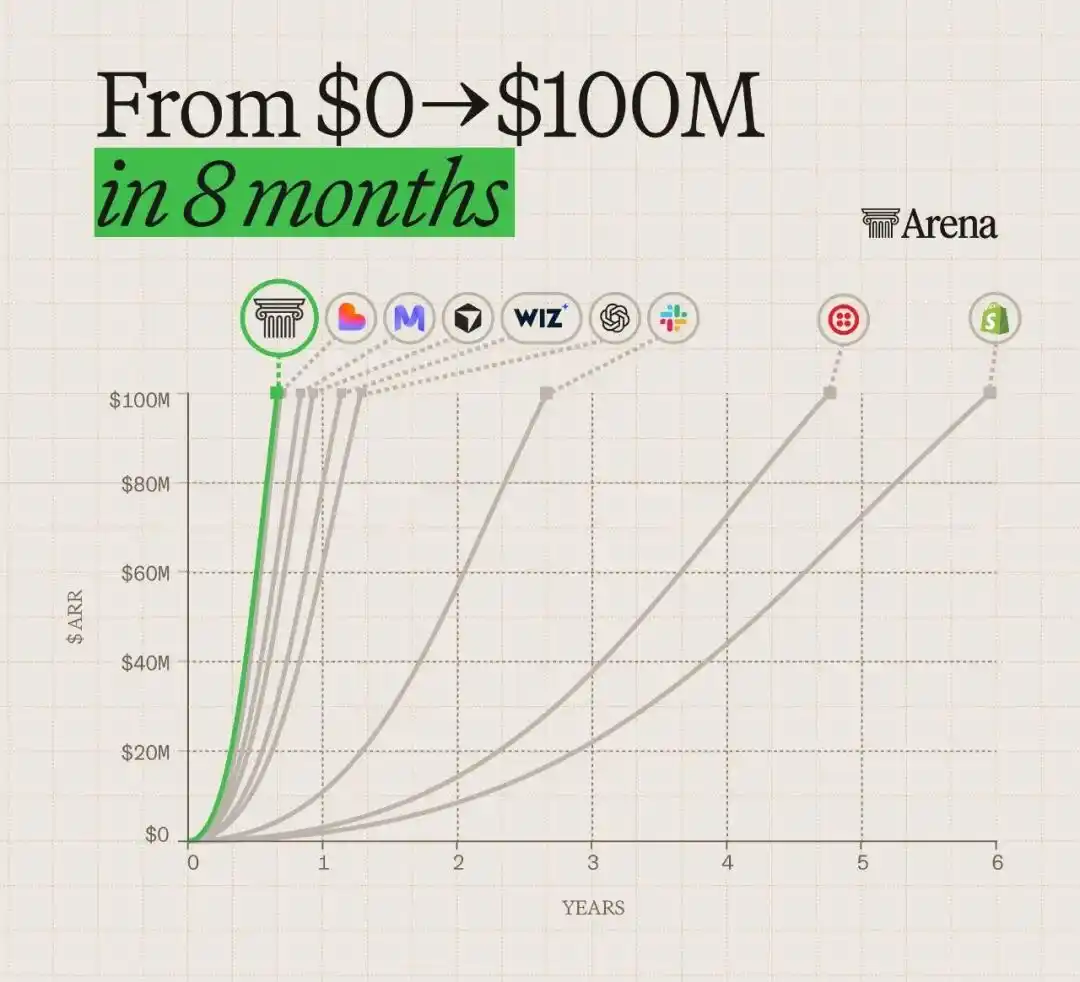
Just today, a mere 8 months after Arena's commercial service launched, its annualized revenue reached $100 million, hitting a new milestone.
ChatGPT, Claude Battle for the Top, The Large Model Arena

For many, Arena is no stranger.

What it's most famous for is that large model leaderboard entirely built on real user blind testing.

The gameplay is extremely simple, yet full of competitive spirit—

Enter a prompt, the system blindly dispatches two anonymous models to answer simultaneously; then choose which one is better.
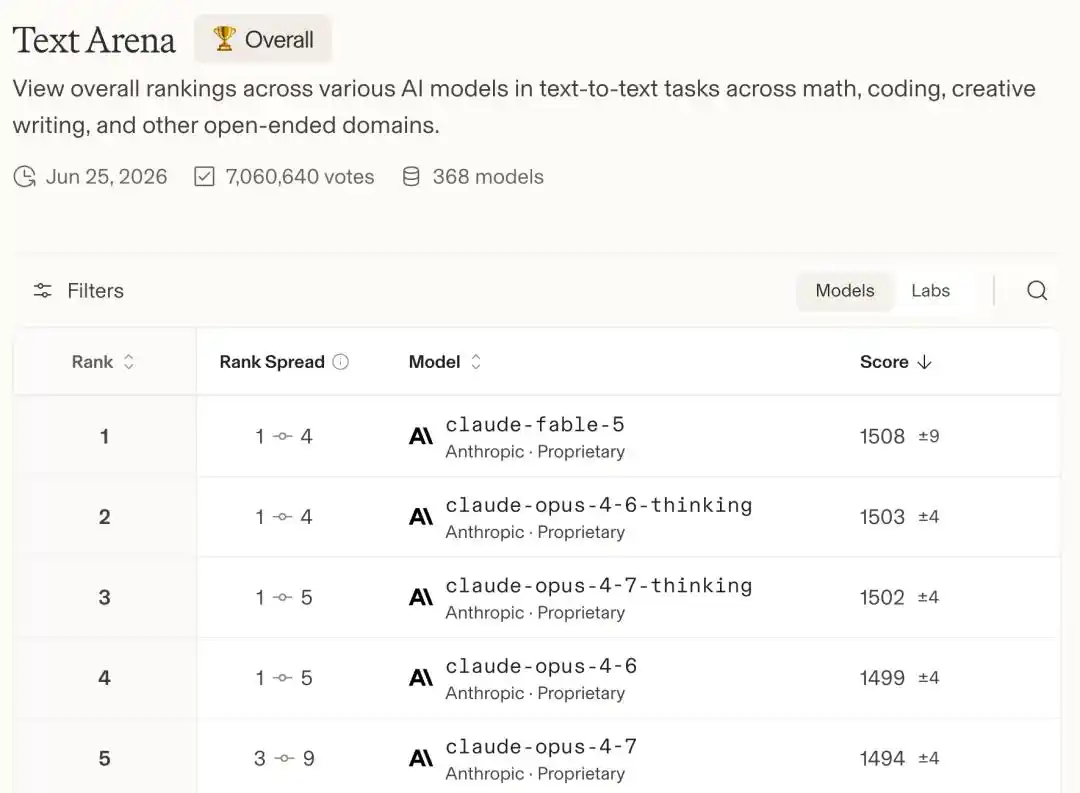
The system aggregates tens of millions of such votes into an Elo-style leaderboard.

This 'battle arena' mechanism has made it a holy land for global AI enthusiasts and developers.

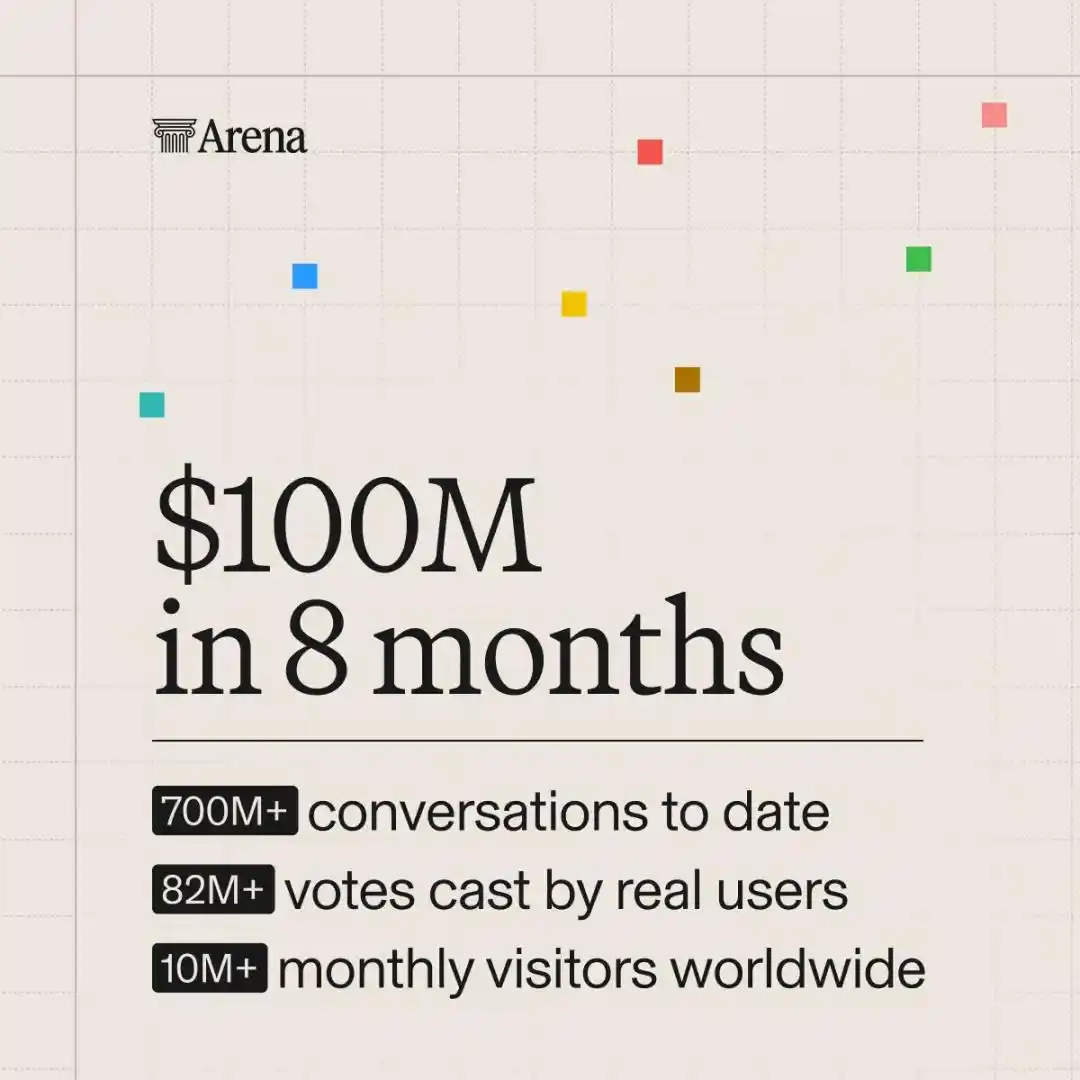
To date, the platform has accumulated over 10 million user evaluations, 700 million conversations, 82 million votes, more than 10 million monthly visitors from over 150 countries worldwide.

More crucially, about 80% of daily user prompts are completely new, no model can 'memorize' them in advance.
How valuable is this?

OpenAI, Google, Anthropic, Meta—these top-tier giants usually at each other's throats—all submit their flagship models to Arena to be grilled by the community.

OpenAI even secretly tested on the board under the codename 'summit' before GPT-5's official release.
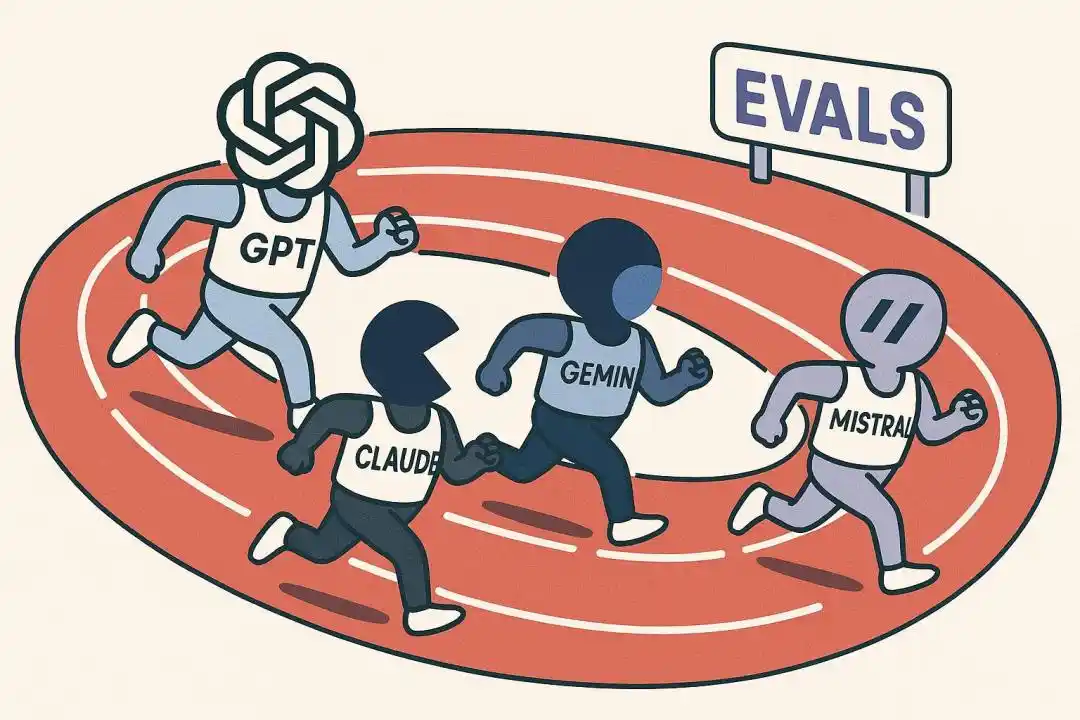
In other words, the strongest batch of models in all of Silicon Valley are waiting for a Berkeley student project to give them its stamp of approval.

How Did $100 Million in Revenue Materialize?

So the question arises—how did a free leaderboard become a $100 million cash cow?

Last September, Arena launched a commercial service called AI Evaluations:

Model vendors and large enterprises can pay to have Arena mobilize its community of tens of millions to conduct in-depth evaluations of their own models, obtaining 'real-world' performance analyses that mere benchmarking simply can't provide.

This is a set of 'CI/CD system for the real world'.

Once a model is ready for public release, Arena will evaluate it for the community for free;

But if a company wants to know where their model truly excels, where it's weak, and where it's hallucinating in the hands of real users, they have to pay.

This is a classic 'pickaxe seller' business—during a gold rush, those digging for gold might not make money, but those selling water and shovels profit steadily.

The more frantically large model vendors compete, the more desperately they try to squeeze out the last bit of performance, the bigger their appetite becomes for this kind of 'post-launch optimization' service.

And Arena happens to be positioned exactly where everyone must pass through.

Three Berkeley Grads

Building the Most Profitable Business

Arena's predecessor was called Chatbot Arena.

Before that, it belonged to the renowned LMSYS research group at Berkeley.

Two Berkeley roommates simply wanted to do something straightforward—build a neutral arena for large language models, letting everyone compete fairly.

No one expected this student project would sprint its way to becoming a unicorn.

The timeline is breathtakingly fast: In the spring of 2025, the project spun off from the university, formally incorporated, and within weeks secured a $100 million seed round at a $600 million valuation;

A few months after the commercial product launched, within just four months, annualized revenue surged to $30 million.

Immediately following, this January, a $150 million Series A round led by Felicis and UC Investments landed, with a post-money valuation fixed at $1.7 billion.
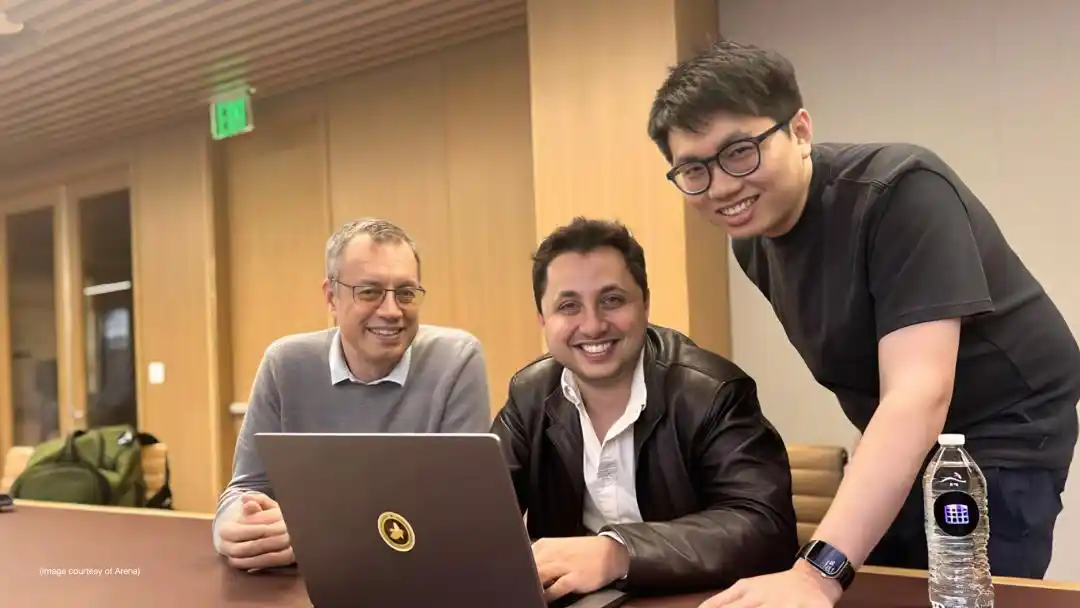
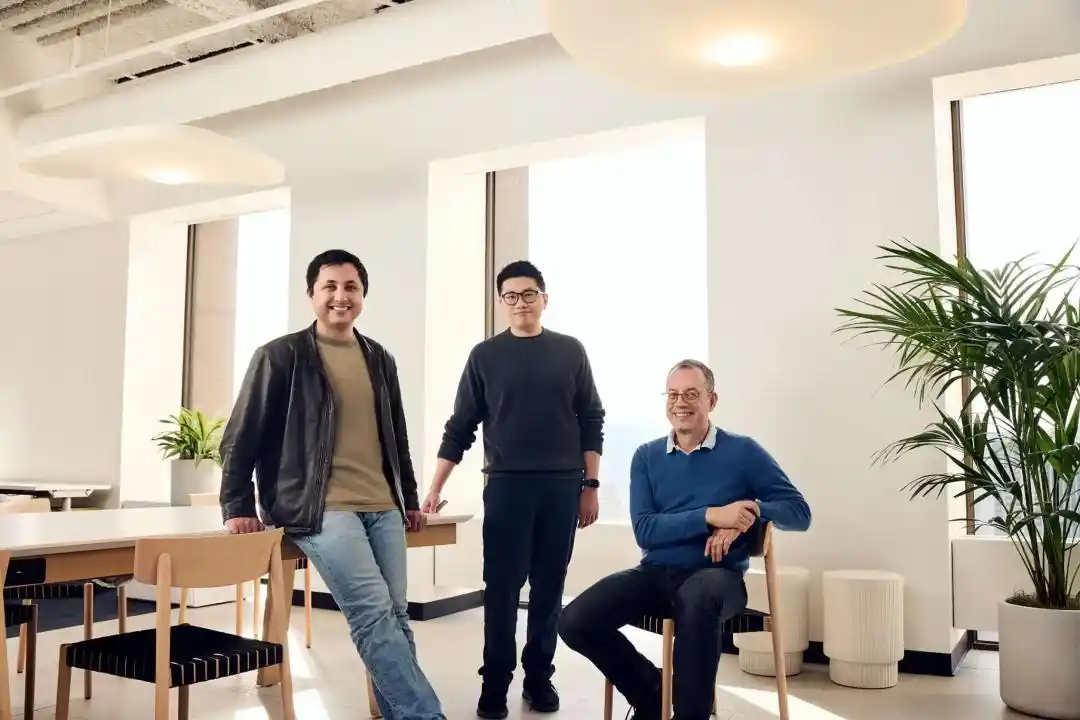
The three at the helm are no ordinary figures either.

CEO Anastasios Angelopoulos is a mathematician at heart.

While studying electrical engineering as an undergraduate at Stanford, he studied under the legendary figure in convex optimization, Stephen Boyd.

For his Ph.D. at Berkeley, his advisors were directly two godfather-level giants—machine learning master Michael I. Jordan and computer vision master Jitendra Malik.

His research focus in recent years has mainly been on how to make mathematically rigorous judgments about a black-box model.
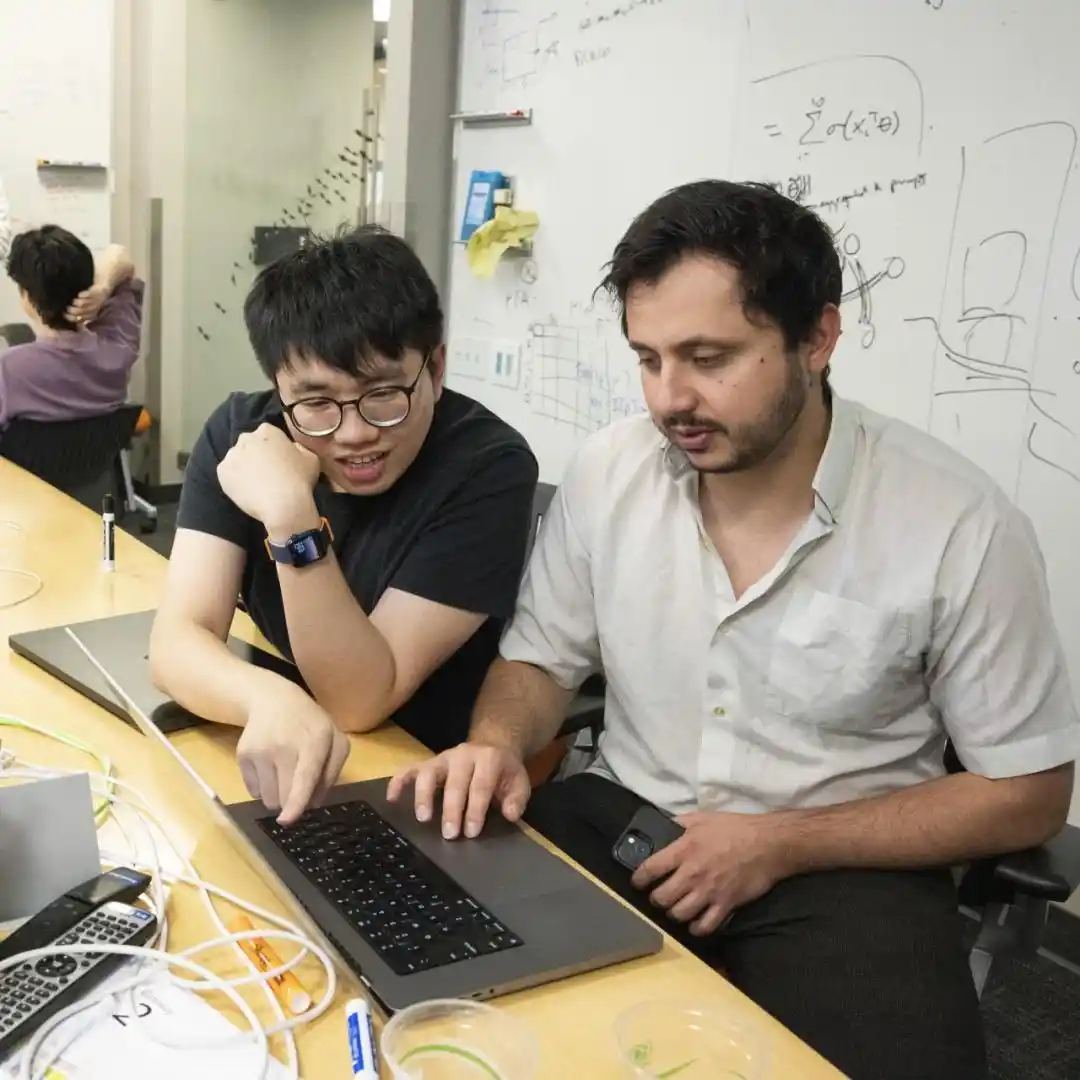
CTO Wei-Lin Chiang is a familiar face in the open-source community—the wildly popular open-source chatbot Vicuna was his creation.

He pursued his Ph.D. at Berkeley under Ion Stoica, specializing in distributed systems, and previously worked at Google, Amazon, and Microsoft.

The moment ChatGPT entered public beta in late 2022, he dropped all his previous research and plunged headfirst into Arena.
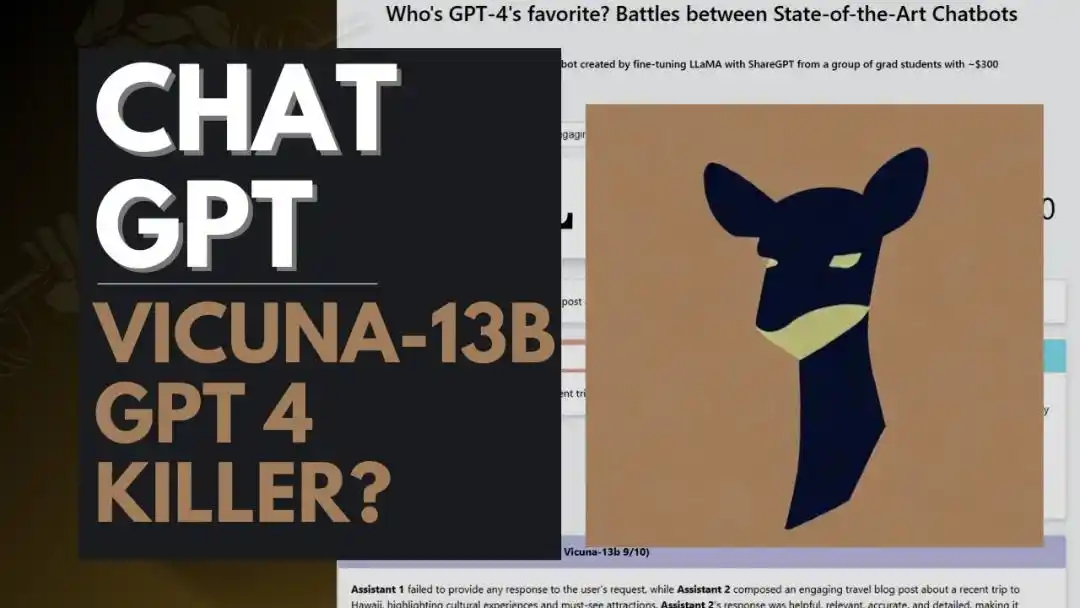
His obsession with this project was described by his partner Angelopoulos as 'a labor of love'.

For this project, their work hours were so long they simply moved in together. Two roommates built a $1.7 billion company.

The third co-founder is the famous Berkeley professor and Databricks co-founder Ion Stoica. He served as an advisor until the project incorporated in April 2025.

Being the Referee is More Important Than Being the Player

Arena's latest move is launching Agent Mode.

What it evaluates is no longer just 'who chats better', but the real work millions of users are doing with agents: writing code, debugging, conducting research, analyzing documents—those long tasks involving hundreds of tool calls and multi-turn interactions.

It has begun scoring with objective metrics like task completion rate and hallucination rate, far exceeding the initial scope of 'human preference voting'.

AI is evolving from 'chatbots' to 'agents' capable of independently handling work, with tasks growing longer and stakes higher.

Evaluation is the last probe humans have into the inner workings of AI.

The reason Arena's business can be worth $100 million, worth $1.7 billion, essentially bets on this fact becoming increasingly important and increasingly expensive.

But everyone ultimately has to answer the same question—when machines start setting their own exams, who remains qualified to grade them?

References:

https://techcrunch.com/2026/06/29/arena-the-ai-leaderboard-everyone-uses-is-now-a-100m-business/

https://x.com/ml_angelopoulos/status/2071629882057228680?s=20

This article is from the WeChat public account "新智元", author: ASI启示录, editor: 桃子

Trending Cryptos

Related Questions

QWhat is Arena and what is its business model?

AArena is a large-scale AI model benchmarking platform, originally an open-source research project from UC Berkeley called Chatbot Arena. Its business model is providing commercial AI evaluation services. Model vendors and enterprises pay Arena to leverage its community of users to conduct in-depth performance testing on their models, generating real-world usage analysis. This "AI Evaluations" service is its primary revenue source, with an annualized revenue reaching $100 million.

QHow did Arena achieve a $100 million annualized revenue?

AArena achieved this milestone by launching its commercial AI Evaluations service just 8 months prior. Its revenue comes from paid, in-depth performance evaluations for AI model companies and large enterprises. These clients pay to access Arena's massive user community (generating over 10 million visits monthly) to test their models in real-world scenarios, identifying strengths, weaknesses, and potential errors before public release.

QWho are the key founders of Arena and what are their backgrounds?

AThe key founders are CEO Anastasios Angelopoulos and CTO Wei-Lin Chiang. Angelopoulos, with a strong mathematical background, studied under prominent figures like Stephen Boyd at Stanford and later Michael I. Jordan and Jitendra Malik at UC Berkeley. Chiang, a PhD student at Berkeley under Ion Stoica, is known for creating the popular open-source chatbot Vicuna and has worked at Google, Amazon, and Microsoft. Professor Ion Stoica, co-founder of Databricks, was also a founding advisor.

QWhat makes Arena's AI model leaderboard so influential in the industry?

AIts influence stems from its unique, community-driven, blind-testing methodology. Users input a prompt, and the system anonymously deploys two models to respond. The user then votes for the better answer. This process generates millions of unbiased, real-world evaluations. The resulting Elo-style ranking is highly trusted, attracting leading AI companies like OpenAI, Google, Anthropic, and Meta to submit their flagship models for testing, including OpenAI testing GPT-5 under a codename before release.

QWhat recent evolution has Arena made beyond its original chatbot evaluation?

AArena has launched an "Agent Mode." This evolution moves beyond evaluating simple conversational ability (chatbots) to assessing AI agents on complex, long-horizon tasks. It now evaluates how well AI performs in real work like coding, debugging, research, and document analysis—tasks involving hundreds of tool calls and multi-step interactions. It uses objective metrics like task completion rates and hallucination rates, expanding its scope far beyond initial human preference voting.

Related Reads

Q-Day Countdown: Will Quantum Computing End Cryptocurrencies?

Quantum Computing's Threat to Cryptocurrency: A Countdown to Q-Day Quantum computing, specifically Shor's algorithm, poses a fundamental threat to the public-key cryptography (e.g., ECDSA, RSA) that secures blockchain networks like Bitcoin and Ethereum. This critical juncture, known as Q-Day, is estimated to occur potentially within the next 5-15 years. The core vulnerability stems from the public and immutable nature of blockchains. Assets in addresses where the public key is already exposed on-chain (e.g., spent outputs) are at direct risk, as a sufficiently powerful quantum computer could derive the private key. This threatens the very trust model of cryptocurrencies. The response lies in Post-Quantum Cryptography (PQC)—algorithms like lattice-based ML-DSA and hash-based SLH-DSA, which are resistant to quantum attacks. NIST has standardized key PQC algorithms (FIPS 203, 204, 205), providing a migration path. However, the primary challenge is not technical but socio-economic and involves complex governance: * **Bitcoin's** path is constrained by its conservative ethos. Migrating requires a soft-fork to new address types, facing hurdles like significantly larger signature sizes and, most critically, the divisive governance question of how to handle at-risk legacy UTXOs without violating core principles. * **Ethereum** is pursuing a "cryptographic agility" strategy, with a multi-layered roadmap. It leverages account abstraction for user accounts and is developing compressed hash-based signatures (e.g., leanXMSS) for its consensus layer, aiming for a full-stack upgrade over time. In conclusion, quantum computing does not spell an instant end for cryptocurrency but initiates a critical countdown. The industry has a limited "engineering comfort window" to orchestrate a coordinated, ecosystem-wide migration to PQC. The ultimate bottlenecks are the immense coordination efforts and governance decisions required for this foundational transition.

marsbit4m ago

Q-Day Countdown: Will Quantum Computing End Cryptocurrencies?

marsbit4m ago

Trump, the President Who Knows Best How to 'Trade Stocks'

Former US President Donald Trump reported a record-breaking $2.2 billion in personal income for 2025, the highest annual income ever disclosed by a sitting president. This figure, from a 927-page government ethics filing, represented a 3.5-fold increase from his $600 million income in 2024 and boosted his net worth to $6.5 billion. The primary drivers were cryptocurrency (64% of income, approximately $1.4 billion) and real estate (26%, approximately $575 million). His crypto earnings stemmed largely from the launch of his personal meme coin, $TRUMP, generating over $600 million in licensing fees, and substantial profits from the WLFI token and its parent company. Despite a sluggish property market, his Mar-a-Lago resort and associated golf clubs saw revenue surges of 50% and 27%, respectively, attributed to their use as venues for presidential events. Trump's financial disclosure also revealed an unprecedented level of stock market activity, with over 22,000 trades executed in 2025, averaging 87 trades per market day. Media analyses noted several instances where significant trading coincided with major policy announcements, such as proposed tariffs, raising questions about potential conflicts of interest. While the White House stated these trades were handled by a family-managed trust fund and not Trump directly, critics highlighted this as a departure from the blind trusts traditionally used by presidents post-Watergate. The report has intensified debate over the commercialization of the presidency. Supporters view it as a success story of a businessman-president, while critics argue it demonstrates an unprecedented conversion of public influence into private wealth, with policy decisions potentially linked to personal financial gains. The controversy centers on whether Trump's earnings represent innovative entrepreneurship or a fundamental conflict of interest, sparking renewed calls for stricter ethics reforms in US governance.

marsbit13m ago

Trump, the President Who Knows Best How to 'Trade Stocks'

marsbit13m ago

Countdown to Q-Day: Will Quantum Computing End Cryptocurrencies?

The article explores the existential threat quantum computing poses to cryptocurrencies and the urgent need for "post-quantum" migration. It outlines that quantum computers, through Shor's algorithm, could break the elliptic-curve cryptography (ECC) underlying blockchain security, potentially allowing private keys to be derived from public keys. The core challenge is not a lack of post-quantum cryptography (PQC) standards—like NIST's ML-KEM and ML-DSA—but the immense complexity of upgrading entire ecosystems before "Q-Day" (when quantum computers become capable of such attacks, estimated around 2035-2045). Key points include: * **Bitcoin's** risk is concentrated in legacy UTXOs with exposed public keys (e.g., early P2PK outputs). Migration faces massive hurdles: PQC signatures are much larger, increasing transaction size and cost, and the governance dilemma of handling un-migrated assets threatens its "code is law" ethos. * **Ethereum's** strategy focuses on "cryptographic agility," using Account Abstraction for user accounts and developing compressed hash-based signatures (like leanXMSS with SNARK aggregation) for consensus. Its migration is a complex, full-stack overhaul of execution, consensus, and data layers. * The "security debt" is enormous. The comfortable engineering window for a coordinated, ecosystem-wide upgrade is only 5-8 years. High-value infrastructure (exchanges, bridges) may face pressure before mainnet protocols. In conclusion, quantum computing is not an instant "doomsday" event but a forcing function for systemic change. Bitcoin's ultimate test is social consensus and property rights governance, while Ethereum's is technical complexity. Failure to migrate in time could lead to a fundamental re-pricing of crypto assets.

链捕手17m ago

Countdown to Q-Day: Will Quantum Computing End Cryptocurrencies?

链捕手17m ago

Losing $55 Million to Sell Bitcoin, MicroStrategy's Faith Reaches Its Interest Payment Day

On July 6th, Michael Saylor's MicroStrategy announced the sale of 3,588 BTC for approximately $216 million, incurring a realized loss of around $55.45 million compared to its average cost basis. This move, contradicting Saylor's long-standing "never sell" Bitcoin philosophy, was executed to pay dividends on its digital credit securities. The article traces this shift from a small "desensitization test" sale of 32 BTC in late May to the board's authorization on June 30th to sell up to $1.25 billion in Bitcoin for corporate purposes like dividends and buybacks. Analysis reveals that MicroStrategy's previous growth "flywheel"—using stock premiums to fund more Bitcoin purchases—has stalled. With its stock trading near a critical threshold (1.22x its Bitcoin NAV), issuing new shares would dilute value. Simultaneously, its financing channels (preferred stock, common stock ATM, convertible notes) are constrained while facing rigid annual dividend/interest obligations of roughly $1.76 billion. Consequently, selling Bitcoin became the calculated "optimal solution" under its own financial model. This transforms MicroStrategy from crypto's most prominent steady buyer into a predictable seller, creating a potential overhead of ~2,400 BTC in monthly selling pressure if obligations are fully covered by sales. This shift challenges the valuation models of the entire Digital Asset Treasury (DAT) sector that emulated MicroStrategy. The company's path forward now hinges on Bitcoin's price recovery, which would allow its preferred stock to trade at par and reopen its financing flywheel, creating a cyclical dependency between the firm's financial model and the asset it holds.

链捕手45m ago

Losing $55 Million to Sell Bitcoin, MicroStrategy's Faith Reaches Its Interest Payment Day

链捕手45m ago

Trading

Spot

Hot Articles

Discussions

Welcome to the HTX Community. Here, you can stay informed about the latest platform developments and gain access to professional market insights. Users' opinions on the price of AI (AI) are presented below.

活动图片