刚刚,OpenClaw和Cursor杀入手机!Agent从此塞进口袋

marsbitPublished on 2026-06-30Last updated on 2026-06-30

Abstract

AI Agent正式进入移动时代。OpenClaw和Cursor于同日发布原生移动应用,分别登陆iOS和安卓平台,标志着强大的AI智能体被“装入”手机。 OpenClaw将其定位为“个人AI的操作系统”,推出全功能原生App。用户通过手机即可远程连接并指挥其私有AI Agent,进行聊天、任务审批等操作。该应用深度整合手机硬件权限(如相机、定位、通讯录),并采用本地优先架构,强调用户数据自主控制。 Cursor则发布了iOS应用测试版,核心功能是让开发者能在手机上发起、监控和指挥云端AI Agent执行编程任务(如代码编写、问题排查、合并PR)。即使手机关机,云端Agent仍可继续异步运行,并通过通知提醒用户审批结果。 这两款应用共同解决了“人离开工位,任务即中断”的痛点,将AI Agent的运行与人的物理位置解绑。它们的出现象征着工作方式正在从“人操作AI”向“AI自主运行、人进行审批”演变,开启了随时随地调遣AI的“掌心时代”。

【新智元导读】AI彻底挣脱工位束缚!刚刚,OpenClaw和Cursor同日发布原生App,把满血Agent实打实塞进了iPhone。随时随地调遣AI军团的「掌心时代」,真的来了。

AI Agent,正式装入手机了!

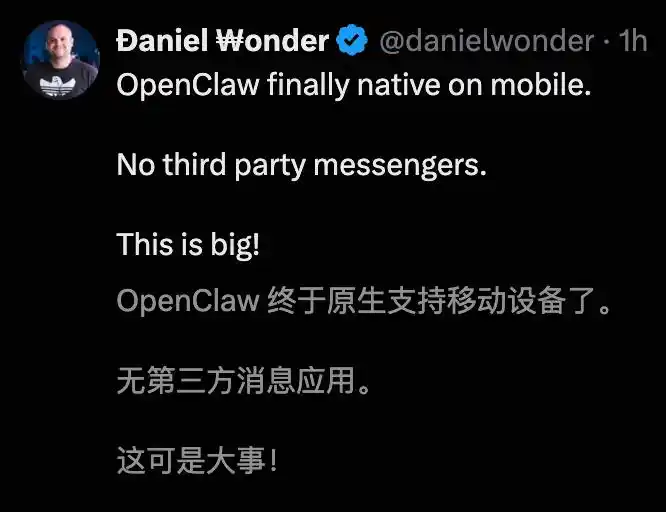
就在刚刚,OpenClaw重磅官宣:原生移动端应用,已登陆iOS和安卓两大平台。

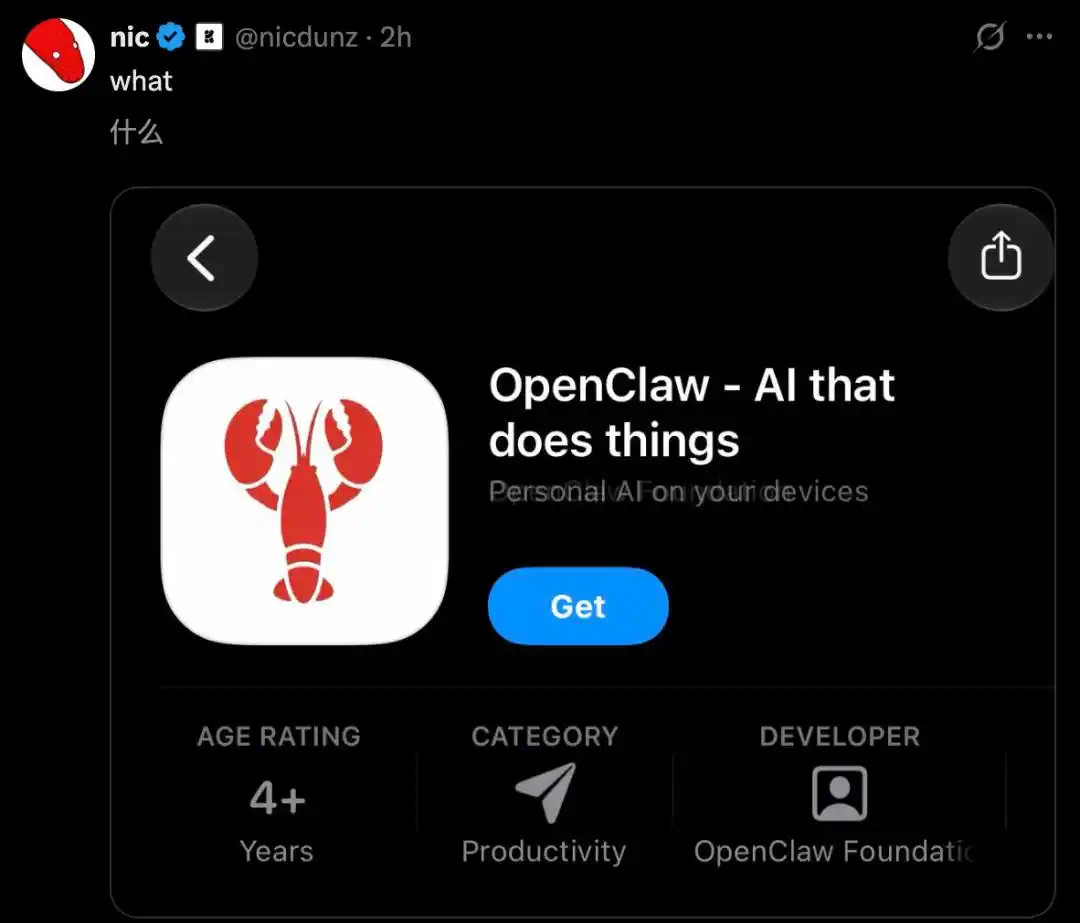
从现在起,App Store和Google Play,都能直接下载。
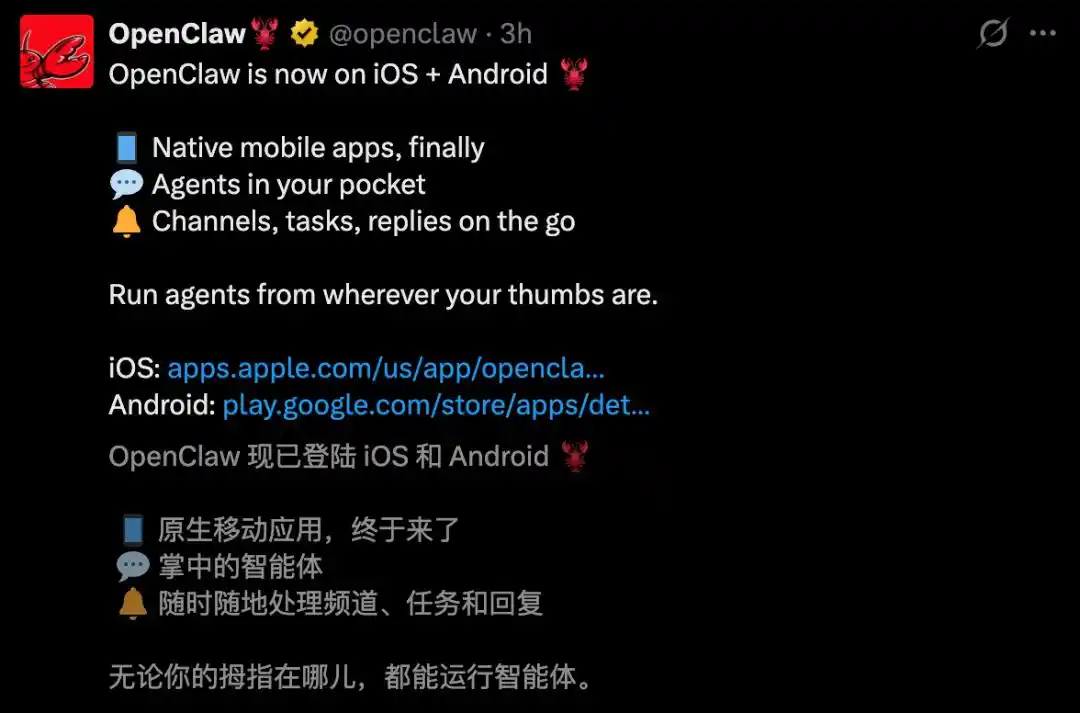
每个人掌心的全能「龙虾」来了,无论身在何处,Agent随时待命。

几乎同一时间,马斯克收购的知名AI编程工具Cursor,也甩出了原生iOS应用的公开测试版。

一个让你在手机上调遣AI军团,一个让你在手机上写代码、合PR。

曾经只能锁在网页、终端命令行里狂奔的AI Agent,这一次,被实打实地塞进了每个人的口袋。

OpenClaw原生APP登场

装进每个手机

先说这只现象级的「龙虾」——OpenClaw。

26年初一战成名,老黄在GTC上亲口盖章,「OpenClaw是个人AI的操作系统」。

定位极其硬核:完全跑在本地的 AI Agent。接管文件/浏览器、清理上万封邮件、自动提 PR,通通不在话下。

但过去想在外面用它,体验很别扭——得靠Telegram、WhatsApp这类工具远程「发号施令」。

但今天起,体验彻底颠覆!

OpenClaw上架的是全血原生App,丝滑体验直接拉满。
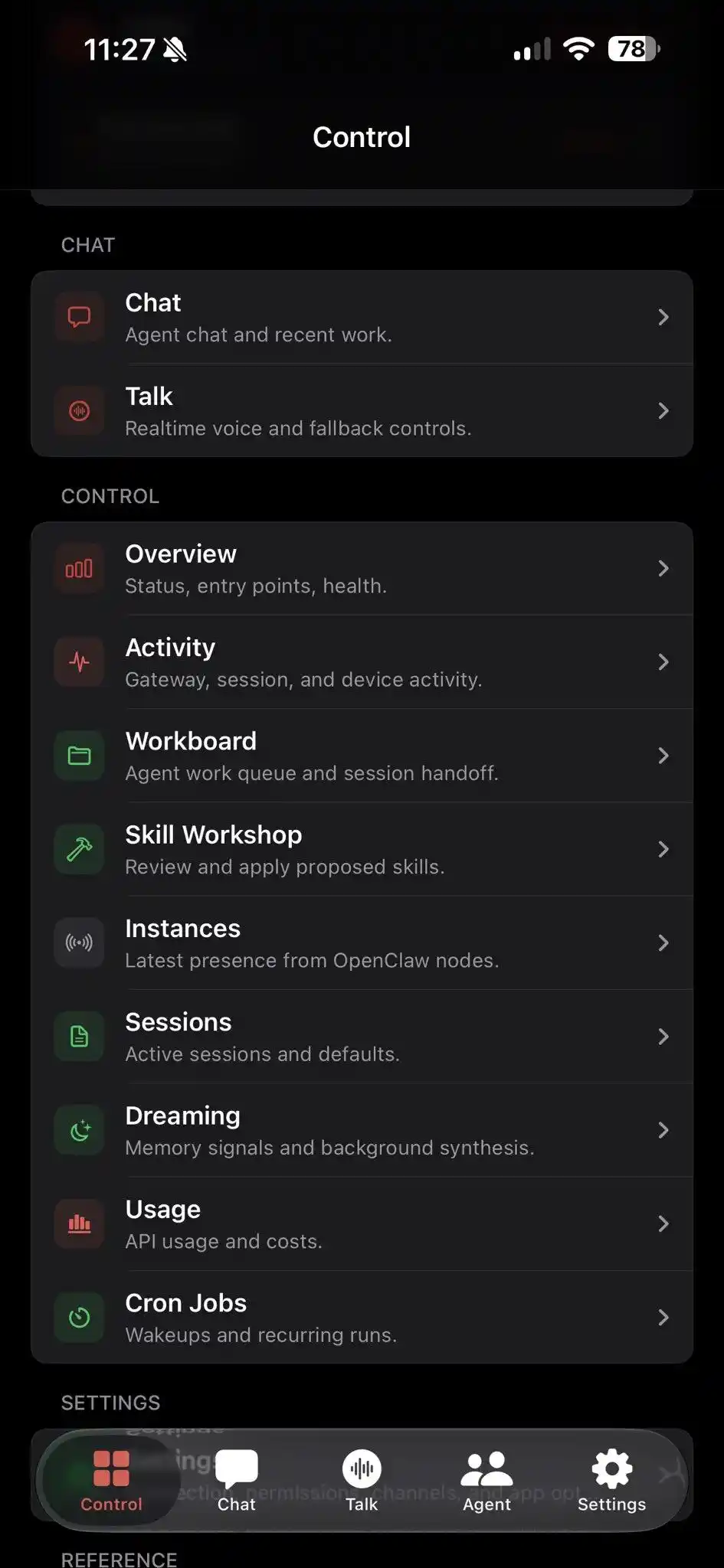
只需掏出手机,扫码或输入配对码直连你的私有 Gateway,就能立刻开启无缝交互:

不仅能直接聊天、运行实时与后台的 Talk 模式,更能远程把控、审批 Agent的每一步操作决策。

更硬核的是,它的设备底层能力已经全面解锁

相机、屏幕、GPS 定位、系统相册,再到通讯录、日历和提醒事项,硬件权限的开关完全交由你按需掌控。

看到一条消息要回、有个自动化任务要审批,在地铁上、在咖啡店排队的间隙,拇指轻点即可完成。

正如官方那句极具野心的 Slogan 所言,「让智能体在你的拇指所及之处,尽情奔跑」。
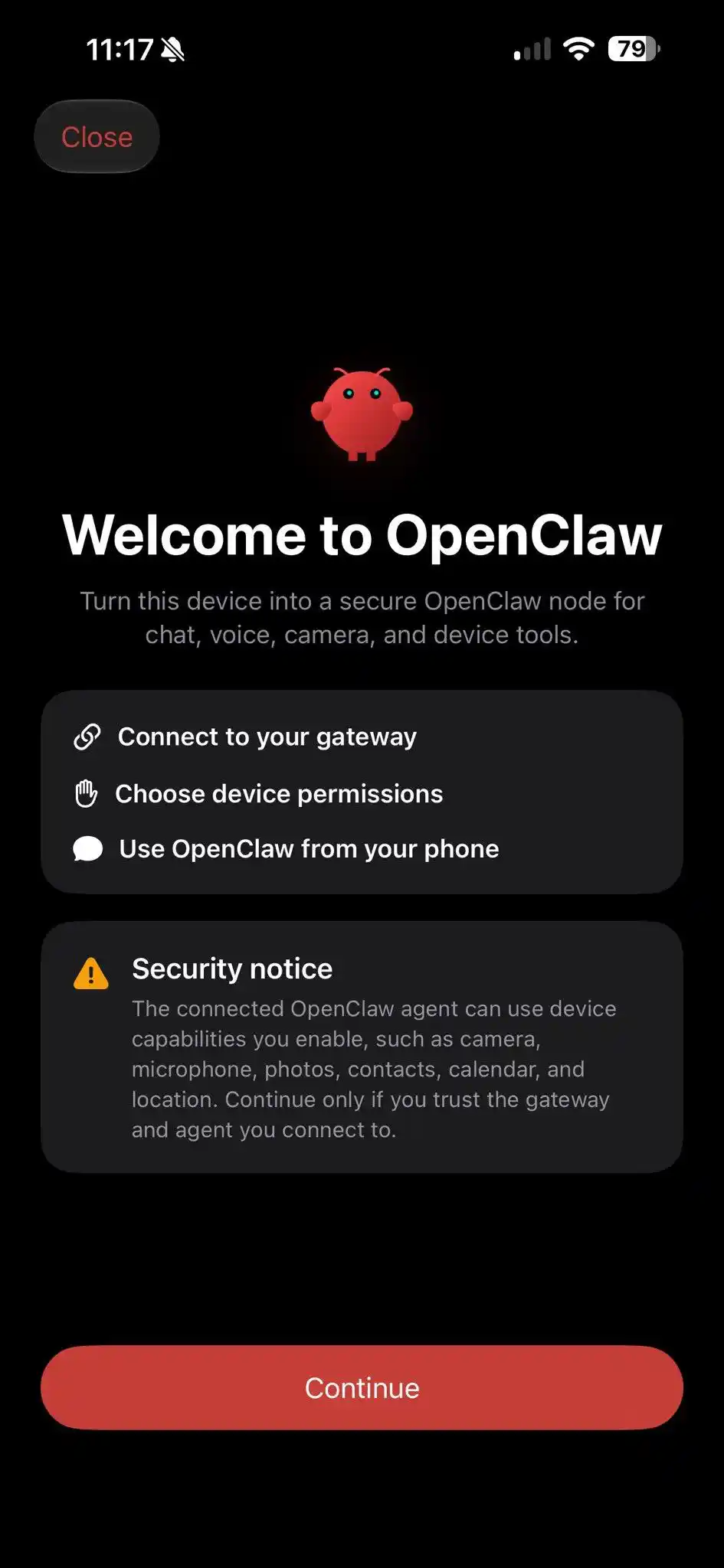
值得一提的是,OpenClaw这次主打local-first(本地优先)架构。

由OpenClaw Foundation开发,密钥、配置、权限全在你自己手里,强调无数据收集。
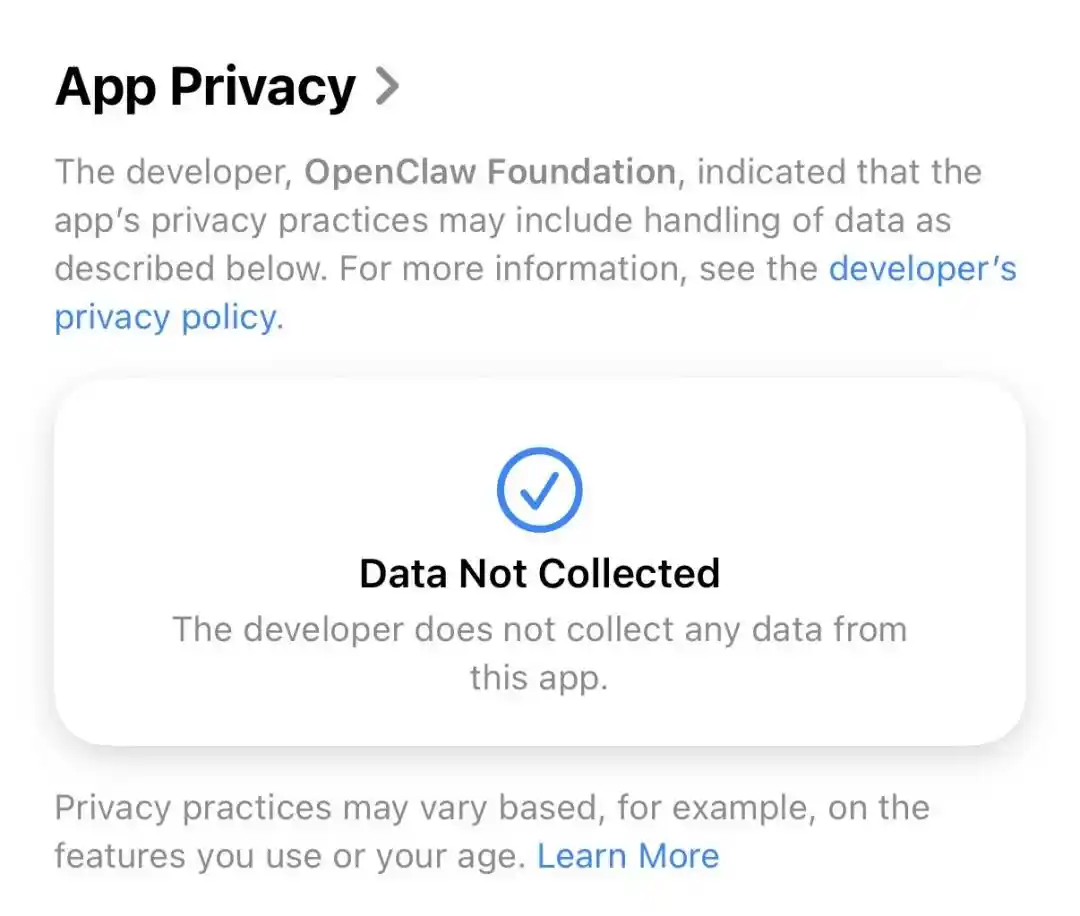
免费版每天20条由Gemini驱动的消息,20美元一个月则是无限量。

当然,风险也得说清楚:它容易被prompt injection攻击,而且在Gateway设备上要的系统权限非常大。

Cursor版iOS来了,手机狂飙代码

OpenClaw把「私人助理军团」装进口袋,Cursor干的,是把整台云电脑塞进了iPhone。

今天,Cursor正式发布原生iOS应用公开测试版,向所有付费用户开放,要求iOS 26.0及以上。
它的杀手锏只有一句话:

本地可以关机,云端Agent继续狂飙。

打开App,选一个代码仓库,挑一个前沿大模型,像在桌面端一样发起一个Agent。

甚至,可以直接用语音口述需求,配合/命令引导它干活,主要有两种玩法——

  • 云端Agent:跑在隔离的虚拟机里,配备完整开发环境,能异步运行更久,自己迭代,直到产出一个可合并的PR。
  • 远程控制:电脑上正在跑的Agent,可以从手机继续指挥。为了让电脑随时在线,App里还能开一个「保持电脑唤醒」的设置。

开发者要做的,只是在手机上等通知。

Cursor完美适配了iOS的「实时活动」和锁屏推送:

Agent干完了、需要你拍板了、或者结果可以审了,手机会第一时间叫醒你。

然后你就能在地铁上、在厨房里,直接审查diff、留下追加指令,甚至一键合并PR。

官方博客中,Cursor团队自己给出的真实用法,几乎句句戳中打工人的痛点。

午饭时被on-call呼叫,直接甩个Agent去排查、提修复方案,等你回到工位,PR已经躺在那等审;

客户报了个紧急bug,人不在电脑前,照样从手机起一个Agent去复现、定位、修复;

在X上刷到用户吐槽,截个图、标注一下,丢给Agent当视觉上下文,往往是改UI最快的起点。

这就是Cursor团队自己总结的一个新词:FOMAT(Fear of Missing Agent Time,错失Agent时间的恐惧)。

开发者过去被困在笔记本前,半开着盖子、灌着咖啡到处跑。现在,灵感来了随时开工。

AI随叫随到,人类工作方式重塑

今天发生的,远不止「多了两个App」。

OpenClaw和Cursor应用同一天登场,释放的信号已足够清晰:

Agent的运行场域,正在和「人类的物理坐标」彻底解绑。

过去,无论AI智能体跑得多快,都只能在网页或终端命令行里狂飙,本质上是被“钉”在办公桌上的。

而现在——

OpenClaw让你的手机,成了私有AI军团的一个移动节点;

Cursor让你的手机,成了随身指挥云端开发的遥控器。

它们解决的,是同一个痛点:人会离开工位,但任务不该停下。

从「人坐在电脑前操作AI」,到「人走开、AI自己跑、跑完叫你回来拍板」——这中间隔着的,是Agent自主性的一次实打实的进化。

云端Agent能独立运行24小时,自己测试、自己产出Demo、自己迭代到PR可合并。

人的角色,正在从「操作者」悄悄变成「审批者」。

这是一个微妙、但意味深长的位移。

正如Cursor所言:未来,云端跑Agent的体验,将和在本地电脑上跑变得「无法区分」。

当运行环境彻底虚拟化、当指挥入口彻底移动化,AI干活这件事,第一次真正做到了「无处不在」。

随时随地调遣AI军团的时代,已经按下了加速键。

口袋里的AI时代,是真的来了。

参考资料:

https://x.com/openclaw/status/2071688039114342592?s=20

https://cursor.com/blog/ios-mobile-app

https://www.macrumors.com/2026/06/29/openclaw-ios-app/

本文来自微信公众号“新智元”,编辑:桃子

Trending Cryptos

Related Questions

QOpenClaw和Cursor发布的原生移动应用分别适用于哪些平台?

AOpenClaw的原生移动应用已登陆iOS和安卓两大平台,可以在App Store和Google Play下载。Cursor发布了原生iOS应用的公开测试版,适用于iOS 26.0及以上系统。

Q文章中提到OpenClaw主打什么架构?其核心特点是什么?

AOpenClaw主打"本地优先"架构。其核心特点是由OpenClaw Foundation开发,密钥、配置、权限由用户自己掌控,强调无数据收集。它是一款完全运行在本地的AI Agent,能接管文件/浏览器、清理邮件、自动提PR等。

QCursor的iOS应用主要解决了开发者哪方面的痛点?

ACursor的iOS应用主要解决了开发者需要被束缚在电脑前才能利用AI Agent进行编程工作的痛点。它允许开发者在手机上远程指挥云端Agent异步运行、处理代码、提出合并请求等,实现了"本地可以关机,云端Agent继续狂飙",让开发者可以随时随地处理开发任务。

Q文章如何描述AI Agent与人类工作方式关系的变化?

A文章描述AI Agent与人类工作方式的关系正从"人坐在电脑前操作AI"转变为"人走开、AI自己跑、跑完叫你回来拍板"。这意味着人的角色正在从"操作者"转变为"审批者",AI的自主性得到进化,可以独立运行更长时间并完成复杂任务,人类的工作方式和时空限制被重塑。

Q根据文章,OpenClaw和Cursor应用的发布共同预示了什么趋势?

AOpenClaw和Cursor应用的发布共同预示了AI Agent的运行场域正在与"人类的物理坐标"彻底解绑的趋势。这意味着AI Agent不再被束缚在固定的办公桌上,而是可以通过移动设备随时随地调用和指挥,实现了AI工作的"无处不在",标志着"随时随地调遣AI军团"的掌心时代已经到来。

Related Reads

In the Age of AI, What's Left for Bitcoin?

Author: Sevclub, Seven Research Amid Bitcoin's recent drop below $60k, the author reflects on a growing sense that AI and Bitcoin are two sides of the same coin. Today, encountering any content triggers a new default question: "Was this made by AI?" The cost of generating convincing text, images, and video is now negligible. While the internet lowered information *distribution* costs, AI is crashing information *production* costs to near zero. The consequence is a flood of content where truth and falsehood are increasingly indistinguishable. In this environment, what becomes truly valuable is not more information, but the ability to verify what is real—"verifiability." This reframes the common criticism that Bitcoin "wastes electricity." AI consumes power to produce "capability" (e.g., more powerful models). Bitcoin consumes power to produce something else: "verifiability." Bitcoin's core purpose isn't about belief or trust in any institution, developer, or even its creator. It's about enabling independent verification. Every bitcoin's origin, every transaction, and the integrity of the entire ledger are secured by mathematics, cryptography, and a global network of nodes. AI can fabricate convincing media, but it cannot falsify a transaction on the Bitcoin network. The expended energy makes篡改历史 (tampering with history) prohibitively expensive, purchasing a globally verifiable ledger. The author draws a historical parallel to the Renaissance. The printing press drastically reduced the cost of copying knowledge, while double-entry bookkeeping reduced the cost of trust in commerce—one enabled creation, the other verification. Today, AI is the new printing press, driving content production costs toward zero. The question becomes: what is this era's "double-entry bookkeeping"? Blockchain appears to be the leading candidate. It doesn't verify which news is true or which image is real, but it provides a foundational layer for independently verifying asset ownership and historical records in the digital realm without centralized authorities. Therefore, AI and blockchain are not in competition. AI lowers the cost of *generation*. Blockchain (and Bitcoin as a prime example) lowers the cost of *verification*. One creates, the other proves. Whether Bitcoin ultimately succeeds remains uncertain, facing potential challenges from quantum computing, regulation, and technical evolution. However, the author now sees it less as a "machine for making bitcoin" and more as a "machine for making verifiability." In an age where AI can generate anything, true scarcity may no longer be "more content," but "more independently verifiable facts." Whether the market will price this accordingly is a separate question.

链捕手8m ago

In the Age of AI, What's Left for Bitcoin?

链捕手8m ago

You Use Claude and Codex Every Day, but Meta Has Restricted Internal Use

In May, Meta imposed internal restrictions on its engineers regarding the use of Claude Code and Codex, two widely used AI programming tools. Despite being a major client, Meta's guidelines, still in effect, prohibit these external models from being used for specific tasks to prevent potential "escalations with partners." The core concern is "distillation"—the risk that outputs from Claude or Codex could inadvertently contaminate the training data and evaluation processes for Meta's in-house AI coding assistant, MetaCode. If MetaCode is trained or evaluated using data generated by these external models, it risks learning their capabilities rather than developing its own, blurring the line of intellectual origin. The restrictions are precise: engineers cannot use the external models to generate test questions, debug source code, or suggest test cases. AI-generated content is also barred from environments accessible to MetaCode. However, AI can still assist with peripheral tasks like workflow setup and code organization, provided all outputs are manually reviewed. This caution reflects a broader industry dilemma. While distillation is a common technique, using a competitor's model output for training raises legal and ethical questions about the ownership of derived capabilities. Contractual terms from companies like OpenAI and Anthropic explicitly forbid using their outputs to build competing products, putting enforcement power in the hands of rivals. The move is also financially motivated, as Meta seeks to reduce its hefty internal AI spending, estimated in the billions this year. Meta's policy illustrates the delicate balance companies must strike: leveraging powerful external AI tools while safeguarding the integrity and independence of their own AI development. As AI systems increasingly help build other AIs, distinguishing the origin of capabilities becomes a fundamental challenge for the entire industry.

marsbit2h ago

You Use Claude and Codex Every Day, but Meta Has Restricted Internal Use

marsbit2h ago

Trading

Spot

Hot Articles

Discussions

Welcome to the HTX Community. Here, you can stay informed about the latest platform developments and gain access to professional market insights. Users' opinions on the price of AI (AI) are presented below.

活动图片