YouTube Chuyển Hướng Đến Crypto: Tùy Chọn Thanh Toán Bằng Stablecoin PYUSD Đã Chính Thức Ra Mắt Cho Người Sáng Tạo Tại Mỹ

bitcoinistPublished on 2025-12-12Last updated on 2025-12-12

Abstract

YouTube đã bổ sung phương thức thanh toán mới cho phép người sáng tạo tại Mỹ nhận thu nhập bằng stablecoin PYUSD của PayPal. Tùy chọn này hiện đã hoạt động thông qua hệ thống của PayPal chứ không phải do YouTube trực tiếp quản lý tiền mã hóa. Theo đó, YouTube tính toán thu nhập bằng USD rồi chuyển sang hệ thống PayPal, nơi thực hiện chuyển đổi sang PYUSD và phân phối cho người dùng. PYUSD là stablecoin được PayPal ra mắt năm 2023, hiện có vốn hóa gần 4 tỷ USD. Tính năng hiện chỉ khả dụng cho người sáng tạo ở Mỹ, áp dụng cho thu nhập từ quảng cáo và thành viên trả phí. Người dùng có thể giữ PYUSD trên blockchain, chi tiêu qua các công cụ của PayPal hoặc chuyển đổi thành tiền pháp định. Việc lựa chọn nhận thanh toán bằng stablecoin đi kèm các cân nhắc về quyền quản lý tài sản và thuế khác nhau.

YouTube đã âm thầm bổ sung một tùy chọn thanh toán mới cho phép những người sáng tạo tại Mỹ nhận thu nhập bằng token PYUSD được neo giá theo đô la của PayPal. Theo một số báo cáo, thay đổi này dường như đã có hiệu lực và được cung cấp thông qua hệ thống thanh toán của PayPal chứ không phải thông qua bất kỳ hình thức lưu ký crypto trực tiếp nào từ YouTube.

Cách Thức Hoạt Động Của Tùy Chọn

Trưởng bộ phận crypto của PayPal, May Zabaneh, đã xác nhận thiết lập này với Fortune và cho biết công ty sử dụng mạng lưới thanh toán hiện có của mình để chuyển PYUSD đến những người nhận đã chọn tham gia.

Điều đó có nghĩa là YouTube vẫn sẽ tính toán và gửi thu nhập của người sáng tạo bằng đô la vào hệ thống của PayPal, và PayPal sau đó chịu trách nhiệm chuyển đổi sang stablecoin và phân phối cho người sáng tạo. Động thái này xây dựng dựa trên nỗ lực rộng hơn của PayPal trong việc cung cấp các công cụ stablecoin cho doanh nghiệp và người dùng cá nhân.

PYUSD được PayPal giới thiệu vào năm 2023 và kể từ đó đã được tích hợp vào các dịch vụ như Venmo và các công cụ dành cho thương nhân của PayPal. Các báo cáo đã nêu rõ rằng bản thân YouTube không nắm giữ hoặc di chuyển crypto thay mặt cho người sáng tạo; PayPal xử lý phần token.

Phạm Vi Và Tính Khả Dụng

Hiện tại, tùy chọn này chỉ khả dụng đối với những người sáng tạo có trụ sở tại Mỹ. Một phát ngôn viên của Google đã xác nhận việc triển khai nhưng từ chối chia sẻ lịch trình mở rộng ra ngoài người dùng Mỹ.

Những người sáng tạo đủ điều kiện cho các chương trình kiếm tiền của YouTube có thể chọn tham gia phương thức thanh toán mới này cho thu nhập hàng tháng như doanh thu quảng cáo và thành viên trả phí.

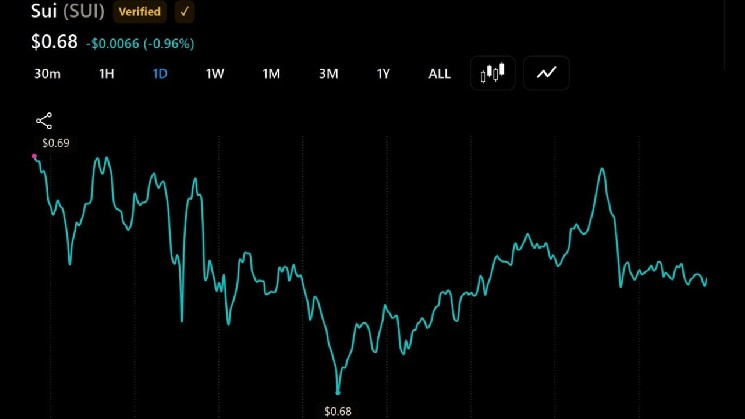
Tổng vốn hóa thị trường crypto hiện tại ở mức 3,1 nghìn tỷ đô la. Biểu đồ: TradingView

Một số người sáng tạo sẽ đánh giá cao sự lựa chọn bổ sung này. Việc nhận PYUSD có thể cho phép một người sáng tạo nắm giữ một token được neo giá đô la trên chain, chi tiêu nó ở những nơi chấp nhận công cụ của PayPal, hoặc chuyển đổi trở lại thành tiền pháp định thông qua PayPal.

Có những sự đánh đổi: việc nắm giữ một stablecoin mang lại các cân nhắc về lưu ký và thuế khác so với chuyển khoản ngân hàng thông thường. Hệ thống kê khai và quy định ngân hàng có thể khác nhau tùy thuộc vào cách người sáng tạo cuối cùng rút tiền mặt.

Điều Người Sáng Tạo Nên Mong Đợi

Bước đăng ký sẽ quen thuộc với bất kỳ ai đã sử dụng tính năng thanh toán qua PayPal trên YouTube; nó có thể sẽ xuất hiện như một phương thức thanh toán thay thế trong cài đặt của người sáng tạo.

Một khi được chọn, các khoản thanh toán sẽ chảy qua hệ thống thanh toán đã được thiết lập của PayPal và hiển thị dưới dạng PYUSD trong ví tương thích hoặc số dư PayPal của người nhận, theo các mô tả đang được lưu hành trên báo chí chuyên ngành.

PYUSD Trong Những Con Số

Sự hiện diện trên chain của PYUSD đã phát triển nhanh chóng. Các trình theo dõi thị trường liệt kê stablecoin này với giá trị lưu hành gần 4 tỷ đô la và nguồn cung token vào khoảng 3,8 tỷ token tại thời điểm hiện tại, những con số này nhấn mạnh mức độ mở rộng của token kể từ khi ra mắt.

Hình ảnh nổi bật từ Unsplash, biểu đồ từ TradingView

Related Questions

QYouTube đã bổ sung tùy chọn thanh toán mới nào cho người sáng tạo nội dung tại Mỹ?

AYouTube đã thêm tùy chọn cho phép người sáng tạo nội dung tại Mỹ nhận thu nhập bằng stablecoin PYUSD của PayPal, một loại tiền điện tử được neo giá theo đô la Mỹ.

QAi chịu trách nhiệm chuyển đổi và phân phối PYUSD cho người sáng tạo?

APayPal chịu trách nhiệm chuyển đổi thu nhập từ đô la Mỹ sang stablecoin PYUSD và phân phối cho người sáng tạo thông qua mạng lưới thanh toán hiện có của họ, chứ không phải YouTube.

QTùy chọn thanh toán bằng PYUSD hiện có sẵn cho đối tượng người sáng tạo nào?

AHiện tại, tùy chọn này chỉ khả dụng cho các người sáng tạo nội dung có trụ sở tại Hoa Kỳ và đủ điều kiện tham gia các chương trình kiếm tiền của YouTube.

QNgười sáng tạo có thể sử dụng PYUSD nhận được như thế nào?

AHọ có thể giữ stablecoin được neo giá theo đô la trên blockchain, chi tiêu ở những nơi chấp nhận công cụ của PayPal, hoặc chuyển đổi lại thành tiền pháp định thông qua PayPal.

QQuy mô lưu thông của PYUSD hiện tại là bao nhiêu?

ATheo các trình theo dõi thị trường, PYUSD có giá trị lưu thông gần 4 tỷ đô la với khoảng 3,8 tỷ token đang được cung cấp.

Related Reads

Wintermute Market Weekly: Iran War Ends, Inflation Meets Expectations, BTC Rebounds to Lower 60ks But Don’t Rush to Buy the Dip

**Wintermute Market Weekly: BTC Rebounds to $60K Lows, But Caution Advised** This week saw a broad market rebound, primarily driven by two converging factors: a US CPI inflation reading that met expectations (4.2% YoY) and former President Trump's announcement of a deal to end the Iran conflict. The latter triggered a sharp drop in oil prices, reducing geopolitical risk premiums and easing inflation fears. Consequently, risk assets like equities and cryptocurrencies rallied, with Bitcoin recovering from lows around $60,000 to close the week up 1.9%, while altcoins gained 3.1%. Despite the price bounce, the underlying liquidity picture for crypto remains weak. Key funding channels—stablecoin flows, ETF inflows, and Digital Asset Treasury (DAT) activity—show no signs of structural improvement. ETF outflows recently hit a record streak, and DAT assets have declined significantly. The rally from $60K to $83K earlier is now viewed as a bear-market rally that has failed. The current environment is characterized by low directional conviction and choppy, range-bound trading, likely persisting into summer. The report advises caution against aggressively buying the dip. While the $60K area offers attractive long-term risk/reward, a sustained bull run requires a visible turnaround in capital inflows, which hasn't materialized. The upcoming FOMC meeting and Powell's commentary, alongside the formal Iran deal signing, are noted as near-term catalysts. The core takeaway is to watch fund flows rather than price action and avoid being whipsawed by volatility before clear signs of institutional or retail capital returning emerge.

marsbit8m ago

Wintermute Market Weekly: Iran War Ends, Inflation Meets Expectations, BTC Rebounds to Lower 60ks But Don’t Rush to Buy the Dip

marsbit8m ago

Cursor, Why Boarded Musk's Starship?

SpaceX announced its acquisition of AI programming startup Cursor's parent company, Anysphere, for $60 billion in an all-stock deal, just days after its record-breaking IPO. The move sent SpaceX's stock soaring, briefly making it the most valuable U.S. company. Cursor, founded in 2022 by MIT graduate Michael Truell and his classmates, is a popular AI coding assistant that allows developers to switch between models from OpenAI, Anthropic, and others. It saw explosive revenue growth, reaching a $4 billion annualized run rate in early 2026. However, its market share was eroded by the launch of competitor Claude Code from its key AI supplier, Anthropic. This dependence prompted Cursor to develop its own AI model, Composer, in early 2026. To scale Composer, Cursor needed immense computing power. In April 2026, it struck a deal with SpaceX, granting the latter an option to acquire it post-IPO. SpaceX exercised this option, offering Cursor access to its Colossus supercomputer, powered by hundreds of thousands of top-tier Nvidia AI chips. For SpaceX, the acquisition is a strategic move to bolster its AI capabilities, particularly for its xAI division, and advance its broader ambition of building orbital, solar-powered data centers. While the deal surprised some employees and investors given Truell's earlier stance on independence, it represents a high-stakes partnership. SpaceX CEO Elon Musk has projected the company could reach $1 trillion in revenue by 2030. For Truell, joining forces with SpaceX is a monumental gamble on an unprecedented scale in the race for AI dominance.

链捕手10m ago

Cursor, Why Boarded Musk's Starship?

链捕手10m ago

The More It Rises, the More Dangerous? The Systemic Risks Behind SpaceX's Soaring Valuation

Summary: The article raises concerns about the systemic risks posed by SpaceX's skyrocketing valuation, arguing that modern market mechanics, rather than fundamentals, are driving its price discovery. Following SpaceX's market capitalization surpassing $3 trillion in after-hours trading, the author contends that the market is no longer functioning properly. The core issue is not SpaceX's business prospects but the unhealthy market structure surrounding it. With limited float and the imminent launch of options trading, the stage is set for a potential "gamma squeeze"—a feedback loop where market makers hedging call options are forced to buy shares, pushing the price higher and attracting more speculative momentum traders. This mechanism, seen previously with Tesla and meme stocks, can decouple valuation from financial reality. The danger escalates as extreme valuations force passive funds, ETFs, pensions, and major indices to hold the stock. If SpaceX grows large enough—hypothetically reaching $5 or even $10 trillion—its performance would increasingly dictate broader market indices, embedding systemic risk. The author warns that when price appreciation itself becomes the primary bullish thesis, the market transforms from a capital allocation mechanism into a self-reinforcing speculative machine, endangering the retirement savings of ordinary investors tied to passive strategies. The piece questions whether such a system can still perform its fundamental role of price discovery.

marsbit15m ago

The More It Rises, the More Dangerous? The Systemic Risks Behind SpaceX's Soaring Valuation

marsbit15m ago

OpenAI's Hyperliquid Pre-IPO Pricing Venture: Why Did It Last Only Half a Year?

The article discusses the rise and fall of Pre-IPO pricing markets on the Hyperliquid blockchain. Trade.xyz, an anonymous team, successfully built the largest pre-market for SpaceX (SPCX) by launching a contract with a clear anchor: the eventual Nasdaq listing price. This provided inherent price stability and validation. In contrast, Ventuals, a team backed by Paradigm, failed despite holding exclusive contracts for highly sought-after companies like OpenAI and Anthropic. Its key mistake was its pricing mechanism. For companies with no near-term IPO date, Ventuals' oracle relied partly on opaque private market transactions and, critically, partly on its own contract's moving average price. This created a self-referential feedback loop where prices were artificially propped up and detached from genuine supply and demand, leading to illiquid markets. Ventuals shut down after nine months, settling positions at final prices of $1,341.80 for OpenAI and $1,618.90 for Anthropic. Ironically, some employees and late-stage investors of these very companies reportedly used these flawed Ventuals prices for valuation reference, highlighting the acute demand for any price signal in illiquid private markets. The article concludes that while demand for pre-IPO trading is real and growing, with players like Coinbase now entering the space, the fundamental challenge remains: without a public listing to provide a definitive price anchor, these markets struggle to establish truly accurate and liquid pricing. The need for a transparent, self-correcting market is the critical lesson from Ventuals' failure.

marsbit41m ago

OpenAI's Hyperliquid Pre-IPO Pricing Venture: Why Did It Last Only Half a Year?

marsbit41m ago

Trading

Spot
Futures

Hot Articles

How to Buy US

Welcome to HTX.com! We've made purchasing Talus Network (US) simple and convenient. Follow our step-by-step guide to embark on your crypto journey.Step 1: Create Your HTX AccountUse your email or phone number to sign up for a free account on HTX. Experience a hassle-free registration journey and unlock all features.Get My AccountStep 2: Go to Buy Crypto and Choose Your Payment MethodCredit/Debit Card: Use your Visa or Mastercard to buy Talus Network (US) instantly.Balance: Use funds from your HTX account balance to trade seamlessly.Third Parties: We've added popular payment methods such as Google Pay and Apple Pay to enhance convenience.P2P: Trade directly with other users on HTX.Over-the-Counter (OTC): We offer tailor-made services and competitive exchange rates for traders.Step 3: Store Your Talus Network (US)After purchasing your Talus Network (US), store it in your HTX account. Alternatively, you can send it elsewhere via blockchain transfer or use it to trade other cryptocurrencies.Step 4: Trade Talus Network (US)Easily trade Talus Network (US) on HTX's spot market. Simply access your account, select your trading pair, execute your trades, and monitor in real-time. We offer a user-friendly experience for both beginners and seasoned traders.

4.9k Total ViewsPublished 2025.12.11Updated 2026.06.02

How to Buy US

Discussions

Welcome to the HTX Community. Here, you can stay informed about the latest platform developments and gain access to professional market insights. Users' opinions on the price of US (US) are presented below.

活动图片