STABLE, le « fils chéri » de Tether, déraille ? Une chute de 60 % le premier jour, des baleines qui trichent et l'absence des CEX déclenchent une panique de confiance

marsbitPublished on 2025-12-09Last updated on 2025-12-09

Abstract

Le projet Stable, présenté comme le « fils prodige de Tether », a lancé son réseau principal et son jeton STABLE le 8 décembre, mais a connu un départ difficile. Malgré des dépôts anticipés dépassant 13 milliards de dollars et un fort intérêt initial, le jeton a chuté de 60 % dès le premier jour, atteignant un minimum de 0,015 dollar. L’absence de listage sur les grandes plateformes d’échange (CEX) comme Binance a limité sa liquidité et accru les craintes des investisseurs. Des soupçons de trading privilégié ont émergé après qu’un portefeuille « baleine » a déposé des millions de USDT avant l’heure officielle, sans réponse claire de l’équipe. Stable se distingue en utilisant l’USDT comme frais de transaction natifs, visant une expérience sans friction, et repose sur un mécanisme de consensus StableBFT pour des transactions rapides et irréversibles. Cependant, son modèle économique présente des risques : 50 % des 1000 milliards de jetons sont alloués à l’équipe et aux investisseurs, avec un an de cloaking puis un déblocage progressif. De plus, STABLE sert uniquement à la gouvernance et au staking, sans utilité pour les frais réseau, ce qui limite son attractivité à court terme. Stable affronte une concurrence intense dans les chaînes de paiement stablecoin, face à des acteurs établis comme Polygon, Tron, ou Solana, ainsi que de nouveaux projets spécialisés comme Arc (porté par Circle) ou Tempo (soutenu par Stripe). Son succès dépendra de sa capacité à exécuter rapidement so...

Une autre pièce stable arborant le titre de « fils chéri de Tether » a officiellement lancé, mais le marché ne semble pas l'accepter.

Le soir du 8 décembre, le réseau principal de la blockchain dédiée aux stablecoins, Stable, et son jeton STABLE ont été officiellement lancés. En tant que Layer 1 incubé en profondeur par l'équipe centrale de Bitfinex et Tether, le récit du « fils chéri de Tether » a attiré une large attention du marché dès la naissance de Stable.

Cependant, dans un contexte de resserrement de la liquidité du marché, Stable n'a pas réussi à faire un début aussi brillant que son concurrent Plasma, affichant non seulement des prix bas mais aussi plongé dans une crise de confiance liée à du délit d'initié. Le scénario de Stable est-il de vouloir s'améliorer après un mauvais départ ou de continuer à baisser ?

STABLE chute de 60% par rapport au plus haut après son lancement, plongé dans une crise de confiance de délit d'initié

Avant le lancement de Stable, l'humeur du marché était assez optimiste. Les deux tours de pré-dépôts du projet ont totalisé plus de 1,3 milliard de dollars, avec environ 25 000 adresses participantes, chaque adresse ayant déposé en moyenne environ 52 000 dollars, montrant un fort intérêt des utilisateurs. Cela semblait précieux dans une phase de moral bas du marché, indiquant également une forte reconnaissance des capitaux pour le parrainage du « système Tether », et l'espoir que le début de STABLE rejouerait le scénario de richesse de Plasma à l'époque.

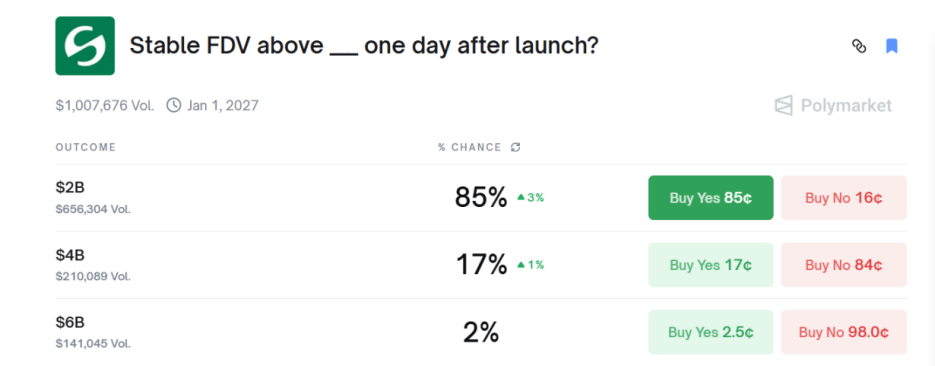
Les données du marché de prédiction Polymarket montrent que le marché avait un moment estimé que la FDV (valorisation entièrement diluée) du jeton STABLE avait 85% de chances de dépasser les 2 milliards de dollars.
Cependant, la loi du « trop de chaleur tue » s'est encore une fois vérifiée.

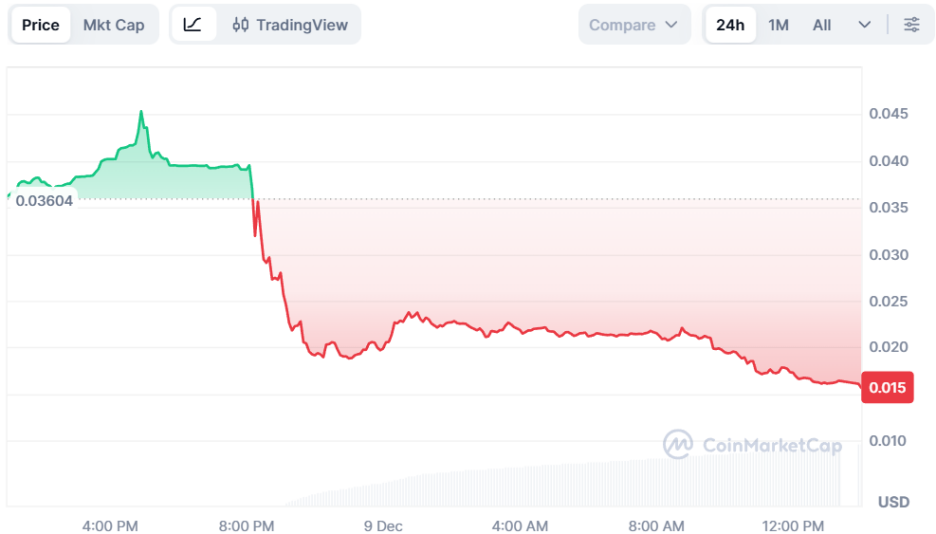
La performance du jeton STABLE le jour de son TGE (Token Generation Event) n'a pas été à la hauteur. Le jeton STABLE a ouvert à environ 0,036 dollar, a atteint un plus haut proche de 0,046 dollar après le lancement, puis a continuellement chuté de plus de 60%, touchant un plus bas à 0,015 dollar. Au 9 décembre à 21h, la FDV du jeton STABLE s'était réduite à 1,7 milliard de dollars, et dans un état de liquidité faible, personne sur le marché ne voulait acheter.
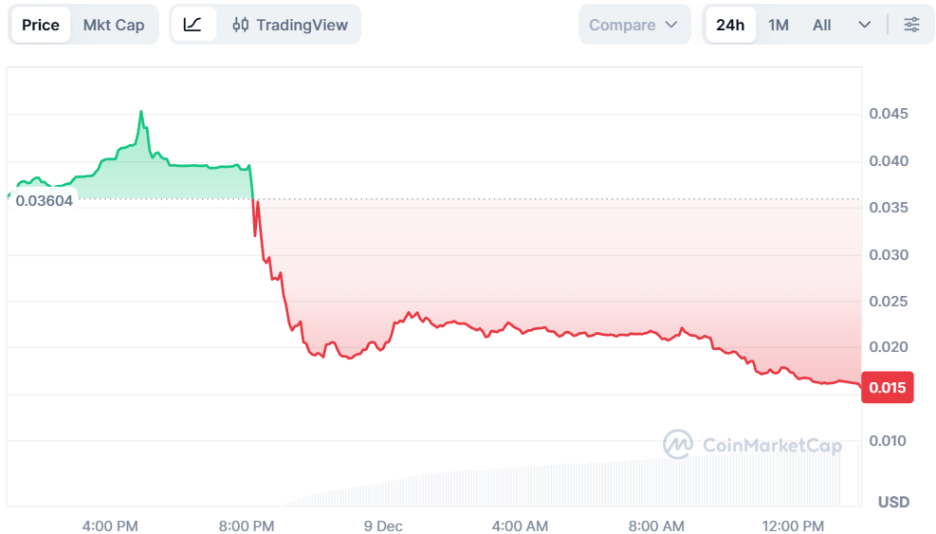
Il est à noter que les marchés au comptant de CEX (bourses centralisées) de tête comme Binance, Coinbase et Upbit n'ont toujours pas listé le jeton STABLE. Leur absence limite la portée du jeton STABLE vers une population de détaillants plus large, conduisant davantage à une liquidité restreinte pour le jeton STABLE.

La performance en chute libre du jeton STABLE a également déclenché des discussions animées dans la communauté.

Le chercheur DeFi @cmdefi a déclaré : Les attentes pour Stable étaient relativement faibles, diverses opérations amateur sont apparues lors du lancement initial du projet, son sérieux est questionnable.

Le KOL crypto @cryptocishanjia a souligné : La foule est plus disposée à payer pour une nouvelle narration. Lorsque le marché a déjà son leader (Plasma), le consensus de la foule pour le second (Stable) sera grandement renforcé, conduisant à une réduction de la marge bénéficiaire.

L'ancien employé de VC @Michael_Liu93 a déclaré franchement : La pré-évaluation de 3 milliards de Stable combinée à une FDV surévaluée en fait une cible adaptée pour une vente à découvert à long terme, une détention serrée (pas d'airdrop, pas de prévente, pas de tour KOL) n'équivaut pas à une pompe, mais précisément parce qu'il n'est pas listé sur les CEX de tête, il pourrait connaître un renversement.

De plus, de nombreux utilisateurs ont également mentionné la controverse des pré-dépôts avant le lancement du réseau principal de Stable. Lors de la première ronde d'activité de pré-dépôt, un portefeuille baleine avait déposé des centaines de millions d'USDT avant l'heure officielle d'ouverture des dépôts, soulevant de vives questions de la communauté sur l'équité du projet et les délits d'initiés. L'équipe du projet n'a pas répondu et a simplement ouvert un second tour de pré-dépôt.

Cet événement constitue un paradoxe dans le récit de Stable, dont la proposition de valeur est de fournir une infrastructure transparente, fiable et conforme. Alors que le projet, dès sa phase de démarrage, présente des cas suspects de délit d'initié, ce déficit de confiance entravera la participation active de la communauté et aura un impact négatif sur son récit à long terme.

L'USDT comme frais de Gas pour optimiser l'expérience de paiement, le modèle économique du jeton cache des inquiétudes

L'architecture de Stable est conçue pour une efficacité transactionnelle et une convivialité maximales.

Stable est le premier L1 à utiliser l'USDT comme frais de Gas natifs, offrant une expérience utilisateur similaire à l'absence de Gas. L'importance de cette conception réside dans la réduction maximale des frictions pour l'utilisateur. Les utilisateurs peuvent payer les frais avec le moyen d'échange lui-même (l'USDT), sans avoir à gérer et détenir un jeton de gouvernance très volatile. Cette caractéristique permettra des règlements en moins d'une seconde et des frais minimaux, particulièrement adaptés aux transactions quotidiennes et aux scénarios de paiement institutionnel exigeant une stabilité des prix et une prévisibilité strictes.

Stable utilise le mécanisme de consensus StableBFT, un modèle DPoS (Preuve d'enjeu déléguée) personnalisé basé sur CometBFT (anciennement Tendermint), et entièrement compatible avec l'EVM (Machine Virtuelle Ethereum). StableBFT garantit la finalité des transactions grâce à un mécanisme de tolérance aux pannes byzantines, ce qui signifie qu'une transaction est irréversible une fois confirmée, crucial pour les scénarios de paiement et de règlement. De plus, StableBFT permet aux nœuds de traiter les propositions en parallèle, assurant que le réseau puisse allier des performances à haut débit et faible latence, répondant ainsi aux exigences strictes des réseaux de paiement.

Stable a reçu un fort pari capitalistique dès son lancement. Le projet a levé 28 millions de dollars en financement de seed round, mené par Bitfinex et Hack VC. Le CEO de Tether/Bitfinex, Paolo Ardoino, occupe le poste de conseiller, ce qui a également conduit le marché à associer Stable à une relation de synergie stratégique étroite avec le leader de l'émission de stablecoins, Tether.

Le CEO de Stable, Brian Mehler, a précédemment occupé le poste de vice-président des investissements chez Block.one, la société de développement d'EOS, gérant un fonds crypto d'un milliard de dollars et investissant dans des géants comme Galaxy Digital et Securitize.

Le CTO est Sam Kazemian, fondateur du projet de stablecoin algorithmique hybride Frax, qui travaille depuis des années dans le domaine DeFi et a conseillé sur la loi américaine sur les stablecoins.

Cependant, le premier CEO de Stable était Joshua Harding, ancien responsable des investissements chez Block.one, et le projet a changé de direction à la dernière minute sans aucun communiqué ou explication, jetant à nouveau une ombre sur la transparence de Stable.

Le modèle économique du jeton de Stable adopte une stratégie de séparation de la valeur utilitaire du réseau et de la valeur de gouvernance. Le seul rôle du jeton STABLE est la gouvernance et le staking. Il n'est pas utilisé pour payer les frais sur le réseau, toutes les transactions sont réglées en USDT.

Les détenteurs de jetons peuvent staker STABLE, devenir validateurs et maintenir la sécurité du réseau. Simultanément, ils peuvent participer aux décisions clés telles que les mises à niveau du réseau, l'ajustement des frais ou l'introduction de nouveaux stablecoins via le vote communautaire. Ne pouvant pas partager les revenus du réseau, cela affaiblit également l'imagination du jeton, et avant que l'écosystème ne soit formé, son jeton manque encore de valorisation.

Il est à noter que 50 % de l'offre totale de jetons (1 000 milliards) seront alloués à l'équipe, aux investisseurs et aux conseillers. Bien que ces jetons aient une période de blocage (Cliff) d'un an, avant de commencer à être libérés linéairement, la répartition proportionnelle évidente exercera un impact potentiel à long terme sur le prix du jeton.
Une concurrence acharnée dans la course des blockchains de stablecoins, l'exécution sera le facteur décisif

Stable fait face à une concurrence de marché extrêmement féroce. Dans le paysage multi-chaînes actuel, Polygon et Tron possèdent une large base d'utilisateurs de détail pour les transferts d'argent à faible coût en Asie du Sud-Est, en Amérique du Sud, au Moyen-Orient et en Afrique, et Solana occupe également une place dans le domaine des paiements grâce à ses performances à haut débit.

Plus important encore, Stable fait également face à des concurrents L1 verticaux émergents qui se consacrent également aux paiements en stablecoins. Par exemple, Arc, développé par Circle, se concentre pour devenir une infrastructure de trésorerie institutionnelle on-chain, de règlement mondial et d'actifs tokenisés. De plus, Tempo, soutenu par Stripe et Paradigm, est également positionné comme une blockchain de paiement, un concurrent sérieux visant le même domaine vertical.

Dans le domaine des paiements et des règlements, l'effet de réseau sera le facteur clé de victoire. Le succès de Stable dépendra de sa capacité à tirer rapidement parti de l'écosystème USDT, à attirer des développeurs et des utilisateurs institutionnels, et à établir rapidement un avantage de premier arrivant dans le domaine des règlements à grande échelle. Si la force d'exécution et le taux de pénétration du marché sont insuffisants, il pourrait être devancé par des L1 similaires ayant une capacité d'intégration plus forte ou un contexte de conformité plus profond.
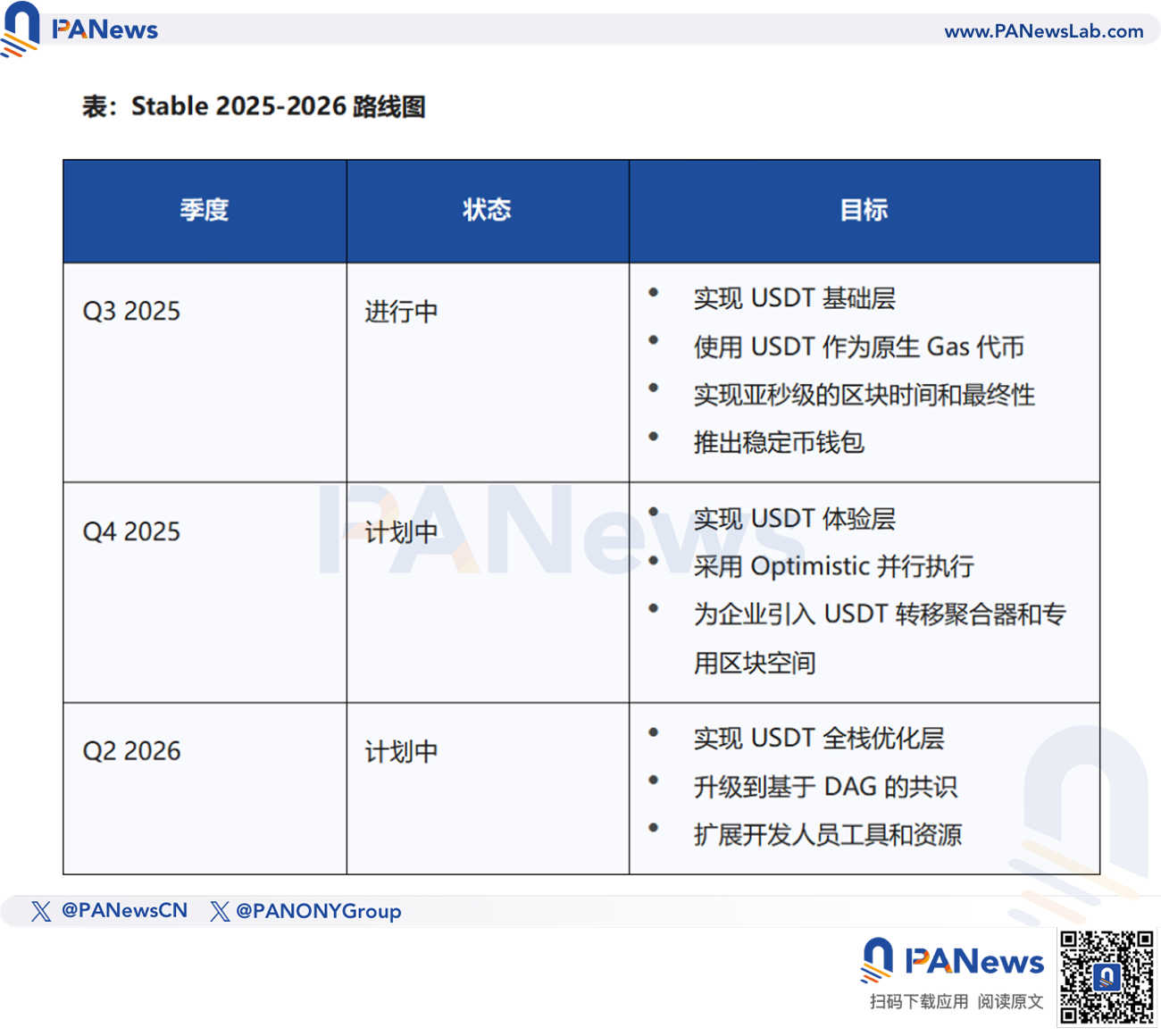
Selon sa feuille de route, les principaux jalons sont l'intégration entreprise et la construction de l'écosystème de développeurs pour Q4 2025 - Q2 2026. La réalisation de ces objectifs sera cruciale pour valider la proposition de valeur de Stable et la faisabilité des L1 verticalisées. Mais du lancement du réseau principal au déploiement pilote, il ne reste qu'environ six mois, Stable doit rapidement surmonter de multiples défis : optimisation technique, intégration institutionnelle et culture de l'écosystème. Toute erreur d'exécution pourrait entraîner une nouvelle baisse de la confiance dans son potentiel à long terme.

Le lancement du réseau principal de Stable marque l'entrée de la course des stablecoins dans une nouvelle phase d'infrastructuration, et sa capacité à réaliser son objectif de remodelage des réseaux de paiement dépendra finalement de l'exécution et non du récit.


Trending Cryptos

Related Questions

QQuel a été le principal problème rencontré par STABLE lors de son lancement ?

ASTABLE a subi une chute de prix de plus de 60% dès son premier jour, passant d'un prix d'ouverture d'environ 0,036 $ à un plus bas de 0,015 $, et a été confronté à une crise de confiance liée à des soupçons de délit d'initié ("rat trading") lorsqu'une baleine a effectué un dépôt de plusieurs millions d'USDT avant l'heure officielle d'ouverture.

QPourquoi l'absence de STABLE sur les grandes plateformes d'échange centralisées (CEX) est-elle significative ?

AL'absence de STABLE sur les grands CEX comme Binance, Coinbase et Upbit a limité son accès à un large public de petits investisseurs, ce qui a considérablement restreint sa liquidité et a contribué à la chute de son prix, car peu d'acheteurs étaient disposés à intervenir sur le marché.

QQuelle est l'innovation technique principale de la blockchain Stable ?

ALa principale innovation technique de Stable est d'être la première blockchain de layer 1 à utiliser l'USDT comme frais de gaz natifs, offrant ainsi une expérience utilisateur similaire à une absence de frais de transaction et minimisant la friction pour les paiements quotidiens et institutionnels.

QQuels sont les principaux défis et concurrents de Stable sur le marché des stablecoins ?

AStable fait face à une concurrence féroce de la part de blockchains établies comme Polygon, Tron et Solana dans le domaine des paiements, ainsi que de nouveaux L1 spécialisés comme Arc (développé par Circle) et Tempo (soutenu par Stripe et Paradigm). Son principal défi est d'établir rapidement un effet de réseau et d'attirer des développeurs et des utilisateurs institutionnels.

QQuels problèmes de transparence et de gouvernance ont été soulevés concernant le projet Stable ?

ADes problèmes de transparence ont été soulevés, notamment le changement silencieux de PDG (remplacement de Joshua Harding par Brian Mehler sans annonce officielle) et l'allocation de 50% de l'offre totale de jetons à l'équipe, aux investisseurs et aux conseillers, ce qui crée un risque de dilution à long terme. La crise de confiance initiale concernant les dépôts anticipés des baleines a également nui à sa crédibilité.

Related Reads

CPU Makes a Comeback to the Table, A $170 Billion "Power Seizure" Drama Begins

A new era is dawning for the server CPU (Central Processing Unit), driven by the shift from AI model training to large-scale reasoning and the rise of Agentic AI. This article explores how the CPU is reclaiming a central role in the AI data center. For years, the focus has been on the GPU (Graphics Processing Unit) for AI training. However, as AI moves to the inference and Agent phase—where tasks involve complex, multi-step reasoning, tool calls, and data management—the workload balance is flipping. Studies show CPUs now handle over 70% of the workload in Agentic AI, up from 10-30% in training. This is because Agent tasks generate massive intermediate data (KV Cache) that exceeds GPU memory, forcing it to be offloaded to the CPU's larger, more scalable memory pools. This increased importance is translating into market changes. Major players are taking note: NVIDIA launched its first standalone CPU line, Vera, based on ARM architecture and optimized for Agent performance. AMD doubled its server CPU market forecast to over $1200 billion by 2030. Analyst reports project the total server CPU market could reach $1700 billion by 2030, with AI-driven demand being a primary driver. Furthermore, the classic ratio of CPUs to GPUs in AI servers is rapidly changing, converging from 1:8 toward 1:1 for Agent deployments. This surge in demand has led to a rare industry-wide price increase of 10-15% for server CPUs from Intel and AMD, breaking a decade-long trend of "more performance for the same price." Demand is bifurcating into high-core-count CPUs for in-rack GPU support and moderate-core CPUs for standalone Agent task orchestration. In China, this global trend presents an opportunity for domestic CPU manufacturers like Hygon (海光信息) and Huawei Kunpeng, who are bolstered by both growing AI infrastructure needs and national policies promoting technological self-reliance ("xin chuang"). The maturity of their software ecosystems is also accelerating, evidenced by faster adaptation to new AI models. In conclusion, the narrative is shifting from a GPU-centric view to one where CPU-GPU synergy is critical. The CPU is no longer a peripheral component but a performance-defining bottleneck and a key growth driver in the AI hardware stack, opening a massive new market estimated in the hundreds of billions of dollars.

marsbit42m ago

CPU Makes a Comeback to the Table, A $170 Billion "Power Seizure" Drama Begins

marsbit42m ago

TechFlow Intelligence: AMD AI Director Publicly Criticizes Claude Code for "Becoming Dumber and Lazier", Trump Claims Full Ceasefire in Hormuz But Strait Still Has 80 Unexploded Mines

TechFlow Intelligence Report: This daily digest covers key developments in AI, crypto, hardware, and geopolitics. In AI, SK Telecom faces US export control scrutiny over its partnership with Anthropic, while a Gemini user reports being misled in a scam scenario, sparking safety debates. China's Z.AI launches the GLM-5.2 model, rivaling Claude Opus without NVIDIA chips. In crypto, Bithumb lists ReProtocol, and Upbit delists KernelDAO. On the hardware front, MIT researchers build a custom OS to study chips, ASML denies US claims its advanced lithography machines are in China, and Amazon considers selling its in-house AI chips. Apple's future A21 Pro chip may use TSMC's latest N2P process. Major tech issues include 10,000 GitHub repositories distributing malware and Apple patching a critical eavesdropping flaw in Beats earbuds. US stocks rise, led by semiconductors, with Intel surging 10.6%, while SpaceX falls 3.5%. Geopolitically, despite a US-Iran deal, the Strait of Hormuz remains risky with ~80 uncleared mines, stalling 80M barrels of oil on standby tankers. Iran postpones Switzerland talks, and Trump calls the agreement an "unconditional surrender." The report highlights a contrast: temporary geopolitical calm versus the ongoing, fundamental restructuring of tech supply chains and chip independence.

marsbit43m ago

TechFlow Intelligence: AMD AI Director Publicly Criticizes Claude Code for "Becoming Dumber and Lazier", Trump Claims Full Ceasefire in Hormuz But Strait Still Has 80 Unexploded Mines

marsbit43m ago

Trading

Spot
Futures

Hot Articles

What is SONIC

Sonic: Pioneering the Future of Gaming in Web3 Introduction to Sonic In the ever-evolving landscape of Web3, the gaming industry stands out as one of the most dynamic and promising sectors. At the forefront of this revolution is Sonic, a project designed to amplify the gaming ecosystem on the Solana blockchain. Leveraging cutting-edge technology, Sonic aims to deliver an unparalleled gaming experience by efficiently processing millions of requests per second, ensuring that players enjoy seamless gameplay while maintaining low transaction costs. This article delves into the intricate details of Sonic, exploring its creators, funding sources, operational mechanics, and the timeline of significant events that have shaped its journey. What is Sonic? Sonic is an innovative layer-2 network that operates atop the Solana blockchain, specifically tailored to enhance the existing Solana gaming ecosystem. It accomplishes this through a customised, VM-agnostic game engine paired with a HyperGrid interpreter, facilitating sovereign game economies that roll up back to the Solana platform. The primary goals of Sonic include: Enhanced Gaming Experiences: Sonic is committed to offering lightning-fast on-chain gameplay, allowing players and developers to engage with games at previously unattainable speeds. Atomic Interoperability: This feature enables transactions to be executed within Sonic without the need to redeploy Solana programmes and accounts. This makes the process more efficient and directly benefits from Solana Layer1 services and liquidity. Seamless Deployment: Sonic allows developers to write for Ethereum Virtual Machine (EVM) based systems and execute them on Solana’s SVM infrastructure. This interoperability is crucial for attracting a broader range of dApps and decentralised applications to the platform. Support for Developers: By offering native composable gaming primitives and extensible data types - dining within the Entity-Component-System (ECS) framework - game creators can craft intricate business logic with ease. Overall, Sonic's unique approach not only caters to players but also provides an accessible and low-cost environment for developers to innovate and thrive. Creator of Sonic The information regarding the creator of Sonic is somewhat ambiguous. However, it is known that Sonic's SVM is owned by the company Mirror World. The absence of detailed information about the individuals behind Sonic reflects a common trend in several Web3 projects, where collective efforts and partnerships often overshadow individual contributions. Investors of Sonic Sonic has garnered considerable attention and support from various investors within the crypto and gaming sectors. Notably, the project raised an impressive $12 million during its Series A funding round. The round was led by BITKRAFT Ventures, with other notable investors including Galaxy, Okx Ventures, Interactive, Big Brain Holdings, and Mirana. This financial backing signifies the confidence that investment foundations have in Sonic’s potential to revolutionise the Web3 gaming landscape, further validating its innovative approaches and technologies. How Does Sonic Work? Sonic utilises the HyperGrid framework, a sophisticated parallel processing mechanism that enhances its scalability and customisability. Here are the core features that set Sonic apart: Lightning Speed at Low Costs: Sonic offers one of the fastest on-chain gaming experiences compared to other Layer-1 solutions, powered by the scalability of Solana’s virtual machine (SVM). Atomic Interoperability: Sonic enables transaction execution without redeployment of Solana programmes and accounts, effectively streamlining the interaction between users and the blockchain. EVM Compatibility: Developers can effortlessly migrate decentralised applications from EVM chains to the Solana environment using Sonic’s HyperGrid interpreter, increasing the accessibility and integration of various dApps. Ecosystem Support for Developers: By exposing native composable gaming primitives, Sonic facilitates a sandbox-like environment where developers can experiment and implement business logic, greatly enhancing the overall development experience. Monetisation Infrastructure: Sonic natively supports growth and monetisation efforts, providing frameworks for traffic generation, payments, and settlements, thereby ensuring that gaming projects are not only viable but also sustainable financially. Timeline of Sonic The evolution of Sonic has been marked by several key milestones. Below is a brief timeline highlighting critical events in the project's history: 2022: The Sonic cryptocurrency was officially launched, marking the beginning of its journey in the Web3 gaming arena. 2024: June: Sonic SVM successfully raised $12 million in a Series A funding round. This investment allowed Sonic to further develop its platform and expand its offerings. August: The launch of the Sonic Odyssey testnet provided users with the first opportunity to engage with the platform, offering interactive activities such as collecting rings—a nod to gaming nostalgia. October: SonicX, an innovative crypto game integrated with Solana, made its debut on TikTok, capturing the attention of over 120,000 users within a short span. This integration illustrated Sonic’s commitment to reaching a broader, global audience and showcased the potential of blockchain gaming. Key Points Sonic SVM is a revolutionary layer-2 network on Solana explicitly designed to enhance the GameFi landscape, demonstrating great potential for future development. HyperGrid Framework empowers Sonic by introducing horizontal scaling capabilities, ensuring that the network can handle the demands of Web3 gaming. Integration with Social Platforms: The successful launch of SonicX on TikTok displays Sonic’s strategy to leverage social media platforms to engage users, exponentially increasing the exposure and reach of its projects. Investment Confidence: The substantial funding from BITKRAFT Ventures, among others, emphasizes the robust backing Sonic has, paving the way for its ambitious future. In conclusion, Sonic encapsulates the essence of Web3 gaming innovation, striking a balance between cutting-edge technology, developer-centric tools, and community engagement. As the project continues to evolve, it is poised to redefine the gaming landscape, making it a notable entity for gamers and developers alike. As Sonic moves forward, it will undoubtedly attract greater interest and participation, solidifying its place within the broader narrative of blockchain gaming.

1.7k Total ViewsPublished 2024.04.04Updated 2024.12.03

What is SONIC

What is $S$

Understanding SPERO: A Comprehensive Overview Introduction to SPERO As the landscape of innovation continues to evolve, the emergence of web3 technologies and cryptocurrency projects plays a pivotal role in shaping the digital future. One project that has garnered attention in this dynamic field is SPERO, denoted as SPERO,$$s$. This article aims to gather and present detailed information about SPERO, to help enthusiasts and investors understand its foundations, objectives, and innovations within the web3 and crypto domains. What is SPERO,$$s$? SPERO,$$s$ is a unique project within the crypto space that seeks to leverage the principles of decentralisation and blockchain technology to create an ecosystem that promotes engagement, utility, and financial inclusion. The project is tailored to facilitate peer-to-peer interactions in new ways, providing users with innovative financial solutions and services. At its core, SPERO,$$s$ aims to empower individuals by providing tools and platforms that enhance user experience in the cryptocurrency space. This includes enabling more flexible transaction methods, fostering community-driven initiatives, and creating pathways for financial opportunities through decentralised applications (dApps). The underlying vision of SPERO,$$s$ revolves around inclusiveness, aiming to bridge gaps within traditional finance while harnessing the benefits of blockchain technology. Who is the Creator of SPERO,$$s$? The identity of the creator of SPERO,$$s$ remains somewhat obscure, as there are limited publicly available resources providing detailed background information on its founder(s). This lack of transparency can stem from the project's commitment to decentralisation—an ethos that many web3 projects share, prioritising collective contributions over individual recognition. By centring discussions around the community and its collective goals, SPERO,$$s$ embodies the essence of empowerment without singling out specific individuals. As such, understanding the ethos and mission of SPERO remains more important than identifying a singular creator. Who are the Investors of SPERO,$$s$? SPERO,$$s$ is supported by a diverse array of investors ranging from venture capitalists to angel investors dedicated to fostering innovation in the crypto sector. The focus of these investors generally aligns with SPERO's mission—prioritising projects that promise societal technological advancement, financial inclusivity, and decentralised governance. These investor foundations are typically interested in projects that not only offer innovative products but also contribute positively to the blockchain community and its ecosystems. The backing from these investors reinforces SPERO,$$s$ as a noteworthy contender in the rapidly evolving domain of crypto projects. How Does SPERO,$$s$ Work? SPERO,$$s$ employs a multi-faceted framework that distinguishes it from conventional cryptocurrency projects. Here are some of the key features that underline its uniqueness and innovation: Decentralised Governance: SPERO,$$s$ integrates decentralised governance models, empowering users to participate actively in decision-making processes regarding the project’s future. This approach fosters a sense of ownership and accountability among community members. Token Utility: SPERO,$$s$ utilises its own cryptocurrency token, designed to serve various functions within the ecosystem. These tokens enable transactions, rewards, and the facilitation of services offered on the platform, enhancing overall engagement and utility. Layered Architecture: The technical architecture of SPERO,$$s$ supports modularity and scalability, allowing for seamless integration of additional features and applications as the project evolves. This adaptability is paramount for sustaining relevance in the ever-changing crypto landscape. Community Engagement: The project emphasises community-driven initiatives, employing mechanisms that incentivise collaboration and feedback. By nurturing a strong community, SPERO,$$s$ can better address user needs and adapt to market trends. Focus on Inclusion: By offering low transaction fees and user-friendly interfaces, SPERO,$$s$ aims to attract a diverse user base, including individuals who may not previously have engaged in the crypto space. This commitment to inclusion aligns with its overarching mission of empowerment through accessibility. Timeline of SPERO,$$s$ Understanding a project's history provides crucial insights into its development trajectory and milestones. Below is a suggested timeline mapping significant events in the evolution of SPERO,$$s$: Conceptualisation and Ideation Phase: The initial ideas forming the basis of SPERO,$$s$ were conceived, aligning closely with the principles of decentralisation and community focus within the blockchain industry. Launch of Project Whitepaper: Following the conceptual phase, a comprehensive whitepaper detailing the vision, goals, and technological infrastructure of SPERO,$$s$ was released to garner community interest and feedback. Community Building and Early Engagements: Active outreach efforts were made to build a community of early adopters and potential investors, facilitating discussions around the project’s goals and garnering support. Token Generation Event: SPERO,$$s$ conducted a token generation event (TGE) to distribute its native tokens to early supporters and establish initial liquidity within the ecosystem. Launch of Initial dApp: The first decentralised application (dApp) associated with SPERO,$$s$ went live, allowing users to engage with the platform's core functionalities. Ongoing Development and Partnerships: Continuous updates and enhancements to the project's offerings, including strategic partnerships with other players in the blockchain space, have shaped SPERO,$$s$ into a competitive and evolving player in the crypto market. Conclusion SPERO,$$s$ stands as a testament to the potential of web3 and cryptocurrency to revolutionise financial systems and empower individuals. With a commitment to decentralised governance, community engagement, and innovatively designed functionalities, it paves the way toward a more inclusive financial landscape. As with any investment in the rapidly evolving crypto space, potential investors and users are encouraged to research thoroughly and engage thoughtfully with the ongoing developments within SPERO,$$s$. The project showcases the innovative spirit of the crypto industry, inviting further exploration into its myriad possibilities. While the journey of SPERO,$$s$ is still unfolding, its foundational principles may indeed influence the future of how we interact with technology, finance, and each other in interconnected digital ecosystems.

59 Total ViewsPublished 2024.12.17Updated 2024.12.17

What is $S$

What is AGENT S

Agent S: The Future of Autonomous Interaction in Web3 Introduction In the ever-evolving landscape of Web3 and cryptocurrency, innovations are constantly redefining how individuals interact with digital platforms. One such pioneering project, Agent S, promises to revolutionise human-computer interaction through its open agentic framework. By paving the way for autonomous interactions, Agent S aims to simplify complex tasks, offering transformative applications in artificial intelligence (AI). This detailed exploration will delve into the project's intricacies, its unique features, and the implications for the cryptocurrency domain. What is Agent S? Agent S stands as a groundbreaking open agentic framework, specifically designed to tackle three fundamental challenges in the automation of computer tasks: Acquiring Domain-Specific Knowledge: The framework intelligently learns from various external knowledge sources and internal experiences. This dual approach empowers it to build a rich repository of domain-specific knowledge, enhancing its performance in task execution. Planning Over Long Task Horizons: Agent S employs experience-augmented hierarchical planning, a strategic approach that facilitates efficient breakdown and execution of intricate tasks. This feature significantly enhances its ability to manage multiple subtasks efficiently and effectively. Handling Dynamic, Non-Uniform Interfaces: The project introduces the Agent-Computer Interface (ACI), an innovative solution that enhances the interaction between agents and users. Utilizing Multimodal Large Language Models (MLLMs), Agent S can navigate and manipulate diverse graphical user interfaces seamlessly. Through these pioneering features, Agent S provides a robust framework that addresses the complexities involved in automating human interaction with machines, setting the stage for myriad applications in AI and beyond. Who is the Creator of Agent S? While the concept of Agent S is fundamentally innovative, specific information about its creator remains elusive. The creator is currently unknown, which highlights either the nascent stage of the project or the strategic choice to keep founding members under wraps. Regardless of anonymity, the focus remains on the framework's capabilities and potential. Who are the Investors of Agent S? As Agent S is relatively new in the cryptographic ecosystem, detailed information regarding its investors and financial backers is not explicitly documented. The lack of publicly available insights into the investment foundations or organisations supporting the project raises questions about its funding structure and development roadmap. Understanding the backing is crucial for gauging the project's sustainability and potential market impact. How Does Agent S Work? At the core of Agent S lies cutting-edge technology that enables it to function effectively in diverse settings. Its operational model is built around several key features: Human-like Computer Interaction: The framework offers advanced AI planning, striving to make interactions with computers more intuitive. By mimicking human behaviour in tasks execution, it promises to elevate user experiences. Narrative Memory: Employed to leverage high-level experiences, Agent S utilises narrative memory to keep track of task histories, thereby enhancing its decision-making processes. Episodic Memory: This feature provides users with step-by-step guidance, allowing the framework to offer contextual support as tasks unfold. Support for OpenACI: With the ability to run locally, Agent S allows users to maintain control over their interactions and workflows, aligning with the decentralised ethos of Web3. Easy Integration with External APIs: Its versatility and compatibility with various AI platforms ensure that Agent S can fit seamlessly into existing technological ecosystems, making it an appealing choice for developers and organisations. These functionalities collectively contribute to Agent S's unique position within the crypto space, as it automates complex, multi-step tasks with minimal human intervention. As the project evolves, its potential applications in Web3 could redefine how digital interactions unfold. Timeline of Agent S The development and milestones of Agent S can be encapsulated in a timeline that highlights its significant events: September 27, 2024: The concept of Agent S was launched in a comprehensive research paper titled “An Open Agentic Framework that Uses Computers Like a Human,” showcasing the groundwork for the project. October 10, 2024: The research paper was made publicly available on arXiv, offering an in-depth exploration of the framework and its performance evaluation based on the OSWorld benchmark. October 12, 2024: A video presentation was released, providing a visual insight into the capabilities and features of Agent S, further engaging potential users and investors. These markers in the timeline not only illustrate the progress of Agent S but also indicate its commitment to transparency and community engagement. Key Points About Agent S As the Agent S framework continues to evolve, several key attributes stand out, underscoring its innovative nature and potential: Innovative Framework: Designed to provide an intuitive use of computers akin to human interaction, Agent S brings a novel approach to task automation. Autonomous Interaction: The ability to interact autonomously with computers through GUI signifies a leap towards more intelligent and efficient computing solutions. Complex Task Automation: With its robust methodology, it can automate complex, multi-step tasks, making processes faster and less error-prone. Continuous Improvement: The learning mechanisms enable Agent S to improve from past experiences, continually enhancing its performance and efficacy. Versatility: Its adaptability across different operating environments like OSWorld and WindowsAgentArena ensures that it can serve a broad range of applications. As Agent S positions itself in the Web3 and crypto landscape, its potential to enhance interaction capabilities and automate processes signifies a significant advancement in AI technologies. Through its innovative framework, Agent S exemplifies the future of digital interactions, promising a more seamless and efficient experience for users across various industries. Conclusion Agent S represents a bold leap forward in the marriage of AI and Web3, with the capacity to redefine how we interact with technology. While still in its early stages, the possibilities for its application are vast and compelling. Through its comprehensive framework addressing critical challenges, Agent S aims to bring autonomous interactions to the forefront of the digital experience. As we move deeper into the realms of cryptocurrency and decentralisation, projects like Agent S will undoubtedly play a crucial role in shaping the future of technology and human-computer collaboration.

733 Total ViewsPublished 2025.01.14Updated 2025.01.14

What is AGENT S

Discussions

Welcome to the HTX Community. Here, you can stay informed about the latest platform developments and gain access to professional market insights. Users' opinions on the price of S (S) are presented below.

活动图片